


Immigration from Africa to the United States: key insights from recent research
- PMID: 37359213
- PMCID: PMC10285403
- DOI: 10.3389/fsoc.2023.1171818
Immigration from Africa to the United States: key insights from recent research
Abstract
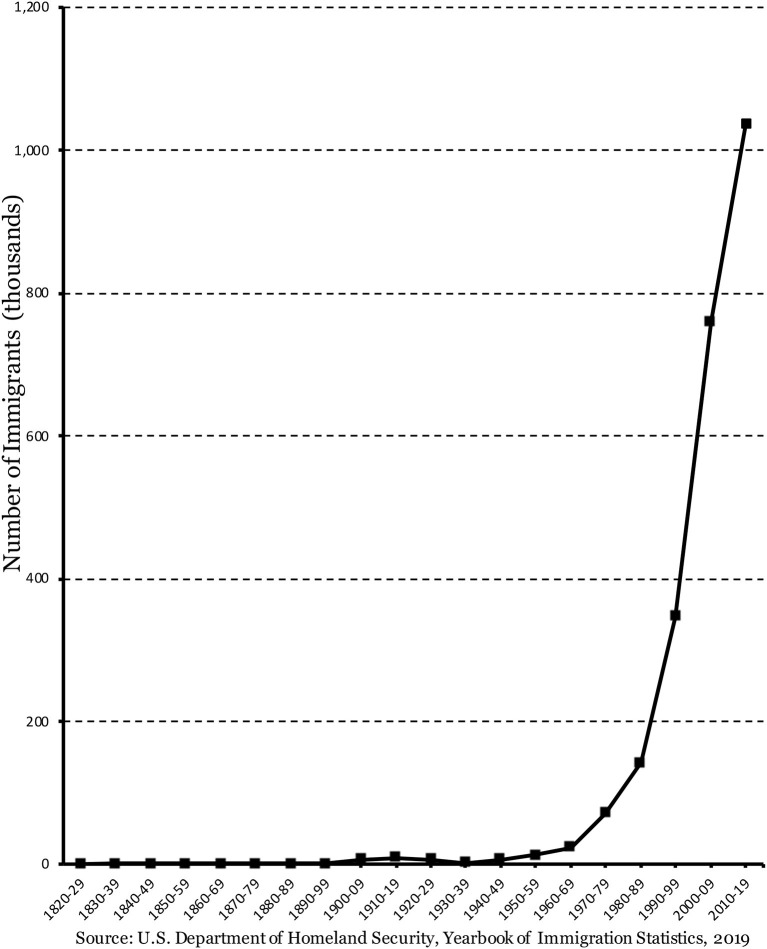
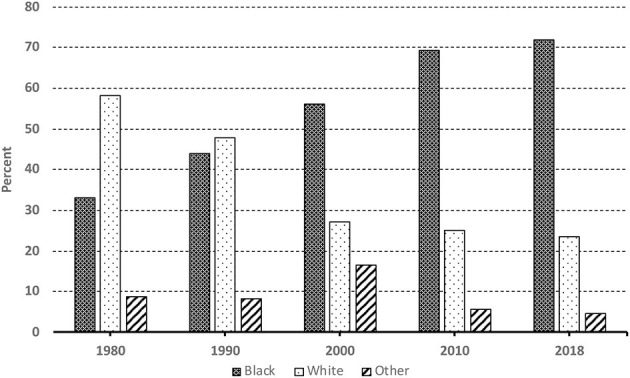
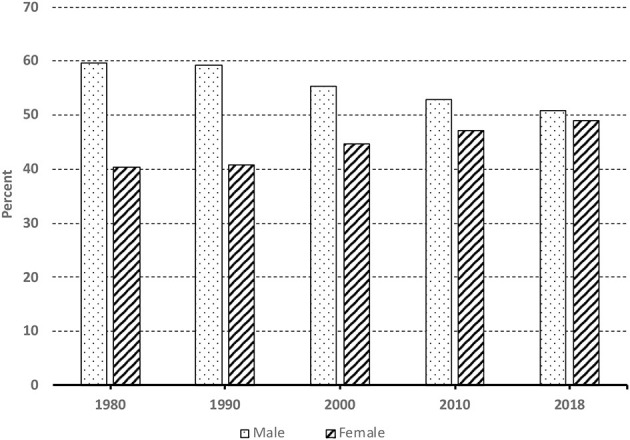
Immigration from Africa to the United States has increased dramatically in the past three decades. This paper summarizes recent findings on the growth of African immigration to the United States in recent years. In doing so, it highlights shifting sociodemographic profiles of these "new African Americans" or "new Americans," profiling the increasing diversity, yet also racialized portrait of this group. Key patterns of immigration shown include the changing racial and gender composition of immigrants, as well as rising immigration from a wider range of African countries. Some key theoretical and practical implications are outlined.
Keywords: African immigrants; black immigrants; immigration; immigration from Africa; race.
Copyright © 2023 Corra.
Conflict of interest statement
The author declares that the research was conducted in the absence of any commercial or financial relationships that could be construed as a potential conflict of interest.
Figures
References
-
- Anderson M. (2015). A Rising Share of the U.S. Black Population Is Foreign Born; 9 Percent Are Immigrants; and While Most Are from the Caribbean, Africans Drive Recent Growth. Washington, DC: Pew Research Center.
-
- Anderson M., Connor P. (2018). Sub-Saharan African Immigrants in the United States are also more Highly Educated than U.S. Native-Born Population. Washington, DC: Pew Research Center. Available online at: https://www.pewresearch.org/global/2018/04/24/sub-saharan-african-immigr... (accessed June 22, 2022).
-
- Anderson M., López G. (2018). Key Facts About Black Immigrants in the U.S. Washington, DC: Pew Research Center.
-
- Barone M. (2001). The New Americans: How the Melting Pot Can Work Again. Washington DC: Regnery Publishing.
-
- Beck E. M., Horan P. M., Tolbert C. (1980). Industrial segmentation and labor market discrimination. Soc. Probl. 28, 113–130. 10.2307/800146 - DOI
Publication types
LinkOut - more resources
Full Text Sources
Miscellaneous
