


PRECISE Scale: a quantitative classification for androgenetic alopecia and its application to hair transplantation
- PMID: 37365308
- PMCID: PMC10980655
- DOI: 10.1007/s00266-023-03462-4
PRECISE Scale: a quantitative classification for androgenetic alopecia and its application to hair transplantation
Abstract
Background: Androgenetic alopecia (AGA) is a prevalent genetic condition that can affect both male and female, and is considered the most frequent form of hair loss. Traditional scales and methods of classifying AGA are basically qualitative.
Objective: This work aims to propose a quantitative scale to classify AGA in order to assist hair transplantation surgery.
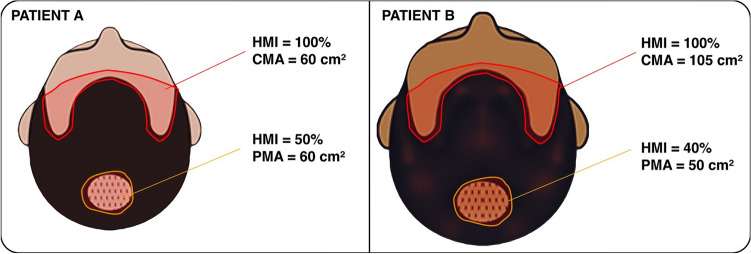
Methods: Based on whole hairless and thinning areas that needs to receive follicular units in a hair transplantation procedure, basic equations to support the scale are proposed. Additionally, the study involves simulations that apply the classification system and compare its results with those of qualitative methods.
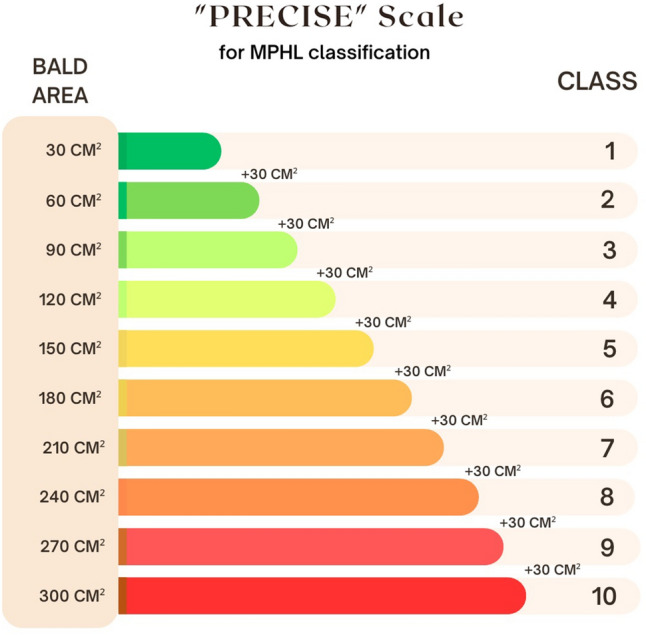
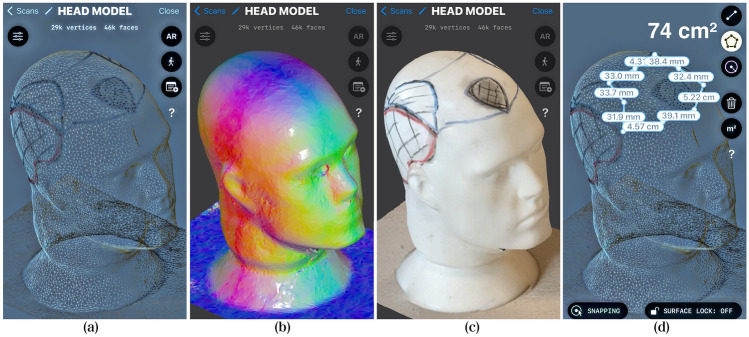
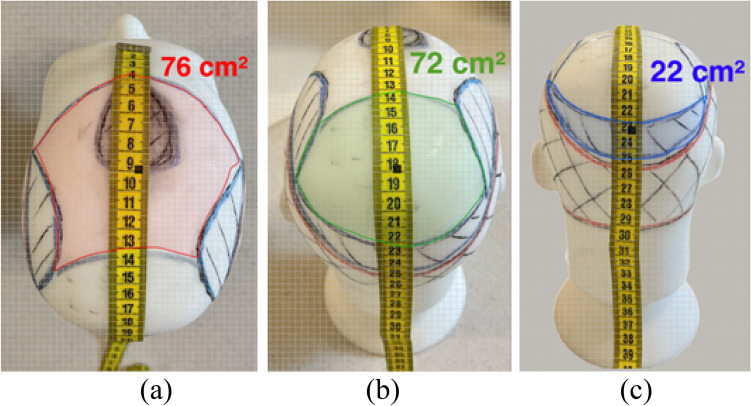
Results: The PRECISE scale utilizes a range of 0-10, using 30 cm2 as the measured standard of a bald area. For hair transplantation, 1500 follicular units (FU) are recommended for each score in the PRECISE scale. Technological and manual methods to measure the hairless and thinning areas are presented and discussed. This new quantitative classification, combined with different and complementary methods of measurement of hairless and thinning areas endorse the understanding of the clinical condition by the patient and the planning of a surgery procedure.
Conclusion: The developed PRECISE scale brings a different way of classifying Androgenetic alopecia (AGA), through an essentially quantitative evaluation. It can be used to elaborate the best strategy for the hair transplantation surgery and to improve the outcomes.
Level of evidence v: This journal requires that authors assign a level of evidence to each article. For a full description of these evidence-based medicine ratings, please refer to the Table of Contents or the online Instructions to Authors www.springer.com/00266 .
Keywords: Alopecia; Hair; Hair follicle; Plastic; Surgery.
© 2023. The Author(s).
Conflict of interest statement
The authors declare that they have no conflict of interest.
Figures


References
-
- Beek CH. A study on extension and distribution of the human body-hair. Dermatologica. 1950;31:101–317. - PubMed
MeSH terms
LinkOut - more resources
Full Text Sources
Research Materials
Miscellaneous
