Review
. 2023 May 25;12(6):963.
doi: 10.3390/antibiotics12060963.

Synthetic and Semisynthetic Compounds as Antibacterials Targeting Virulence Traits in Resistant Strains: A Narrative Updated Review

Affiliations
Review

Synthetic and Semisynthetic Compounds as Antibacterials Targeting Virulence Traits in Resistant Strains: A Narrative Updated Review

Dejan Stojković et al. Antibiotics (Basel). .

Abstract

This narrative review paper provides an up-to-date overview of the potential of novel synthetic and semisynthetic compounds as antibacterials that target virulence traits in resistant strains. The review focused on research conducted in the last five years and investigated a range of compounds including azoles, indoles, thiophenes, glycopeptides, pleuromutilin derivatives, lactone derivatives, and chalcones. The emergence and spread of antibiotic-resistant bacterial strains is a growing public health concern, and new approaches are urgently needed to combat this threat. One promising approach is to target virulence factors, which are essential for bacterial survival and pathogenesis, but not for bacterial growth. By targeting virulence factors, it may be possible to reduce the severity of bacterial infections without promoting the development of resistance. We discuss the mechanisms of action of the various compounds investigated and their potential as antibacterials. The review highlights the potential of targeting virulence factors as a promising strategy to combat antibiotic resistance and suggests that further research is needed to identify new compounds and optimize their efficacy. The findings of this review suggest that novel synthetic and semisynthetic compounds that target virulence factors have great potential as antibacterials in the fight against antibiotic resistance.

Keywords: antibacterial activity; antibiotic resistance; biofilms; novel synthetic compounds; virulence factors.


Conflict of interest statement

The authors declare no conflict of interest.

Figures
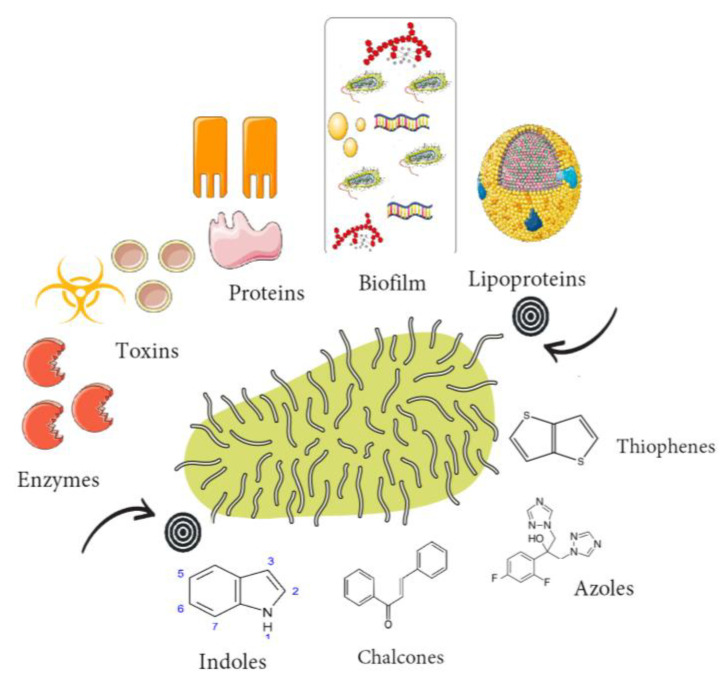
Figure 1
Figure 1
Group of compounds that target virulence traits in resistant bacteria.
Figure 2
Figure 2
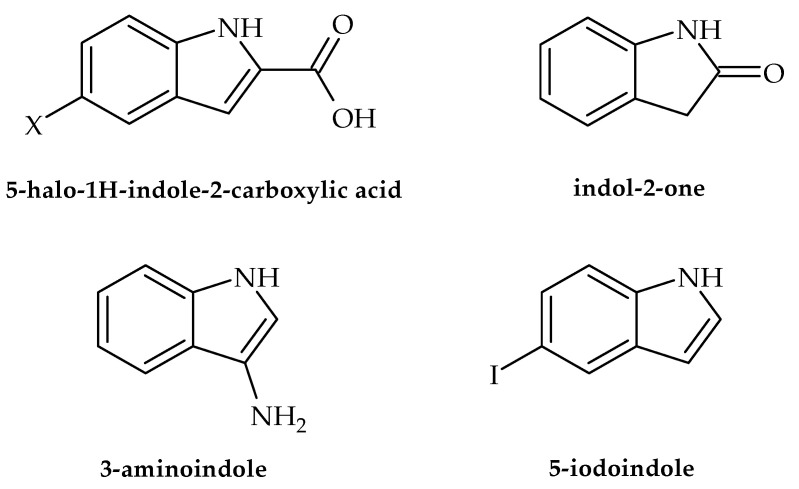
Chemical structures of 5-halo-1H-indole-2-carboxylic acid, indol-2-one, 3-amino indole, and 5-iodoindole.
Figure 3
Figure 3
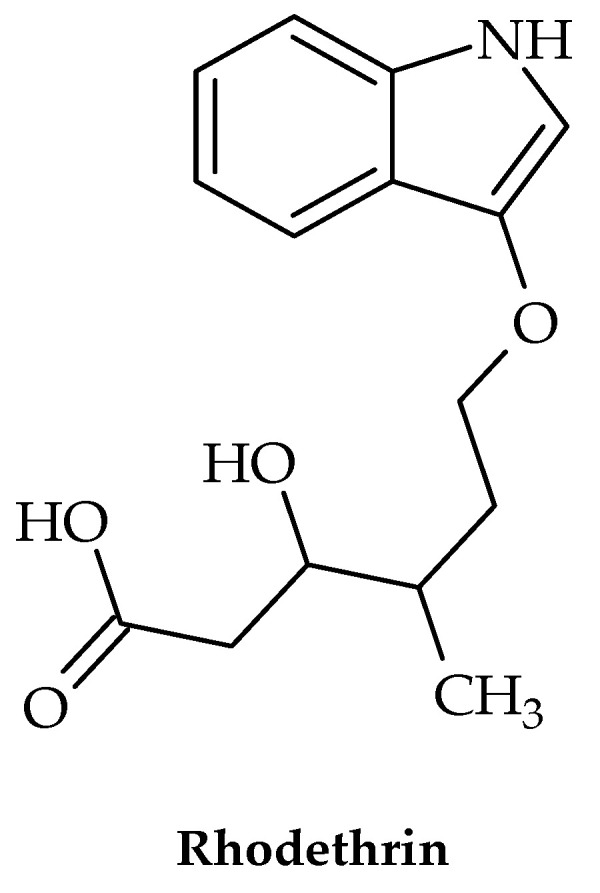
Chemical structure of rhodethrin.
Figure 4
Figure 4
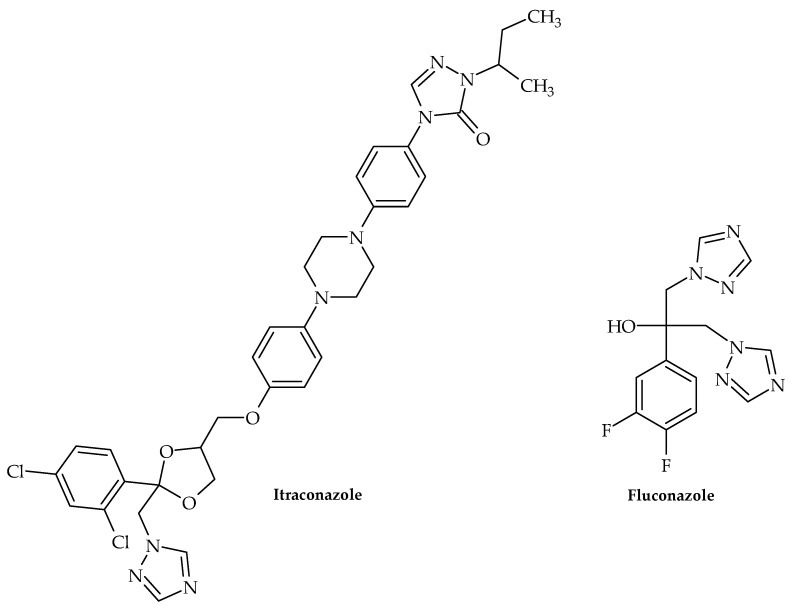
Chemical structures of itraconazole and fluconazole.
Figure 5
Figure 5
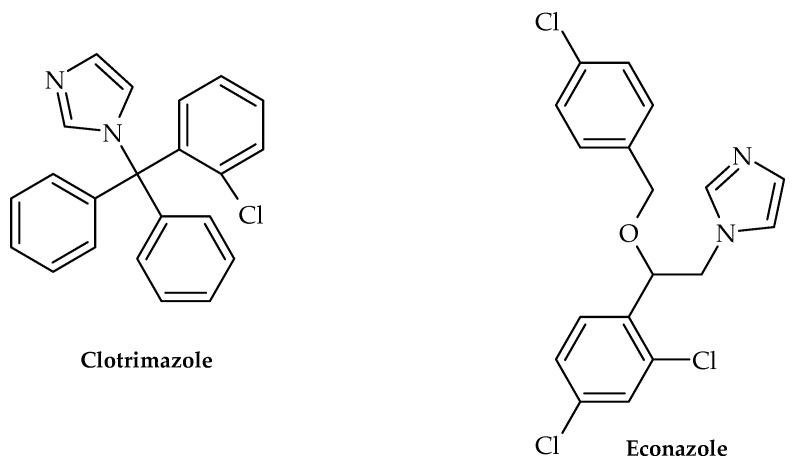
Chemical structures of clotrimazole and econazole.
Figure 6
Figure 6
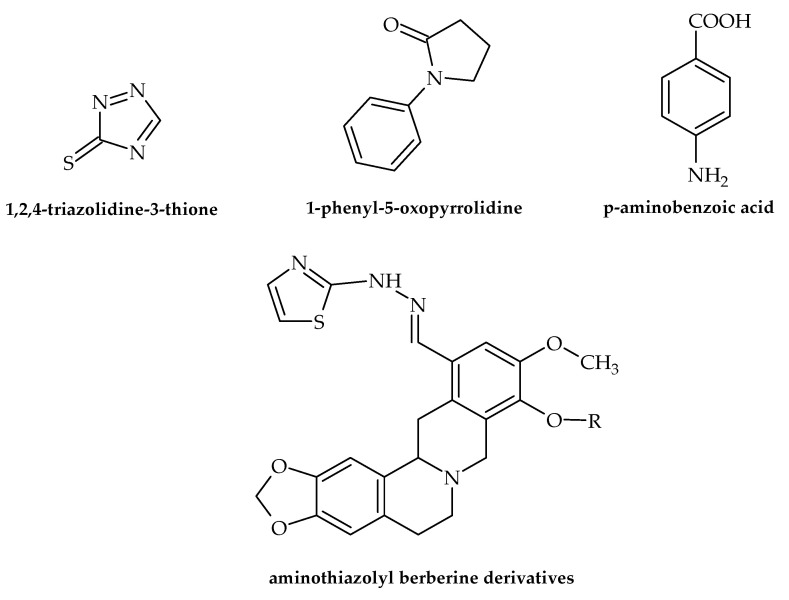
Chemical structures of 1,2,4-triazolidine-3-thione, 1-phenyl-5-oxopyrrolidine, p-aminobenzoic acid, and aminothiazolyl berberine.
Figure 7
Figure 7
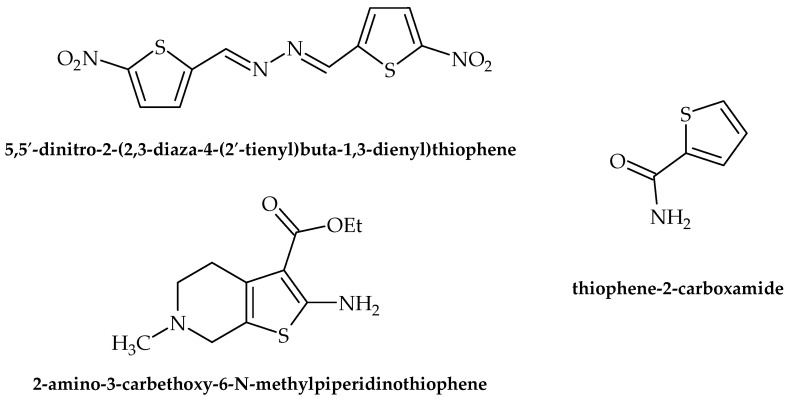
Chemical structures of 5,5′-dinitro-2-(2,3-diaza-4-(2′-tienyl)buta-1,3-dienyl)thiophene, 2-amino-3-carbethoxy-6-N methyl piperidino thiophene, and thiophene-2-carboxamide.
Figure 8
Figure 8
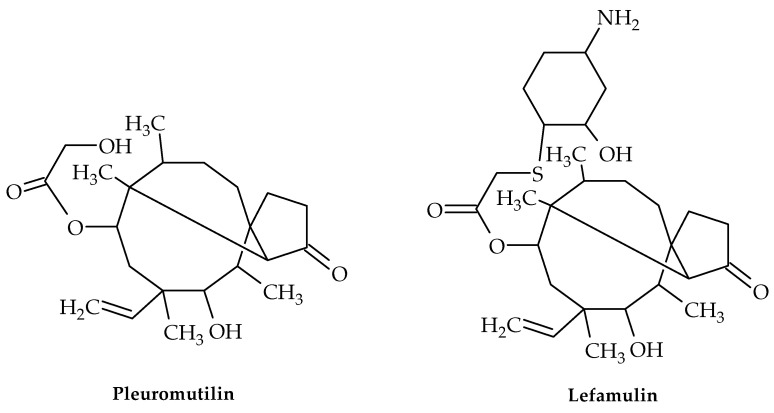
Chemical structures of pleuromutilin and lefamulin.
Figure 9
Figure 9
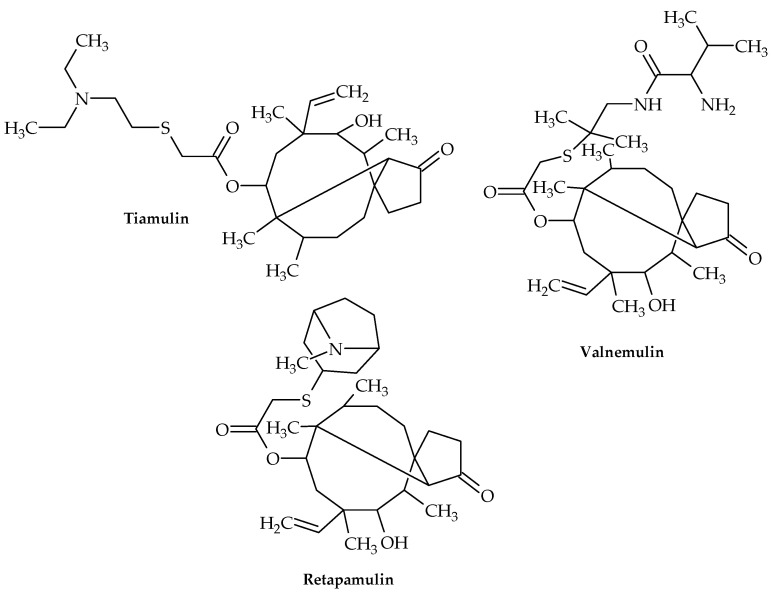
Chemical structures of tiamulin, valnemulin, and retapamulin.
Figure 10
Figure 10
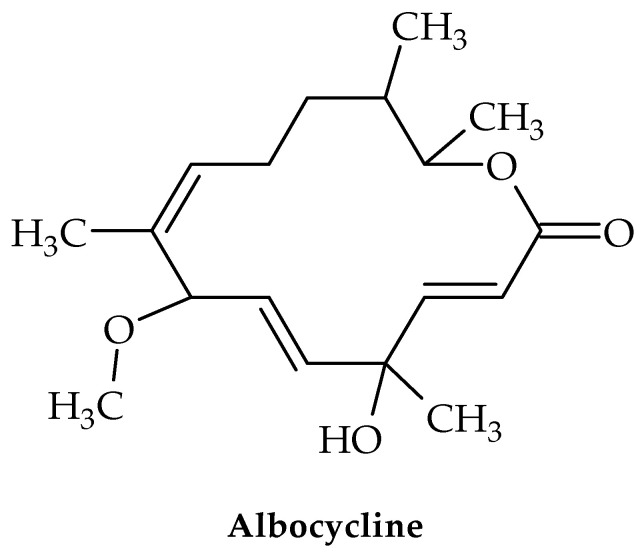
Chemical structure of albocycline.
Figure 11
Figure 11
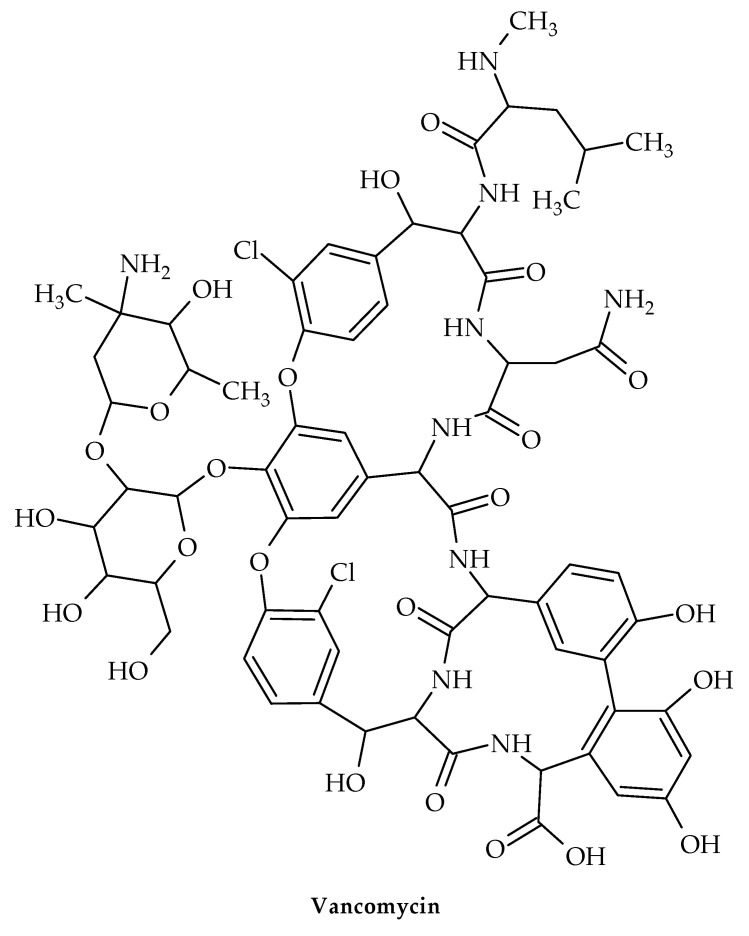
Chemical structure of vancomycin.
Figure 12
Figure 12
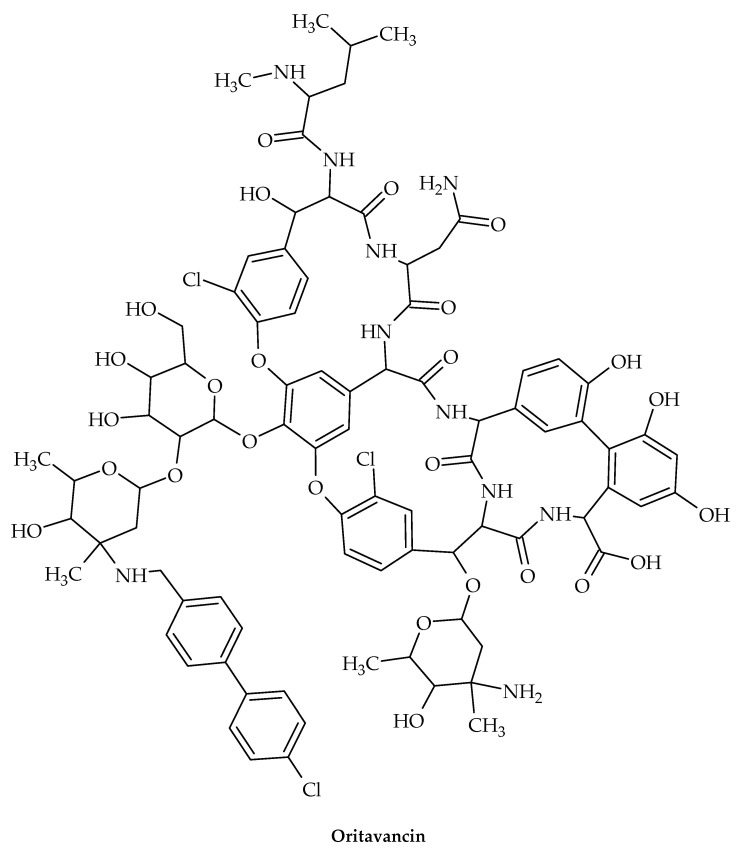
Chemical structure of oritavancin.
Figure 13
Figure 13
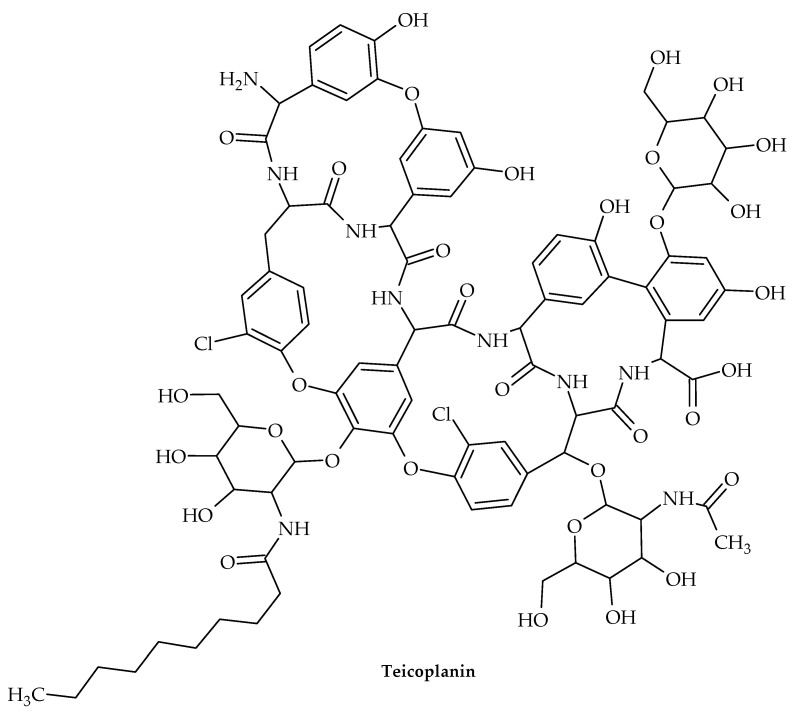
Chemical structure of teicoplanin.
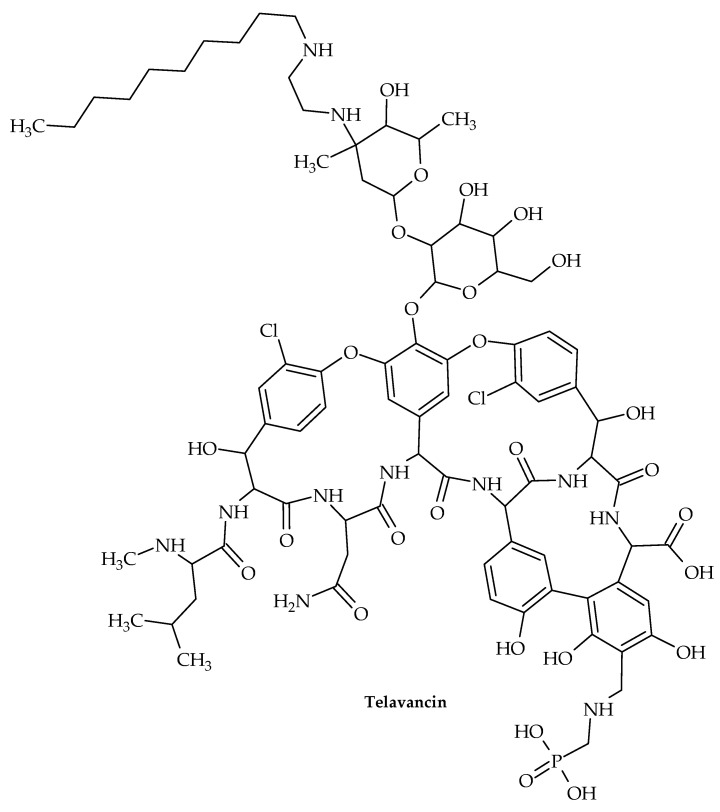
Figure 14
Figure 14
Chemical structure of telavancin.
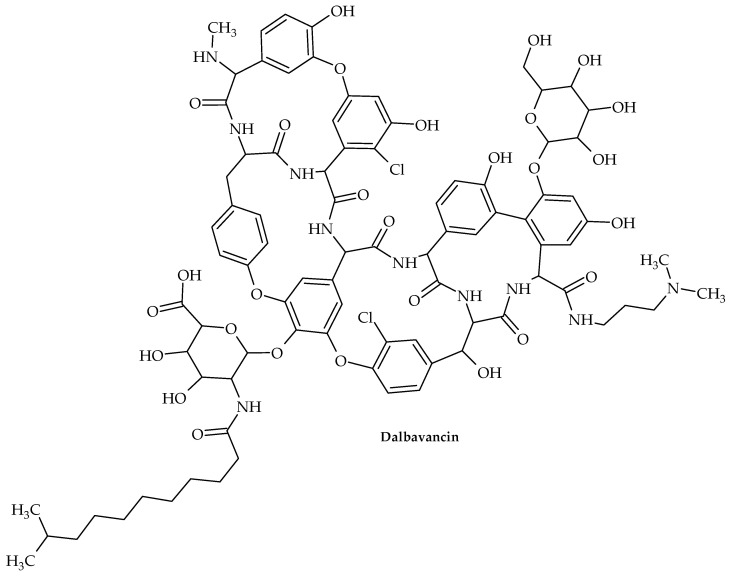
Figure 15
Figure 15
Chemical structure of dalbavancin.
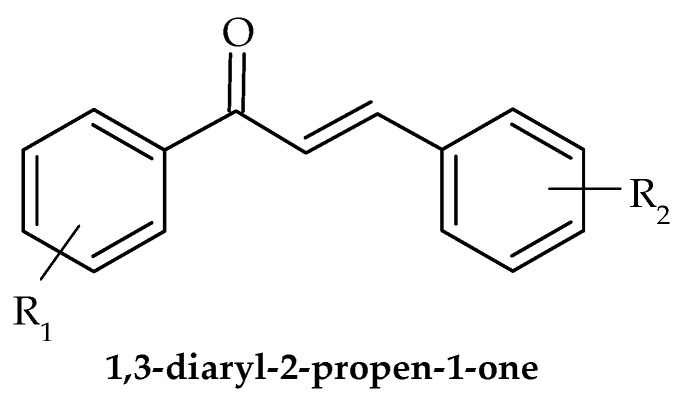
Figure 16
Figure 16
General structure of 1,3-diaryl-2-propen-1-ones.

References

    1. Piddock L.J. Reflecting on the final report of the O’Neill review on antimicrobial resistance. Lancet Infect. Dis. 2016;16:767–768. doi: 10.1016/S1473-3099(16)30127-X. - DOI - PubMed
    1. Rasko D.A., Sperandio V. Anti-virulence strategies to combat bacteria-mediated disease. Nat. Rev. Drug Discov. 2010;9:117–128. doi: 10.1038/nrd3013. - DOI - PubMed
    1. Zhang F., Cheng W. The Mechanism of Bacterial Resistance and Potential Bacteriostatic Strategies. Antibiotics. 2022;11:1215. doi: 10.3390/antibiotics11091215. - DOI - PMC - PubMed
    1. Clatworthy A.E., Pierson E., Hung D.T. Targeting virulence: A new paradigm for antimicrobial therapy. Nat. Chem. Biol. 2007;3:541–548. doi: 10.1038/nchembio.2007.24. - DOI - PubMed
    1. Fischbach M.A., Walsh C.T. Antibiotics for emerging pathogens. Science. 2009;325:1089–1093. doi: 10.1126/science.1176667. - DOI - PMC - PubMed

LinkOut - more resources