


The Impact of NUTRItional Status at First Medical Oncology Visit on Clinical Outcomes: The NUTRIONCO Study
- PMID: 37370816
- PMCID: PMC10296396
- DOI: 10.3390/cancers15123206
The Impact of NUTRItional Status at First Medical Oncology Visit on Clinical Outcomes: The NUTRIONCO Study
Abstract
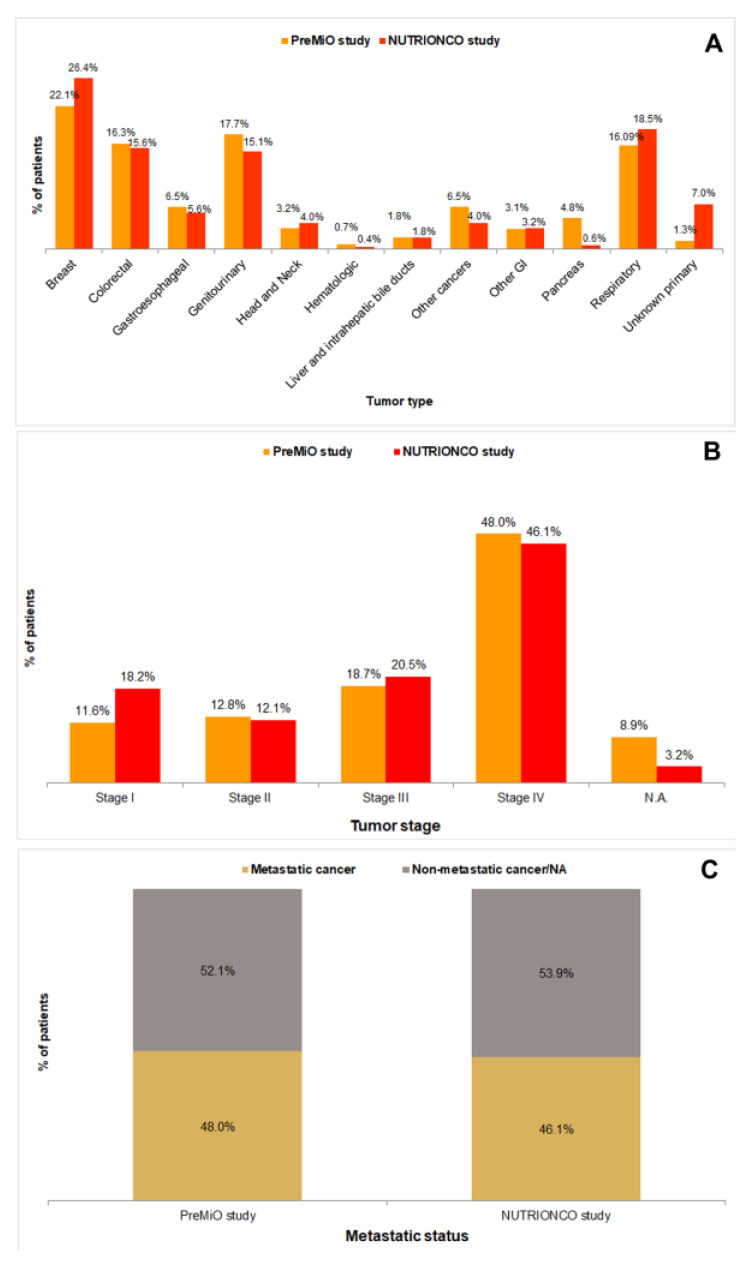
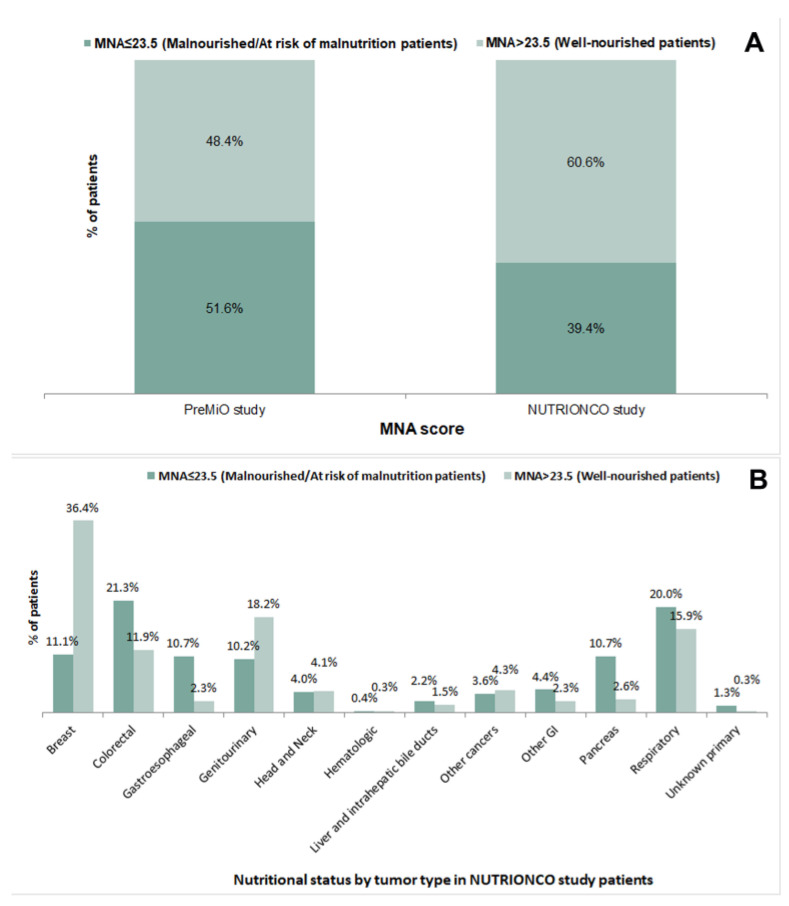
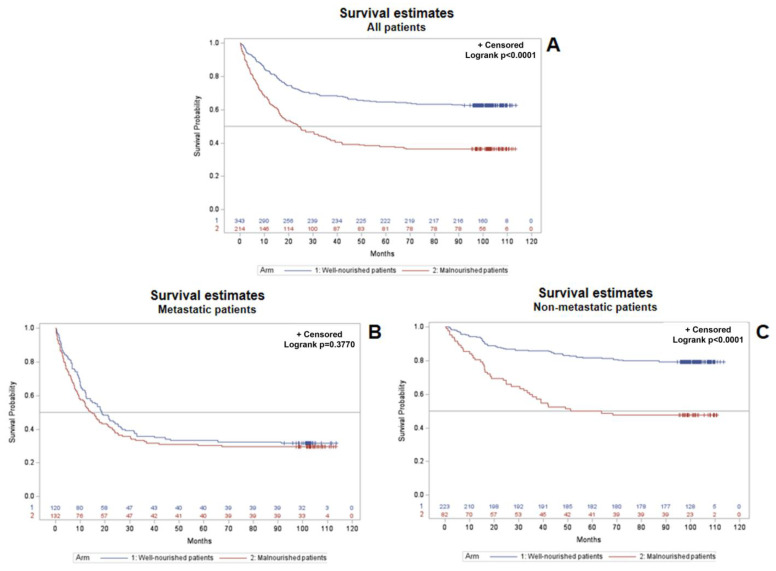
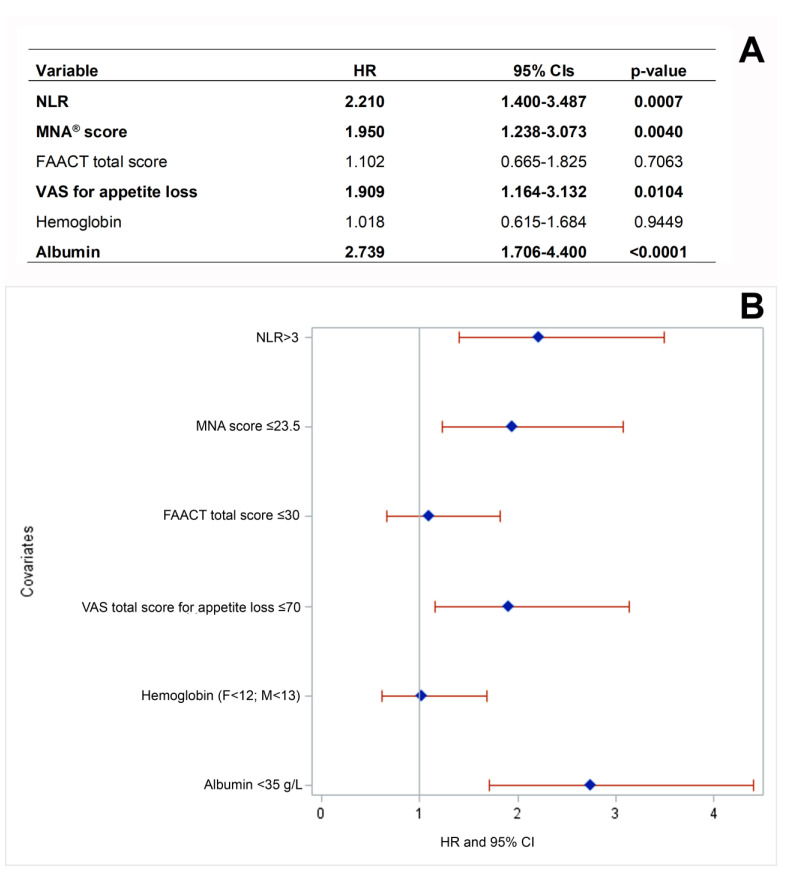
Malnutrition affects up to 75% of cancer patients and results from a combination of anorexia and metabolic dysregulation. Metabolic and nutritional abnormalities in cancer patients can lead to cachexia, a multifactorial syndrome characterized by involuntary loss of skeletal muscle mass, systemic inflammation and increased protein catabolism. Cancer cachexia negatively affects patients' outcomes, response to anticancer treatments, quality of life, and survival. However, risk of malnutrition, and cachexia are still under-recognized in cancer patients. The Prevalence of Malnutrition in Oncology (PreMiO) study revealed that 51% of patients already had nutritional deficiencies at their first medical oncology visit. Here, we report the results of the subsequent retrospective, observational NUTRItional status at first medical oncology visit ON Clinical Outcomes (NUTRIONCO) study, aimed at assessing the impact of baseline nutritional and non-nutritional variables collected in the PreMiO study on the clinical outcomes of the same patients followed up from August 2019 to October 2021. We have highlighted a statistically significant association between baseline variables and patient death, rehospitalization, treatment toxicity, and disease progression at follow-up. We found a higher overall survival probability in the well-nourished general study population vs. malnourished patients (p < 0.001). Of major interest is the fact that patient stratification revealed that malnutrition decreased survival probability in non-metastatic patients but not in metastatic patients (p < 0.001). Multivariate analysis confirmed that baseline malnutrition (p = 0.004) and VAS score for appetite loss (p = 0.0104), in addition to albumin < 35 g/L (p < 0.0001) and neutrophil/lymphocyte ratio > 3 (p = 0.0007), were independently associated with the death of non-metastatic patients at follow-up. These findings highlight the importance of proactive, early management of malnutrition and cachexia in cancer patients, and in particular, in non-metastatic patients, from the perspective of a substantial improvement of their clinical outcomes.
Keywords: anorexia; awareness; cachexia; cancer; early management; malnutrition; outcomes; survival.
Conflict of interest statement
The authors declare no conflict of interest. The funders had no role in the design of the study; in the collection, analyses, or interpretation of data; in the writing of the manuscript; or in the decision to publish the results.
Figures
References
-
- World Health Organization [(accessed on 20 February 2023)]; Available online: https://www.who.int/news-room/fact-sheets/detail/malnutrition.
Grants and funding
LinkOut - more resources
Full Text Sources
Miscellaneous
