


Mapping of familial hypercholesterolemia and dyslipidemias basic management infrastructure in Pakistan: a cross-sectional study
- PMID: 37384054
- PMCID: PMC10306043
- DOI: 10.1016/j.lansea.2023.100163
Mapping of familial hypercholesterolemia and dyslipidemias basic management infrastructure in Pakistan: a cross-sectional study
Abstract
Background: Familial hypercholesterolemia (FH) is an autosomal inherited disorder characterised by elevated low-density lipoprotein cholesterol and premature cardiovascular events. Despite being declared as a public health priority, FH remains highly underdiagnosed, generally due to the lack of awareness and shortcomings in the available infrastructure, particularly in lower income countries.
Methods: To map the existing infrastructure for the management of FH, a survey was conducted among 128 physicians (cardiologists, paediatricians, endocrinologists, and internal medicine specialists) from different regions of Pakistan.
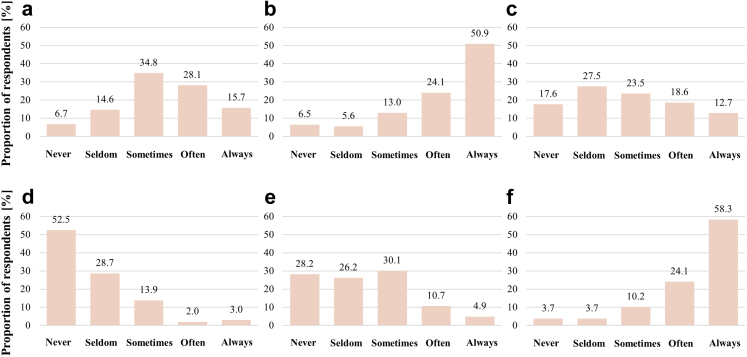
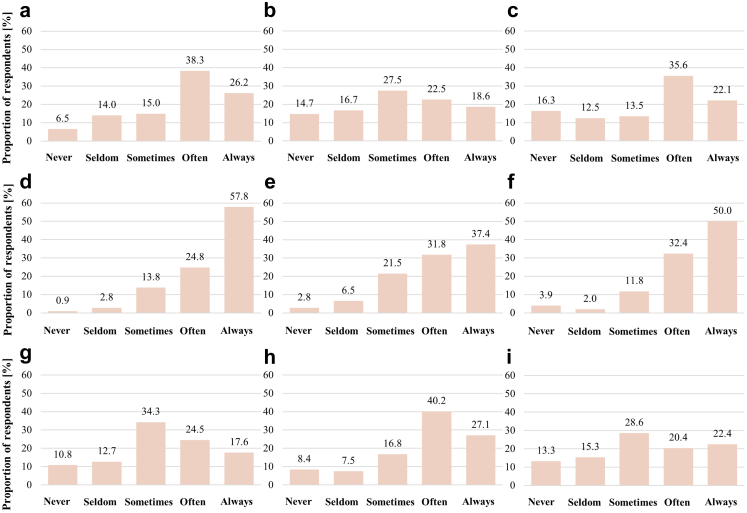
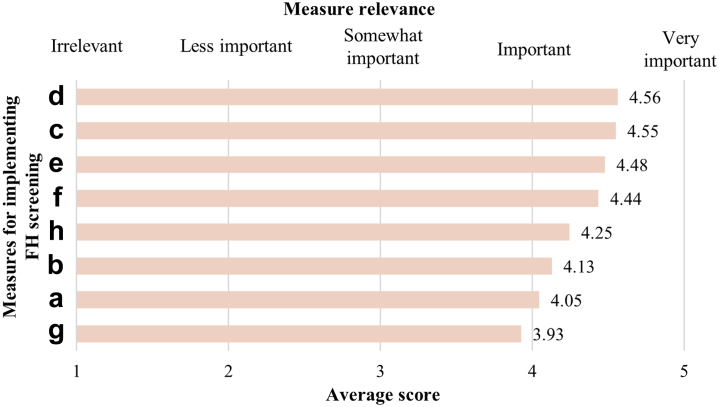
Findings: The respondents encountered a limited number of adults or children with diagnosed FH. A very small proportion of the population had access to free cholesterol and genetic testing even when indicated by a physician. In general, cascade screening of the relatives was not performed. Uniform diagnostic criteria for FH had not been established even within the same institution or province. The use of statins and ezetimibe in addition to lifestyle changes were the most common recommended treatment option for FH patients. The respondents considered lack of financial resources as a major barrier for the management of FH and stressed on taking relevant measures for a uniform FH screening programs around the country.
Interpretation: National FH screening programmes are not in place worldwide hence FH is commonly undiagnosed, and many individuals are at a high risk for cardiovascular diseases. Timely screening of population for FH requires knowledge about FH among the clinicians and the availability of fundamental infrastructure coupled with sufficient financial resources.
Funding: The authors confirm independence from the sponsor. The funders had no role in the design of the study; in the collection, analyses, or interpretation of data; in the writing of the manuscript, or in the decision to publish the results. FS received funding from Higher Education Commission, Pakistan (Grant 20-15760) and UG received grants from Slovenian Research Agency (J3-2536, P3-0343).
Keywords: Cardiovascular disease; FH screening; Familial hypercholesterolemia; Mapping survey; Opportunistic testing; Statins.
© 2023 The Author(s).
Conflict of interest statement
None.
Figures


References
-
- Pakistan Bureau of Statistics [Internet]. Available from: https://www.pbs.gov.pk/; 2021. Accessed May 11, 2022.
-
- Walker I.F., Garbe F., Wright J., et al. The economic costs of cardiovascular disease, diabetes mellitus, and associated complications in South Asia: a systematic review. Value Heal Reg Issues. 2018;15:12–26. - PubMed
-
- Groselj U., Wiegman A., Gidding S.S. Screening in children for familial hypercholesterolaemia: start now. Eur Heart J. 2022;43:3209. - PubMed
-
- Gidding S.S., Wiegman A., Groselj U., et al. Paediatric familial hypercholesterolaemia screening in Europe: public policy background and recommendations. Eur J Prev Cardiol. 2022;16:2301. - PubMed
LinkOut - more resources
Full Text Sources
Miscellaneous
