


Utilizing directed evolution to interrogate and optimize CRISPR/Cas guide RNA scaffolds
- PMID: 37390831
- PMCID: PMC10529641
- DOI: 10.1016/j.chembiol.2023.06.007
Utilizing directed evolution to interrogate and optimize CRISPR/Cas guide RNA scaffolds
Abstract
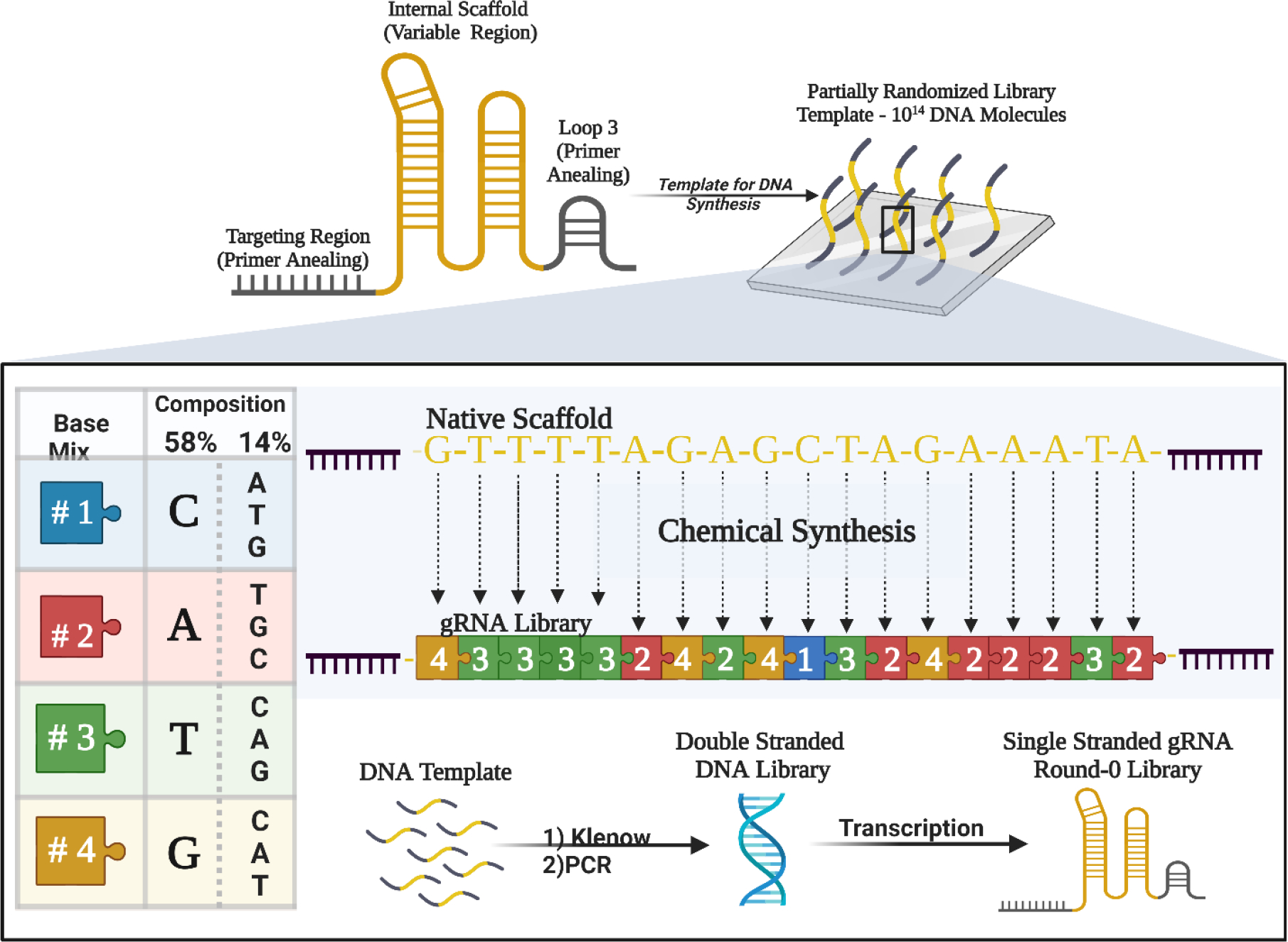
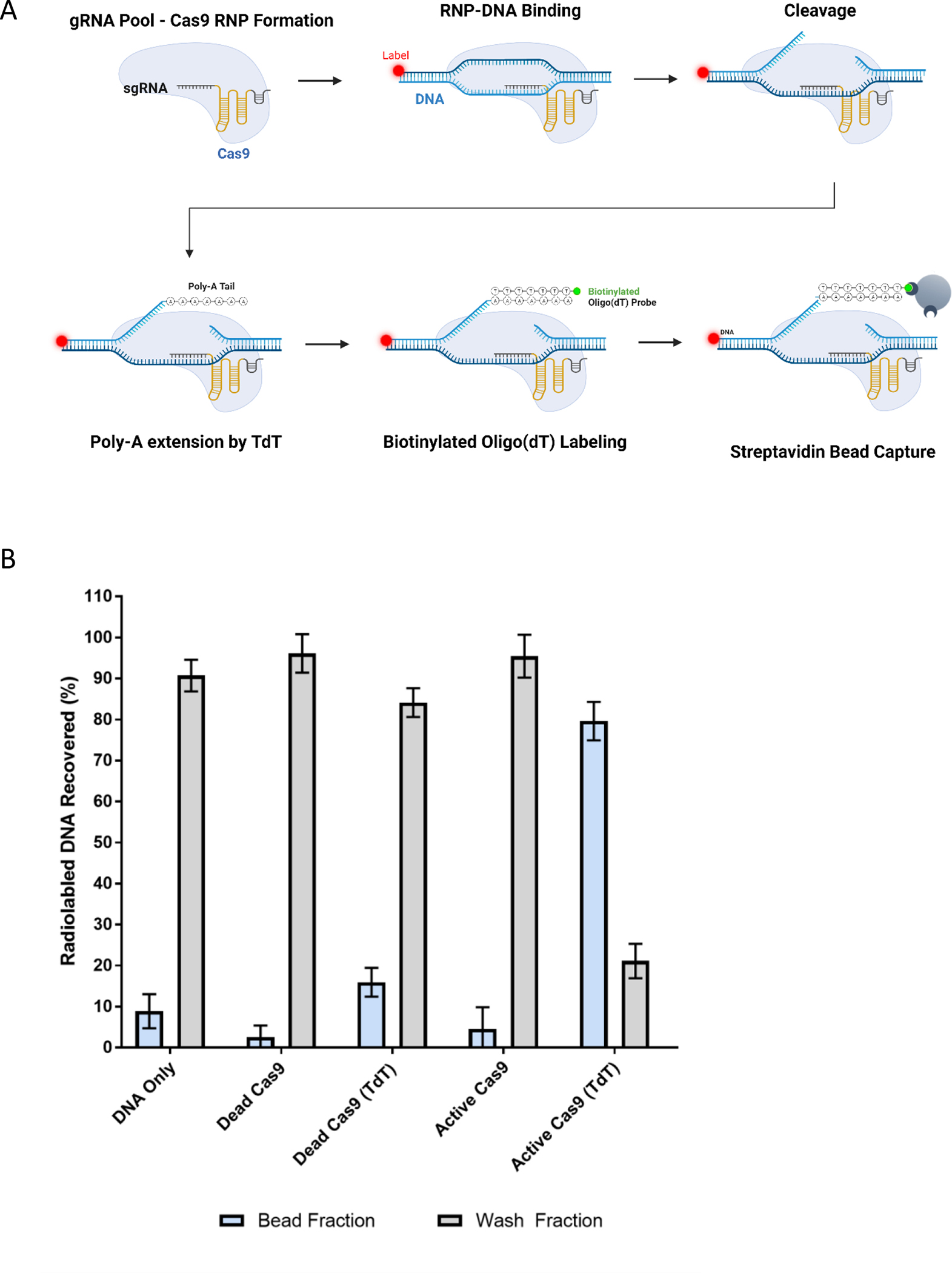
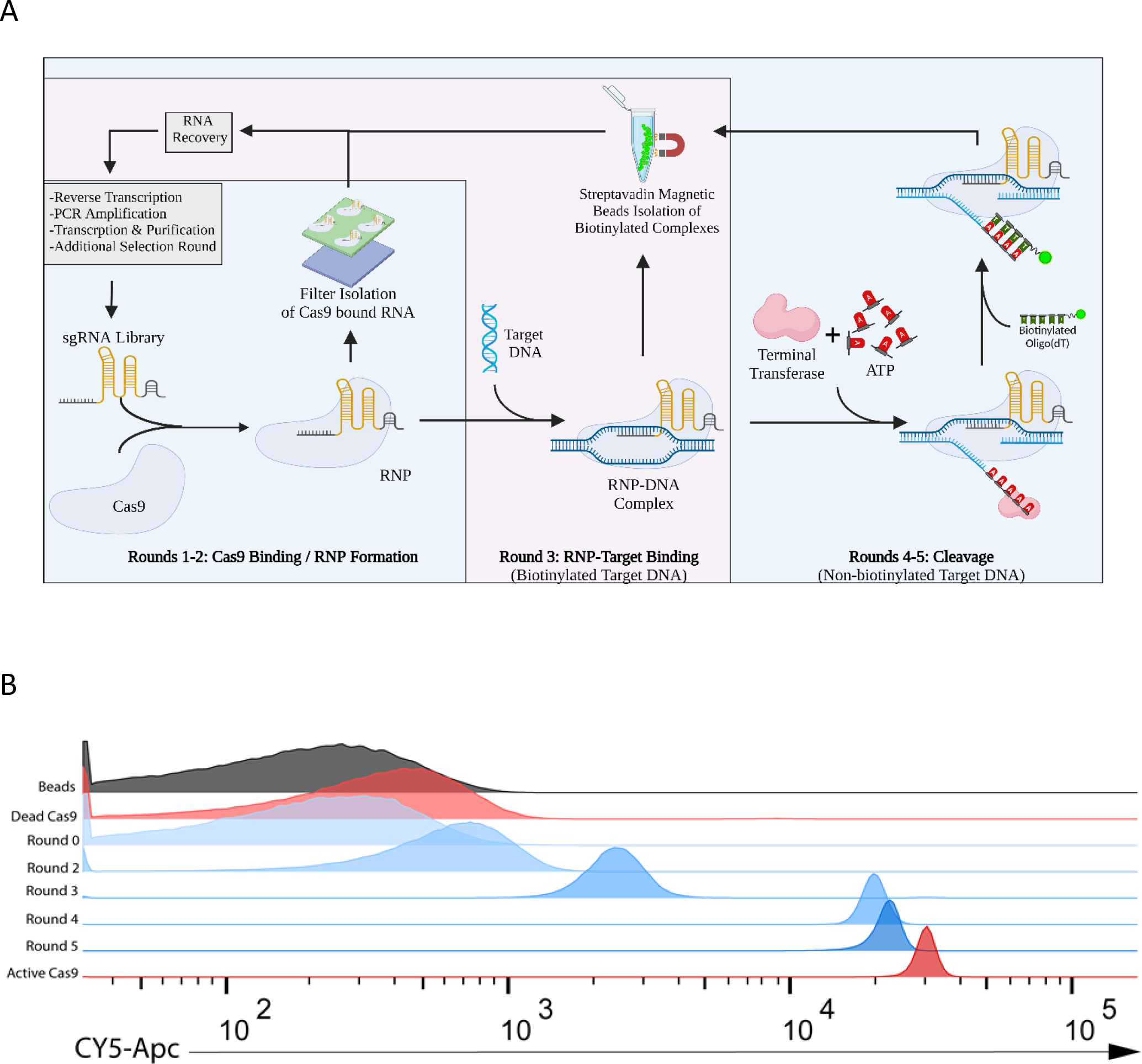
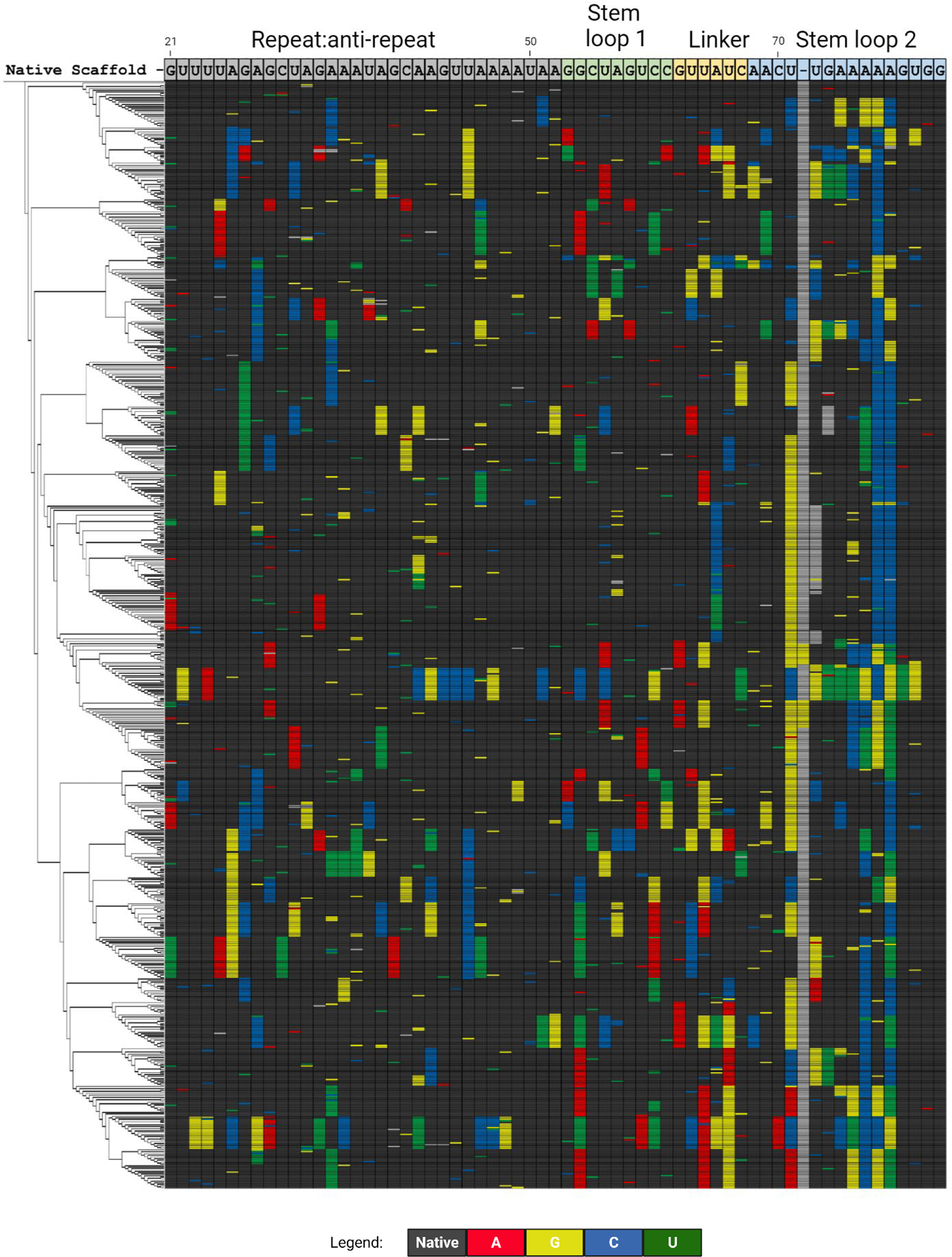
CRISPR-based editing has revolutionized genome engineering despite the observation that many DNA sequences remain challenging to target. Unproductive interactions formed between the single guide RNA's (sgRNA) Cas9-binding scaffold domain and DNA-binding antisense domain are often responsible for such limited editing resolution. To bypass this limitation, we develop a functional SELEX (systematic evolution of ligands by exponential enrichment) approach, termed BLADE (binding and ligand activated directed evolution), to identify numerous, diverse sgRNA variants that bind Streptococcus pyogenes Cas9 and support DNA cleavage. These variants demonstrate surprising malleability in sgRNA sequence. We also observe that particular variants partner more effectively with specific DNA-binding antisense domains, yielding combinations with enhanced editing efficiencies at various target sites. Using molecular evolution, CRISPR-based systems could be created to efficiently edit even challenging DNA sequences making the genome more tractable to engineering. This selection approach will be valuable for generating sgRNAs with a range of useful activities.
Keywords: CRISPR; Cas9; DNA editing; SELEX; aptamer; guide RNA; molecular evolution.
Copyright © 2023 Elsevier Ltd. All rights reserved.
Conflict of interest statement
Declaration of interests Duke University has submitted a patent application on the BLADE sgRNA selection approach.
Figures
Comment in
-
A non-rational approach to optimized targeting of CRISPR-Cas9 complexes.Cell Chem Biol. 2023 Aug 17;30(8):855-857. doi: 10.1016/j.chembiol.2023.07.012. Cell Chem Biol. 2023. PMID: 37595547 Free PMC article.
References
Publication types
MeSH terms
Substances
Grants and funding
LinkOut - more resources
Full Text Sources
