


Mechanisms by which statins protect endothelial cells from radiation-induced injury in the carotid artery
- PMID: 37404737
- PMCID: PMC10315477
- DOI: 10.3389/fcvm.2023.1133315
Mechanisms by which statins protect endothelial cells from radiation-induced injury in the carotid artery
Erratum in
-
Corrigendum: Mechanisms by which statins protect endothelial cells from radiation-induced injury in the carotid artery.Front Cardiovasc Med. 2025 Apr 11;12:1523371. doi: 10.3389/fcvm.2025.1523371. eCollection 2025. Front Cardiovasc Med. 2025. PMID: 40290194 Free PMC article.
Abstract
Background: The incidental use of statins during radiation therapy has been associated with a reduced long-term risk of developing atherosclerotic cardiovascular disease. However, the mechanisms by which statins protect the vasculature from irradiation injury remain poorly understood.
Objectives: Identify the mechanisms by which the hydrophilic and lipophilic statins pravastatin and atorvastatin preserve endothelial function after irradiation.
Methods: Cultured human coronary and umbilical vein endothelial cells irradiated with 4 Gy and mice subjected to 12 Gy head-and-neck irradiation were pretreated with statins and tested for endothelial dysfunction, nitric oxide production, oxidative stress, and various mitochondrial phenotypes at 24 and 240 h after irradiation.
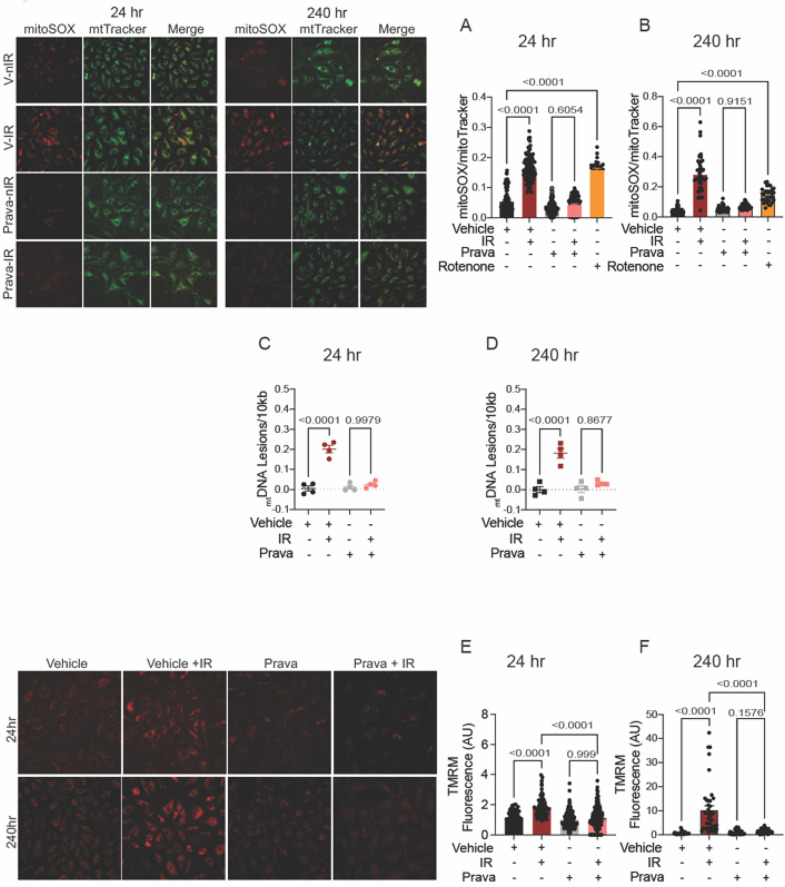
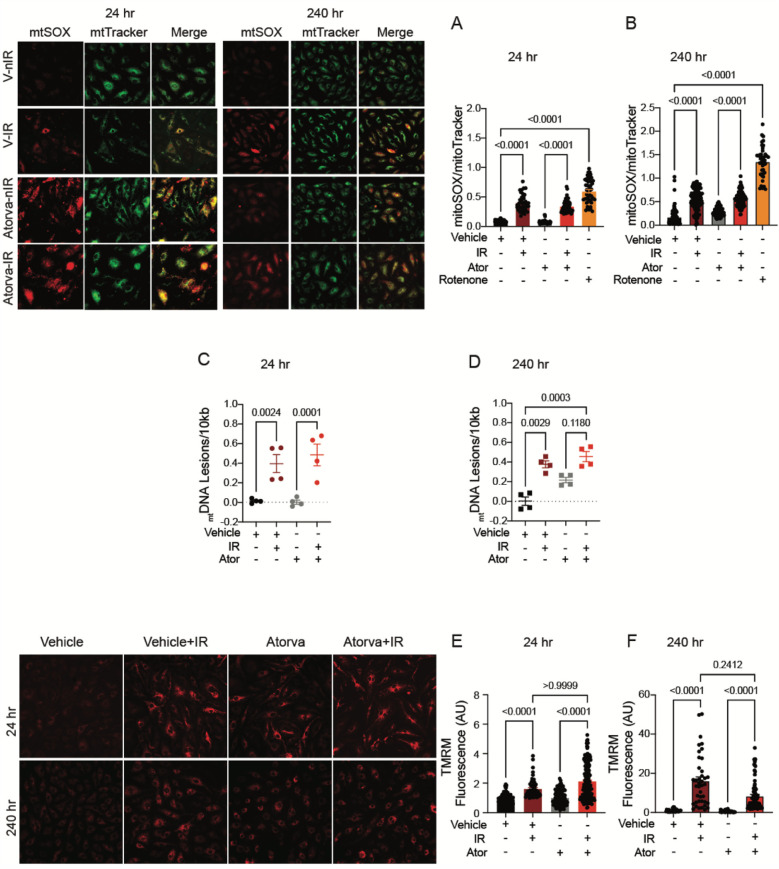
Results: Both pravastatin (hydrophilic) and atorvastatin (lipophilic) were sufficient to prevent the loss of endothelium-dependent relaxation of arteries after head-and-neck irradiation, preserve the production of nitric oxide by endothelial cells, and suppress the cytosolic reactive oxidative stress associated with irradiation. However, only pravastatin inhibited irradiation-induced production of mitochondrial superoxide; damage to the mitochondrial DNA; loss of electron transport chain activity; and expression of inflammatory markers.
Conclusions: Our findings reveal some mechanistic underpinnings of the vasoprotective effects of statins after irradiation. Whereas both pravastatin and atorvastatin can shield from endothelial dysfunction after irradiation, pravastatin additionally suppresses mitochondrial injury and inflammatory responses involving mitochondria. Clinical follow-up studies will be necessary to determine whether hydrophilic statins are more effective than their lipophilic counterparts in reducing the risk of cardiovascular disease in patients undergoing radiation therapy.
Keywords: carotid stenosis; endothelium; mitochondria; prevention; radiation therapy; statin.
© 2023 Ait-Aissa, Leng, Lindsey, Guo, Juhr, Koval and Grumbach.
Conflict of interest statement
The authors declare that the research was conducted in the absence of any commercial or financial relationships that could be construed as a potential conflict of interest.
Figures




References
-
- Atkins KM, Chaunzwa TL, Lamba N, Bitterman DS, Rawal B, Bredfeldt J, et al. Association of left anterior descending coronary artery radiation dose with major adverse cardiac events and mortality in patients with non-small cell lung cancer. JAMA Oncol. (2021) 7(2):206–19. 10.1001/jamaoncol.2020.6332 - DOI - PMC - PubMed
Grants and funding
LinkOut - more resources
Full Text Sources
