


Advancement of a high-dose infant air-jet dry powder inhaler (DPI) with passive cyclic loading: Performance tuning for different formulations
- PMID: 37406945
- PMCID: PMC10530264
- DOI: 10.1016/j.ijpharm.2023.123199
Advancement of a high-dose infant air-jet dry powder inhaler (DPI) with passive cyclic loading: Performance tuning for different formulations
Abstract
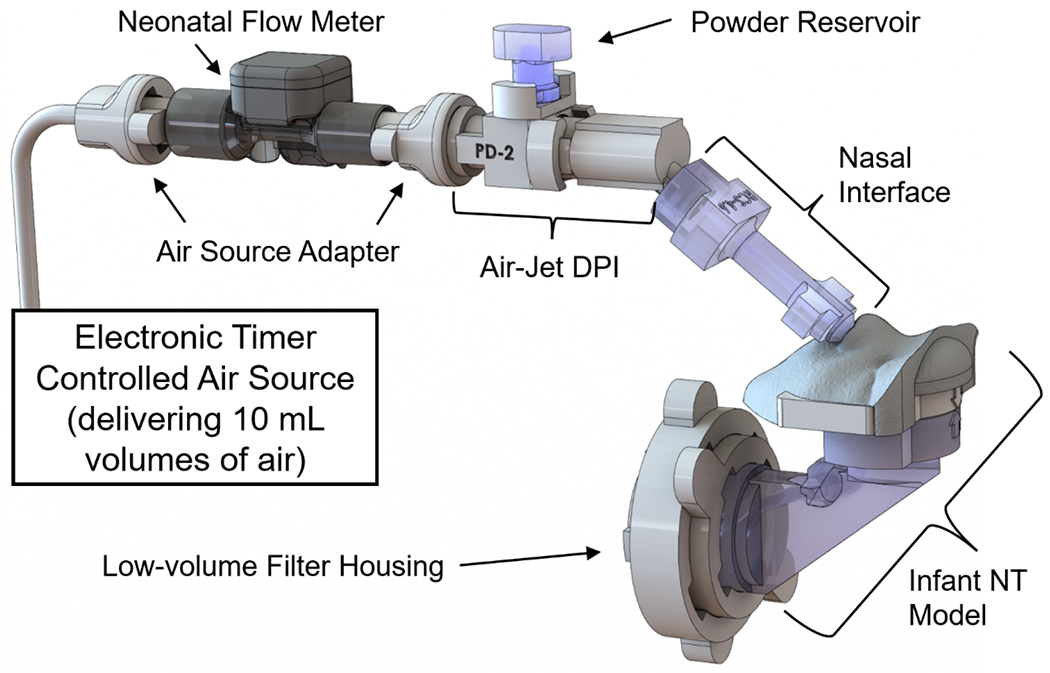
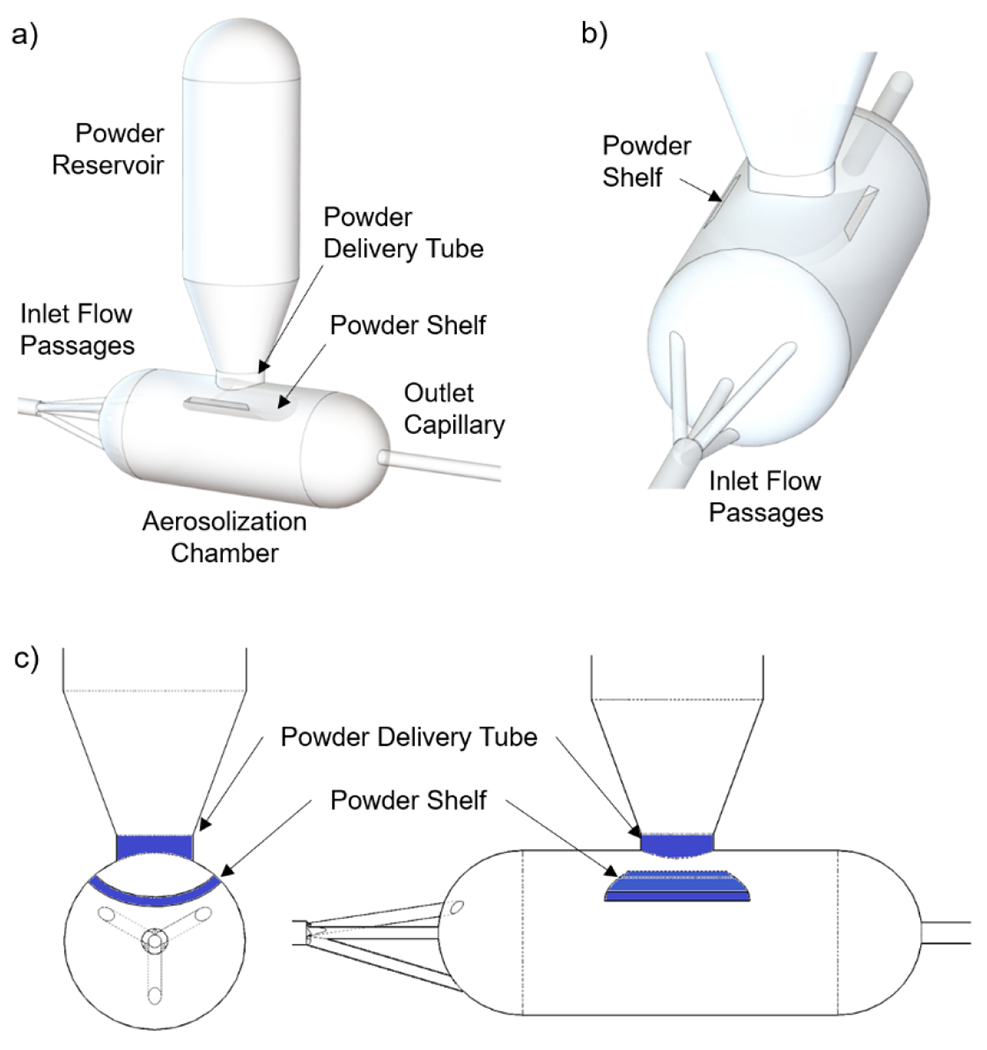
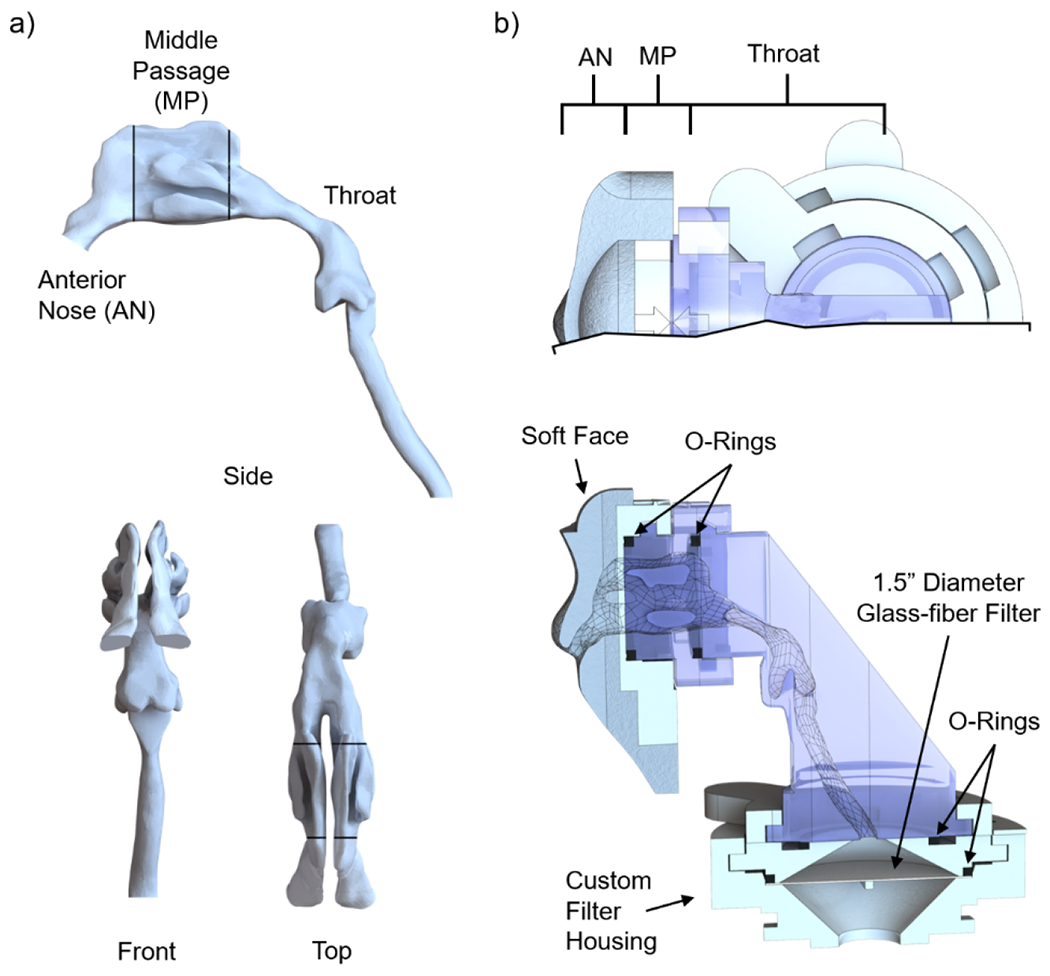
There is a current medical need for a dry powder aerosol delivery device that can be used to efficiently and consistently administer high dose therapeutics, such as inhaled antibiotics, surfactants and antivirals, to the lungs of infants. This study considered an infant air-jet dry powder inhaler (DPI) that could be actuated multiple times with minimal user interaction (i.e., a passive cyclic loading strategy) and focused on the development of a metering system that could be tuned for individual powder formulations to maintain high efficiency lung delivery. The metering system consisted of a powder delivery tube (PDT) connecting a powder reservoir with an aerosolization chamber and a powder supporting shelf that held a defined formulation volume. Results indicated that the metering system could administer a consistent dose per actuation after reaching a steady state condition. Modifications of the PDT diameter and shelf volume provided a controllable approach that could be tuned to maximize lung delivery efficiency for three different formulations. Using optimized metering system conditions for each formulation, the infant air-jet DPI was found to provide efficient and consistent lung delivery of aerosols (∼45% of loaded dose) based on in vitro testing with a preterm nose-throat model and limited dose/actuation to <5 mg.
Keywords: Infant DPI; Inline DPI; Nose-to-lung aerosol delivery; Powder insufflation; Trans-nasal aerosol delivery.
Copyright © 2023 Elsevier B.V. All rights reserved.
Conflict of interest statement
Declaration of Competing Interest Virginia Commonwealth University is currently pursuing patent protection of devices and methods described in this study, which if licensed and commercialized, may provide a future financial interest to the authors.
Figures
References
-
- Amirav I, Balanov I, Gorenberg M, Luder AS, Newhouse MT, Groshar D, 2002. Beta-agonist aerosol distribution in respiratory syncytial virus bronchiolitis in infants. Journal of Nuclear Medicine 43, 487–491. - PubMed
-
- Boc ST, Farkas DR, Longest PW, Hindle M, 2018. Spray dried pulmonary surfactant powder formulations: Development and characterization. Respiratory Drug Delivery 2018 2, 635–638.
MeSH terms
Substances
Grants and funding
LinkOut - more resources
Full Text Sources
