


A targeted metabolomics approach for sepsis-induced ARDS and its subphenotypes
- PMID: 37408042
- PMCID: PMC10320874
- DOI: 10.1186/s13054-023-04552-0
A targeted metabolomics approach for sepsis-induced ARDS and its subphenotypes
Abstract
Background: Acute respiratory distress syndrome (ARDS) is etiologically and clinically a heterogeneous disease. Its diagnostic characteristics and subtype classification, and the application of these features to treatment, have been of considerable interest. Metabolomics is becoming important for identifying ARDS biology and distinguishing its subtypes. This study aimed to identify metabolites that could distinguish sepsis-induced ARDS patients from non-ARDS controls, using a targeted metabolomics approach, and to identify whether sepsis-induced direct and sepsis-induced indirect ARDS are metabolically distinct groups, and if so, confirm their metabolites and associated pathways.
Methods: This study retrospectively analyzed 54 samples of ARDS patients from a sepsis registry that was prospectively collected from March 2011 to February 2018, along with 30 non-ARDS controls. The cohort was divided into direct and indirect ARDS. Metabolite concentrations of five analyte classes (energy metabolism, free fatty acids, amino acids, phospholipids, sphingolipids) were measured using liquid chromatography-tandem mass spectrometry and gas chromatography-mass spectrometry by targeted metabolomics.
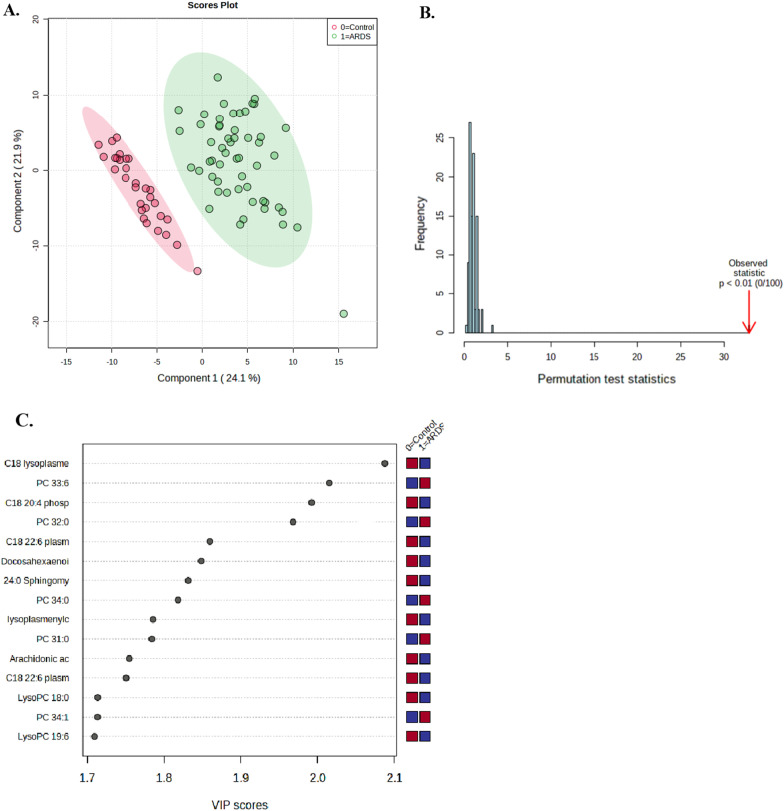
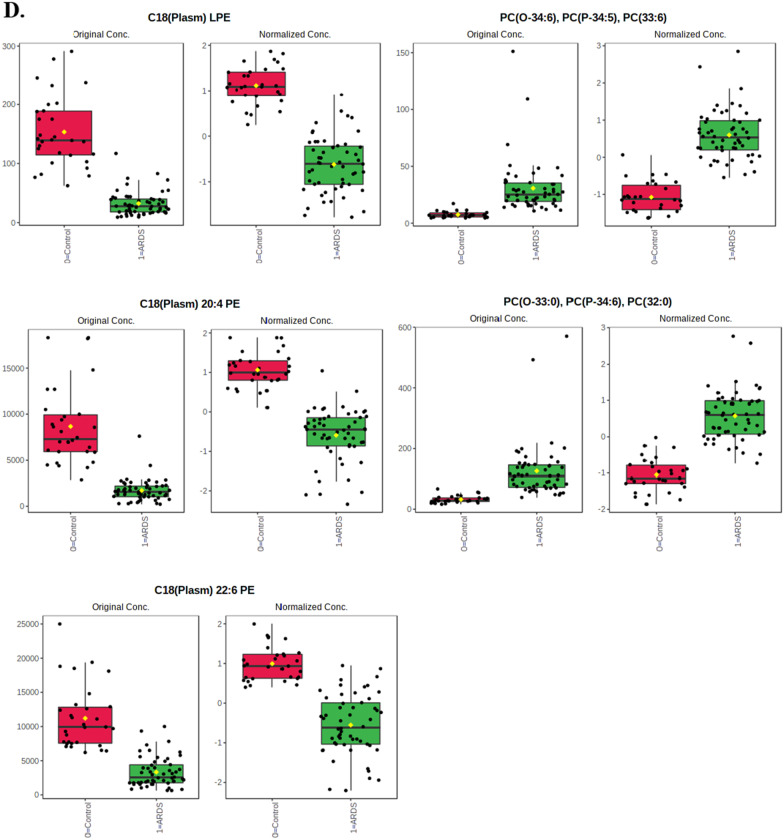
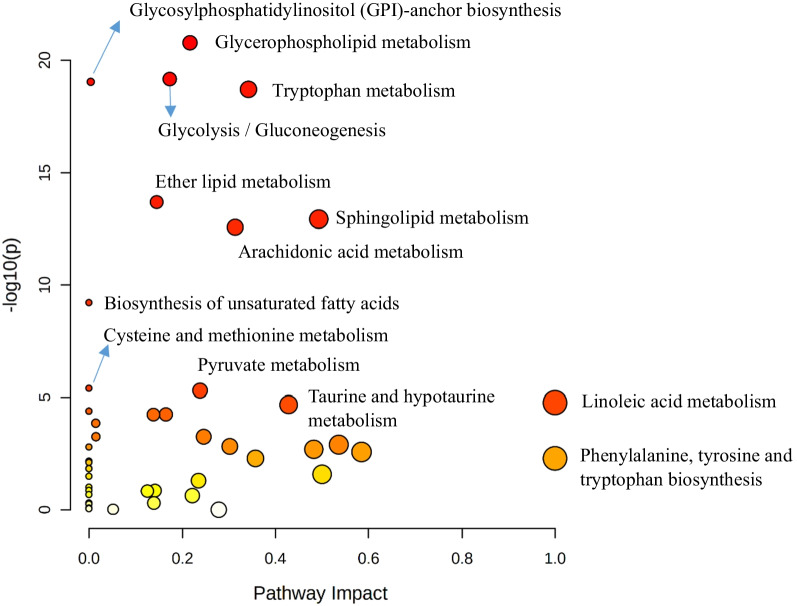
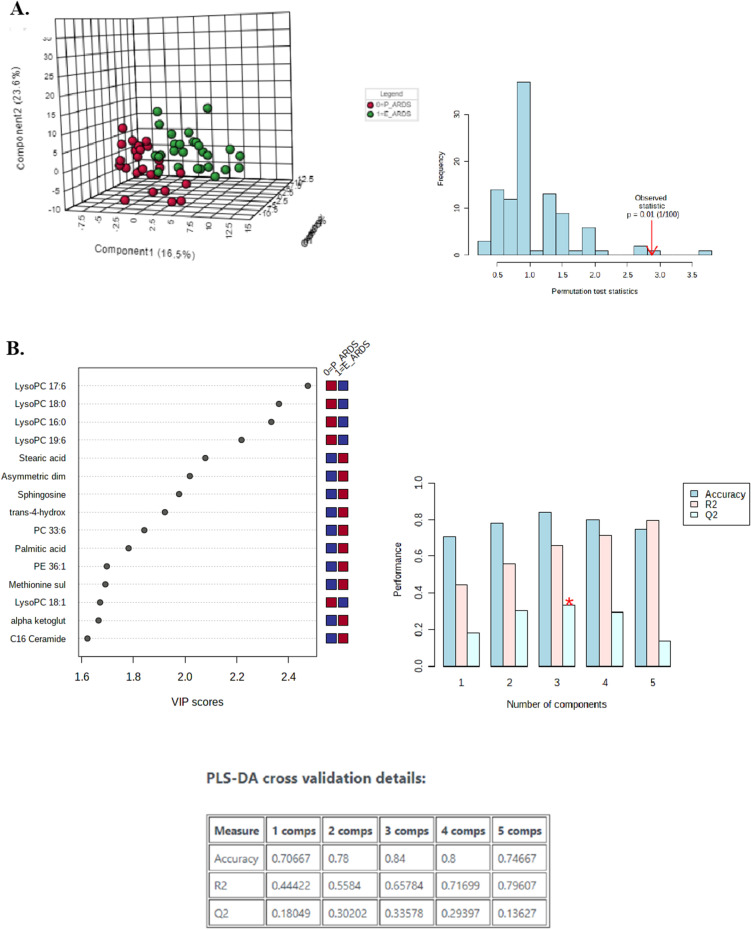
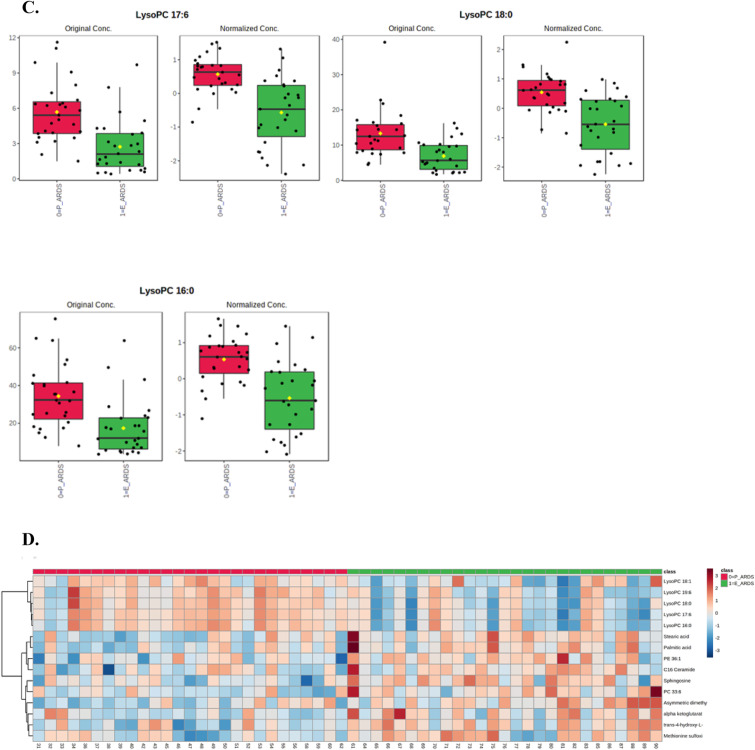
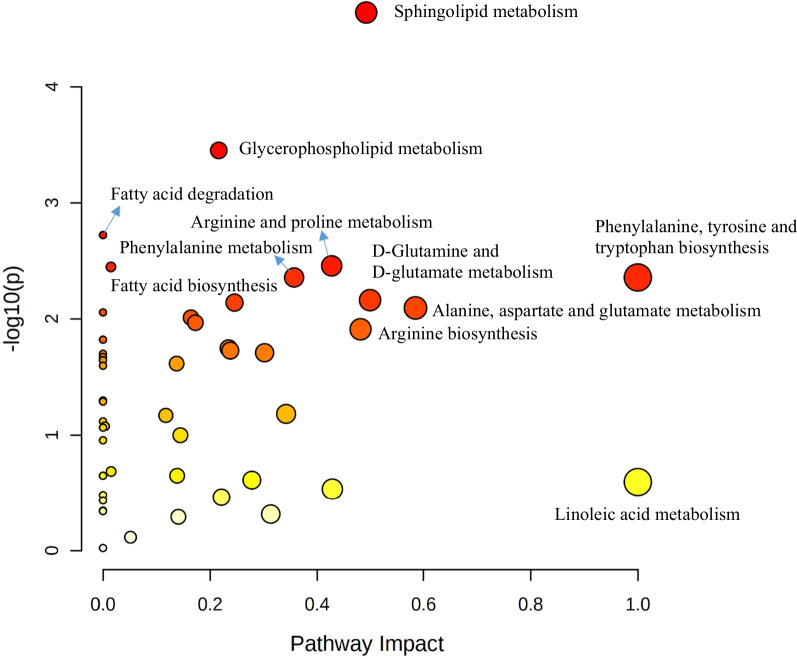
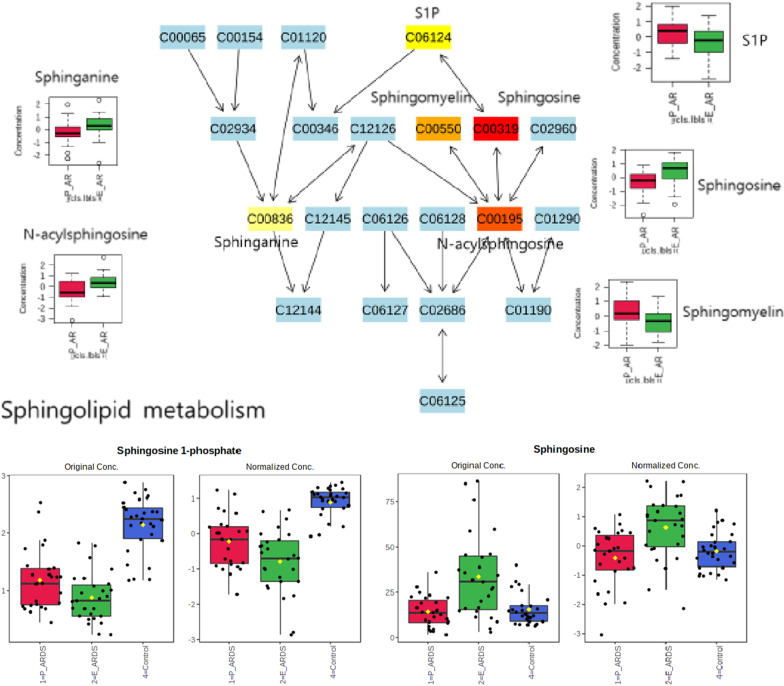
Results: In total, 186 metabolites were detected. Among them, 102 metabolites could differentiate sepsis-induced ARDS patients from the non-ARDS controls, while 14 metabolites could discriminate sepsis-induced ARDS subphenotypes. Using partial least-squares discriminant analysis, we showed that sepsis-induced ARDS patients were metabolically distinct from the non-ARDS controls. The main distinguishing metabolites were lysophosphatidylethanolamine (lysoPE) plasmalogen, PE plasmalogens, and phosphatidylcholines (PCs). Sepsis-induced direct and indirect ARDS were also metabolically distinct subgroups, with differences in lysoPCs. Glycerophospholipid and sphingolipid metabolism were the most significant metabolic pathways involved in sepsis-induced ARDS biology and in sepsis-induced direct/indirect ARDS, respectively.
Conclusion: Our study demonstrated a marked difference in metabolic patterns between sepsis-induced ARDS patients and non-ARDS controls, and between sepsis-induced direct and indirect ARDS subpheonotypes. The identified metabolites and pathways can provide clues relevant to the diagnosis and treatment of individuals with ARDS.
Keywords: Adult; Biomarkers; Metabolomics; Pathways; Respiratory distress syndrome; Sepsis.
© 2023. The Author(s).
Conflict of interest statement
All authors report no conflict of interest.
Figures
References
-
- Villar J, Blanco J, Anon JM, Santos-Bouza A, Blanch L, Ambros A, Gandia F, Carriedo D, Mosteiro F, Basaldua S, et al. The ALIEN study: incidence and outcome of acute respiratory distress syndrome in the era of lung protective ventilation. Intensive Care Med. 2011;37(12):1932–1941. doi: 10.1007/s00134-011-2380-4. - DOI - PubMed
-
- Gajic O, Dabbagh O, Park PK, Adesanya A, Chang SY, Hou P, Anderson H, 3rd, Hoth JJ, Mikkelsen ME, Gentile NT, et al. Early identification of patients at risk of acute lung injury: evaluation of lung injury prediction score in a multicenter cohort study. Am J Respir Crit Care Med. 2011;183(4):462–470. doi: 10.1164/rccm.201004-0549OC. - DOI - PMC - PubMed
-
- Hoelz C, Negri EM, Lichtenfels AJ, Concecao GM, Barbas CS, Saldiva PH, Capelozzi VL. Morphometric differences in pulmonary lesions in primary and secondary ARDS. A preliminary study in autopsies. Pathol Res Pract. 2001;197(8):521–530. - PubMed
MeSH terms
Substances
Grants and funding
LinkOut - more resources
Full Text Sources
Other Literature Sources
Medical
