


Extrinsic and intrinsic modulators of inflammation-resolution signaling in heart failure
- PMID: 37417877
- PMCID: PMC10538986
- DOI: 10.1152/ajpheart.00276.2023
Extrinsic and intrinsic modulators of inflammation-resolution signaling in heart failure
Abstract
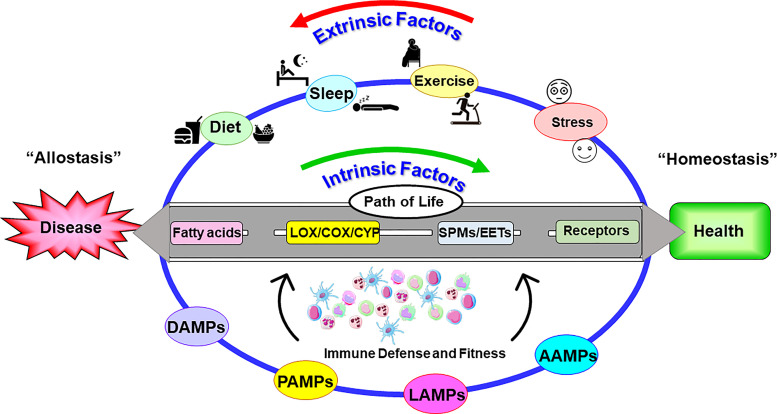
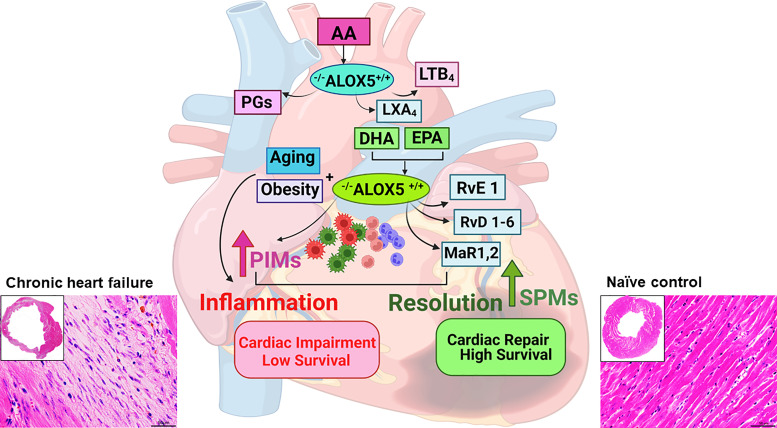
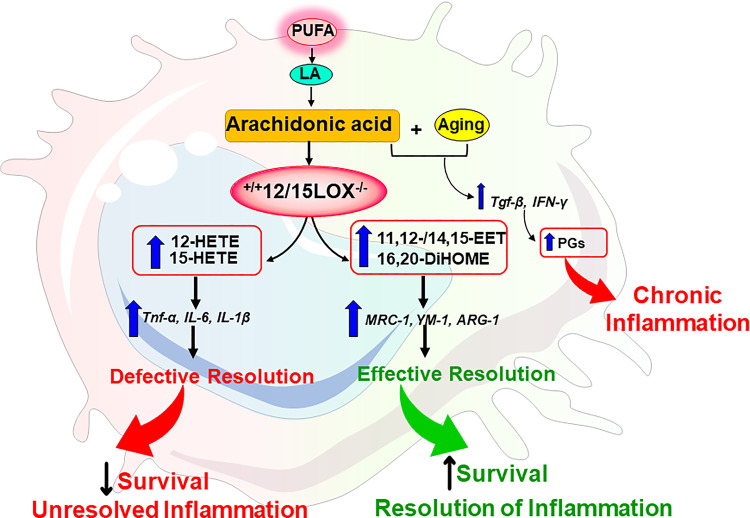
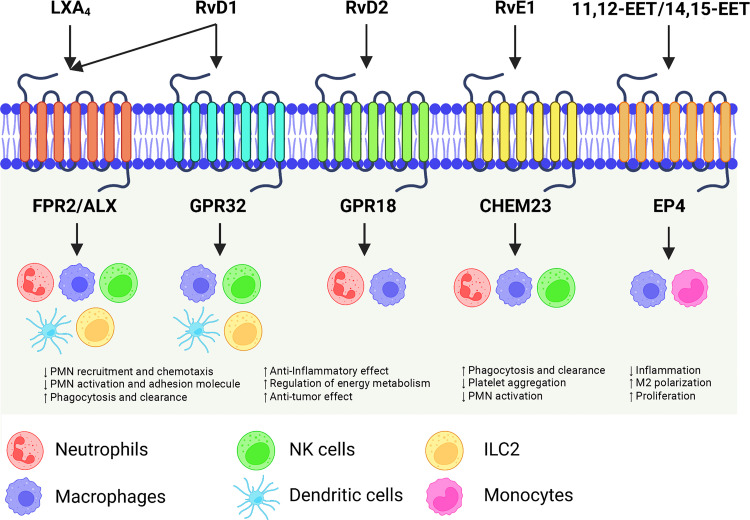
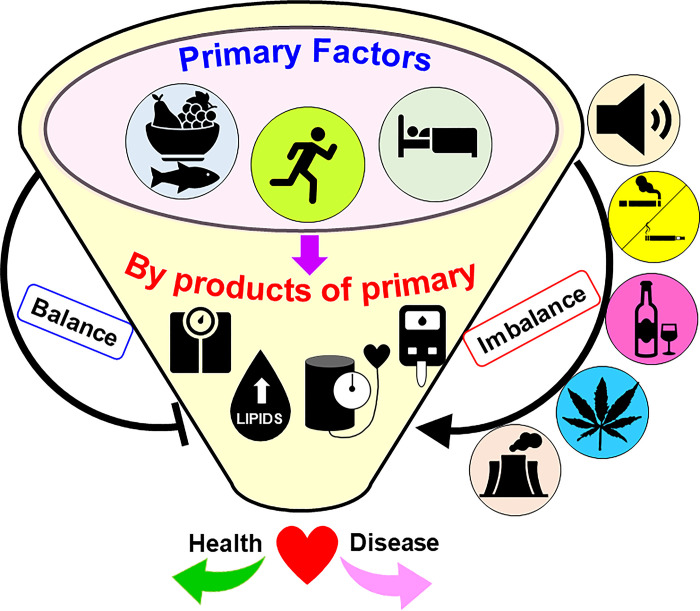
Chronic and uncleared inflammation is the root cause of various cardiovascular diseases. Fundamentally, acute inflammation is supportive when overlapping with safe clearance of inflammation termed resolution; however, if the lifestyle-directed extrinsic factors such as diet, sleep, exercise, or physical activity are misaligned, that results in unresolved inflammation. Although genetics play a critical role in cardiovascular health, four extrinsic risk factors-unhealthy processed diet, sleep disruption or fragmentation, sedentary lifestyle, thereby, subsequent stress-have been identified as heterogeneous and polygenic triggers of heart failure (HF), which can result in several complications with indications of chronic inflammation. Extrinsic risk factors directly impact endogenous intrinsic factors, such as using fatty acids by immune-responsive enzymes [lipoxygenases (LOXs)/cyclooxygenases (COXs)/cytochromes-P450 (CYP450)] to form resolution mediators that activate specific resolution receptors. Thus, the balance of extrinsic factors such as diet, sleep, and physical activity feed-forward the coordination of intrinsic factors such as fatty acids-enzymes-bioactive lipid receptors that modulates the immune defense, metabolic health, inflammation-resolution signaling, and cardiac health. Future research on lifestyle- and aging-associated molecular patterns is warranted in the context of intrinsic and extrinsic factors, immune fitness, inflammation-resolution signaling, and cardiac health.
Keywords: chronic inflammation; heart failure; inflammation-resolution signaling; intrinsic-extrinsic factors; lifestyle-associated molecular patterns.
Conflict of interest statement
No conflicts of interest, financial or otherwise, are declared by the authors.
Figures
References
-
- Arnett DK, Blumenthal RS, Albert MA, Buroker AB, Goldberger ZD, Hahn EJ, Himmelfarb CD, Khera A, Lloyd-Jones D, McEvoy JW, Michos ED, Miedema MD, Muñoz D, Smith SC, Virani SS, Williams KA, Yeboah J, Ziaeian B. 2019 ACC/AHA guideline on the primary prevention of cardiovascular disease: a report of the American College of Cardiology/American Heart Association Task Force on Clinical Practice Guidelines. Circulation 140: e596–e646, 2019. [Erratum in Circulation 140: e649–e650, 2019]. doi: 10.1161/CIR.0000000000000678. - DOI - PMC - PubMed
-
- Kain V, Van Der Pol W, Mariappan N, Ahmad A, Eipers P, Gibson DL, Gladine C, Vigor C, Durand T, Morrow C, Halade GV. Obesogenic diet in aging mice disrupts gut microbe composition and alters neutrophil:lymphocyte ratio, leading to inflamed milieu in acute heart failure. FASEB J 33: 6456–6469, 2019. doi: 10.1096/fj.201802477R. - DOI - PMC - PubMed
-
- Khera AV, Emdin CA, Drake I, Natarajan P, Bick AG, Cook NR, Chasman DI, Baber U, Mehran R, Rader DJ, Fuster V, Boerwinkle E, Melander O, Orho-Melander M, Ridker PM, Kathiresan S. Genetic risk, adherence to a healthy lifestyle, and coronary disease. N Engl J Med 375: 2349–2358, 2016. doi: 10.1056/NEJMoa1605086. - DOI - PMC - PubMed
Publication types
MeSH terms
Substances
Grants and funding
LinkOut - more resources
Full Text Sources
Medical
Research Materials
Miscellaneous
