


Amphetamine disrupts dopamine axon growth in adolescence by a sex-specific mechanism in mice
- PMID: 37419977
- PMCID: PMC10329029
- DOI: 10.1038/s41467-023-39665-1
Amphetamine disrupts dopamine axon growth in adolescence by a sex-specific mechanism in mice
Abstract
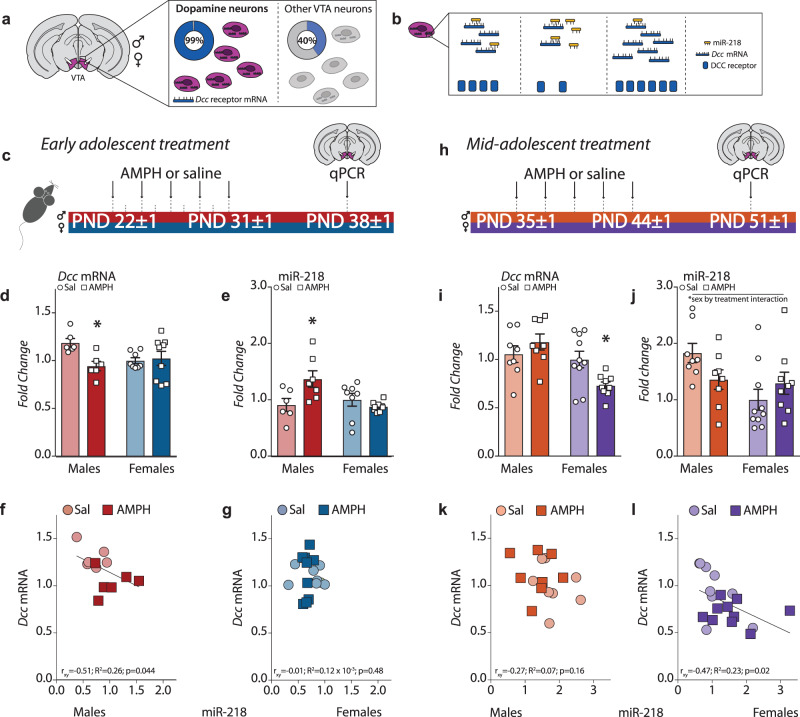
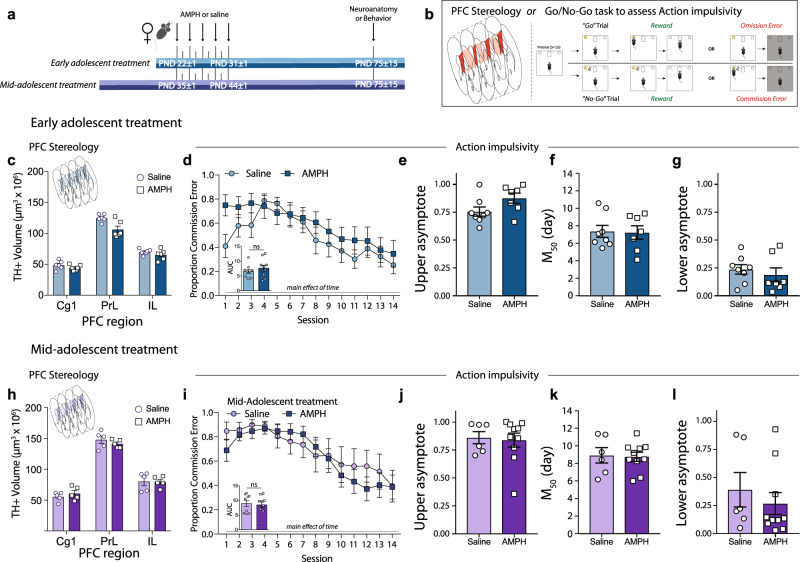
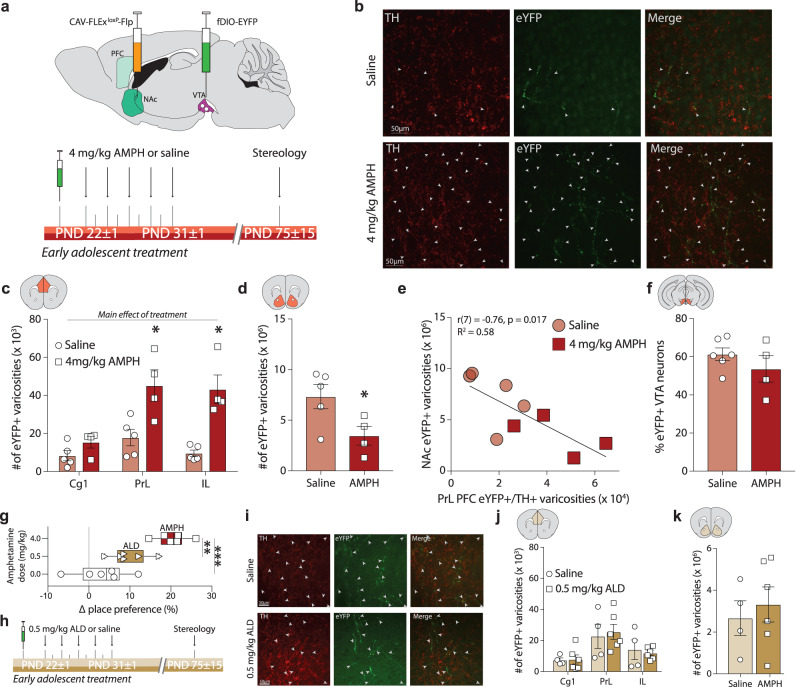
Initiating drug use during adolescence increases the risk of developing addiction or other psychopathologies later in life, with long-term outcomes varying according to sex and exact timing of use. The cellular and molecular underpinnings explaining this differential sensitivity to detrimental drug effects remain unexplained. The Netrin-1/DCC guidance cue system segregates cortical and limbic dopamine pathways in adolescence. Here we show that amphetamine, by dysregulating Netrin-1/DCC signaling, triggers ectopic growth of mesolimbic dopamine axons to the prefrontal cortex, only in early-adolescent male mice, underlying a male-specific vulnerability to enduring cognitive deficits. In adolescent females, compensatory changes in Netrin-1 protect against the deleterious consequences of amphetamine on dopamine connectivity and cognitive outcomes. Netrin-1/DCC signaling functions as a molecular switch which can be differentially regulated by the same drug experience as function of an individual's sex and adolescent age, and lead to divergent long-term outcomes associated with vulnerable or resilient phenotypes.
© 2023. The Author(s).
Conflict of interest statement
The authors declare no competing interests.
Figures


References
-
- Schneider, M. Adolescence as a vulnerable period to alter rodent behavior. Cell Tissue Res.354, 99–106 (2013). - PubMed
Publication types
MeSH terms
Substances
Grants and funding
LinkOut - more resources
Full Text Sources
Research Materials
