


The trauma experiences of children with fetal alcohol spectrum disorders: Developmental outcomes utilizing a threat/deprivation child adversity framework
- PMID: 37423769
- PMCID: PMC11441095
- DOI: 10.1111/acer.15144
The trauma experiences of children with fetal alcohol spectrum disorders: Developmental outcomes utilizing a threat/deprivation child adversity framework
Abstract
Background: Individuals with fetal alcohol spectrum disorders (FASD) experience heightened rates of childhood trauma and adversity. Research has examined the negative impact adverse childhood experiences have on developmental outcomes. This study aims to take the field a step further by examining the details of traumatic events, including duration, perpetrator, whether the event significantly impacted the child, and trauma subtype. Subtype is examined using threat/deprivation dimensions and their relation to child behavior and the caregiver-child relationship.
Methods: A sample of 84 children aged 4-12 with FASD, all in out-of-home placements, and their families took part in an emotion coaching intervention study. At baseline, caregivers completed questionnaires assessing child trauma, child emotion regulation and behavior, caregiver emotion socialization, and caregiver-child relationships. We used analysis of covariance to examine the differing impacts of threat, deprivation, and a combination of the two on behavioral outcomes, while controlling for age. We also used Pearson's r correlations, controlling for age, to examine whether the duration of threat or deprivation exposure was related to child outcomes.
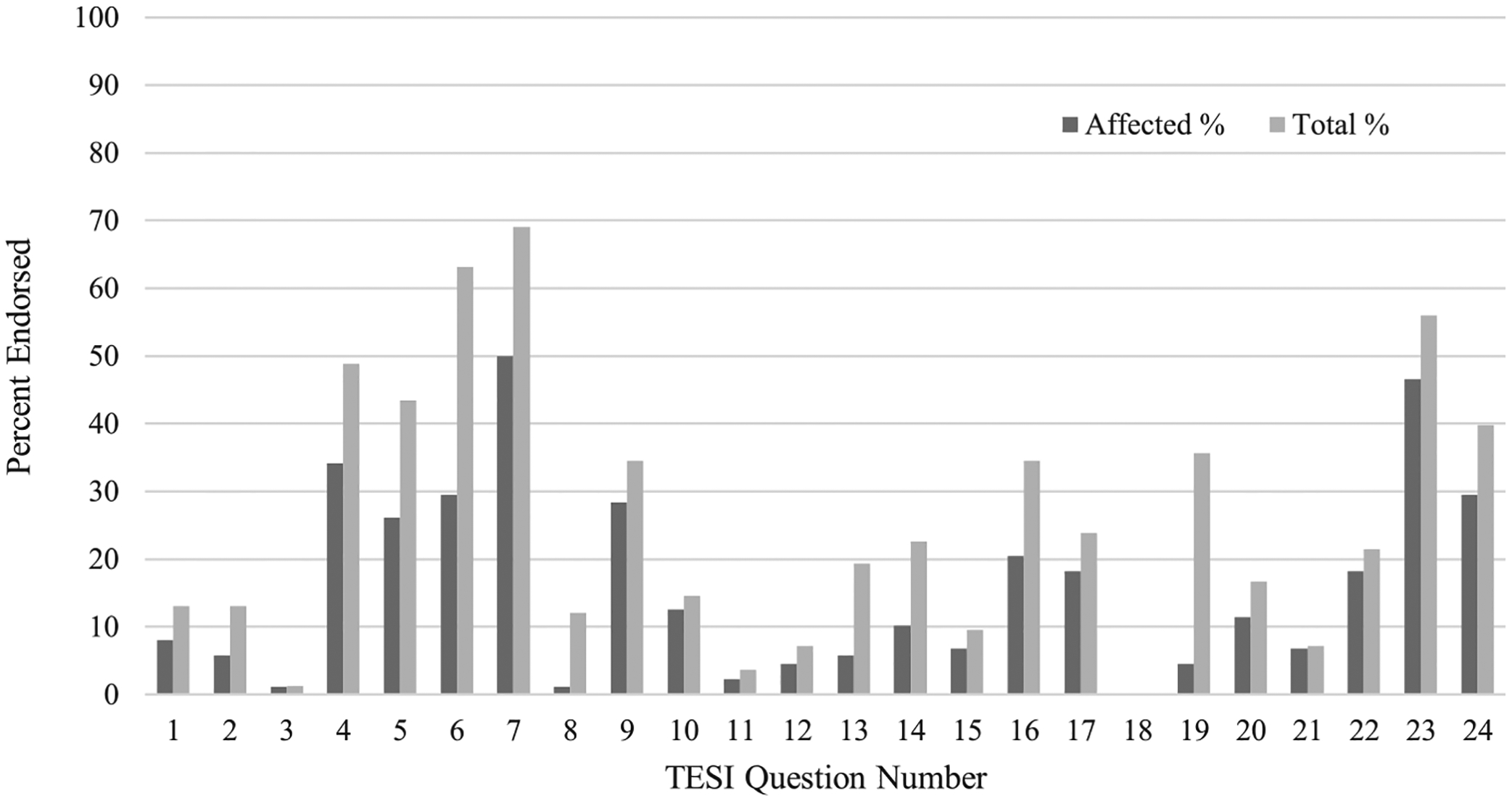
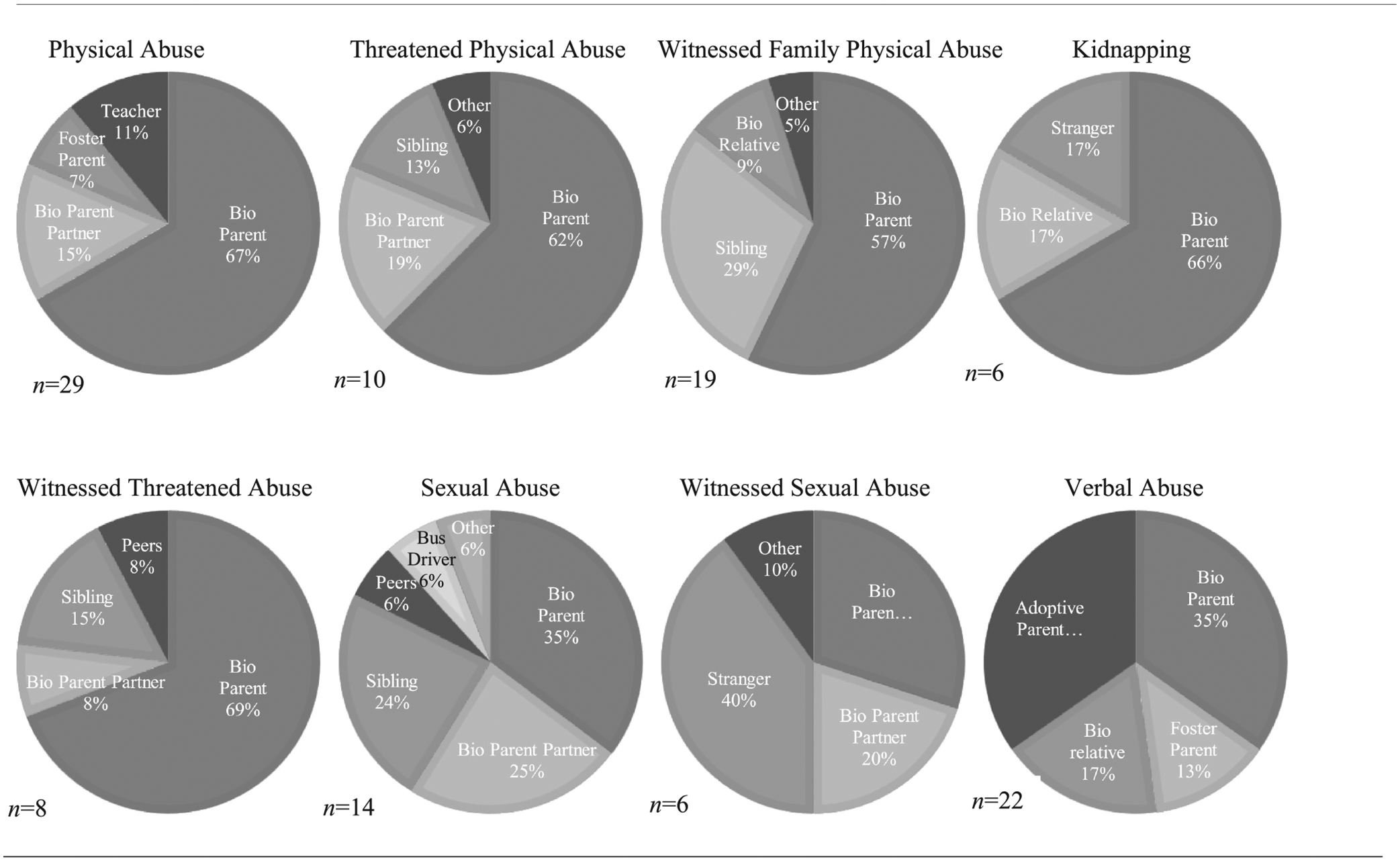
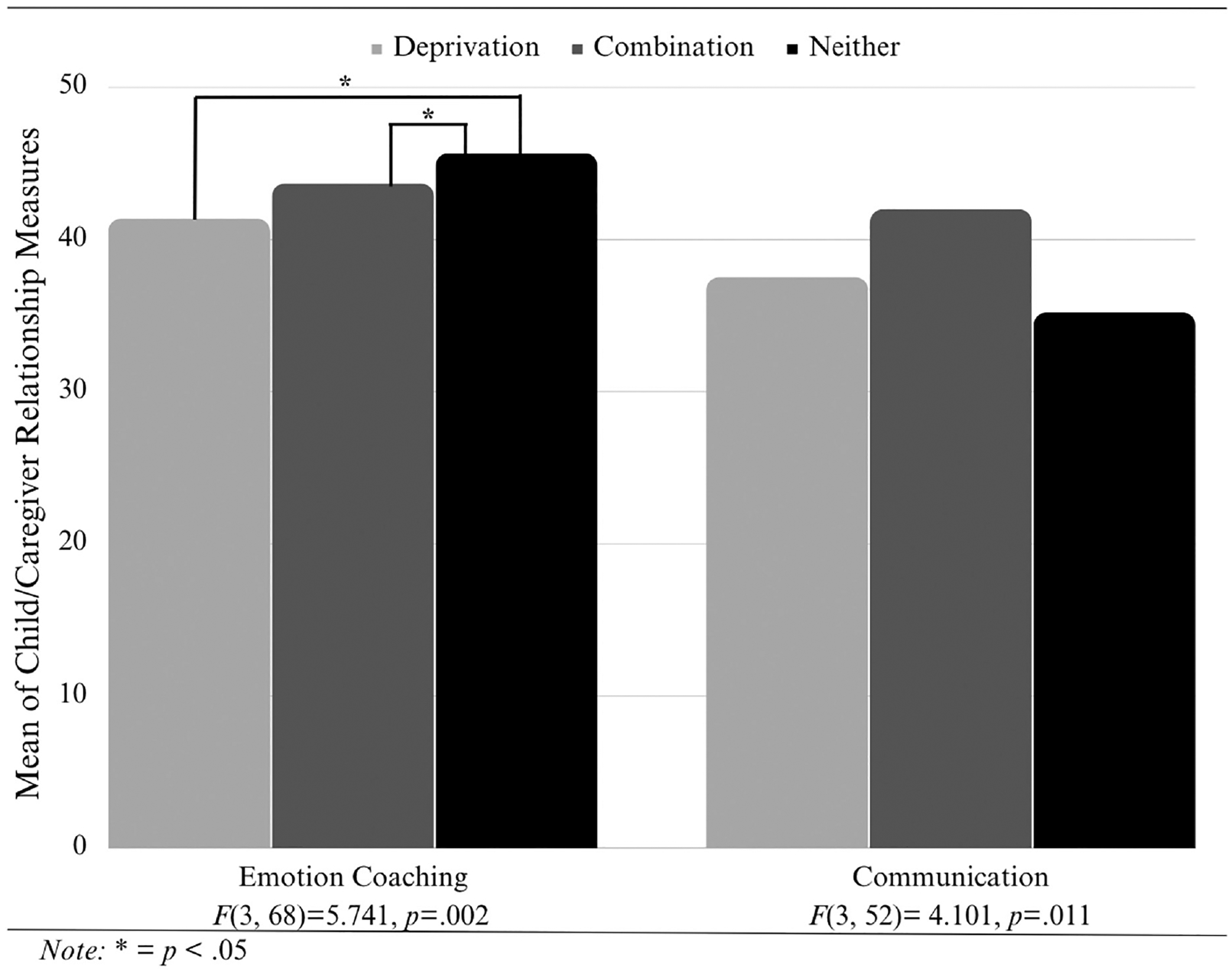
Results: Descriptive statistics showed that 87.5% of individuals experienced three or more subtypes of trauma. The average duration of all subtypes was 1.62 years, with a mean onset of 3.94 years. Biological parents were the most common perpetrator. There were significantly worse behavioral and caregiver-child relationship outcomes for children experiencing a combination of threat and deprivation trauma. A r correlations, controlling for age, demonstrated longer duration of deprivation was associated with greater cognitive difficulties.
Conclusions: We found unique patterns of behavior in children with FASD when analyzing the impact of traumatic experiences through a threat/deprivation framework. The combination of both threat and deprivation experiences leads to worse outcomes overall. Additionally, vital details surrounding the traumatic experiences point to crucial areas for intervention, including caregiver-child relationships.
Keywords: FASD; early life adversity; fetal alcohol; prenatal alcohol exposure; trauma.
© 2023 by the Research Society on Alcohol.
Conflict of interest statement
CONFLICT OF INTEREST STATEMENT
The authors have no conflicts of interest to disclose.
Figures
References
-
- Altmann RA, Reynolds CR, Kamphaus RW & Vannest KJ (2017) BASC-3. In: Kreutzer J, DeLuca J & Caplan B (Eds.) Encyclopedia of clinical neuropsychology. Cham: Springer International Publishing, pp. 1–7. Available from: 10.1007/978-3-319-56782-2_1524-2 - DOI
-
- American Psychiatric Association. (2013) Diagnostic and statistical manual of mental disorders: DSM-5, 5th edition, Washington, DC: American Psychiatric Publishing.
-
- Berent R, Crusto CA, Lotyczewski BS, Greenberg SR, Hightower AD & Kaufman JS (2008) Development and psychometric refinement of a measure assessing young Children’s exposure to violence. Best Practices in Mental Health, 4, 19–30.
Grants and funding
LinkOut - more resources
Full Text Sources
