


A Systematic Review of Omega-3 Consumption and Neuroprotective Cognitive Outcomes
- PMID: 37426732
- PMCID: PMC10328206
- DOI: 10.1177/15598276221117102
A Systematic Review of Omega-3 Consumption and Neuroprotective Cognitive Outcomes
Abstract
Context: While a great deal of interest has been accorded to the cognitive effects of n-3 long-chain polyunsaturated fatty acids (LC PUFAs), there is a need for systematic review data that assess this outcome across the lifespan, accounting for population differences and highlighting methodological limitations of extant studies.
Objective: This systematic review addresses the effects of n-3s on human cognition and provides an overview on the current state of research and recommendations for future efforts.
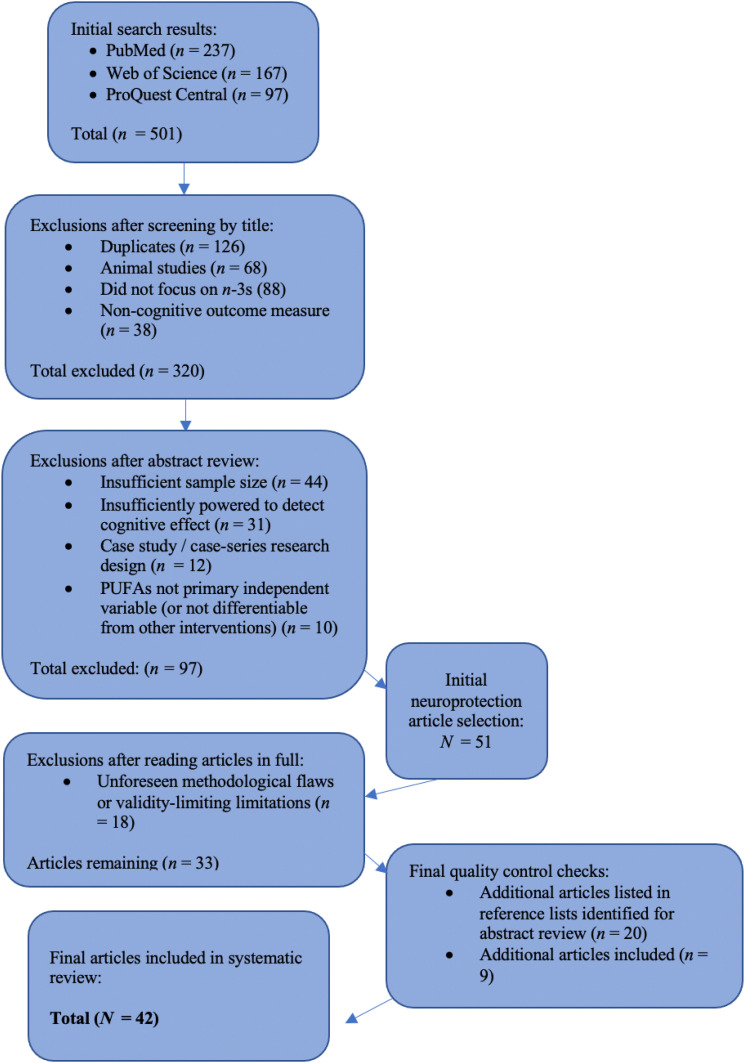
Data sources: Based on a thorough review of highly powered articles from PubMed (MEDLINE), Web of Science, and ProQuest Central, the authors evaluated articles published between 2000 and 2020 assessing LC PUFA status on cognition as a primary outcome measure. Using the PRISMA guidelines, the researchers' primary aim was to provide a comprehensive overview of the articles.
Conclusions: The results indicate inconsistent effects of intervention, with benefits for specific groups on specific outcomes. Although results were rarely definitive across cognitive domains, and the majority of studies indicated the presence of a possible threshold effect in which LC PUFA needs were already being met, and supplementation did not have an additional effect, there is evidence for trends towards benefit in cognitive functions, in those experiencing early cognitive decline.
Keywords: Alzheimer’s; Omega-3; cognitive impairment; dementia; supplement.
Copyright © 2022 The Author(s).
Conflict of interest statement
The author(s) declared no potential conflicts of interest with respect to the research, authorship, and/or publication of this article.
References
-
- Benton D, Donohoe RT, Clayton DE, Long SJ. Supplementation with DHA and the psychological functioning of young adults. Br J Nutr. 2013;109:155-161. - PubMed
-
- Hornstra G. Essential fatty acids in mothers and their neonates. Am J Clin Nutr. 2000;71:1262S-1269S. - PubMed
-
- Bountziouka V, Polychronopoulos E, Zeimbekis A, et al. Long-term fish intake is associated with less severe depressive symptoms among elderly men and women: The MEDIS (MEDiterranean ISlands Elderly) Epidemiological Study. J Aging Health. 2009;21:864-880. - PubMed
-
- Nooyens ACJ, van Gelder BM, Bueno-de-Mesquita HB, van Boxtel MPJ, Verschuren WMM. Fish consumption, intake of fats and cognitive decline at middle and older age: The Doetinchem Cohort Study. Eur J Nutr. 2018;57:1667-1675. - PubMed
Publication types
LinkOut - more resources
Full Text Sources
Miscellaneous