


A Case of Disseminated Melioidosis With Cerebritis
- PMID: 37431364
- PMCID: PMC10329843
- DOI: 10.7759/cureus.40182
A Case of Disseminated Melioidosis With Cerebritis
Abstract
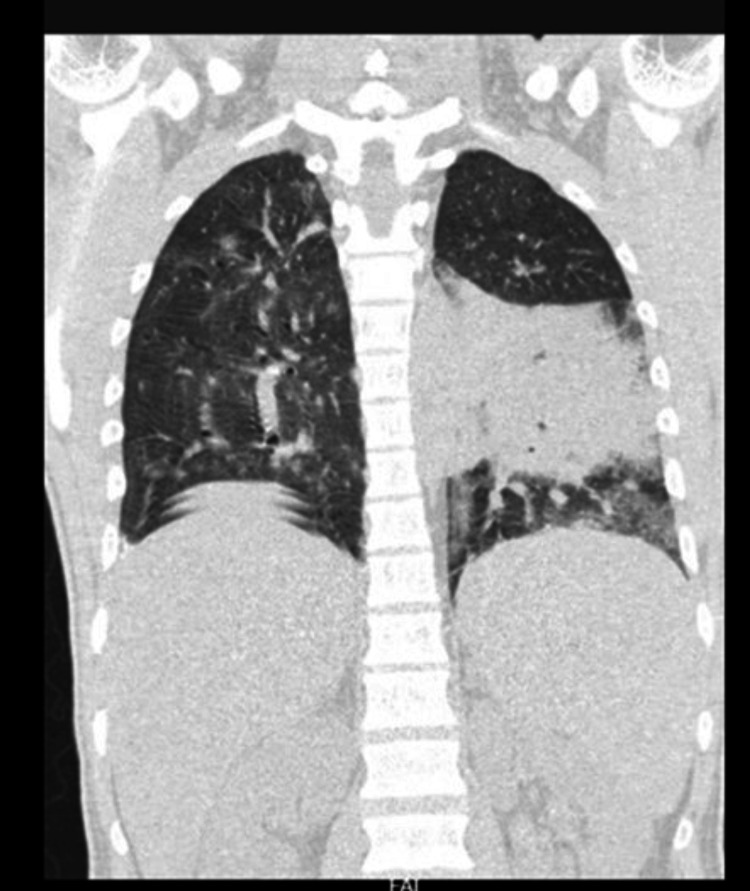
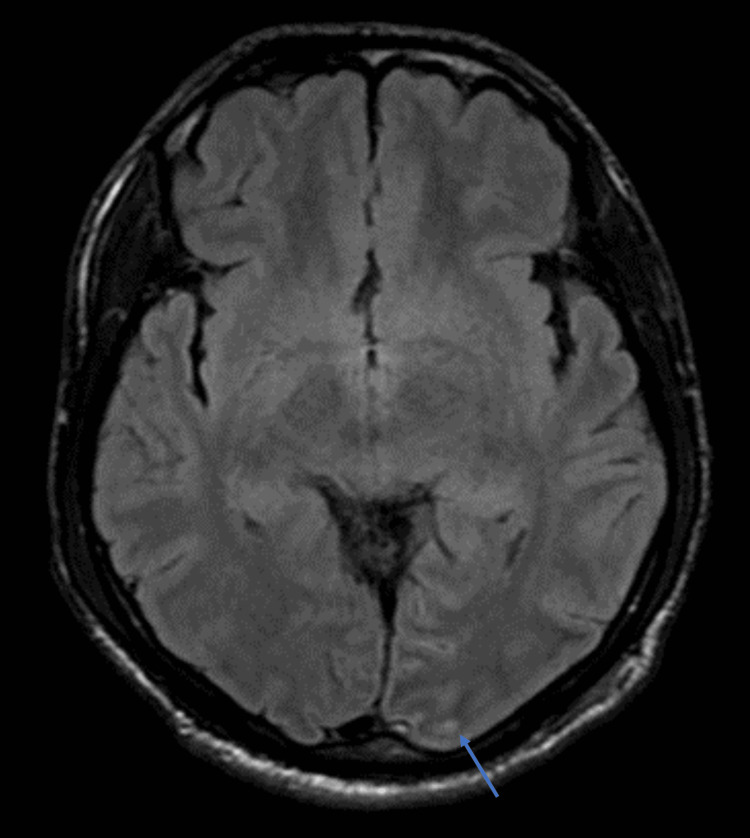
Melioidosis is caused by Burkholderia pseudomallei, a Gram-negative, facultative intracellular bacterium. Because melioidosis can mimic many diseases, it requires more advanced laboratory facilities with the necessary expertise and can become an underdiagnosed yet serious infection with high mortality and morbidity. Our patient is a middle-aged male with new-onset uncontrolled type 2 diabetes mellitus who presented with high-grade fever, productive cough and altered mental status. CT thorax showed diffuse middle and lower zone consolidation while MRI brain noted meningitis with cerebritis. Blood culture grew Burkholderia pseudomallei. The patient was started on meropenem for melioidosis, however, no adequate improvement was seen. In view of this inadequate response, parenteral cotrimoxazole was added. Significant improvement was noted and cotrimoxazole was continued for six months.
Keywords: cerebritis; dual antibiotic; india; melioidosis; s: burkholderia pseudomallei.
Copyright © 2023, Bhat et al.
Conflict of interest statement
The authors have declared that no competing interests exist.
Figures
References
-
- Melioidosis. Wiersinga WJ, Currie BJ, Peacock SJ. N Engl J Med. 2012;367:1035–1044. - PubMed
-
- Melioidosis: evolving concepts in epidemiology, pathogenesis, and treatment. Currie BJ. Semin Respir Crit Care Med. 2015;36:111–125. - PubMed
-
- Jain S, Iverson LM. StatPearls. Treasure Island, FL: StatPearls Publishing; 2023. Glasgow Coma Scale. - PubMed
-
- The epidemiology of melioidosis in Australia and Papua New Guinea. Currie BJ, Fisher DA, Howard DM, et al. Acta Trop. 2000;74:121–127. - PubMed
Publication types
LinkOut - more resources
Full Text Sources