AKR1C1 overexpression leads to lenvatinib resistance in hepatocellular carcinoma
- PMID: 37435231
- PMCID: PMC10331763
- DOI: 10.21037/jgo-23-277
AKR1C1 overexpression leads to lenvatinib resistance in hepatocellular carcinoma
Abstract
Background: Lenvatinib is an orally administered drug that works as a multi-targeted tyrosine kinase inhibitor. It has been approved as a first-line drug after sorafenib in hepatocellular carcinoma (HCC). However, little is currently known about its treatment, targets, and possible resistance in HCC.
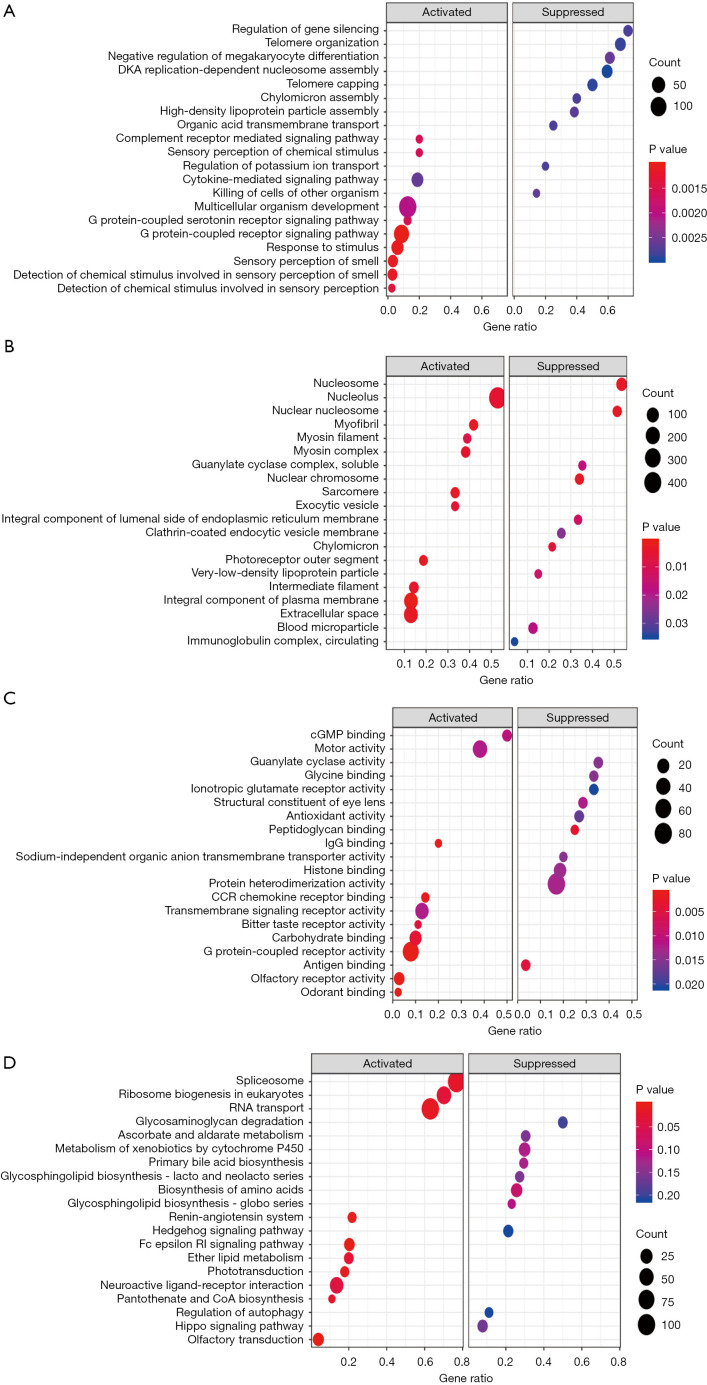
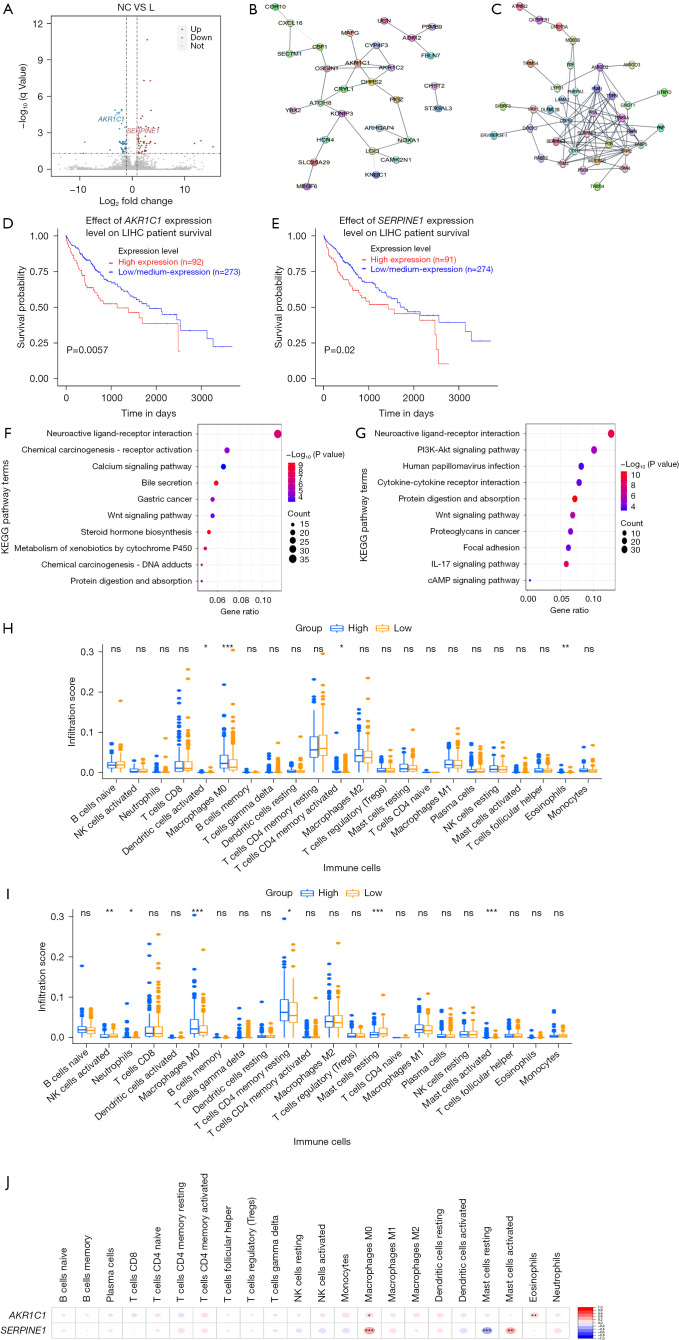
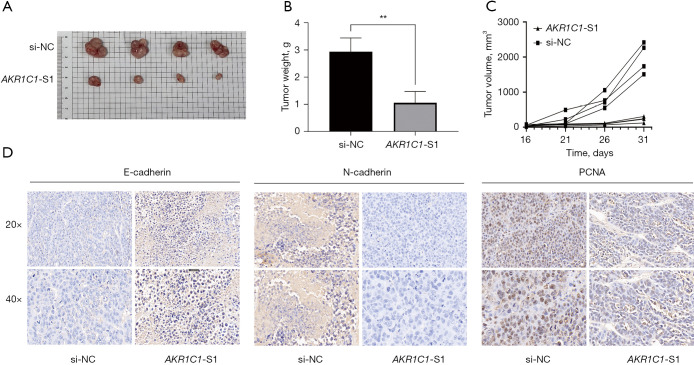
Methods: The proliferation of HCC cells was evaluated using colony formation, 5-ethynyl-2'-deoxyuridine (EDU), wound healing, cell counting kit-8 (CCK-8), and xenograft tumor assays. RNA sequencing (RNA-seq) was utilized to comprehensively examine variations in highly metastatic human liver cancer cells (MHCC-97H) cells (treated with various doses of lenvatinib) at the transcriptomic level. Protein interactions and functions were predicted using Cytoscape-generated networks and Kyoto Encyclopedia of Genes and Genomes (KEGG) enrichment, while the proportions of 22 immune cell types were examined with CIBERSORT. Aldo-keto reductase family 1 member C1 (AKR1C1) expression was verified by quantitative real time polymerase chain reaction (qRT-PCR) or immunohistochemistry in HCC cells and liver tissues. Micro ribonucleic acid (miRNAs) were predicted using online tools and potential drugs were screened using the Genomics of Drug Sensitivity in Cancer (GDSC) database.
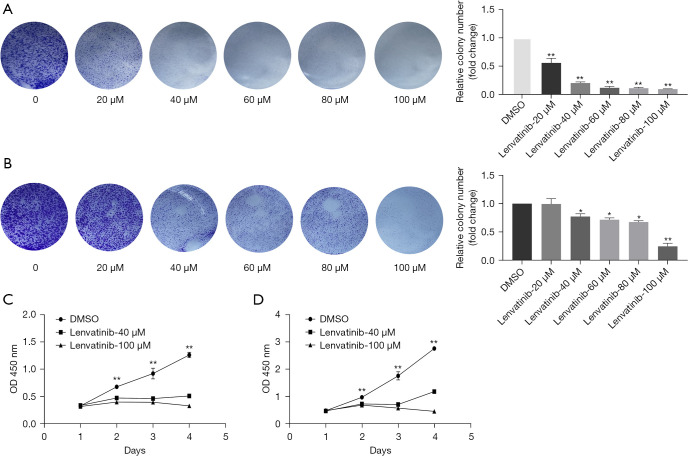
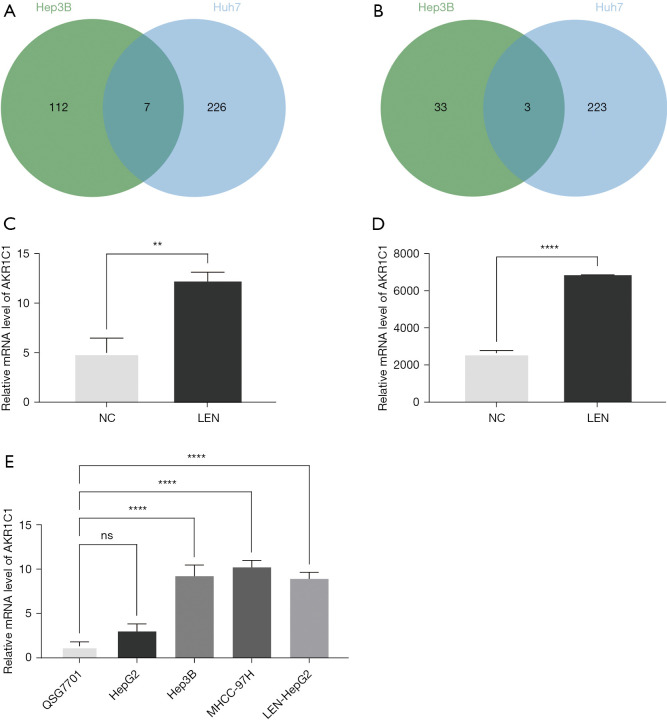
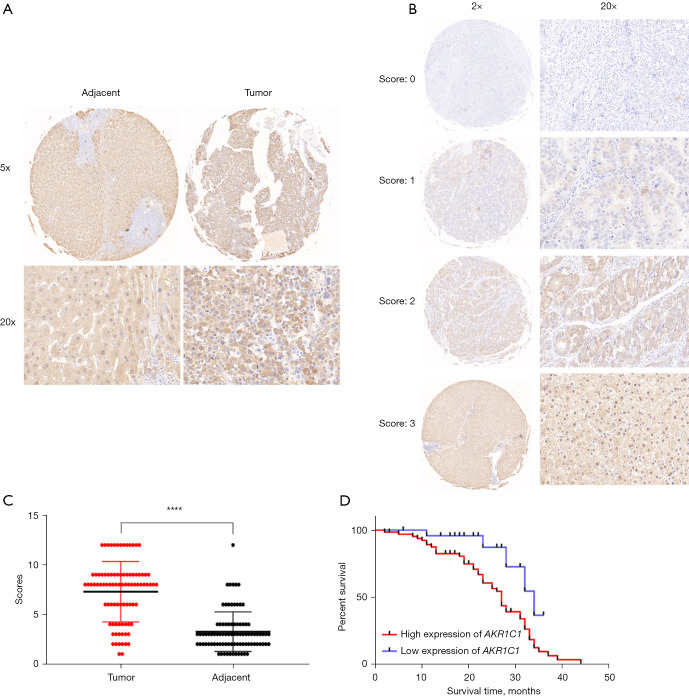
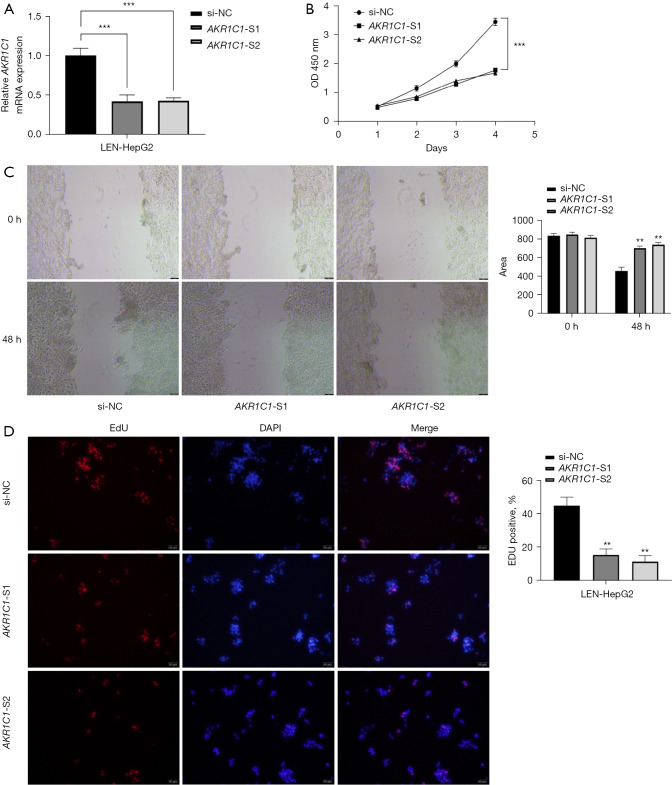
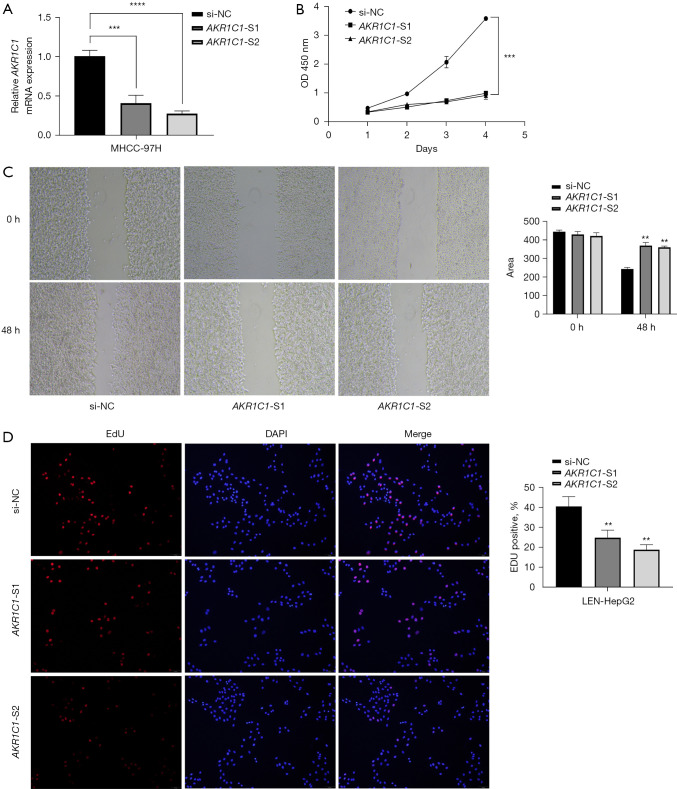
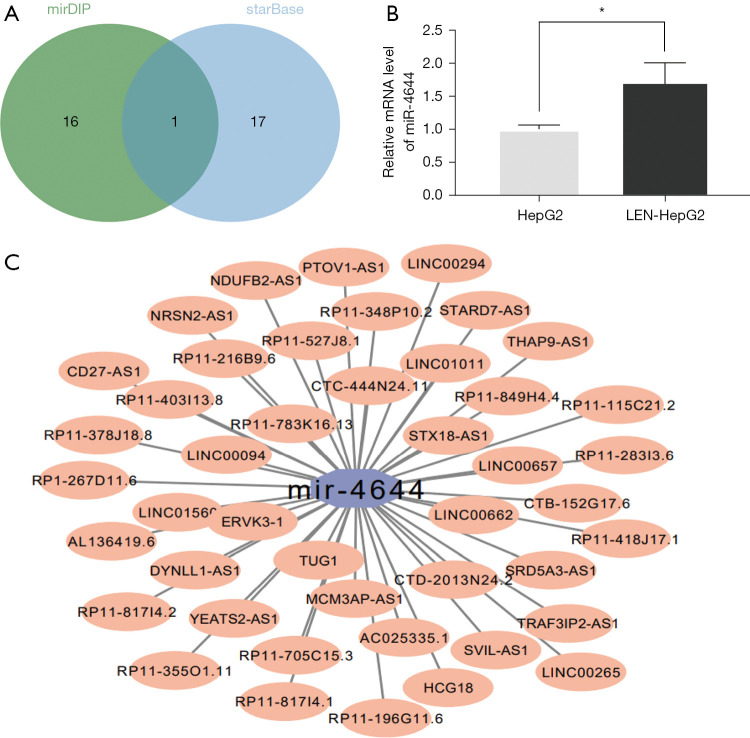
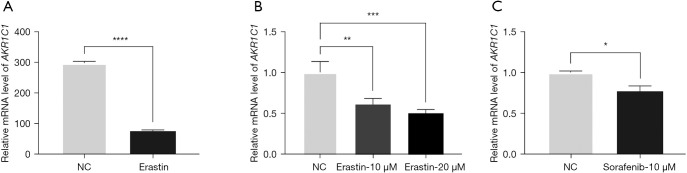
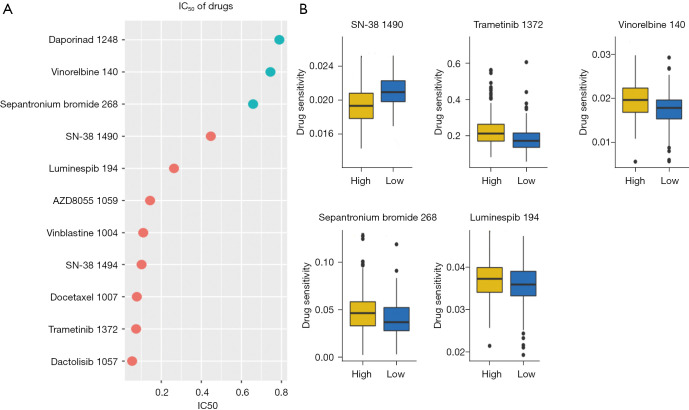
Results: Lenvatinib inhibited the proliferation of HCC cells. The obtained results suggested that an elevated level of AKR1C1 expression was observed in lenvatinib-resistant (LR) cell lines and HCC tissues, whereas low AKR1C1 expression inhibited the proliferation of HCC cells. Circulating microRNA 4644 (miR-4644) was predicted to serve as a promising biomarker for the early diagnosis of lenvatinib resistance. Online data analysis of LR cells showed significant differences in the immune microenvironment and drug sensitivity compared with their parental counterparts.
Conclusions: Taken together, AKR1C1 may serve as a candidate therapeutic target for LR liver cancer patients.
Keywords: Aldo-keto reductase family 1 member C1 (AKR1C1); biomarker; drug sensitivity; hepatocellular carcinoma (HCC); lenvatinib resistance.
2023 Journal of Gastrointestinal Oncology. All rights reserved.
Conflict of interest statement
Conflicts of Interest: All authors have completed the ICMJE uniform disclosure form (available at https://jgo.amegroups.com/article/view/10.21037/jgo-23-277/coif). The authors have no conflicts of interest to declare.
Figures
References
LinkOut - more resources
Full Text Sources
Research Materials