Plasma Microbial Cell-Free DNA Sequencing from over 15,000 Patients Identified a Broad Spectrum of Pathogens
- PMID: 37439686
- PMCID: PMC10446866
- DOI: 10.1128/jcm.01855-22
Plasma Microbial Cell-Free DNA Sequencing from over 15,000 Patients Identified a Broad Spectrum of Pathogens
Abstract
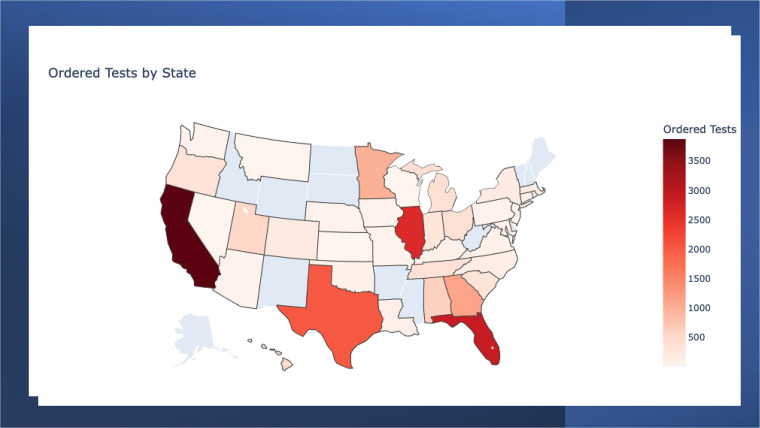
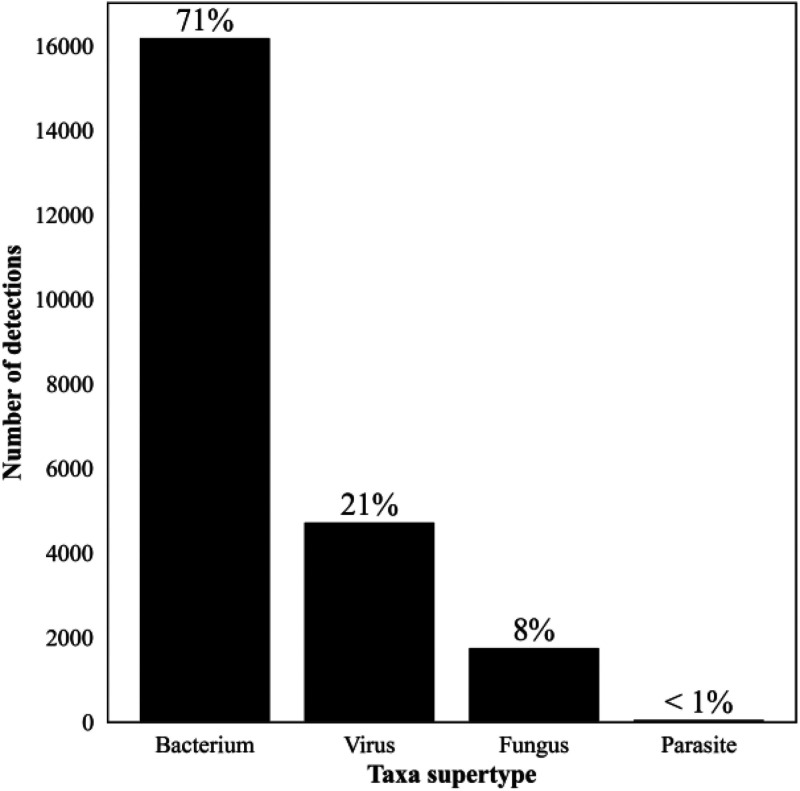
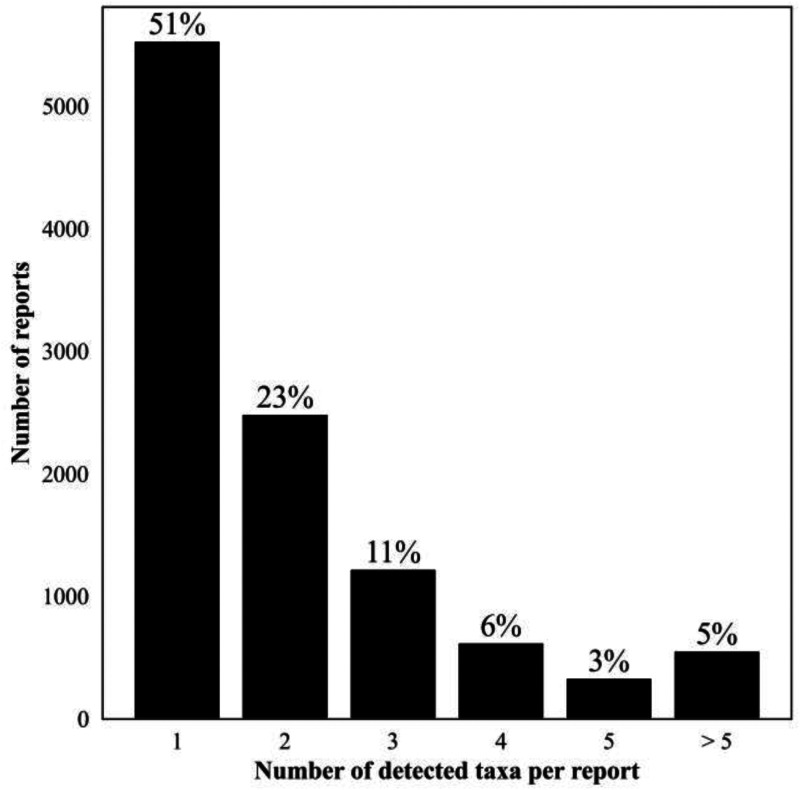
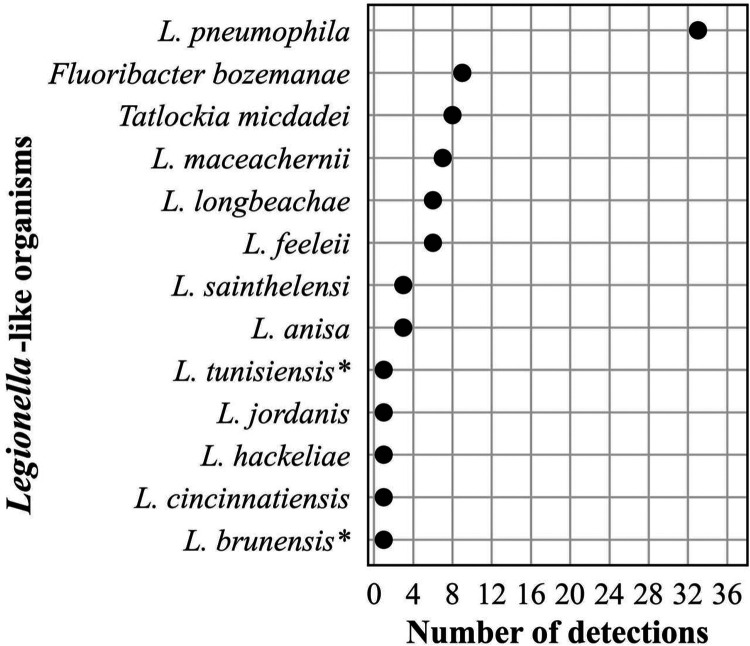
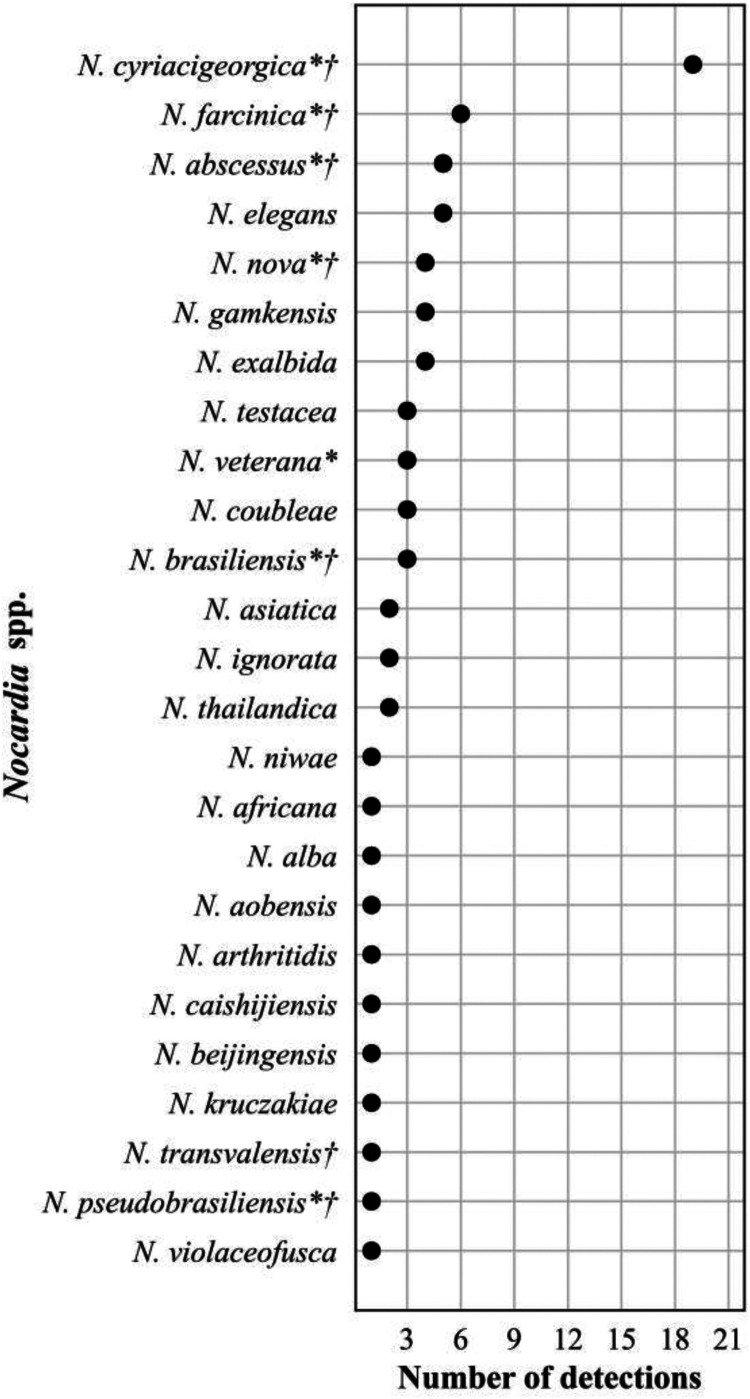
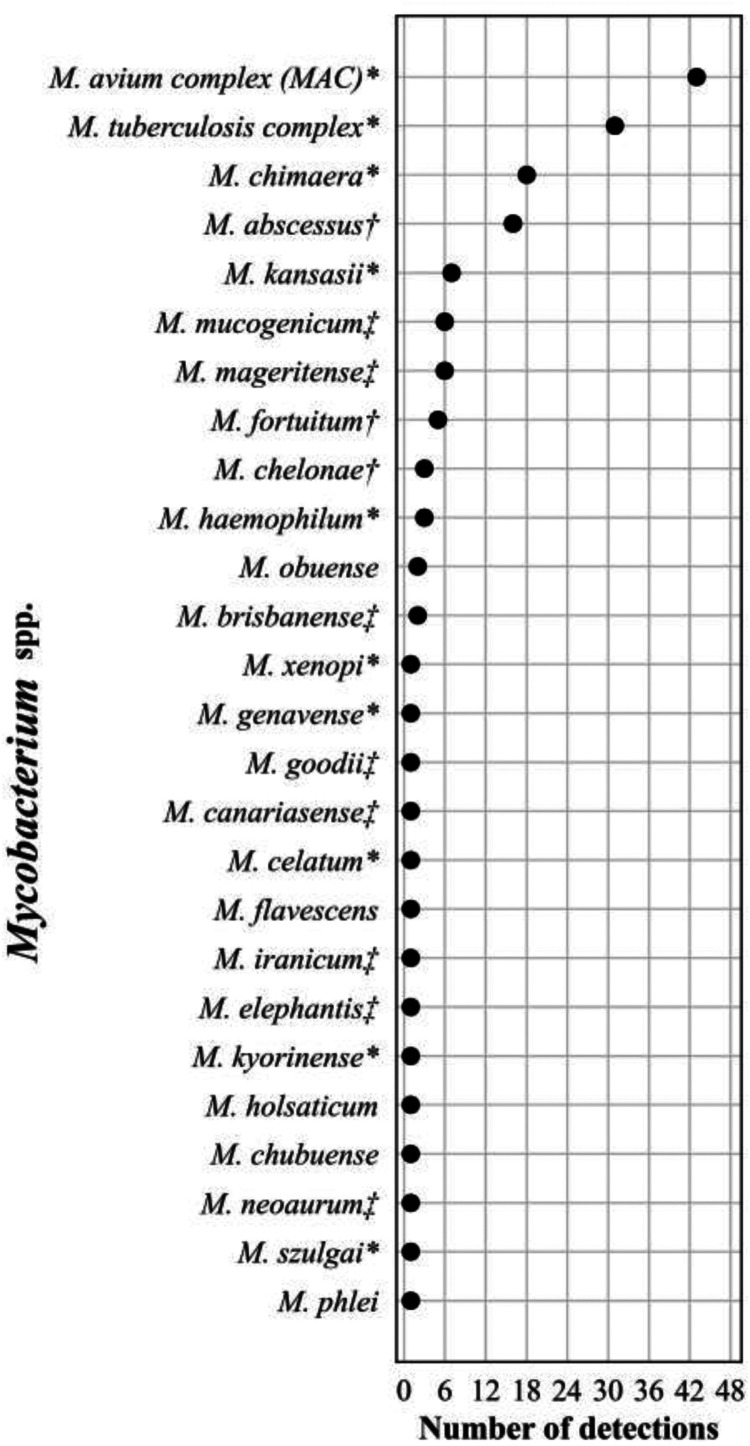
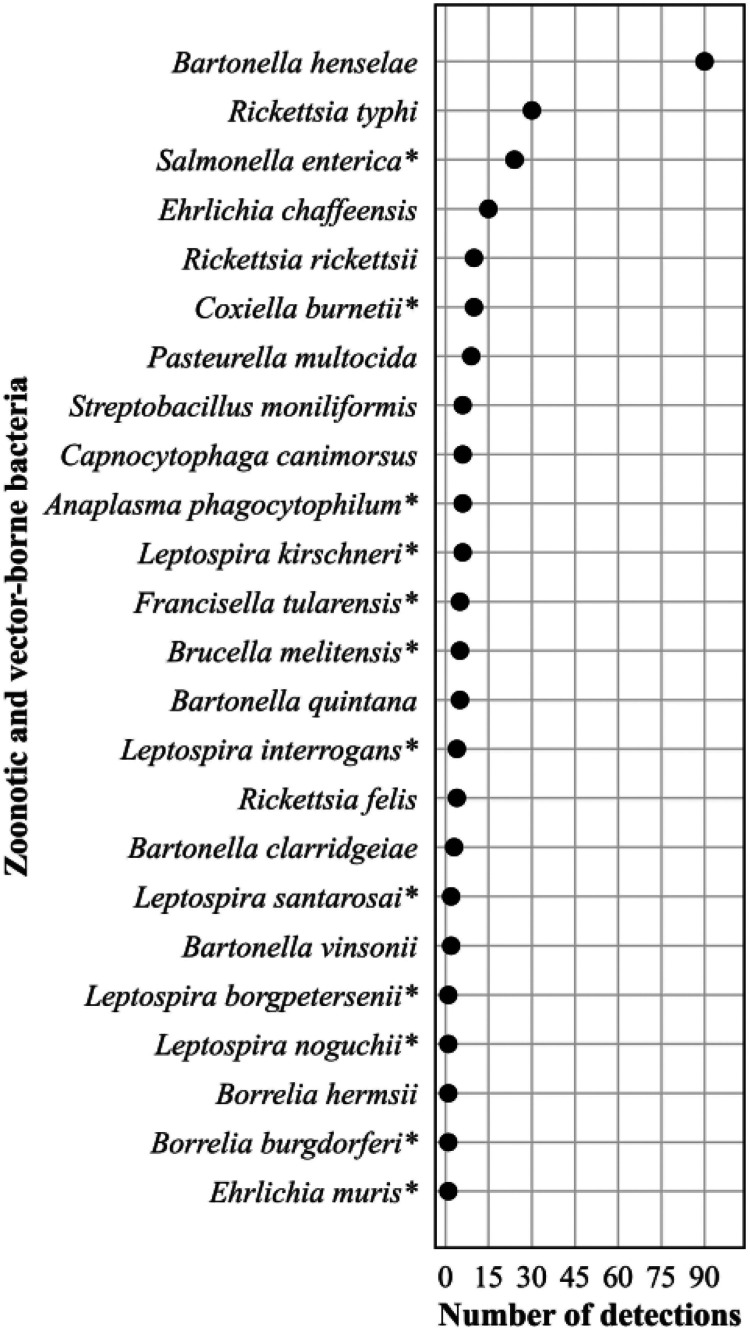
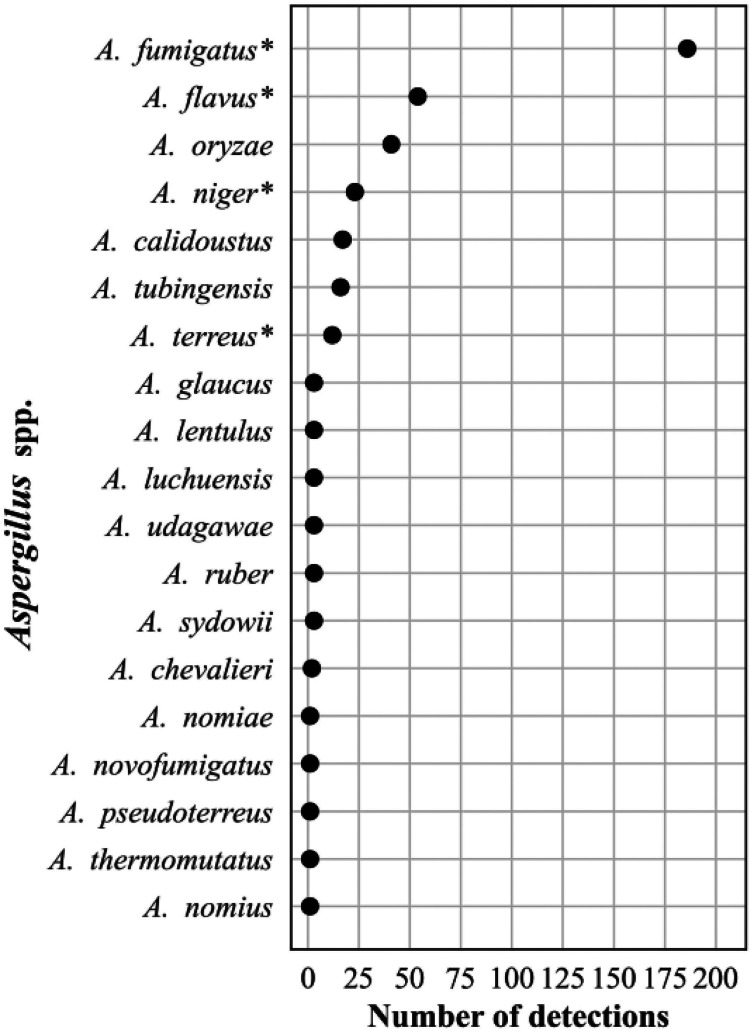
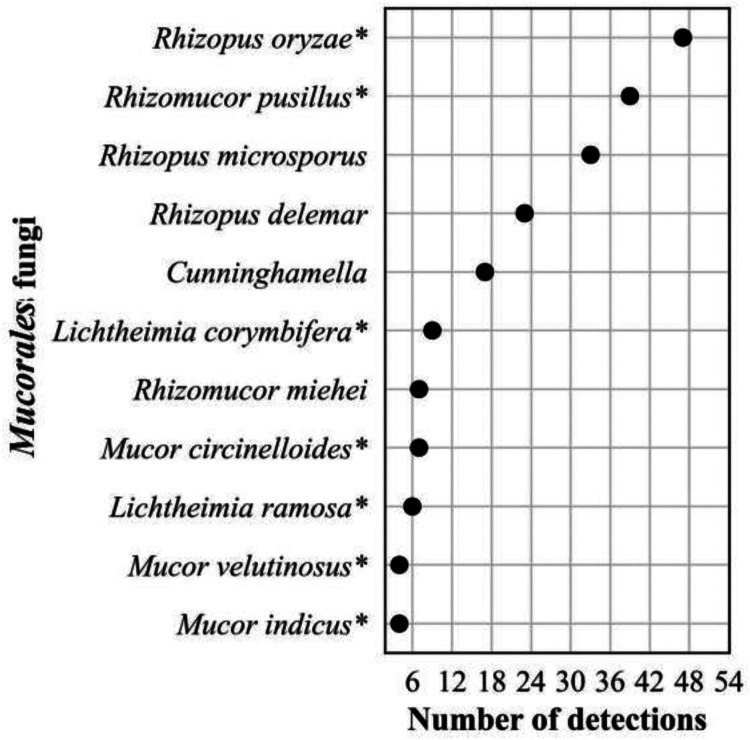
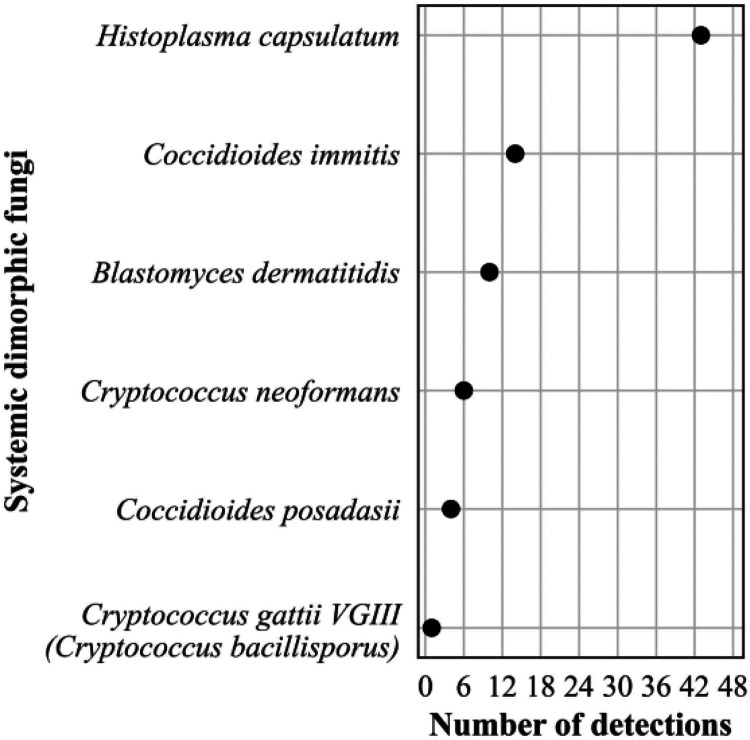
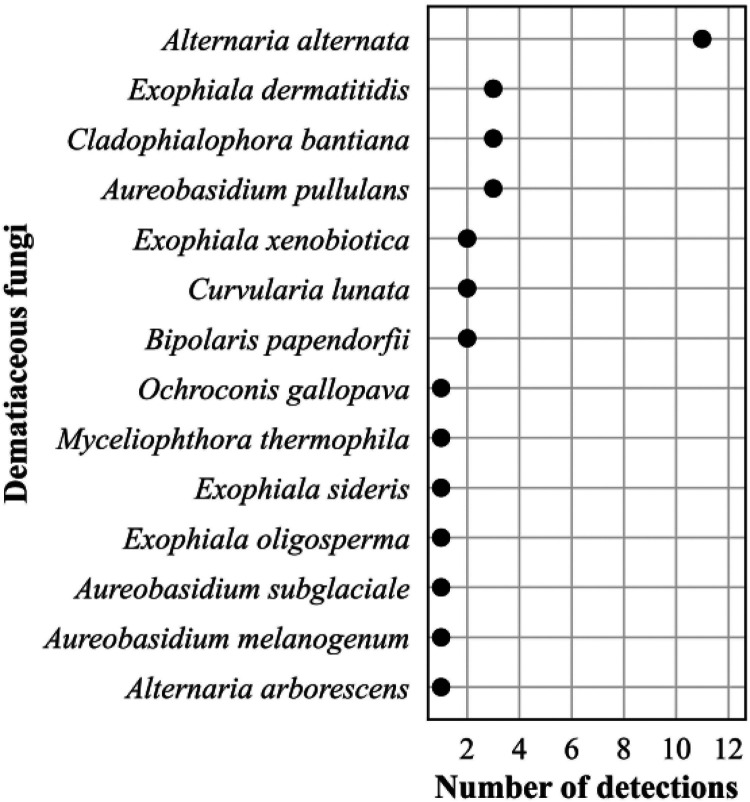
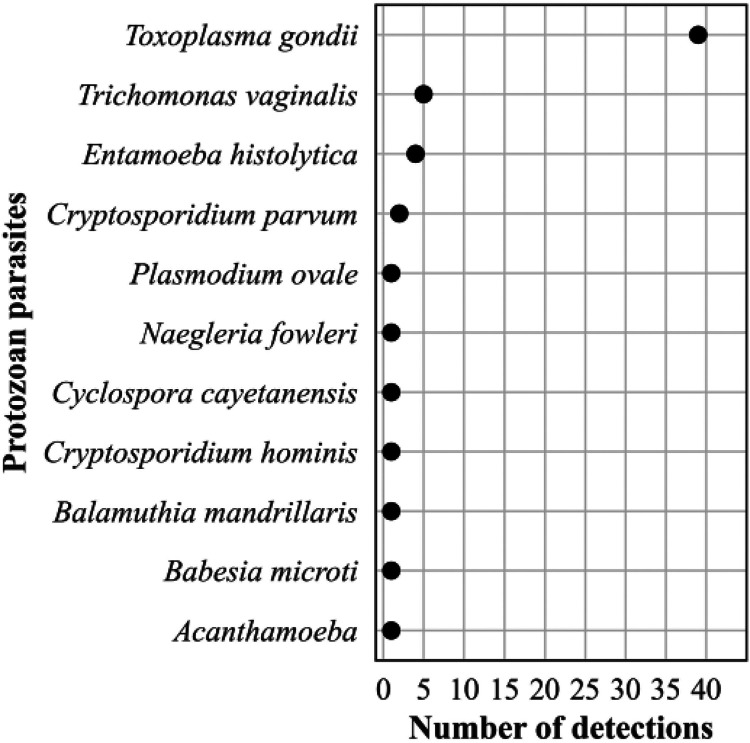
Microbial cell-free DNA (mcfDNA) sequencing is an emerging infectious disease diagnostic tool which enables unbiased pathogen detection and quantification from plasma. The Karius Test, a commercial mcfDNA sequencing assay developed by and available since 2017 from Karius, Inc. (Redwood City, CA), detects and quantifies mcfDNA as molecules/μL in plasma. The commercial sample data and results for all tests conducted from April 2018 through mid-September 2021 were evaluated for laboratory quality metrics, reported pathogens, and data from test requisition forms. A total of 18,690 reports were generated from 15,165 patients in a hospital setting among 39 states and the District of Columbia. The median time from sample receipt to reported result was 26 h (interquartile range [IQR] 25 to 28), and 96% of samples had valid test results. Almost two-thirds (65%) of patients were adults, and 29% at the time of diagnostic testing had ICD-10 codes representing a diverse array of clinical scenarios. There were 10,752 (58%) reports that yielded at least one taxon for a total of 22,792 detections spanning 701 unique microbial taxa. The 50 most common taxa detected included 36 bacteria, 9 viruses, and 5 fungi. Opportunistic fungi (374 Aspergillus spp., 258 Pneumocystis jirovecii, 196 Mucorales, and 33 dematiaceous fungi) comprised 861 (4%) of all detections. Additional diagnostically challenging pathogens (247 zoonotic and vector-borne pathogens, 144 Mycobacterium spp., 80 Legionella spp., 78 systemic dimorphic fungi, 69 Nocardia spp., and 57 protozoan parasites) comprised 675 (3%) of all detections. This is the largest reported cohort of patients tested using plasma mcfDNA sequencing and represents the first report of a clinical grade metagenomic test performed at scale. Data reveal new insights into the breadth and complexity of potential pathogens identified.
Keywords: high-throughput nucleic acid sequencing; liquid biopsy for infectious diseases; metagenomics; microbial cell-free DNA.
Conflict of interest statement
The authors declare a conflict of interest. Sarah Y. Park, Eliza J Chang, Martin S. Lindner, Shivkumar Venkatasubrahmanyam, Judith C. Wilber, Marla Lay Vaughn, Sivan Bercovici, Bradley A. Perkins, and Frederick S. Nolte are employed by Karius, Inc. Messacar and Ledeboer are uncompensated consultants for this paper. Ledeboer is a board member of CosmosID.
Figures
References
-
- Kowarsky M, Camunas-Soler J, Kertesz M, De Vlaminck I, Koh W, Pan W, Martin L, Neff NF, Okamoto J, Wong RJ, Kharbanda S, El-Sayed Y, Blumenfeld Y, Stevenson DK, Shaw GM, Wolfe ND, Quake SR. 2017. Numerous uncharacterized and highly divergent microbes which colonize humans are revealed by circulating cell-free DNA. Proc Natl Acad Sci USA 114:9623–9628. doi: 10.1073/pnas.1707009114. - DOI - PMC - PubMed
-
- Lewinski M, Alby K, Babady E, Butler-Wu S, Dien Bard J, Greninger A, Hanson K, Naccache S, Newton D, Temple-Smolkin RL, Nolte F. in press. Exploring the utility of multiplex infectious disease panel testing for diagnosis of infection in different body sites: a joint report of the association for molecular pathology, american society for microbiology, infectious diseases society of america, and pan american society for clinical virology. The J Molecular Diagnostics. - PubMed
Publication types
MeSH terms
LinkOut - more resources
Full Text Sources
Medical
Miscellaneous