Determining a Worldwide Prevalence of Oculocutaneous Albinism: A Systematic Review
- PMID: 37440261
- PMCID: PMC10353740
- DOI: 10.1167/iovs.64.10.14
Determining a Worldwide Prevalence of Oculocutaneous Albinism: A Systematic Review
Abstract
Purpose: The aim of this systematic review was to investigate the available data on the epidemiology of oculocutaneous albinism (OCA) around the world, and to determine whether a generalizable, worldwide prevalence figure could be proposed.
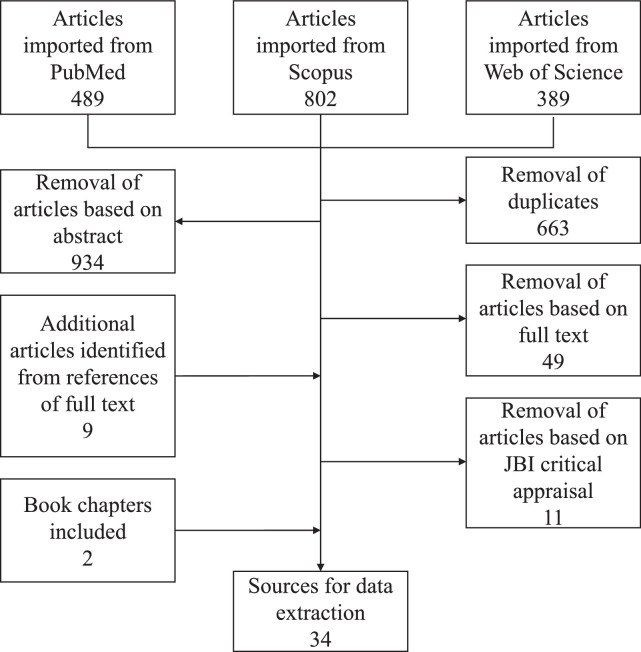
Methods: Extensive literature search strategies were conducted, interrogating PubMed, Scopus, and Web of Science, to locate relevant literature. Ultimately 34 studies reporting original data were included for analysis.
Results: Findings showed that most data were outdated, and only 6 of 34 articles (18%) were published after 2010. There were few good studies with sound methodology and large, clearly defined population samples. Only a small proportion of countries worldwide (26/193 [13%]) have produced prevalence figures for OCA. By continent, African studies were disproportionately represented (15/34 [44%]). The highest prevalence rates (range, 1 in 22 to 1 in 1300; mean, 1 in 464) were reported in population isolates. The mean prevalence from four African countries was 1 in 4264 (range, 1 in 1755 to 1 in 7900). Prevalence for three countries in Europe (mean, 1 in 12,000; range, 1 in 10,000 to 1 in 15,000) may be underestimated, as the phenotype, in fair-skinned populations, may be missed or misdiagnosed as ocular albinism or isolated visual impairment. Population rates may vary depending on local cultural factors (e.g., consanguineous matings) and may change over time.
Conclusions: The prevalence of OCA varies widely between continents and population groups, and it is often influenced by local factors. It was not possible, therefore, to determine a single, generalizable worldwide prevalence rate for OCA, although continental rates for Africa and Europe are useful.
Conflict of interest statement
Disclosure:
Figures
References
-
- Summers CG. Albinism: classification, clinical characteristics, and recent findings. Optom Vis Sci. 2009; 86(6): 659–662. - PubMed
-
- Pearson K, Nettleship E, Usher CH.. A monograph on albinism in man. In: Research Memoirs Biometric Series. Vol VIII. London: Drapers Co; 1913.
-
- Kromberg J. Epidemiology of albinism. In: Kromberg J, Manga P, eds. Albinism in Africa: historical, geographical, medical, genetic, and psychosocial aspects. San Diego: Elsevier, Academic Press; 2018: 57–79.
Publication types
MeSH terms
LinkOut - more resources
Full Text Sources
Medical