


Combination immunotherapy of glioblastoma with dendritic cell cancer vaccines, anti-PD-1 and poly I:C
- PMID: 37440907
- PMCID: PMC10334272
- DOI: 10.1016/j.jpha.2023.04.012
Combination immunotherapy of glioblastoma with dendritic cell cancer vaccines, anti-PD-1 and poly I:C
Abstract
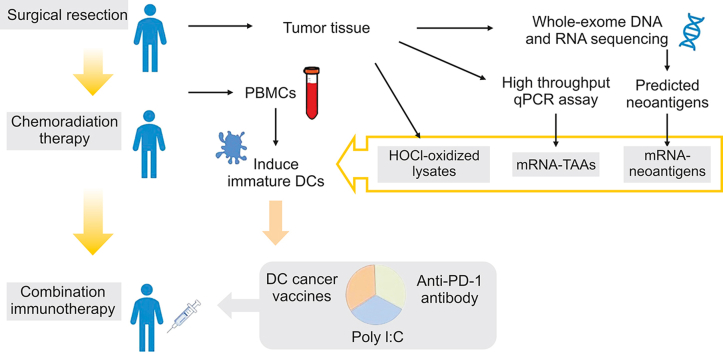
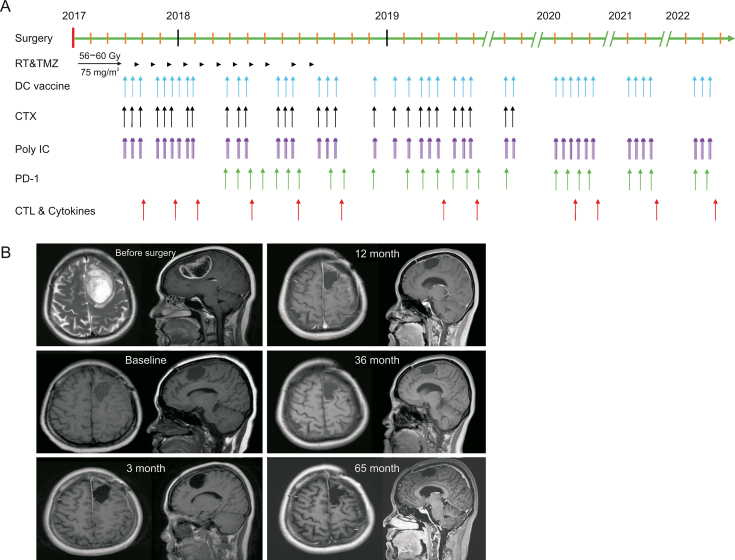
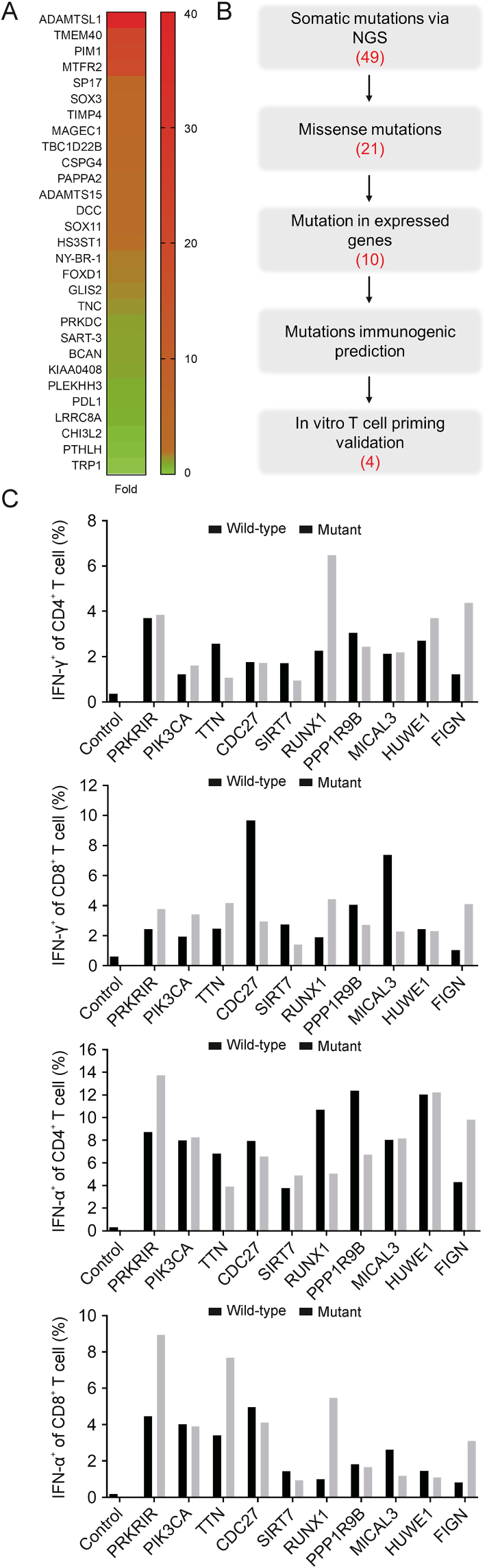
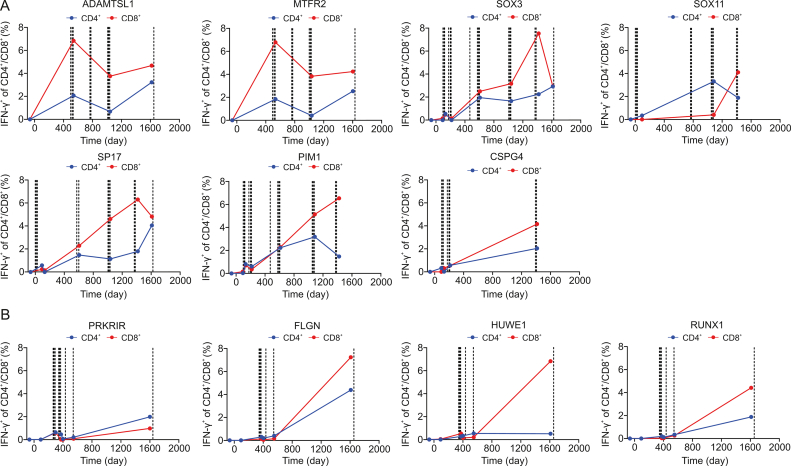
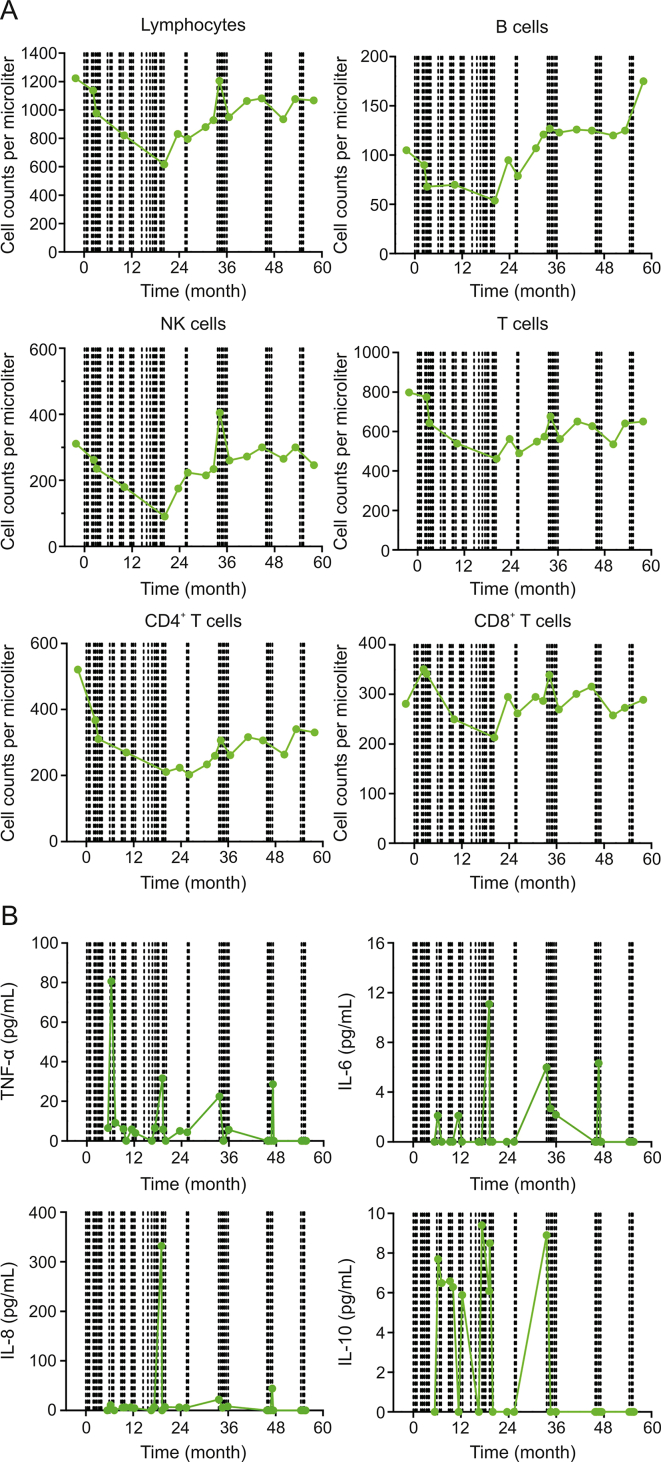
Glioblastoma (GBM) is a lethal cancer with limited therapeutic options. Dendritic cell (DC)-based cancer vaccines provide a promising approach for GBM treatment. Clinical studies suggest that other immunotherapeutic agents may be combined with DC vaccines to further enhance antitumor activity. Here, we report a GBM case with combination immunotherapy consisting of DC vaccines, anti-programmed death-1 (anti-PD-1) and poly I:C as well as the chemotherapeutic agent cyclophosphamide that was integrated with standard chemoradiation therapy, and the patient remained disease-free for 69 months. The patient received DC vaccines loaded with multiple forms of tumor antigens, including mRNA-tumor associated antigens (TAA), mRNA-neoantigens, and hypochlorous acid (HOCl)-oxidized tumor lysates. Furthermore, mRNA-TAAs were modified with a novel TriVac technology that fuses TAAs with a destabilization domain and inserts TAAs into full-length lysosomal associated membrane protein-1 to enhance major histocompatibility complex (MHC) class I and II antigen presentation. The treatment consisted of 42 DC cancer vaccine infusions, 26 anti-PD-1 antibody nivolumab administrations and 126 poly I:C injections for DC infusions. The patient also received 28 doses of cyclophosphamide for depletion of regulatory T cells. No immunotherapy-related adverse events were observed during the treatment. Robust antitumor CD4+ and CD8+ T-cell responses were detected. The patient remains free of disease progression. This is the first case report on the combination of the above three agents to treat glioblastoma patients. Our results suggest that integrated combination immunotherapy is safe and feasible for long-term treatment in this patient. A large-scale trial to validate these findings is warranted.
Keywords: DC vaccine; Glioblastoma multiforme; Neoantigens; Tumor-associated antigens.
© 2023 The Author(s).
Conflict of interest statement
You-Wen He and Shi-You Li are co-founders of Tricision Biotherapeutics Inc., and the contribution of You-Wen He in this project was through his scientific advisor to tricision Biotherapeutic Inc. Sheng-Nan Sun, Jun Jiang, Qian-Ting Wang, and Shi-You Li are full-time employees of Tricision Biotherapeutics Inc. You-Wen He and Jun O. Liu are co-inventors of the TriVac technology patented by Duke University and Johns Hopkins University and co-founders of TriVac Inc. TriVac technology used by Tricision Biotherapeutics Inc. was licensed by Duke/JHU through TriVac Inc. Other authors declare that there are no conflicts of interest.
Figures
References
-
- Marenco-Hillembrand L., Wijesekera O., Suarez-Meade P., et al. Trends in glioblastoma: Outcomes over time and type of intervention: A systematic evidence based analysis. J. Neurooncol. 2020;147:297–307. - PubMed
-
- Lv L., Huang J., Xi H., et al. Efficacy and safety of dendritic cell vaccines for patients with glioblastoma: A meta-analysis of randomized controlled trials. Int. Immunopharmacol. 2020;83 - PubMed
LinkOut - more resources
Full Text Sources
Research Materials
