


What makes people grow? Love and hope
- PMID: 37443075
- PMCID: PMC10339636
- DOI: 10.1186/s40101-023-00330-7
What makes people grow? Love and hope
Abstract
Background: Hope and love are popular themes of literature and art in many human societies. The human physiology of love and hope is less well understood. This review presents evidence that the lack of love and/or hope delays growth disturbs development and maturation and even kills.
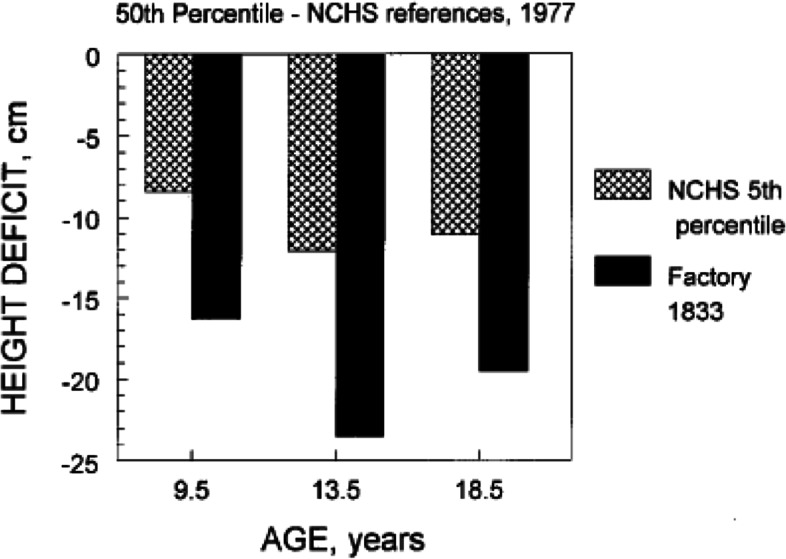
Main body: Love and hope intersect in promoting healthy human development. Love provides a sense of security and attachment, which are necessary for healthy physical, cognitive, and emotional development. Hope provides a sense of optimism and resilience in the face of adversity. Loving relationships can foster a sense of hope in individuals and in society by providing support systems during difficult times. Similarly, having a sense of hope can make it easier to form loving relationships by providing individuals with the confidence to connect with others. Hope and love are the fundamental basis of human biocultural reproduction, which is the human style of cooperation in the production, feeding, and care of offspring. Examples are given of the association between human growth in height with love and hope, including (1) the global "Long Depression" of 1873-1896, (2) "hospitalism" and the abuse/neglect of infants and children, (3) adoption, (4) international migration, (5) colonial conquest, and (6) social, economic, and political change in Japan between 1970 and 1990.
Conclusion: Overall, this review suggests that love and hope are both critical factors in promoting healthy human development and that they intersect in complex ways to support emotional well-being.
Keywords: Biocultural reproduction; Community effects; SEPE; Secular trend; Strategic growth.
© 2023. The Author(s).
Conflict of interest statement
The author declares that no competing interests.
Figures
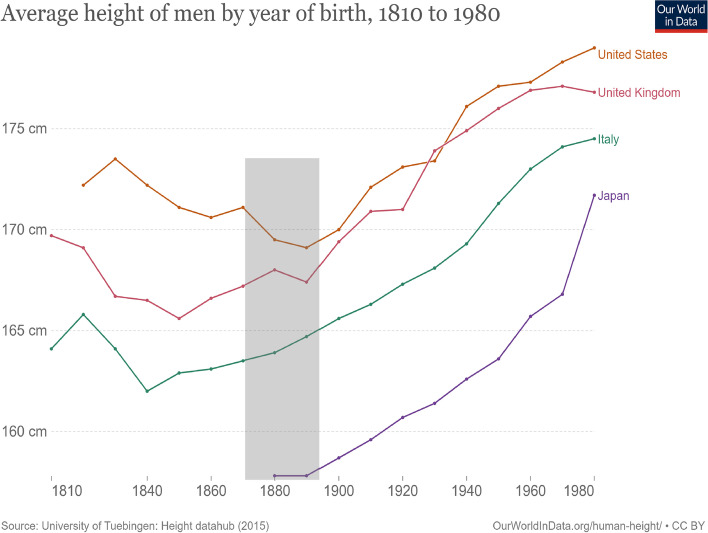

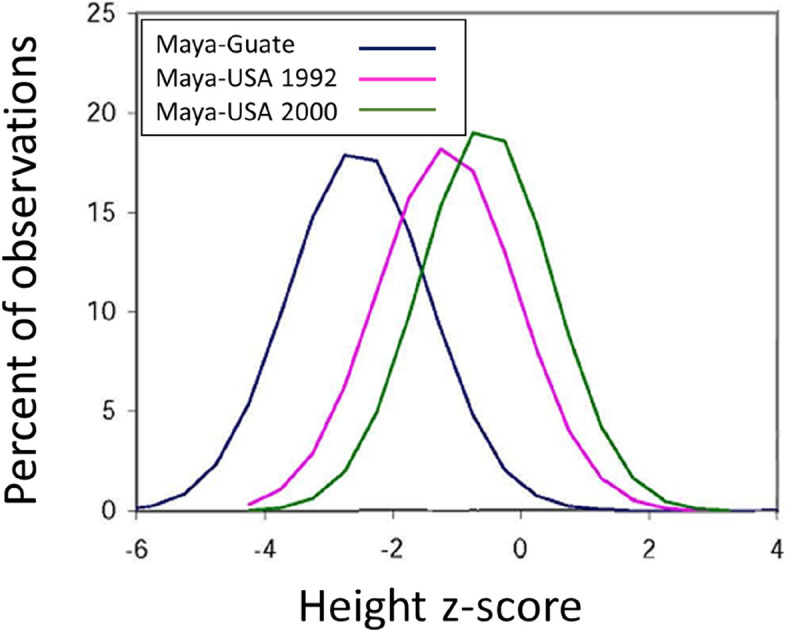
 men
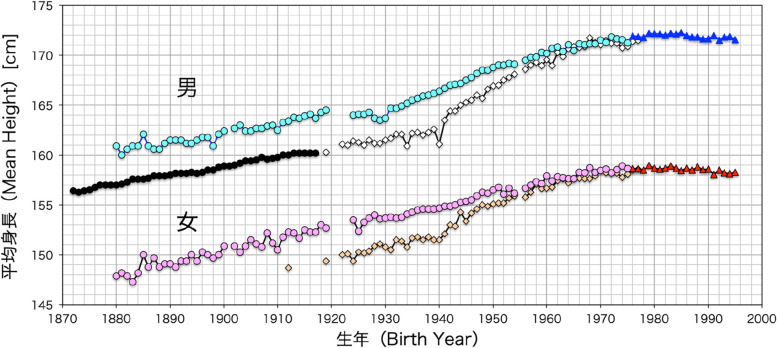
men
 women—high SES 20-year-old students, ● low SES 20-year-old conscripts (men), ◊ men
 women—low SES 20-year-old general population,
 men
men
 women—post-1975 students and general population. Source: Dr. Makiko Kouchi, National Institute of Advanced Industrial Science and Technology. The figure is reprinted with kind permission of the author
References
-
- Keys A, Brozek J, Hensckel A, Mickelsen O, Longstreet TH. The biology of human starvation. Minneapolis: University of Minnesota Press; 1950.
-
- Bogin B. Patterns of human growth. 3rd ed. Cambridge: Cambridge University Press; 2021. Available from: https://www.cambridge.org/core/product/identifier/9781108379977/type/book.
-
- United Nations General Assembly. The Universal Declaration of Human Rights (UDHR). https://www.un.org/en/about-us/universal-declaration-of-human-rights. 1948 [cited 2023 Mar 6]. Available from: https://www.un.org/en/about-us/universal-declaration-of-human-rights.
-
- Sasaki M, Di Cicco S. The complete story of Sadako Sasaki and the thousand paper cranes. eBook. North Clarendon: Tuttle Publishing; 2020.
-
- Tylecote A. The long wave in the world economy. Milton Park: Routledge; 1993.
Publication types
MeSH terms
LinkOut - more resources
Full Text Sources
