


Could a Non-Cellular Molecular Interactome in the Blood Circulation Influence Pathogens' Infectivity?
- PMID: 37443732
- PMCID: PMC10341357
- DOI: 10.3390/cells12131699
Could a Non-Cellular Molecular Interactome in the Blood Circulation Influence Pathogens' Infectivity?
Abstract
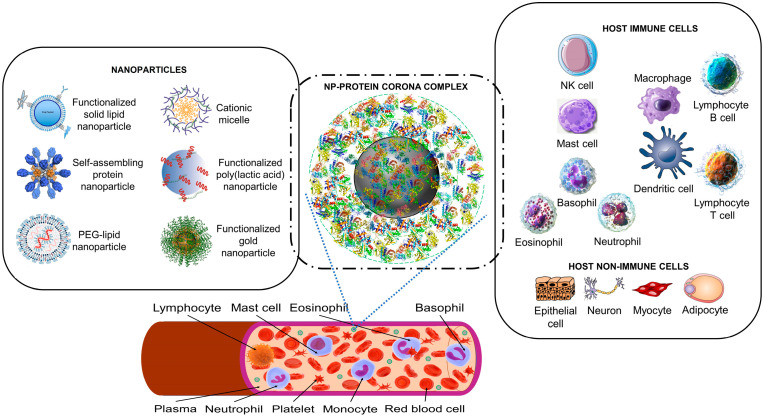
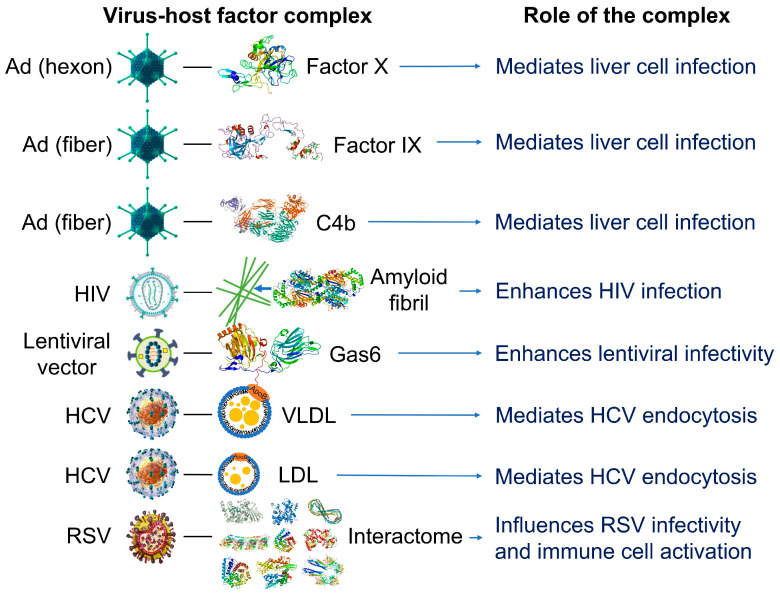
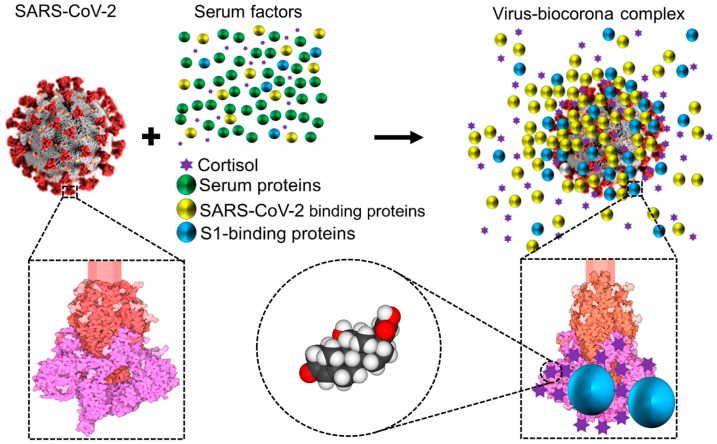
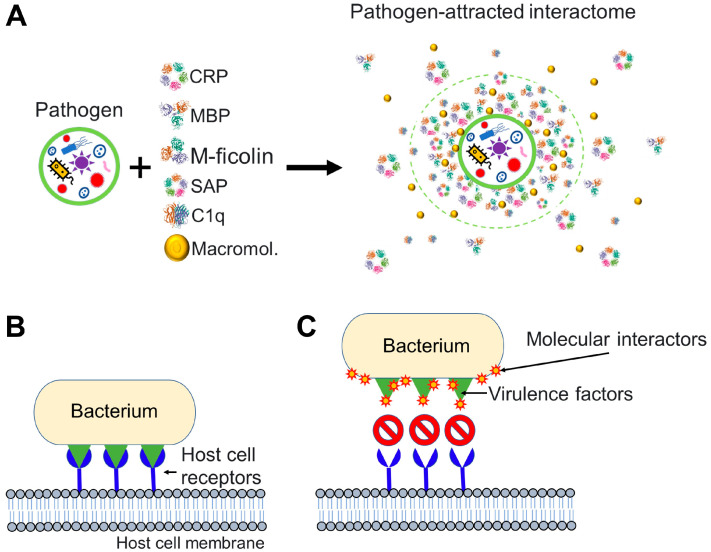
We advance the notion that much like artificial nanoparticles, relatively more complex biological entities with nanometric dimensions such as pathogens (viruses, bacteria, and other microorganisms) may also acquire a biomolecular corona upon entering the blood circulation of an organism. We view this biomolecular corona as a component of a much broader non-cellular blood interactome that can be highly specific to the organism, akin to components of the innate immune response to an invading pathogen. We review published supporting data and generalize these notions from artificial nanoparticles to viruses and bacteria. Characterization of the non-cellular blood interactome of an organism may help explain apparent differences in the susceptibility to pathogens among individuals. The non-cellular blood interactome is a candidate therapeutic target to treat infectious and non-infectious conditions.
Keywords: bacteria; glucocorticoid; innate immunity; nanoparticles; protein corona; virus.
Conflict of interest statement
The authors declare no conflict of interest.
Figures
References
Publication types
MeSH terms
Grants and funding
LinkOut - more resources
Full Text Sources
