


Therapeutic Activity of Green Tea Epigallocatechin-3-Gallate on Metabolic Diseases and Non-Alcoholic Fatty Liver Diseases: The Current Updates
- PMID: 37447347
- PMCID: PMC10346988
- DOI: 10.3390/nu15133022
Therapeutic Activity of Green Tea Epigallocatechin-3-Gallate on Metabolic Diseases and Non-Alcoholic Fatty Liver Diseases: The Current Updates
Abstract
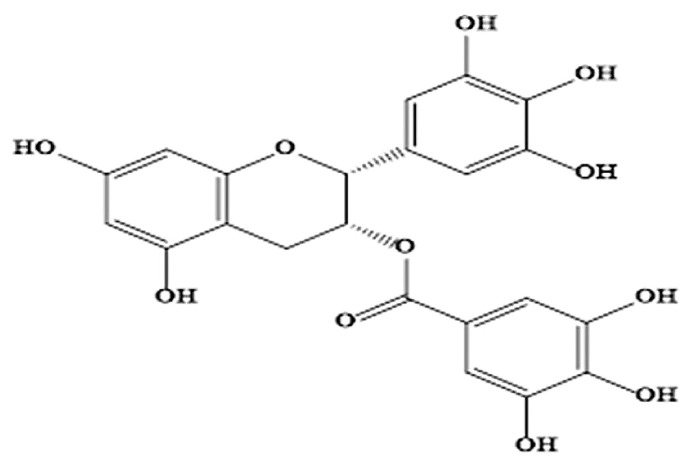
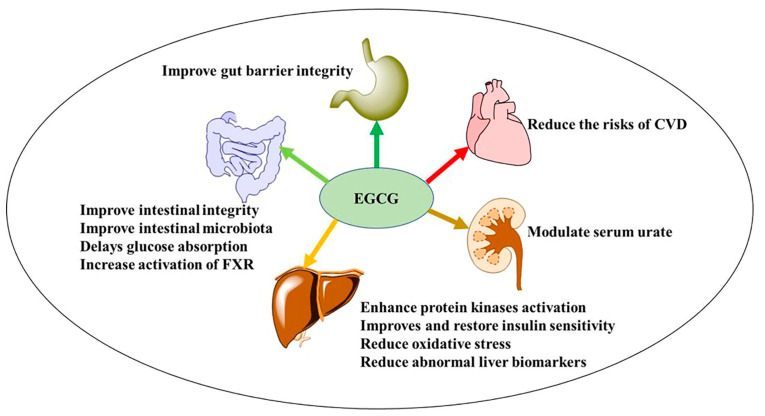
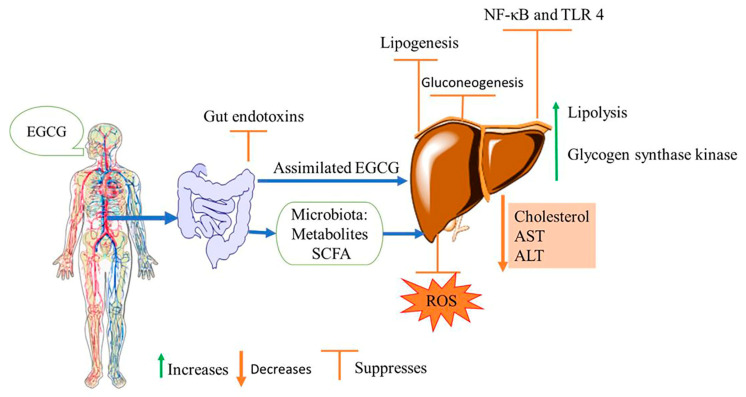
Green tea polyphenols have numerous functions including antioxidation and modulation of various cellular proteins and are thus beneficial against metabolic diseases including obesity, type 2 diabetes, cardiovascular and non-alcoholic fatty liver diseases, and their comorbidities. Epigallocatechin-3-gallate (EGCG) is the most abundant polyphenol in green tea and is attributed to antioxidant and free radical scavenging activities, and the likelihood of targeting multiple metabolic pathways. It has been shown to exhibit anti-obesity, anti-inflammatory, anti-diabetic, anti-arteriosclerotic, and weight-reducing effects in humans. Worldwide, the incidences of metabolic diseases have been escalating across all age groups in modern society. Therefore, EGCG is being increasingly investigated to address the problems. This review presents the current updates on the effects of EGCG on metabolic diseases, and highlights evidence related to its safety. Collectively, this review brings more evidence for therapeutic application and further studies on EGCG and its derivatives to alleviate metabolic diseases and non-alcoholic fatty liver diseases.
Keywords: EGCG; green tea; hyperglycemia; hyperuricemia; metabolic disease; non-alcoholic fatty liver disease.
Conflict of interest statement
The authors declare no conflict of interest.
Figures
References
-
- Xu C., Liang L., Li Y., Yang T., Fan Y., Mao X., Wang Y. Studies of quality development and major chemical composition of green tea processed from tea with different shoot maturity. LWT. 2021;142:111055. doi: 10.1016/j.lwt.2021.111055. - DOI
Publication types
MeSH terms
Substances
Grants and funding
LinkOut - more resources
Full Text Sources
Medical
