


Neonatal sepsis and its associated factors among neonates admitted to the neonatal intensive care unit in Wachemo University Comprehensive Specialized Hospital, Southern Ethiopia, 2022
- PMID: 37465417
- PMCID: PMC10350534
- DOI: 10.3389/fped.2023.1184205
Neonatal sepsis and its associated factors among neonates admitted to the neonatal intensive care unit in Wachemo University Comprehensive Specialized Hospital, Southern Ethiopia, 2022
Abstract
Background: Neonatal sepsis is a major public health problem worldwide. It is one of the leading causes of neonatal mortality and morbidity worldwide. The neonatal mortality rate is higher in developing countries, where the extent and causes of neonatal sepsis are not yet known. Neonatal sepsis is a leading cause of neonatal mortality in Ethiopia. As a result, this study aimed to assess the proportion and identify maternal and neonatal risk factors for neonatal sepsis among neonates admitted to the neonatal intensive care unit.
Methods: An institutional-based cross-sectional study was conducted from May 2022 to July 2022 at the Wachemo University Comprehensive Specialized Teaching Hospital, Neonatal Intensive Care Unit, southern Ethiopia. A total of 205 neonates with indexed mothers participated in the study. Using a consecutive sampling technique, a structured, pretested questionnaire was used to collect data from the study subjects. Data were entered into EpiData Manager version 3.1 for Windows and then exported to SPSS version 22 for further data cleaning and analysis. Descriptive analyses were performed by using frequency, percentage, and summary statistics to describe the key variables. A multivariate regression model was used to identify factors associated with neonatal sepsis. Finally, statistical significance was declared at a p-value of less than 0.05, and an adjusted odds ratio (AOR) with a 95% confidence level was used to declare the variable's association with the outcome variable.
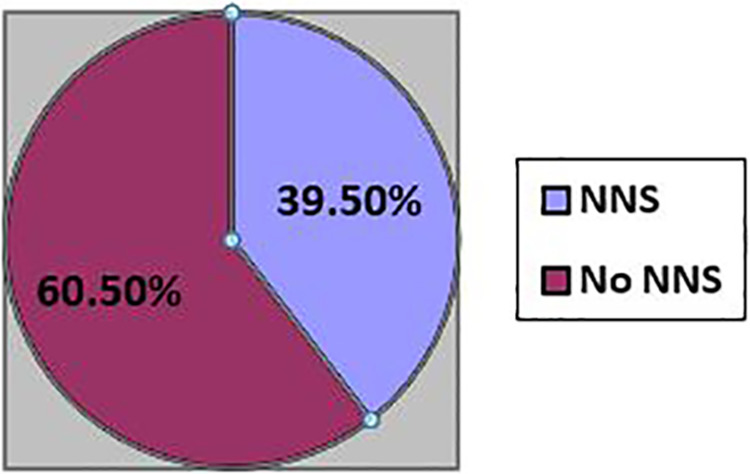
Result: The overall prevalence rate of neonatal sepsis was 39.5% (95% CI: 33.7-45.9). Multivariable analysis was performed by taking a variable that is statistically significant in bivariate logistic regression as a candidate variable. Multivariable model analysis showed that unmarried status AOR = 18.37 (95% CI: 1.56-216.14), maternal fever during delivery AOR = 4.74 (95% CI: 1.63-13.8), and premature rupture of membrane AOR = 7.53 (95% CI: 2.19-25.6) were variables that increased the odds of developing neonatal sepsis.
Conclusion: The study's findings indicate that neonatal sepsis is highly prevalent. Unmarried maternal status, maternal fever during delivery, and premature rupture of the membrane were predictors of neonatal sepsis. Therefore, providing training for health workers and close monitoring and evaluation during obstetric and neonatal care are crucial to halt the occurrence of neonatal sepsis.
Keywords: Ethiopia; NICU (neonatal intensive care unit); intensive care unit; neonatal sepsis; neonate.
© 2023 Mezgebu, Ossabo, Zekiwos, Mohammed and Demisse.
Conflict of interest statement
The authors declare that the research was conducted in the absence of any commercial or financial relationships that could be construed as a potential conflict of interest.
Figures
References
-
- Mubiru A. The prevalence of neonatal sepsis and associated factors among neonates admitted to the neonatal intensive care unit of Jinja Regional Referral Hospital. 2018.
-
- Bayana E, Endale K, Olani A, Birtatu Y, Tegenu K. Neonatal sepsis among neonates at public hospitals in Jimma, Ethiopia. Int J Pediatr. (2020) 8(9):12011–21. 10.22038/ijp.2020.44435.3681 - DOI
-
- Rawat S, Neeraj K, Preeti K, Prashant M. A review on type, etiological factors, definition, clinical features, diagnosis management and prevention of neonatal sepsis. Journal of Scientific and Innovative Research. (2013) 2(4):802–13.
-
- Schrag SJ, Cutland CL, Zell ER, Kuwanda L, Buchmann EJ, Velaphi SC, et al. Risk factors for neonatal sepsis and perinatal death among infants enrolled in the Prevention of Perinatal Sepsis Trial, Soweto, South Africa. Pediatr Infect Dis J. (2012) 31(8):821–6. 10.1097/INF.0b013e31825c4b5a - DOI - PubMed
LinkOut - more resources
Full Text Sources
Research Materials
