. 2023 Jul 24;14(1):4437.
doi: 10.1038/s41467-023-40138-8.

Diversity-oriented synthesis of P-stereogenic and axially chiral monodentate biaryl phosphines enabled by C-P bond cleavage

Affiliations

Diversity-oriented synthesis of P-stereogenic and axially chiral monodentate biaryl phosphines enabled by C-P bond cleavage

Liangzhi Pang et al. Nat Commun. .

Abstract

Chiral monodentate biaryl phosphines (MOPs) have attracted intense attention as chiral ligands over the past decades. However, the creation of structurally diverse chiral MOPs with both P- and axial chirality is still in high demand but challenging. Here, we show a distinct strategy for diversity-oriented synthesis of structurally diverse MOPs containing both P- and axial chirality enabled by enantioselective C-P bond cleavage. The key chiral PdII intermediates, generated through the stereoselective oxidative addition of C-P bond, could be trapped by alkynes, R3Si-Bpin, diboron esters or reduced by H2O/B2pin2, leading to enantioenriched structurally diverse MOPs in excellent diastereo- and enantioselectivities. Based on the outstanding properties of the parent scaffolds, the P- and axially chiral monodentate biaryl phosphines serve as excellent catalysts in asymmetric [3 + 2] annulation of MBH carbonate affording the chiral functionalized bicyclic imide.


Conflict of interest statement

The authors declare no competing interests.

Figures
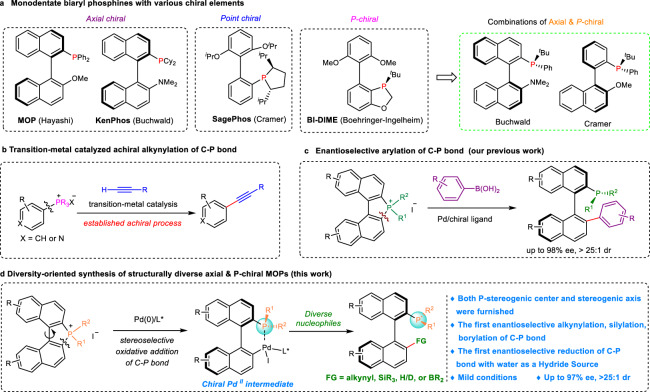
Fig. 1
Fig. 1. Diversity-oriented synthesis of structurally diverse monodentate biaryl phosphines containing both P- and axial chirality.
a Monodentate biaryl phosphines with various chiral elements. b Transition-metal catalyzed achiral alkynylation of the C–P bond. c Enantioselective C–P bond arylation (our previous work). d Diversity-oriented synthesis of structurally diverse P- and axially chiral monodentate biaryl phosphines (this work).
Fig. 2
Fig. 2. Substrate scope of enantioselective alkynylation of C–P bond.
Reaction conditions: 1 (0.20 mmol), 2 (2.0 equiv), [Pd(Allyl)Cl]2 (2.5 mol%), L6 (11 mol%), CuBr (1.0 equiv), Cs2CO3 (2.0 equiv), 2-Me-THF (2.0 mL) at 45 °C for 36 h, then S8 (5 equiv) or BH3·SMe2 (2 equiv, 10 M in Me2S), unless otherwise stated. Isolated yields were reported. ee values of the major isomers are shown and determined by chiral HPLC analysis. dr values were determined by 1H NMR analysis of the crude reaction mixtures; a60 h; b1 (0.05 M); cthe reaction was conducted at 60 °C; dwith bis(trimethylsilyl)acetylene as the coupling partner; e0.10 mmol scale.
Fig. 3
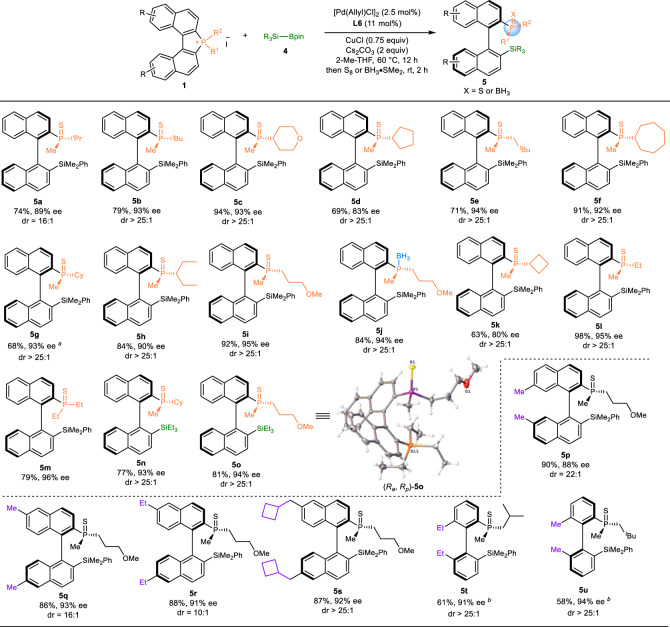
Fig. 3. Substrate scope of enantioselective silylation of C–P bond.
Reaction conditions: 1 (0.20 mmol), R3Si-Bpin 4 (2.0 equiv), [Pd(Allyl)Cl]2 (2.5 mol%), L6 (11 mol%), CuCl (0.75 equiv), Cs2CO3 (2.0 equiv), 2-Me-THF (2.0 mL) at 60 °C for 12 h, then S8 (5 equiv) or BH3·SMe2 (2 equiv, 10 M in Me2S), unless otherwise stated. Isolated yields were reported. ee values of the major isomers are shown and determined by chiral HPLC analysis. dr values were determined by 1H NMR analysis of the crude reaction mixtures; athe reaction was conducted at 45 °C for 36 h; b0.10 mmol scale.
Fig. 4
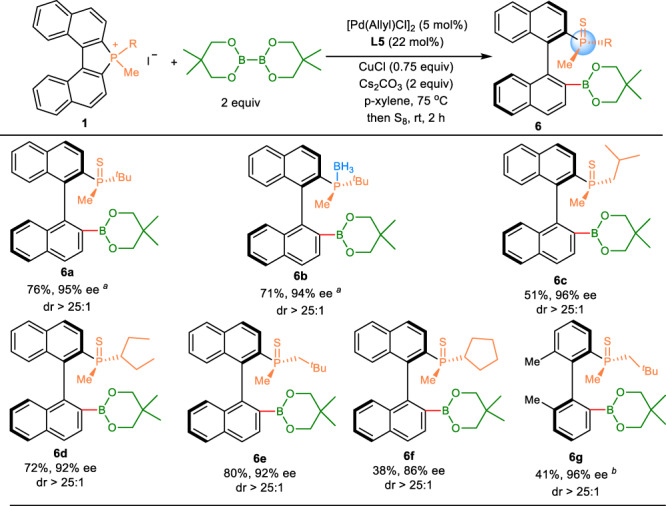
Fig. 4. Substrate scope of enantioselective borylation of C-P bond.
Reaction conditions: 1 (0.10 mmol), B2neop2 (2.0 equiv), [Pd(Allyl)Cl]2 (5 mol%), L5 (22 mol%), CuCl (0.75 equiv), Cs2CO3 (2.0 equiv), p-xylene (1.0 mL) for 12 h, then S8 (5 equiv) or BH3·SMe2 (2 equiv, 10 M in Me2S), unless otherwise stated. Isolated yields were reported. ee values of the major isomers are shown and determined by chiral HPLC analysis. dr values were determined by 1H NMR analysis of the crude reaction mixtures; athe reaction was conducted at 35 °C for 36 h; b0.10 mmol scale.
Fig. 5
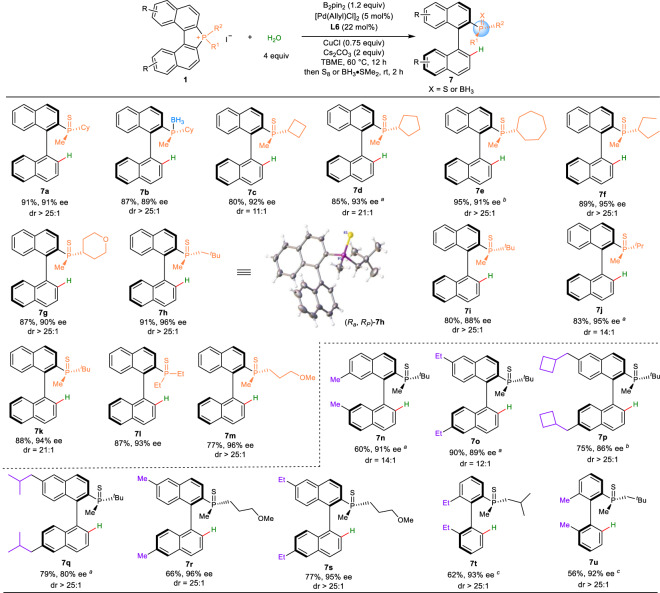
Fig. 5. Substrate scope of enantioselective reduction of C–P bond.
Reaction conditions: 1 (0.20 mmol), B2pin2 (1.2 equiv), H2O (4.0 equiv), [Pd(Allyl)Cl]2 (5.0 mol%), L6 (22 mol%), CuCl (0.75 equiv), Cs2CO3 (2.0 equiv), TBME (2.0 mL) at 60 °C for 12 h, then S8 (5 equiv) or BH3·SMe2 (2 equiv, 10 M in Me2S), unless otherwise stated. Isolated yields were reported. ee values of the major isomers are shown and determined by chiral HPLC analysis. dr values were determined by 1H NMR analysis of the crude reaction mixtures; athe reaction was conducted at 30 °C for 24 h; bthe reaction was conducted at 45 °C for 24 h; c0.10 mmol scale.
Fig. 6
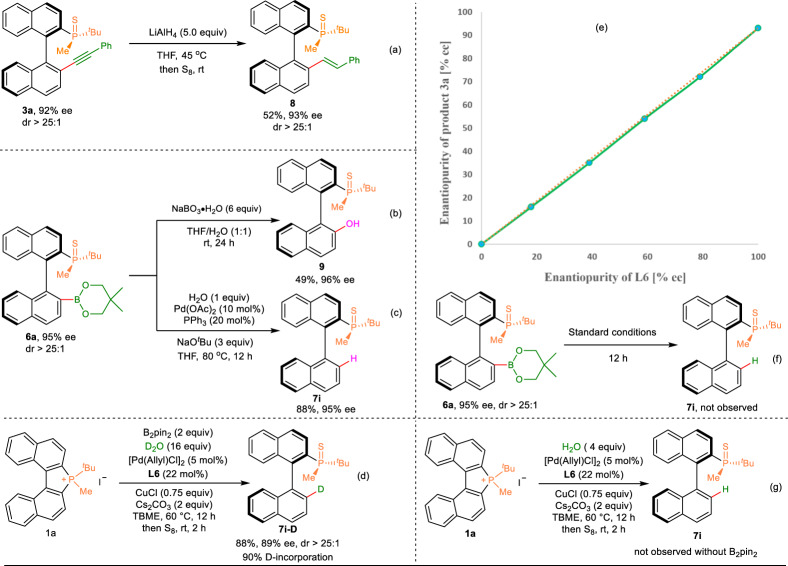
Fig. 6. Synthetic utility and control experiments.
a Reduction of the alkyne moiety to E-alkenyl group; b Oxidation of the C–B bond to C–O bond; c Converted the C–B bond to C–H bond; d Preparation of the D-substituent product; e The non-linear effect studies of the enantioselective alkynylation of C–P bond with terminal alkynes. f Control study of the protonation of C–B bond; g Control study of the reduction of C–P bond without B2pin2.
Fig. 7
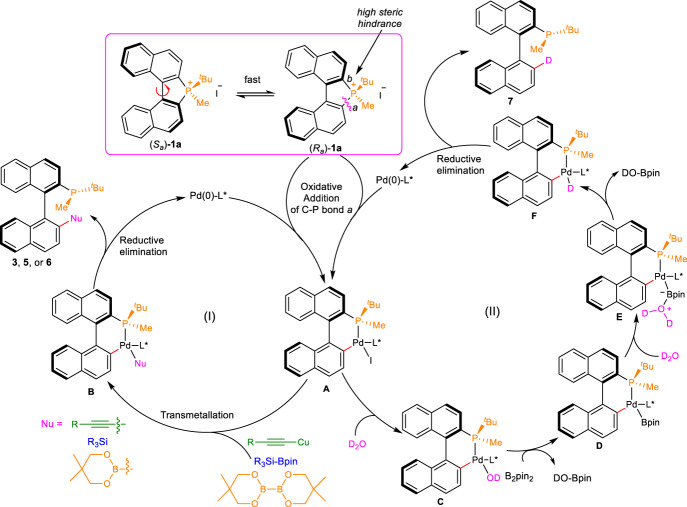
Fig. 7. Proposed reaction mechanism for the enantioselective cross-coupling and reduction of C–P bond.
Cycle I: Phosphonium salts (Sa)-1a and (Ra)-1a are in rapid equilibrium with each other via the rotation of the C–C single bond. The oxidative addition of Pd0 with substrate (R)-1a cleaves C–P bond a to form enantio-enriched biaryl intermediate A. Subsequent transmetallation of intermediate A with the terminal alkynes, R3Si-Bpin or diboron esters form the PdII species B. Reductive elimination of B furnishes the chiral phosphine product with concurrent regeneration of Pd0L* catalyst. Cycle II: The reaction of PdII intermediate A and water affords complex C. The transmetallation of complex C with the B2pin2 provides complex D. The reaction of complex D and water furnishes complex E. 1,4-D migration from E provides complex F. Reductive elimination of F delivers the desired product 7 with concurrent regeneration of Pd0L* catalyst.

References

    1. Zhou, Q.-L. Privileged Chiral Ligands and Catalysts (Wiley-VCH, Weinheim, 2011).
    1. Kamer, P. C. J. & van Leeuwen, P. W. N. M. (eds) Phosphorus(III) Ligands in Homogeneous Catalysis: Design and Synthesis (Wiley, Hoboken, 2012).
    1. Ni H, Chan W-L, Lu Y. Phosphine-catalyzed asymmetric organic reactions. Chem. Rev. 2018;118:9344–9411. - PubMed
    1. Tang W, Zhang X. New chiral phosphorus ligands for enantioselective hydrogenation. Chem. Rev. 2003;103:3029–3069. - PubMed
    1. van Leeuwen PWNM, Kamer PCJ, Claver C, Pàmies O, Diéguez M. Phosphite-containing ligands for asymmetric catalysis. Chem. Rev. 2011;111:2077–2118. - PubMed