


Comparison of Caudal Block and Dexmedetomidine Infusion in Pediatric Patients Undergoing Hypospadias Repair Surgery: A Prospective, Randomized, Double-blinded Clinical Study
- PMID: 37489170
- PMCID: PMC10363365
- DOI: 10.5812/aapm-130623
Comparison of Caudal Block and Dexmedetomidine Infusion in Pediatric Patients Undergoing Hypospadias Repair Surgery: A Prospective, Randomized, Double-blinded Clinical Study
Abstract
Background: Many parents continue to reject caudal block since they worry about a rare neurological consequence that may happen. A parenteral surrogate is sought because it can induce recovery with features such as local analgesia.
Objectives: To compare the efficacy and safety of intravenous dexmedetomidine versus caudal and general anesthesia (GA) in children undergoing hypospadias surgery repair.
Methods: A randomized prospective study was conducted on 135 pediatric patients scheduled for hypospadias repair surgery in the hospital affiliated to Tanta University. The participants were divided into a control group (Group C) receiving GA, a caudal group receiving caudal block after GA, and a dexmedetomidine group (Group D) receiving intravenous dexmedetomidine after GA. The postoperative modified objective pain score (MOPS), the total pethidine received in the first 24 h postoperatively, and complications were recorded.
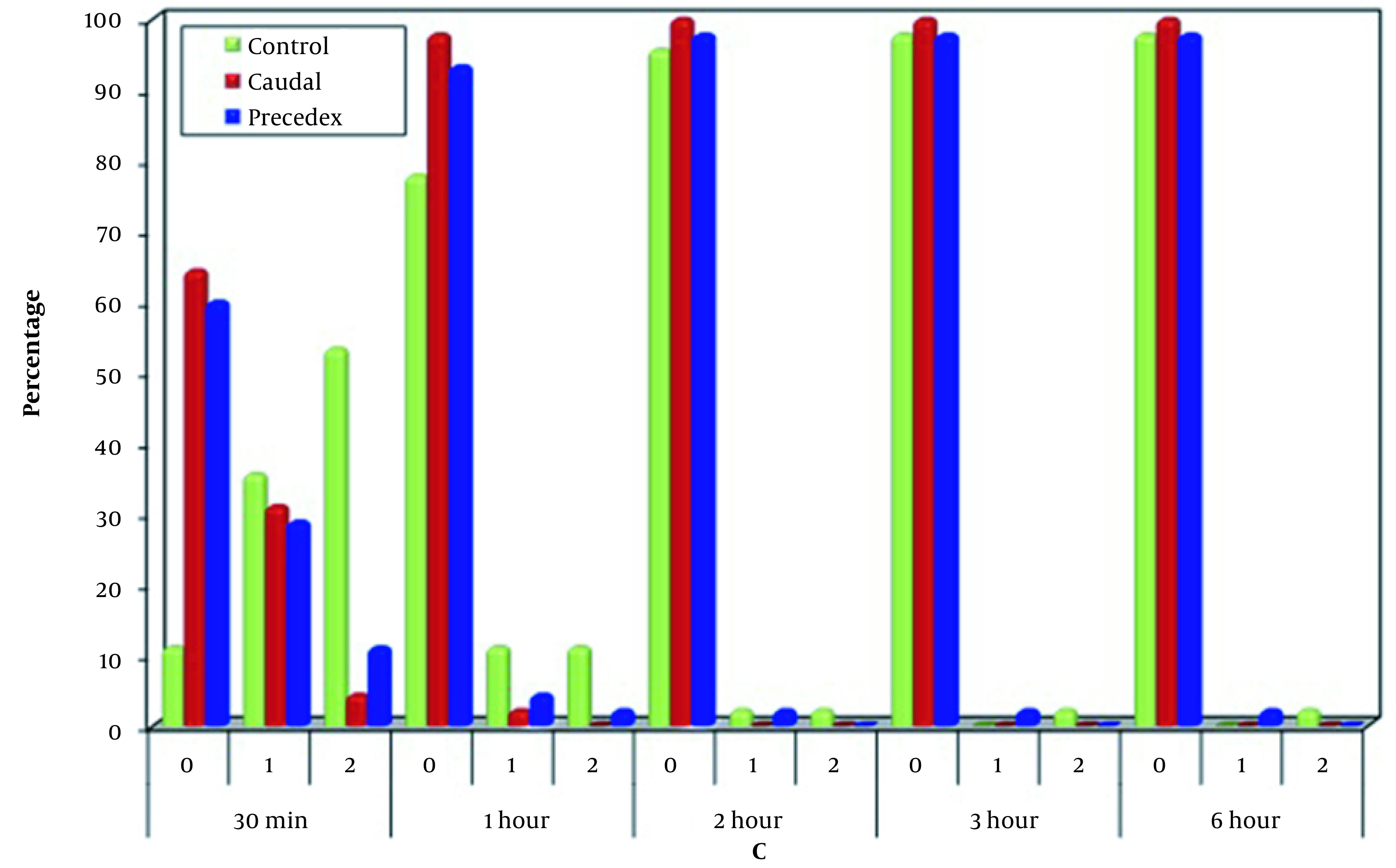
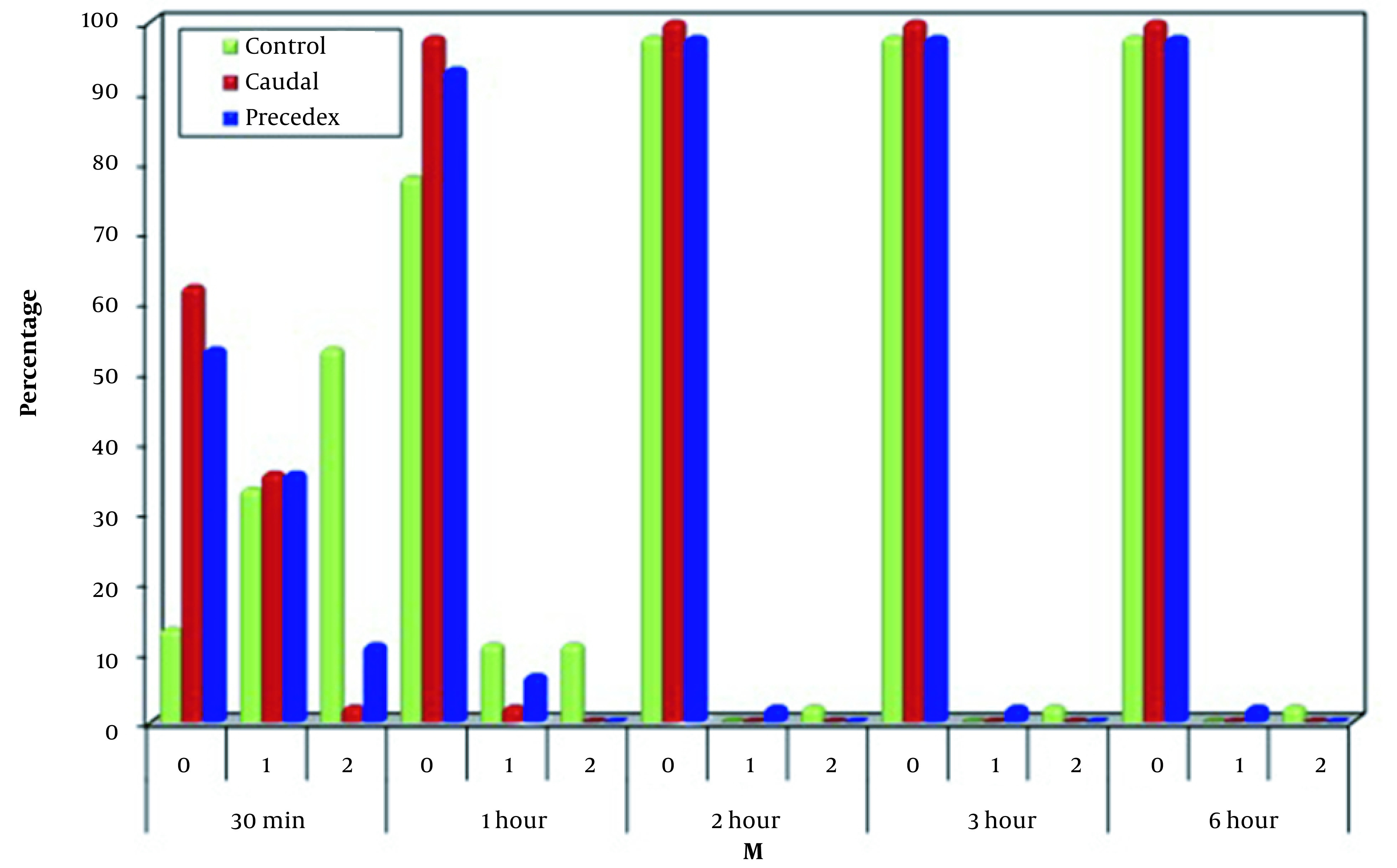
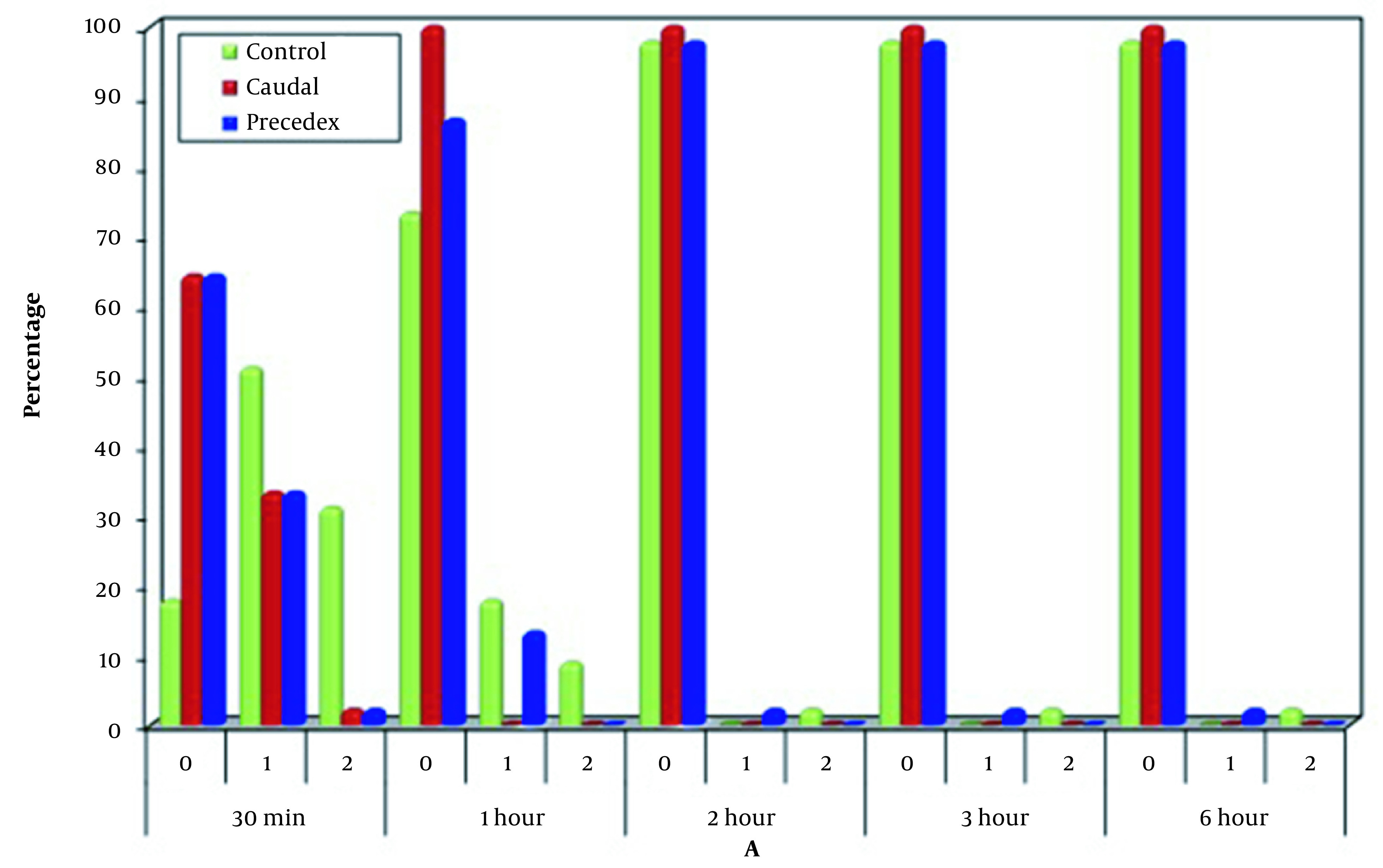
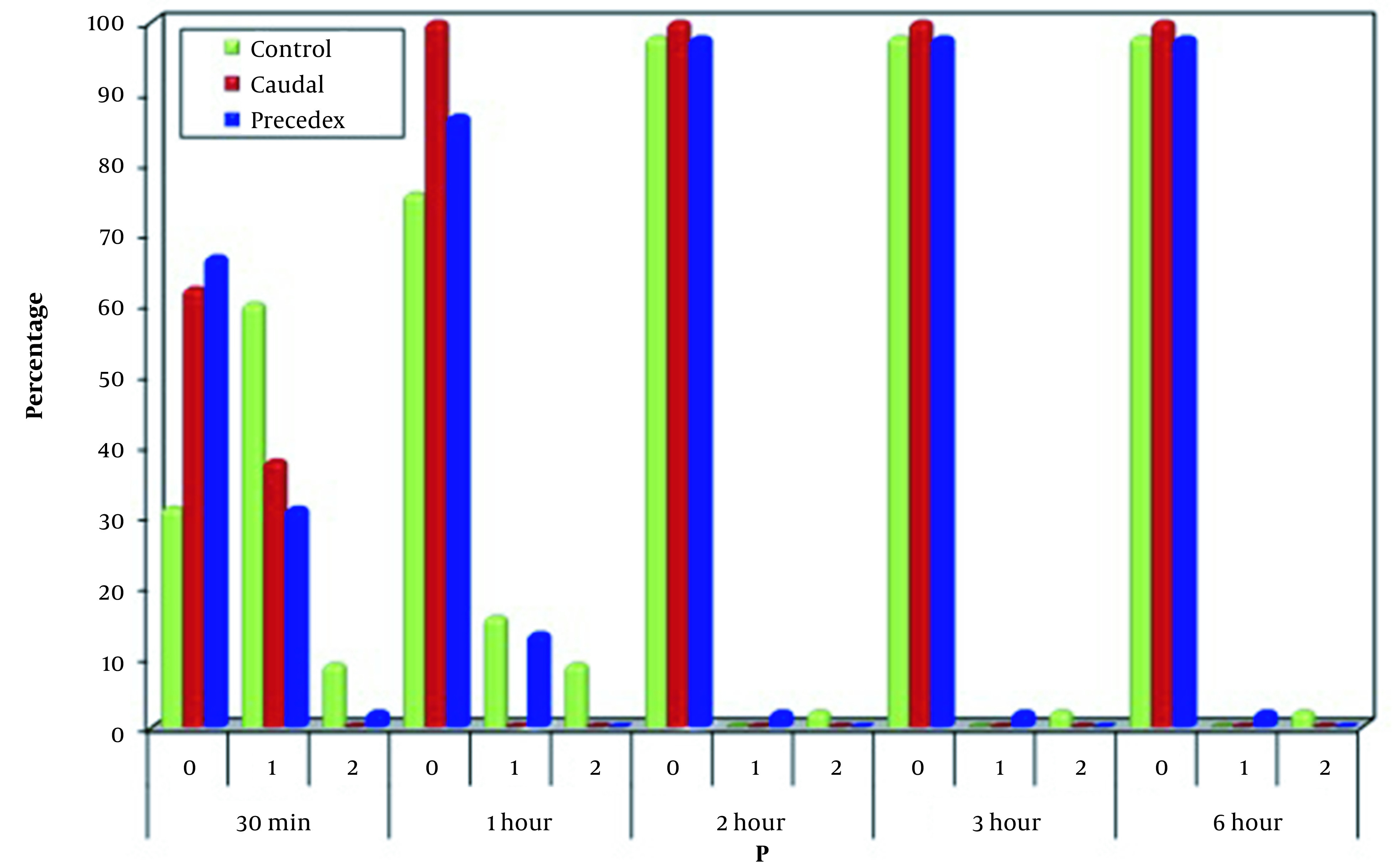
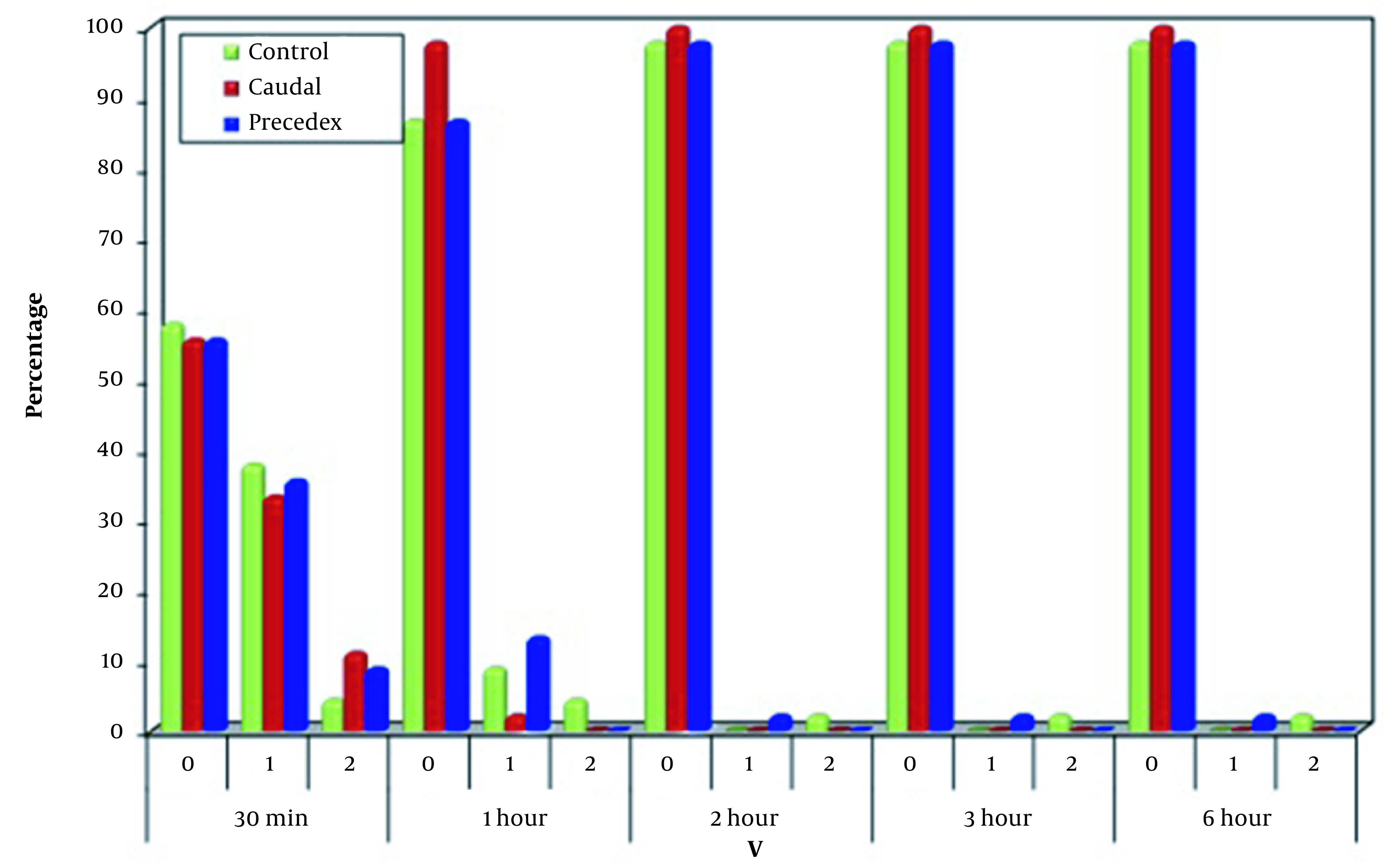
Results: The patients receiving GA required a significantly higher pethidine dose than the other two groups without a significant difference between caudal and dexmedetomidine. The patients receiving dexmedetomidine were extubated significantly later than patients in the other two groups. Regarding the MOPS score, there was a significant difference between Group C and the other two groups 30 minutes and one hour after operation regarding movements, posture, and agitation. Moreover, a significantly larger number of patients developed tachycardia in Group C compared to the other groups.
Conclusions: With the caudal block, the benefits of smooth emergency can be obtained by intravenous dexmedetomidine; however, it had less analgesic efficacy in the pediatric patients undergoing hypospadias repair surgery.
Keywords: Caudal; Dexmedetomidine; Hypospadias; Modified Objective Pain Score (MOPS); Post-operative pain.
Copyright © 2023, Author(s).
Conflict of interest statement
Conflict of Interests: The authors declare no competing interests.
Figures
References
-
- Gupta S, Sharma R. Comparison of analgesic efficacy of caudal dexmedetomidine versus caudal tramadol with ropivacaine in paediatric infraumbilical surgeries: A prospective, randomised, double-blinded clinical study. Indian J Anaesth. 2017;61(6):499–504. doi: 10.4103/ija.IJA_712_16. - DOI - PMC - PubMed
-
- Mohamed MF, Husein RM, El Sonbaty MI, Khattab SM. A comparative study of caudal epidural bupivacaine and bupivacaine plus nalbuphine in postoperative analgesia in children. Ain Shams J Anesthesiol. 2015;8(4) doi: 10.4103/1687-7934.172756. - DOI
LinkOut - more resources
Full Text Sources