Susceptibility of common dabbling and diving duck species to clade 2.3.2.1 H5N1 high pathogenicity avian influenza virus: an experimental infection study
- PMID: 37495526
- PMCID: PMC10539830
- DOI: 10.1292/jvms.23-0122
Susceptibility of common dabbling and diving duck species to clade 2.3.2.1 H5N1 high pathogenicity avian influenza virus: an experimental infection study
Abstract
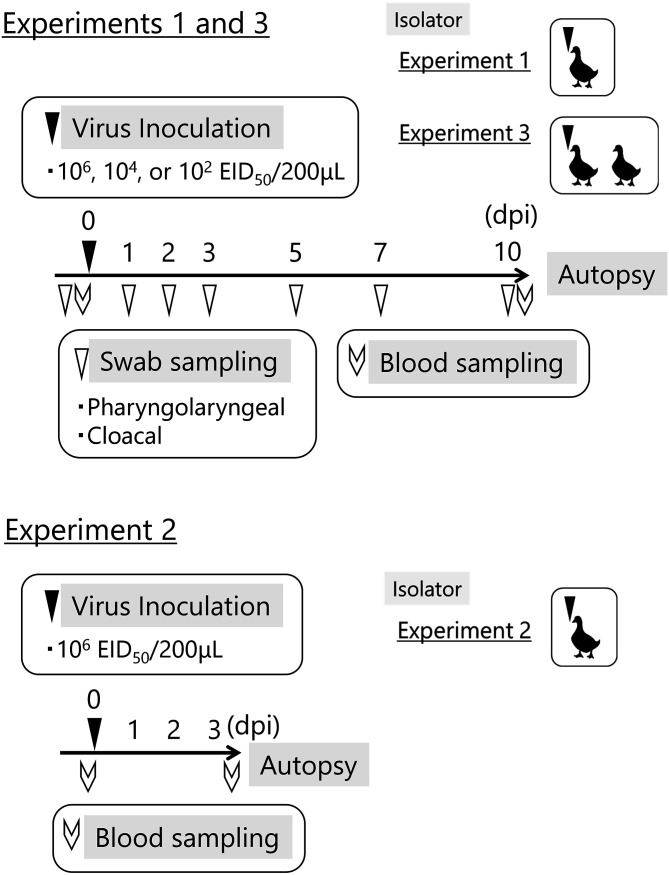
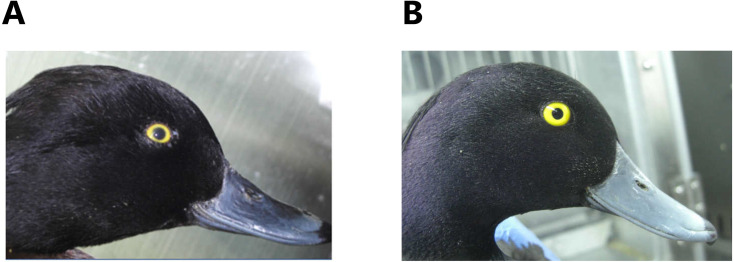
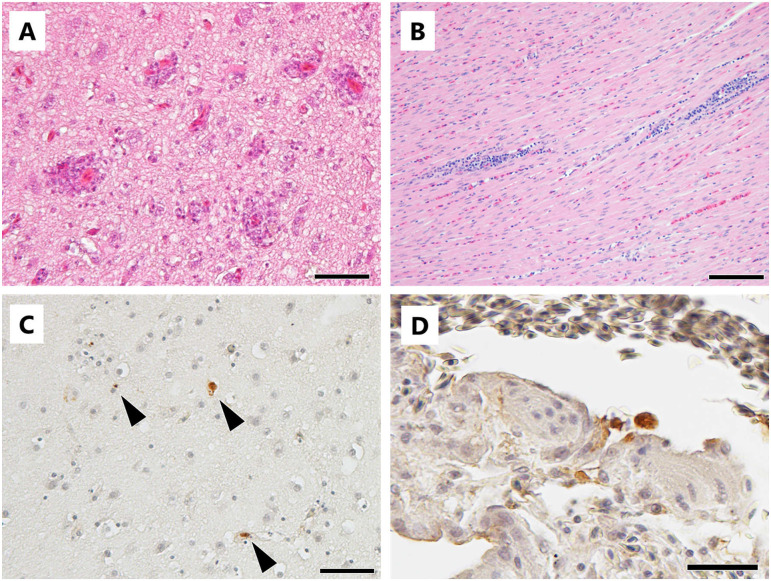
In the winter of 2010-2011, Japan experienced a large outbreak of infections caused by clade 2.3.2.1 H5N1 high pathogenicity avian influenza viruses (HPAIVs) in wild birds. Interestingly, many tufted ducks (Aythya fuligula), which are migratory diving ducks, succumbed to the infection, whereas only one infection case was reported in migratory dabbling duck species, the major natural hosts of the influenza A virus, during the outbreak. To assess whether the susceptibility of each duck species to HPAIVs was correlated with the number of cases, tufted duck and dabbling duck species (Eurasian wigeon, Mareca penelope; mallard, Anas platyrhynchos; Northern pintail, Anas acuta) were intranasally inoculated with A/Mandarin duck/Miyazaki/22M807-1/2011 (H5N1), an index clade 2.3.2.1 virus previously used for experimental infection studies in various bird species. All ducks observed for 10 days post-inoculation (dpi) mostly shed the virus via the oral route and survived. The tufted ducks shed a higher titer of the virus than the other dabbling duck species, and one of them showed apparent neurological symptoms after 7 dpi, which were accompanied by eye lesions. No clinical symptoms were observed in the dabbling ducks, although systemic infection and viremia were observed in some of them sacrificed at 3 dpi. These results suggest that the susceptibility of clade 2.3.2.1 HPAIVs might differ by duck species.
Keywords: avian viral disease; experimental pathology; influenza virus; pathogenicity; wildlife disease.
Conflict of interest statement
None of the authors of this paper has any financial or personal relationships with other people or organizations that could inappropriately influence or bias the content of the paper.
Figures
References
-
- Abdo W, Haridy M, Katou Y, Goto M, Mizoguchi T, Sakoda Y, Sakai H, Yanai T. 2014. Pathological and immunohistochemical findings of natural highly pathogenic avian influenza infection in tufted ducks during 2010–2011 outbreaks in Japan. J Vet Med Sci 76: 1285–1290. doi: 10.1292/jvms.14-0084 - DOI - PMC - PubMed
-
- Bröjer C, van Amerongen G, van de Bildt M, van Run P, Osterhaus A, Gavier-Widén D, Kuiken T. 2015. Pathogenicity and tissue tropism of currently circulating highly pathogenic avian influenza A virus (H5N1; clade 2.3.2) in tufted ducks (Aythya fuligula). Vet Microbiol 180: 273–280. doi: 10.1016/j.vetmic.2015.09.011 - DOI - PubMed
-
- Carboneras C. 1994. Plate 48 ANATIDAE IX (Netta, Aythya), 118. Tufted Duck. p. 618. In: Handbook of the Birds of the World Vol. 1, Ostrich to Ducks (Hoyo DJ, Elliott A, Sargatal J eds.), Lynx Edicions, Barcelona.