


A narrative review on the role of magnesium in immune regulation, inflammation, infectious diseases, and cancer
- PMID: 37501216
- PMCID: PMC10375690
- DOI: 10.1186/s41043-023-00423-0
A narrative review on the role of magnesium in immune regulation, inflammation, infectious diseases, and cancer
Erratum in
-
Correction: A narrative review on the role of magnesium in immune regulation, inflammation, infectious diseases, and cancer.J Health Popul Nutr. 2023 Nov 2;42(1):117. doi: 10.1186/s41043-023-00461-8. J Health Popul Nutr. 2023. PMID: 37919828 Free PMC article. No abstract available.
Abstract
Background: Magnesium (Mg) has gained much importance recently because of its unique range of biological functions. It is one of the most significant micronutrients in biological systems. This review aims to outline the immune-regulating actions of Mg and its crucial role in regulating inflammation and immune response to infectious agents and malignancies.
Methods: We conducted a literature review on MEDLINE, PubMed, EMBASE, Web of Science to determine the impact of Mg on immune regulation in three settings of inflammation, infection, and cancer. We thoroughly examined all abstracts and full-text articles and selected the most relevant ones for inclusion in this review.
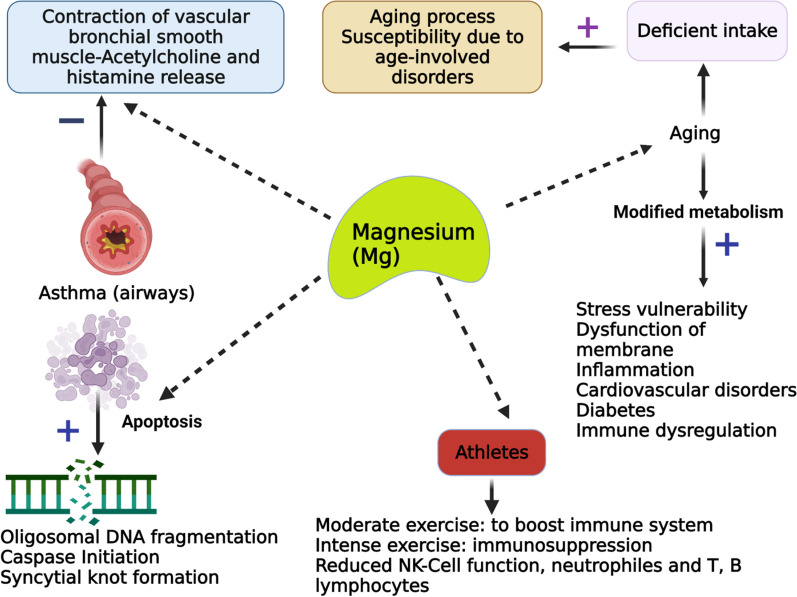
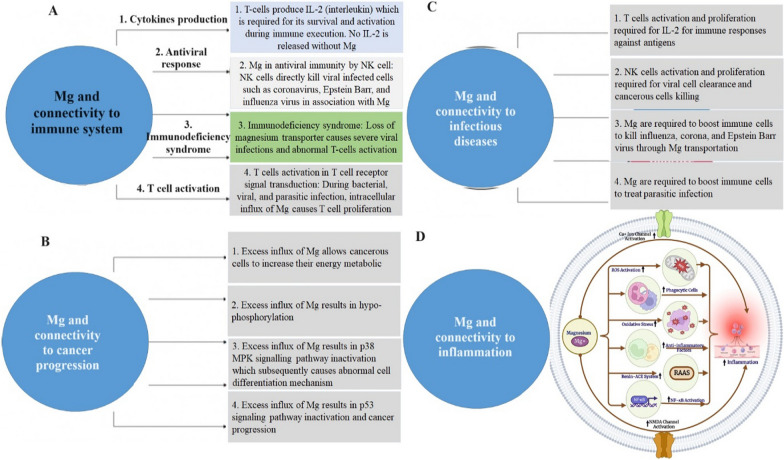
Results: Mg has long been associated with immunological responses, both nonspecific and specific. It plays a pivotal role in diverse immune responses by participating in multiple mechanisms. It facilitates substance P binding to lymphoblasts, promotes T helper, B cell, and macrophage responses to lymphokines, and facilitates antibody-dependent cytolysis and immune cell adherence. Besides, Mg serves as a cofactor for C'3 convertase and immunoglobulin synthesis. It additionally boasts a significant anti-cancer effect. Chronic Mg deficiency leads to enhanced baseline inflammation associated with oxidative stress, related to various age-associated morbidities. A deficiency of Mg in rodents has been observed to impact the cell-mediated immunity and synthesis of IgG adversely. This deficiency can lead to various complications, such as lymphoma, histaminosis, hypereosinophilia, increased levels of IgE, and atrophy of the thymus. The immunological consequences of Mg deficiency in humans can be influenced by the genetic regulation of Mg levels in blood cells. Mg can also mediate cell cycle progression. There has been a renewed interest in the physiology and therapeutic efficacy of Mg. However, the in-depth mechanisms, their clinical significance, and their importance in malignancies and inflammatory disorders still need to be clarified.
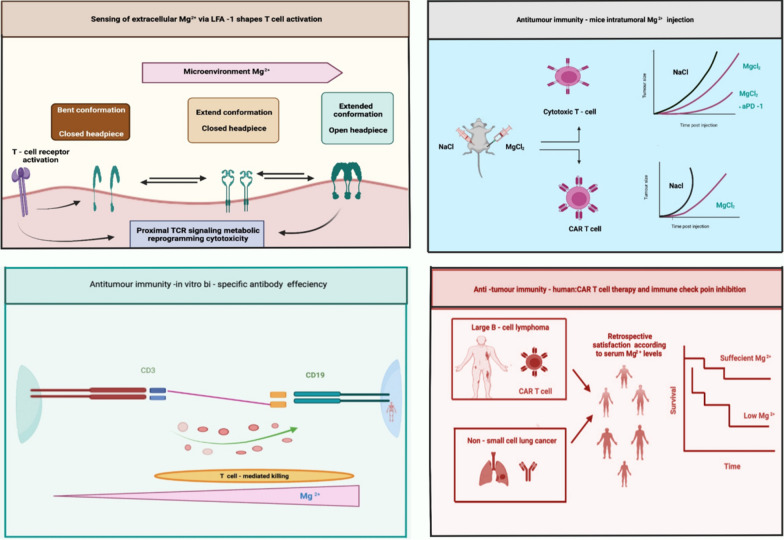
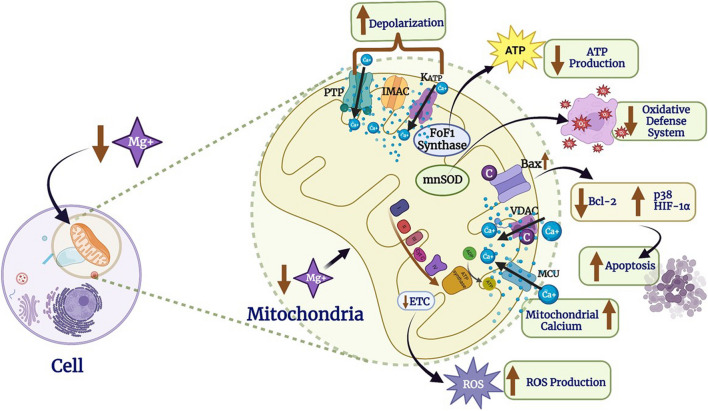
Conclusions: Mg is essential for optimal immune function and regulating inflammation. Deficiency in Mg can lead to temporary or long-term immune dysfunction. A balanced diet usually provides sufficient Mg, but supplementation may be necessary in some cases. Excessive supplementation can have negative impacts on immune function and should be avoided. This review provides an update on the importance of Mg in an immune response against cancer cells and infectious agents and how it regulates inflammation, oxidative stress, cell progression, differentiation, and apoptosis.
Keywords: Cancer; Immune modulator; Infectious diseases; Magnesium.
© 2023. The Author(s).
Conflict of interest statement
The authors declare no competing interests.
Figures
References
-
- Soriano-Pérez L, Aranda-Rivera AK, Cruz-Gregorio A, Pedraza-Chaverri J. Magnesium and type 2 diabetes mellitus: clinical and molecular mechanisms. Health Sci Rev. 2022;4:100043. doi: 10.1016/j.hsr.2022.100043. - DOI
Publication types
MeSH terms
Substances
LinkOut - more resources
Full Text Sources
Medical
Miscellaneous
