[Preprint]. 2023 Jul 15:2023.07.13.546418.
doi: 10.1101/2023.07.13.546418.

Internet-connected cortical organoids for project-based stem cell and neuroscience education

Affiliations

Internet-connected cortical organoids for project-based stem cell and neuroscience education

Matthew A T Elliott et al. bioRxiv. .

Update in

Abstract

The introduction of internet-connected technologies to the classroom has the potential to revolutionize STEM education by allowing students to perform experiments in complex models that are unattainable in traditional teaching laboratories. By connecting laboratory equipment to the cloud, we introduce students to experimentation in pluripotent stem cell-derived cortical organoids in two different settings: Using microscopy to monitor organoid growth in an introductory tissue culture course, and using high density multielectrode arrays to perform neuronal stimulation and recording in an advanced neuroscience mathematics course. We demonstrate that this approach develops interest in stem cell and neuroscience in the students of both courses. All together, we propose cloud technologies as an effective and scalable approach for complex project-based university training.

Keywords: Brain organoids; Internet-of-Things; Neuroscience; Organoids; STEM Education; Stem Cells.


Conflict of interest statement

DECLARATION OF INTERESTS STATEMENT M.A.M.-R. is a cofounder of Paika, a company for remote people-to-people interactions. The authors declare no other conflicts of interests.

Figures
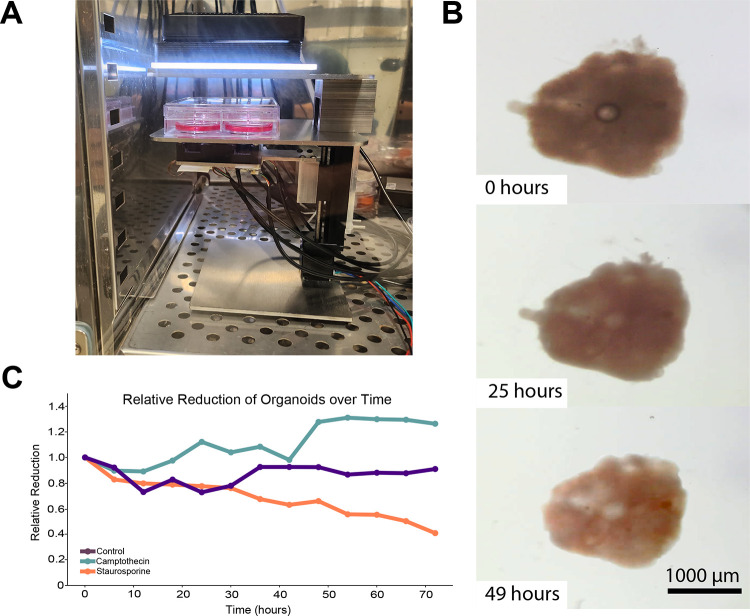
Figure 1.
Figure 1.. Internet-enabled microscopy enables longitudinal organoid tracking.
A. Experimental setup showing a Streamscope inside a tissue culture incubator tracking 6 organoids. B. Example of an organoid exposed to the proapoptotic drug Staurosporine. C. Example results obtained from a group of students calculating the maximal organoid area over 72 hours. For this experiment, each group of students measured 3 individual organoids, one of each condition.
Figure 2.
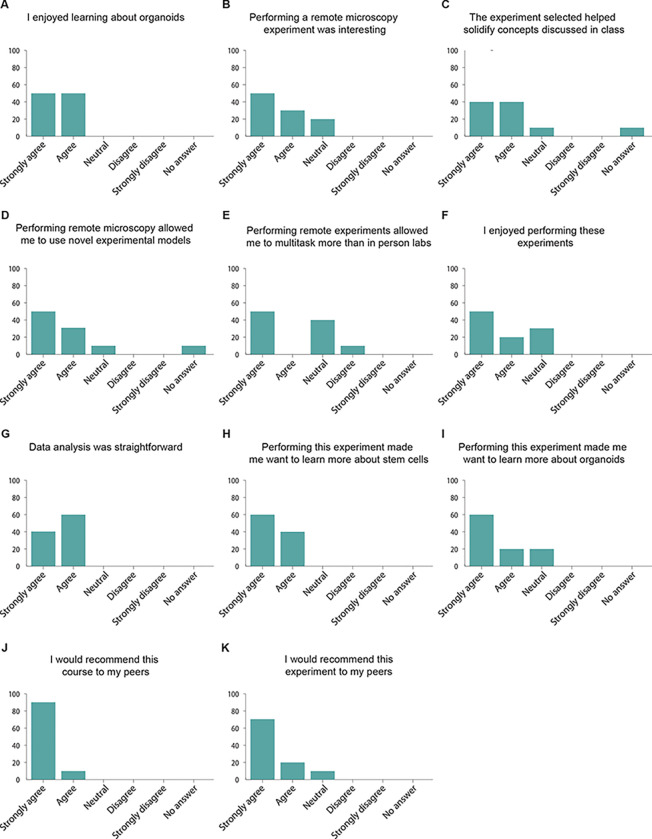
Figure 2.. Students who perform remote cortical organoid culture report positive feelings and strong interest in stem cell topics.
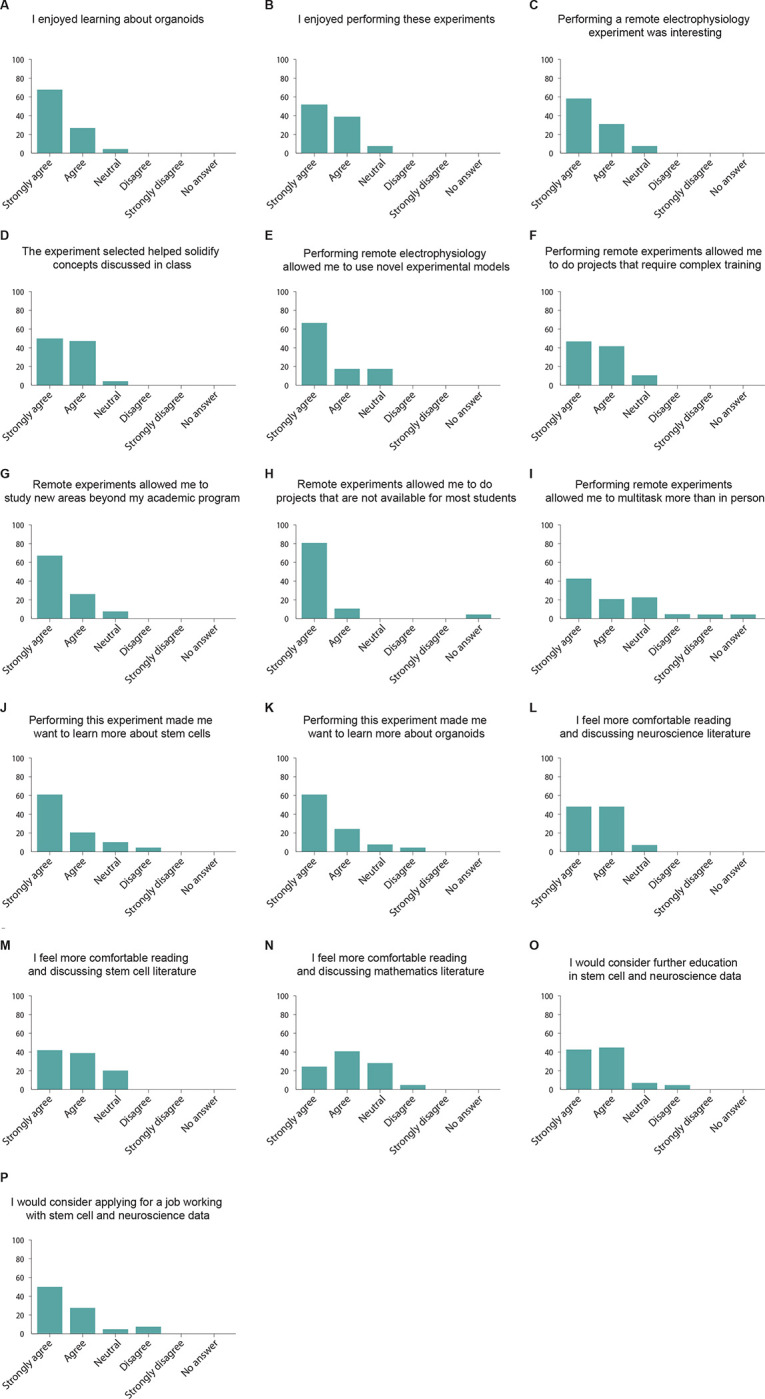
(A-K) Responses of the Techniques in Tissue Culture students to the post-experiment survey. n = 10 students.
Figure 3.
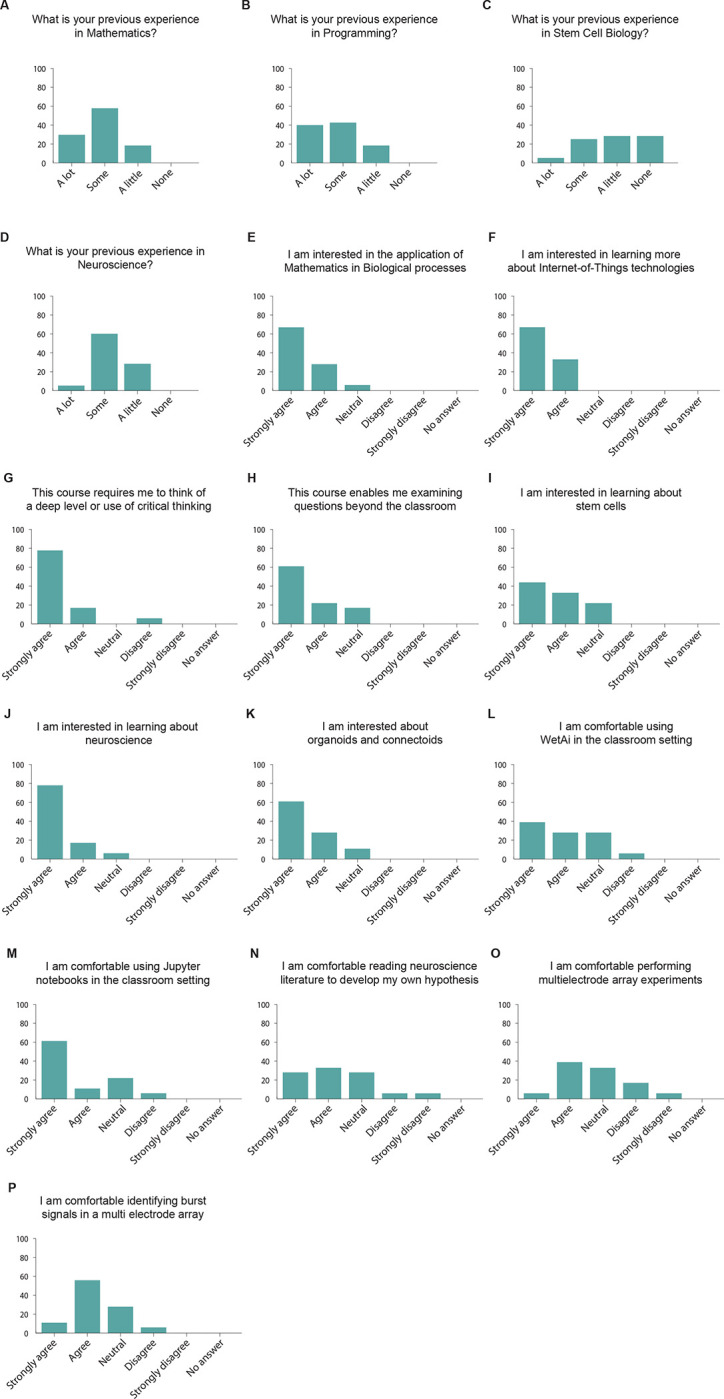
Figure 3.. Students’ previous experience and reported interest in topics related to mathematics, neuroscience and stem cell biology.
A-P. Students’ answers to a survey assessing their level of experience and interest in the topics covered in the Mathematics of the Mind course. n = 18 students.
Figure 4.
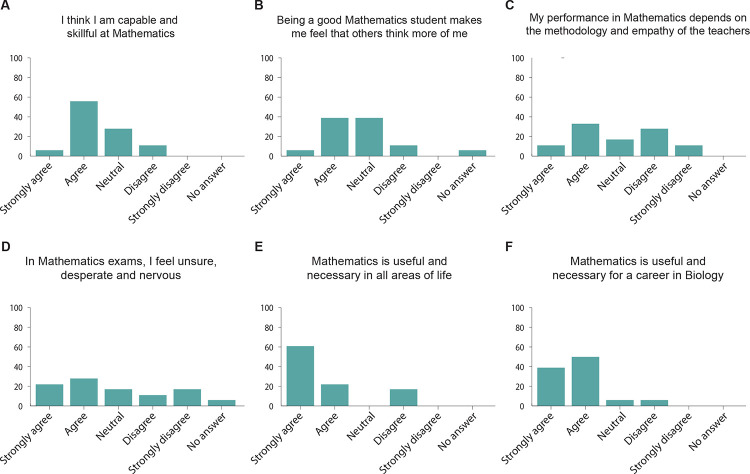
Figure 4.. Mathematics self-concept of the students.
A-F. Students’ answers to a survey assessing their mathematics self-concept. n = 18 students.
Figure 5.
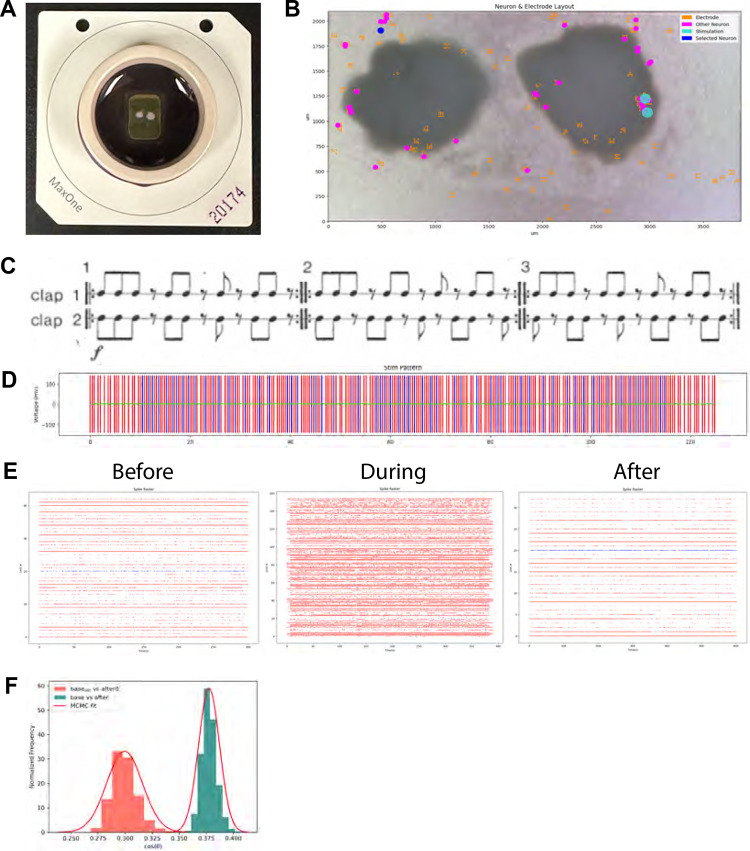
Figure 5.. Student experiments explore programming neuronal circuits
A. Students were assigned two cerebral organoids (a test and control) to use in an experiment they designed. The organoids were placed on an HD MEA, which was used to send their electrophysiology stimulus pattern. B. The students used online software to explore the data. The software shows the location of neurons across the two organoids it is interacting with, as well as stimulation sites. Students can select a neuron to view specific information from it, such as the spike raster. C. The experiment shown involved a team of students who decided to code the rhythm of Steve Reich’s duet, Clapping Music. Each performers’ pattern was sent to different neurons. Image is from Reich’s music score. D. The students use the online software to verify that the stimulation pattern sent to the neurons follows the rhythm of the music. Red and blue represent the stimulation patterns sent to 2 different neuronal sites. E. The students were given the neuronal spike raster data from before, during and after the experiment. These graphs display the time points at which different neurons fire action potentials. Students can determine if the stimulus pattern they created evoked the predicted neuronal response by comparing the firing patterns between neurons. F. Example of the types of computational analysis students performed. To see if the stimulation had an effect on the neurons, this team performed a statistical test on the cosine similarity score, a metric of correlation. The test compared spontaneous activity directly after stimulation to that of 10 minutes after. They noticed that there was a statistically significant difference in the distribution of the cosine similarities between the two timepoints. MCMC fit = Markov-Chain Monte Carlo fit.
Figure 6.
Figure 6.. Mathematics students report positive attitudes toward stem cells and neuroscience topics after performing experiments with cortical organoids.
(A-P) Post-experiment survey results for the Mathematics of the Mind course. n = 24 students.

References

    1. Accorsi A., Williams M.M., Ross E.J., Robb S.M., Elliott S.A., Tu K.C. and Alvarado A.S., 2017. Hands-on classroom activities for exploring regeneration and stem cell biology with planarians. The American Biology Teacher, 79(3), pp.208–223
    1. Adewole D.O., Struzyna L.A., Burrell J.C., Harris J.P., Nemes A.D., Petrov D., Kraft R.H., Chen H.I., Serruya M.D., Wolf J.A. and Cullen D.K., 2021. Development of optically controlled “living electrodes” with long-projecting axon tracts for a synaptic brain-machine interface. Science Advances, 7(4), p.eaay5347. - PubMed
    1. Andrews M.G., Mukhtar T., Eze U.C., Simoneau C.R., Ross J., Parikshak N., Wang S., Zhou L., Koontz M., Velmeshev D. and Siebert C.V., 2022. Tropism of SARS-CoV-2 for human cortical astrocytes. Proceedings of the National Academy of Sciences, 119(30), p.e2122236119. - PMC - PubMed
    1. Bajek A. and Drewa T., 2011. Should we teach regenerative medicine during undergraduate education?. Stem Cell Studies, 1(1), pp.e14–e14.
    1. Baudin P.V., Ly V.T., Pansodtee P., Jung E.A., Currie R., Hoffman R., Willsey H.R., Pollen A.A., Nowakowski T.J., Haussler D. and Mostajo-Radji M.A., 2022a. Low cost cloud based remote microscopy for biological sciences. Internet of Things, 18, p.100454.

Publication types