Review
. 2023 Jul 5;15(7):1889.
doi: 10.3390/pharmaceutics15071889.

Synthetic Pathways to Non-Psychotropic Phytocannabinoids as Promising Molecules to Develop Novel Antibiotics: A Review

Affiliations
Review

Synthetic Pathways to Non-Psychotropic Phytocannabinoids as Promising Molecules to Develop Novel Antibiotics: A Review

Silvana Alfei et al. Pharmaceutics. .

Abstract

Due to the rapid emergence of multi drug resistant (MDR) pathogens against which current antibiotics are no longer functioning, severe infections are becoming practically untreatable. Consequently, the discovery of new classes of effective antimicrobial agents with novel mechanism of action is becoming increasingly urgent. The bioactivity of Cannabis sativa, an herbaceous plant used for millennia for medicinal and recreational purposes, is mainly due to its content in phytocannabinoids (PCs). Among the 180 PCs detected, cannabidiol (CBD), Δ8 and Δ9-tetrahydrocannabinols (Δ8-THC and Δ9-THC), cannabichromene (CBC), cannabigerol (CBG), cannabinol (CBN) and some of their acidic precursors have demonstrated from moderate to potent antibacterial effects against Gram-positive bacteria (MICs 0.5-8 µg/mL), including methicillin-resistant Staphylococcus aureus (MRSA), epidemic MRSA (EMRSA), as well as fluoroquinolone and tetracycline-resistant strains. Particularly, the non-psychotropic CBG was also capable to inhibit MRSA biofilm formation, to eradicate even mature biofilms, and to rapidly eliminate MRSA persiter cells. In this scenario, CBG, as well as other minor non-psychotropic PCs, such as CBD, and CBC could represent promising compounds for developing novel antibiotics with high therapeutic potential. Anyway, further studies are necessary, needing abundant quantities of such PCs, scarcely provided naturally by Cannabis plants. Here, after an extensive overture on cannabinoids including their reported antimicrobial effects, aiming at easing the synthetic production of the necessary amounts of CBG, CBC and CBD for further studies, we have, for the first time, systematically reviewed the synthetic pathways utilized for their synthesis, reporting both reaction schemes and experimental details.

Keywords: Cannabis sativa; bacterial resistance; cannabichromene (CBC); cannabidiol (CBC); cannabigerol (CBG); endocannabinois (ECs); methicillin-resistant S. aureus (MRSA); multi drug resistant (MDR) bacteria; phytocannabinoids (PCs); synthetic cannabinoids (SCs); synthetic procedures.


Conflict of interest statement

The authors declare no conflict of interest.

Figures
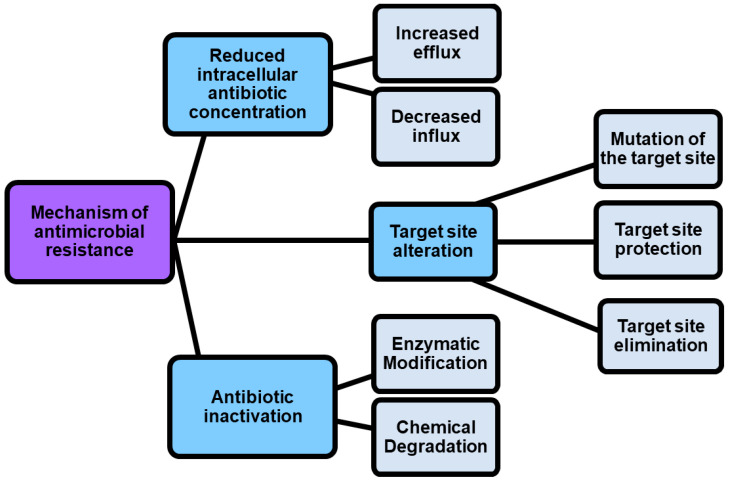
Figure 1
Figure 1
Mechanisms by which pathogens can become resistant.
Figure 2
Figure 2
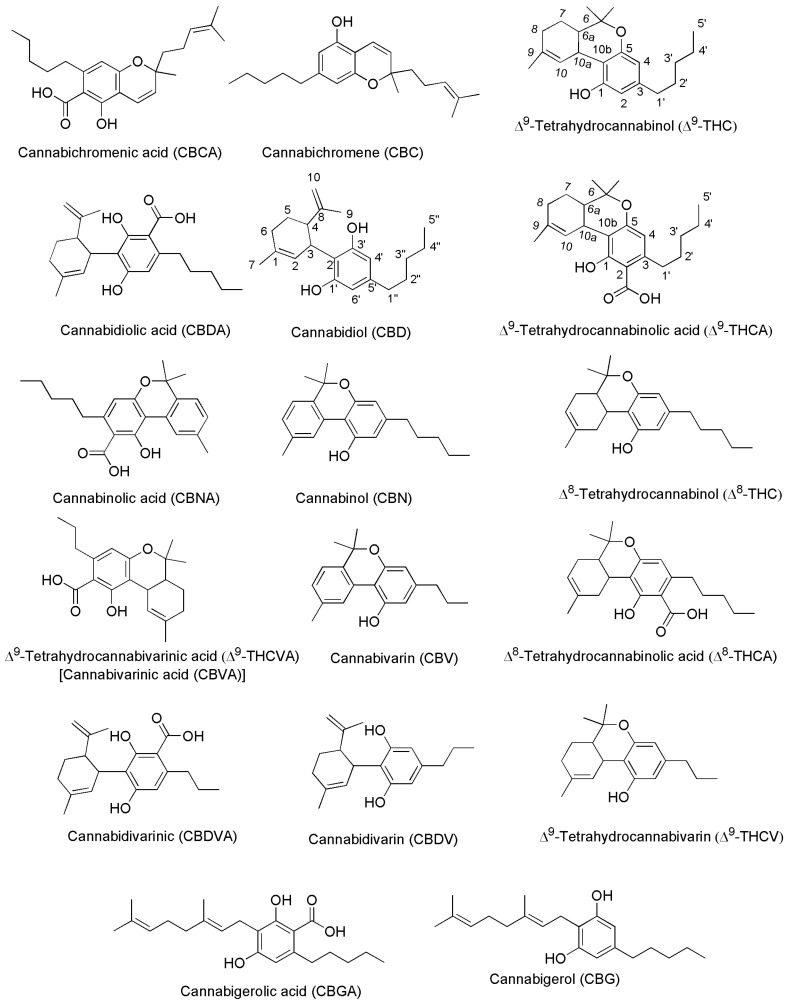
Chemical structure of the main PCs found in C. sativa acting on CB1 and/or CB2 receptors.
Figure 3
Figure 3
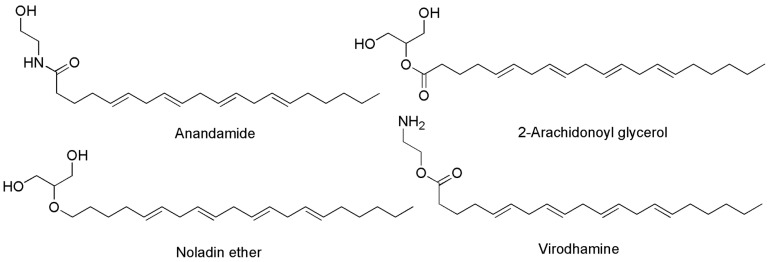
Chemical structure of the main ECs found in humans acting on CB1 and/or CB2 receptors.
Figure 4
Figure 4
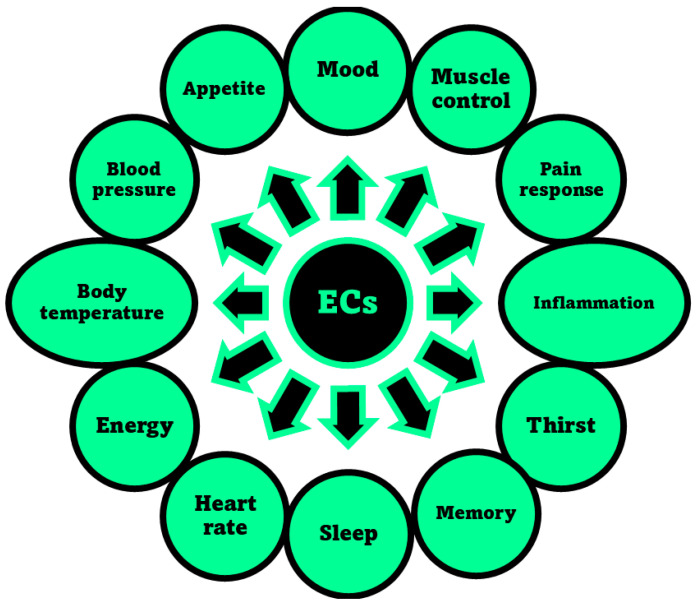
Aspects of humans’ life regulated by the ECS, through the interaction of ECs with receptors CB1 and/or CB2, as reported in the relevant review by Sharma et al. [52].
Figure 5
Figure 5
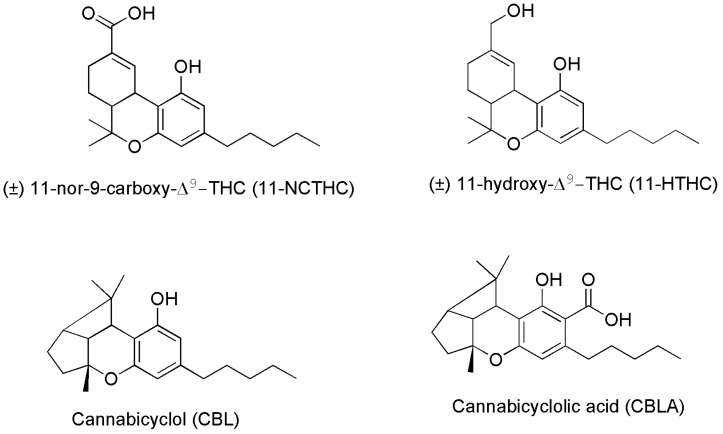
Chemical structure of two THC metabolites (11-NCTHC and 11-HTHC) and of two products deriving from CBCA degradation.
Figure 6
Figure 6
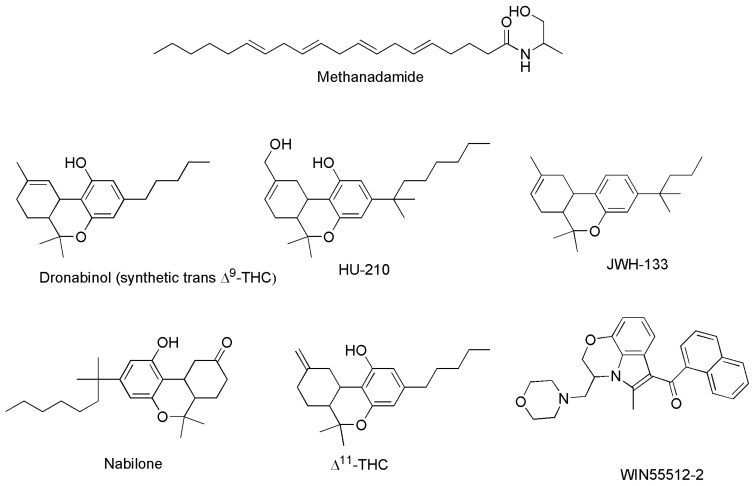
Structure of some SCs capable to act on CB1 and/or CB2 receptors.
Figure 7
Figure 7
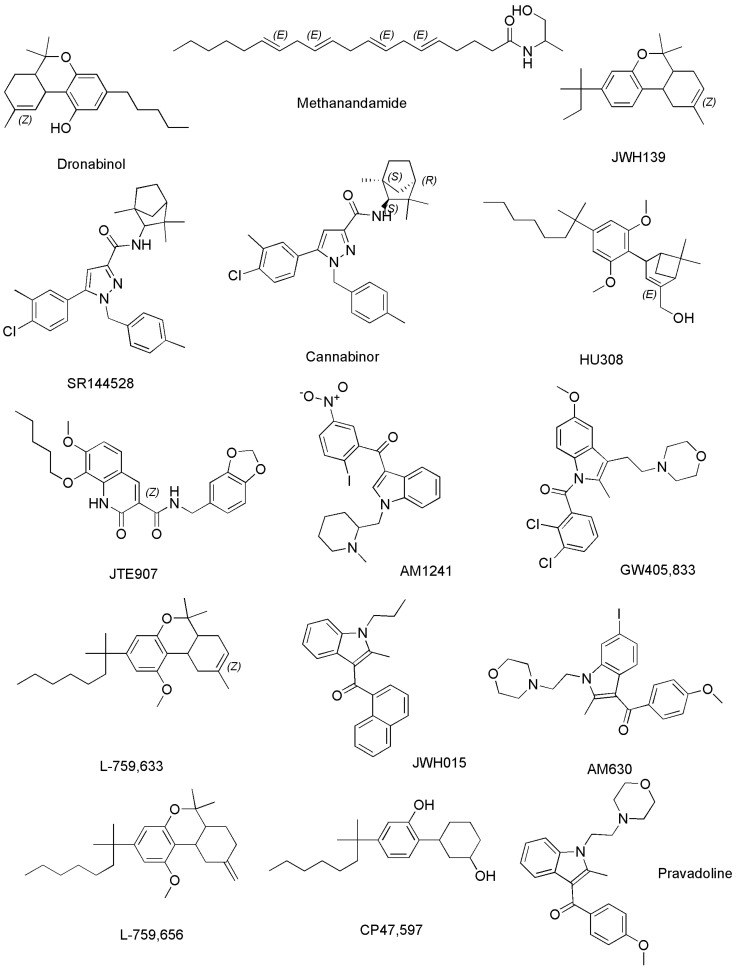
Structure of SCs capable to act on CB1 and/or CB2 reported in Table 3 and not previously shown in Figure 6.
Figure 8
Figure 8
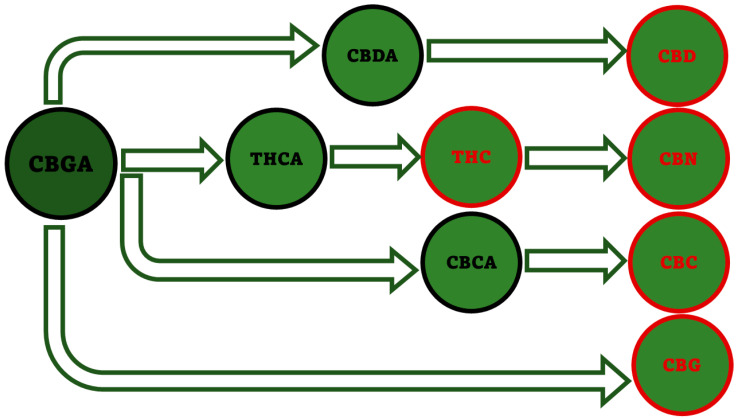
Biosynthetic pathway starting from CBGA and leading to the five major PCs. This image has been created by the authors exploiting information available online at https://www.openaccessgovernment.org/cbg-the-mother-of-all-cannabinoids-with-broad-antibacterial-activity/95824/ (accessed on 3 May 2023).
Figure 9
Figure 9
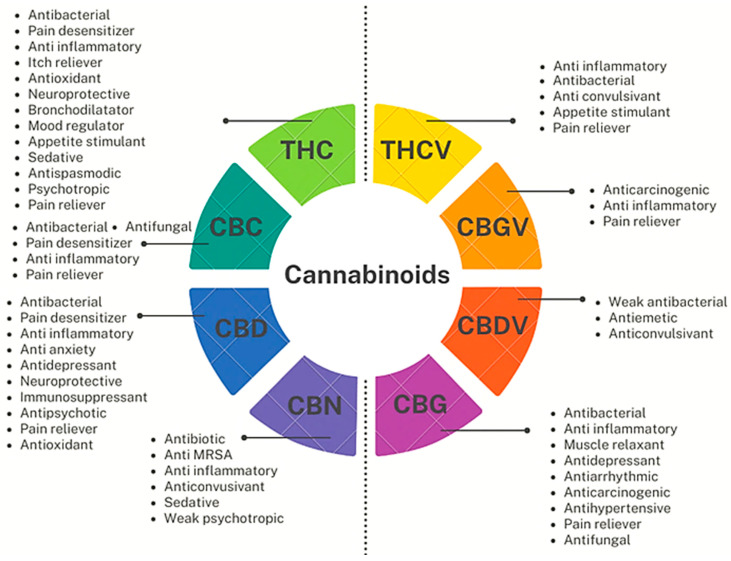
Pharmacological properties of some relevant major and minor PCs. Figure 9 has been originally created by the authors using information found online [41] and using Flipsnack, a free dowlodable application to produce PowerPoint professional designes, available online at https://app.flipsnack.com/editor/7uld8l9xu3 (accessed on 14 June 2023).
Figure 10
Figure 10
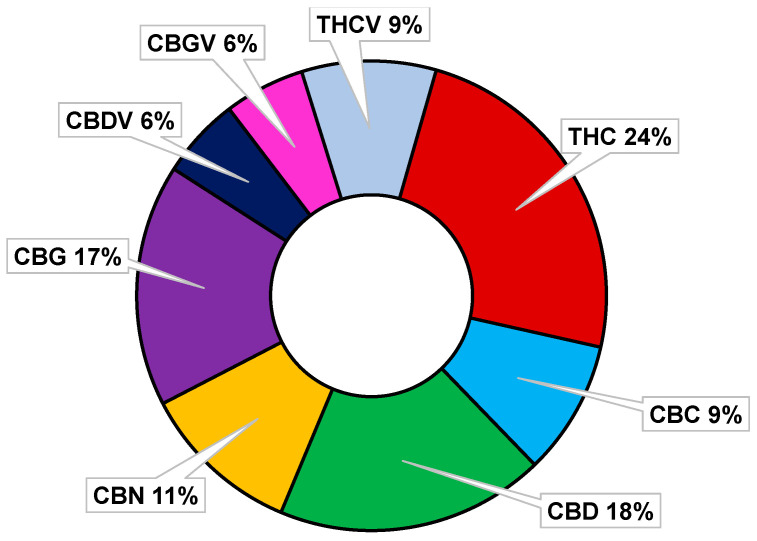
Percentages of pharmacological properties possessed by some major and minor cannabinoids.
Figure 11
Figure 11
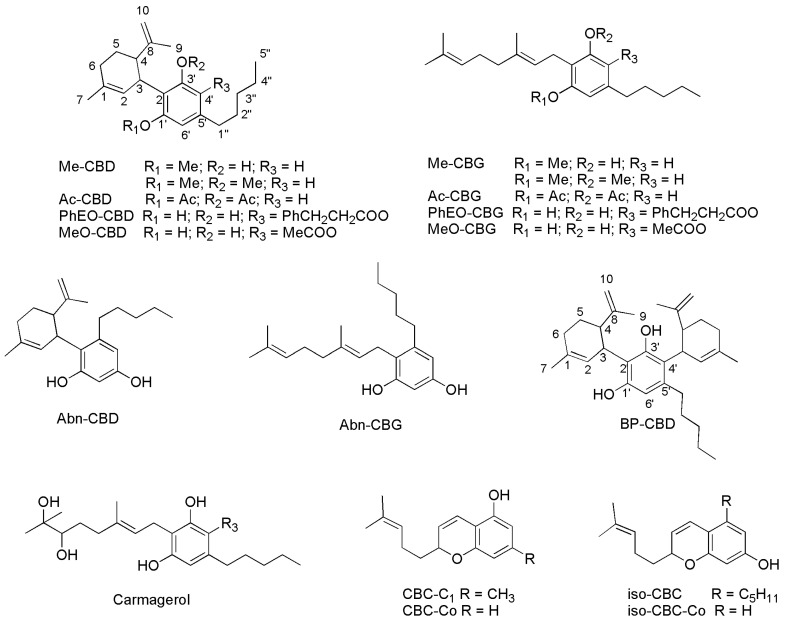
SCs reported in Table 4 whose chemical structure was not reported previously. Abn-CBD and Abn-CBG are defined as orto-isomers of para-derivatives CBD and CBG, being the orto- and para-positions those reciprocals to the pentyl chain.
Scheme 1
Scheme 1
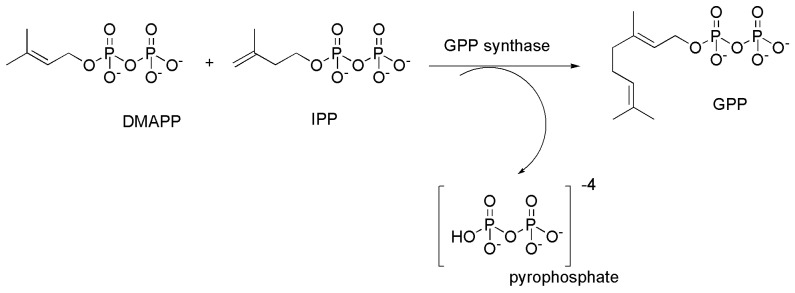
Synthesis of geranyl pyrophosphate (GPP) from dimethylallyl pyrophosphate (DMAPP) and isopentenyl pyrophosphate (IPP) catalyzed by geranyl pyrophosphate synthase.
Scheme 2
Scheme 2
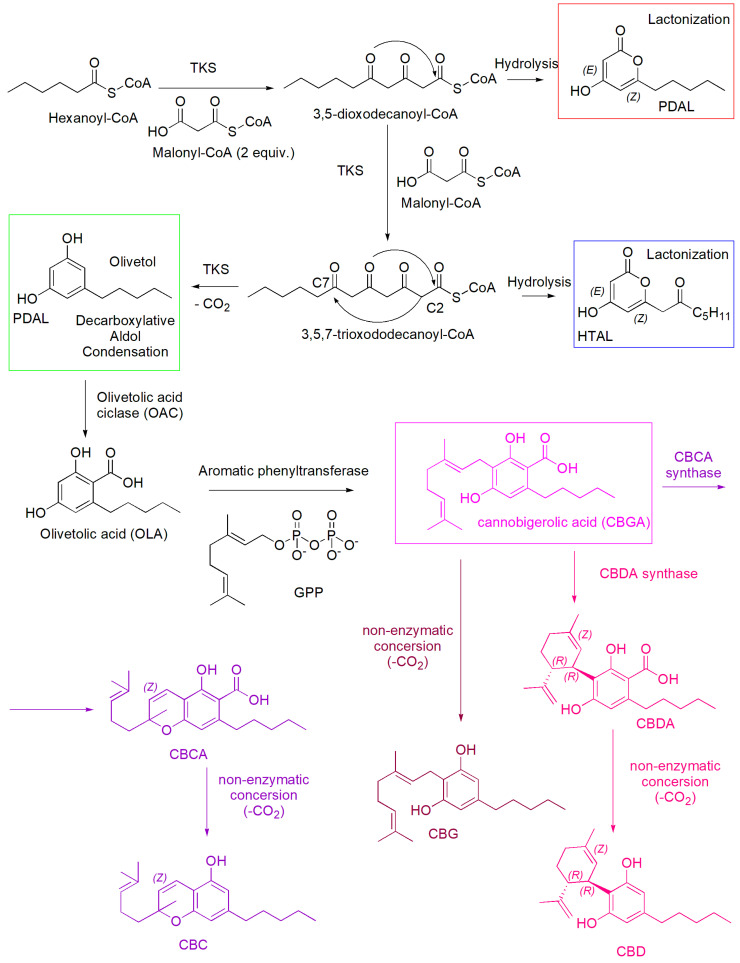
Biosynthesis of non-psychotropic cannabinoids CBG (amaranth route), CBD (pink route) and CBC (light purple route), including the formation of the three by-products pentyl diacetic lactone (PDAL), hexanoyl triacetic acid lactone (HTAL), and olivetol.
Scheme 3
Scheme 3
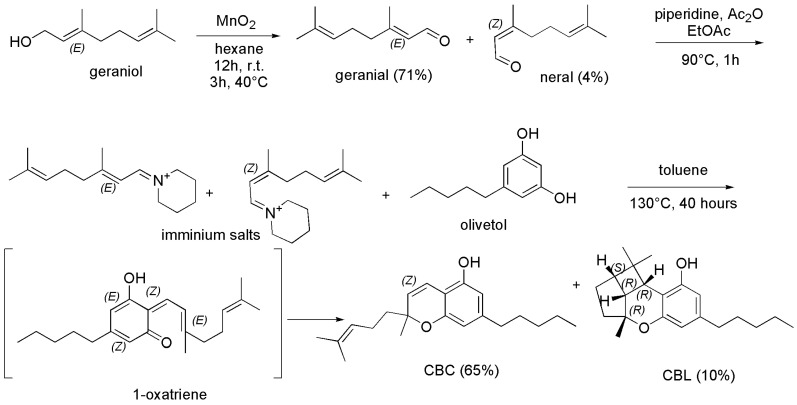
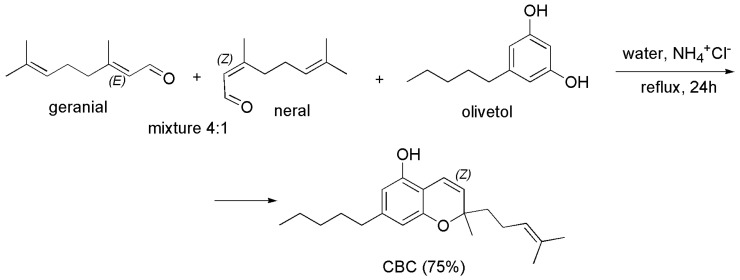
Synthetic procedure to achieve CBC [93]. Ac2O = acetic anhydride; EtOAc = ethyl acetate.
Scheme 4
Scheme 4
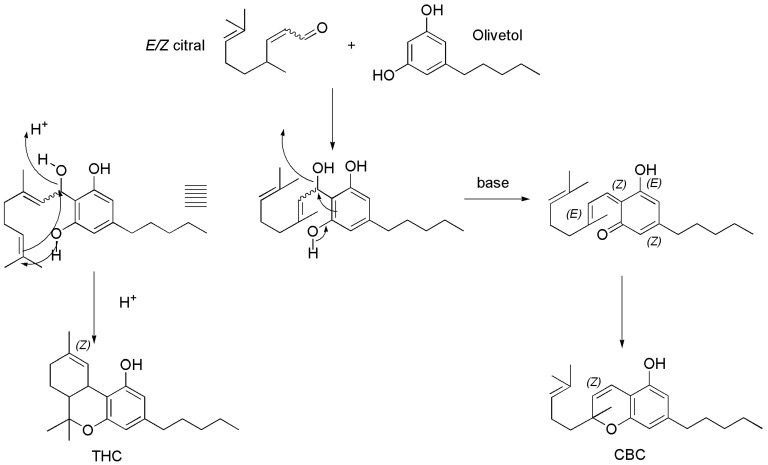
Synthetic procedure to achieve either CBC in basic conditions or THC in acidic ones [98].
Scheme 5
Scheme 5
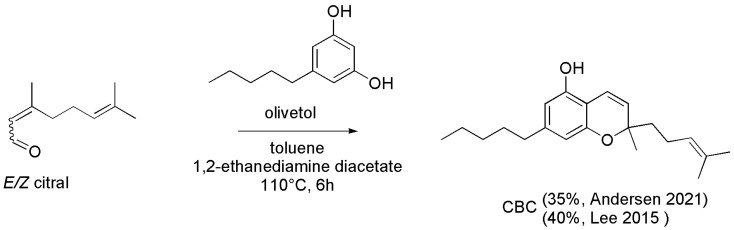
Synthesis of CBC [99,100].
Scheme 6
Scheme 6
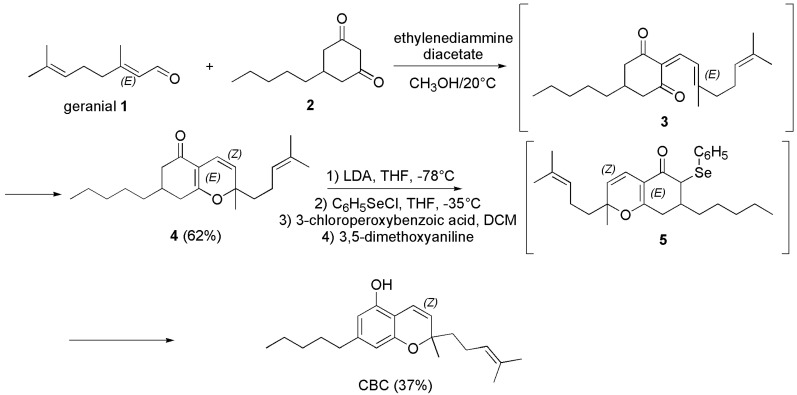
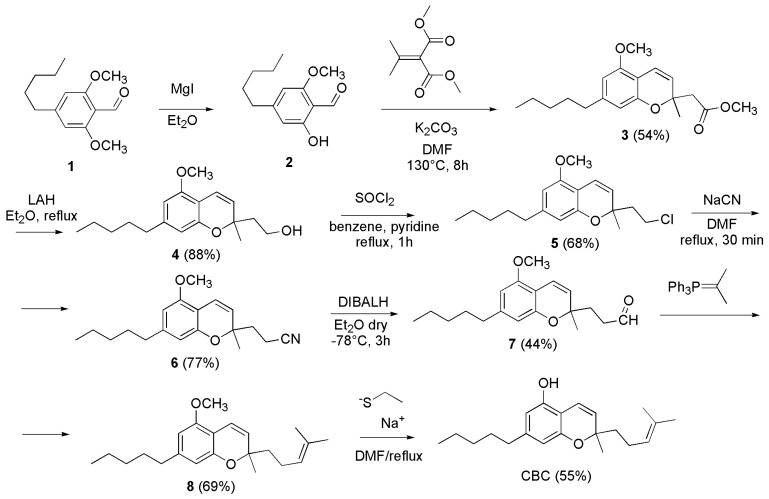
Synthesis of CBC [101].
Scheme 7
Scheme 7
Synthesis of CBC [103].
Scheme 8
Scheme 8
Synthesis of CBC [104].
Scheme 9
Scheme 9
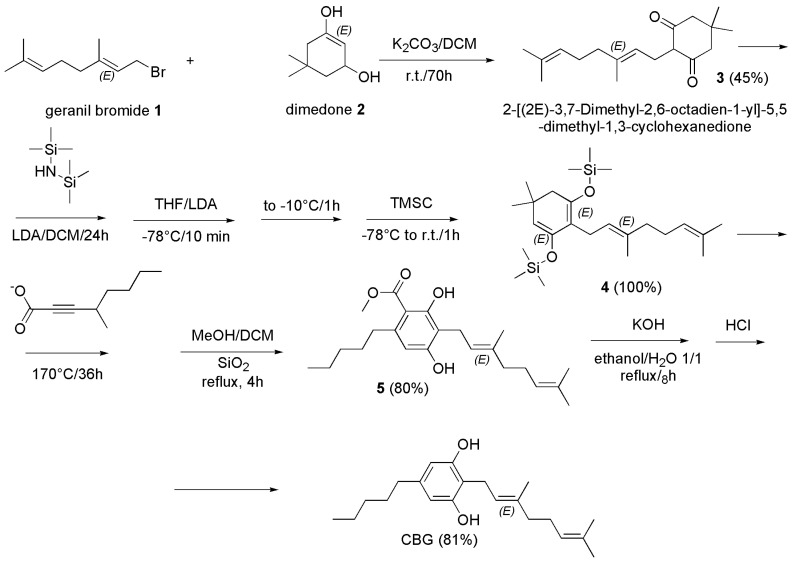
Synthesis of CBG [105].
Scheme 10
Scheme 10
Synthesis of CBG [102].
Scheme 11
Scheme 11
Synthesis of CBG [108]. Silica = Si2O3.
Scheme 12
Scheme 12
Synthesis of CBG [113].
Scheme 13
Scheme 13
Synthesis of CBG [93].
Scheme 14
Scheme 14
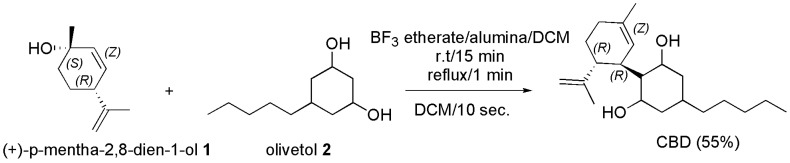
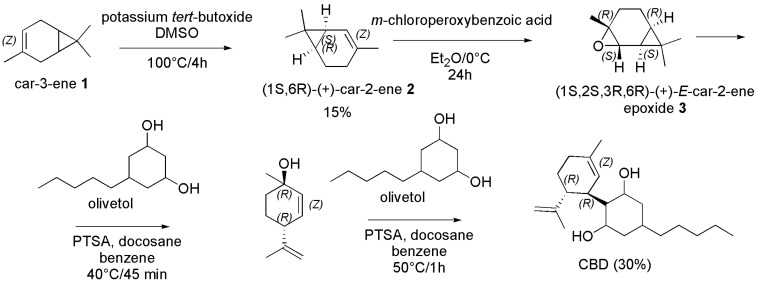
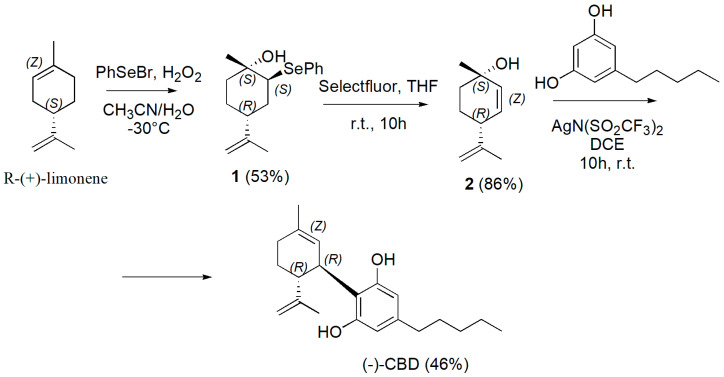
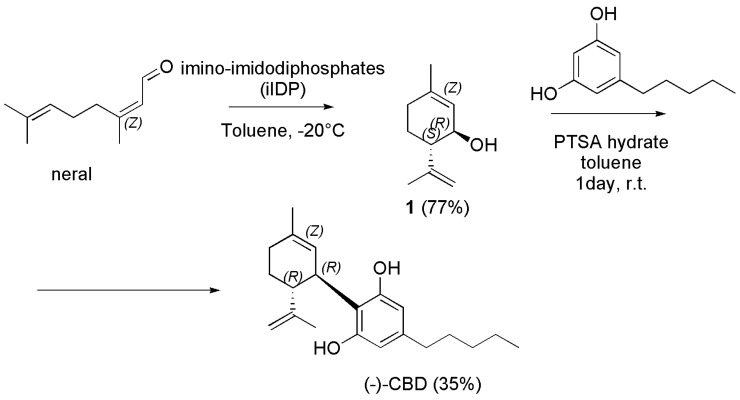
Synthesis of (−)-CBD [108]. Alumina = Al2O3.
Scheme 15
Scheme 15
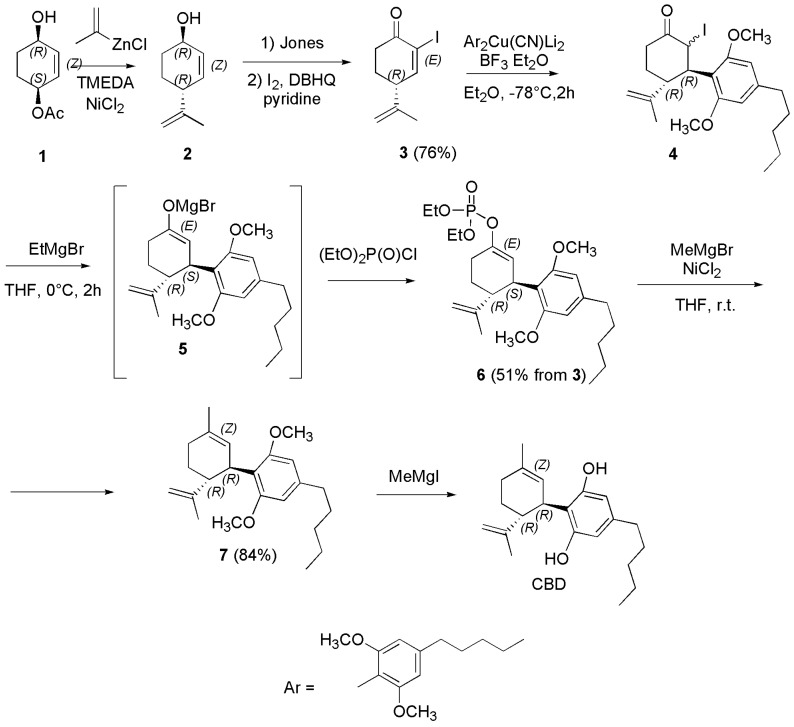
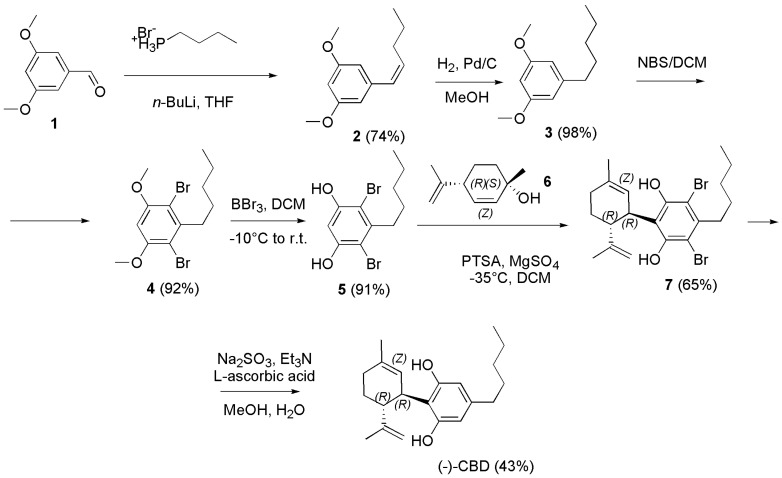
Synthesis of (−)-CBD [120].
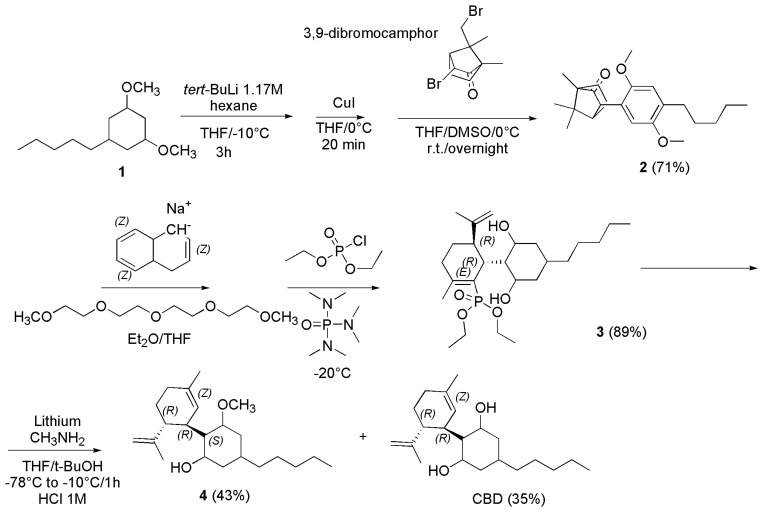
Scheme 16
Scheme 16
Synthesis of (−)-CBD [123].
Scheme 17
Scheme 17
Synthesis of (−)-CBD [124].
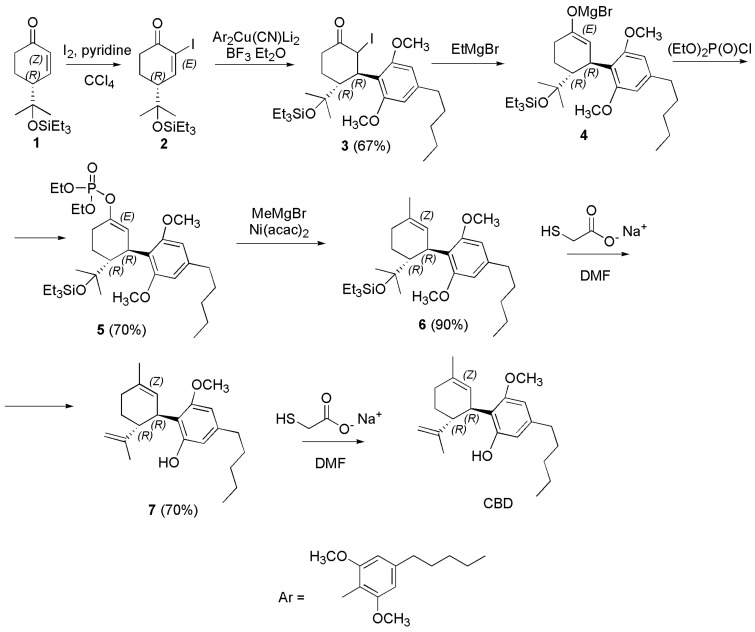
Scheme 18
Scheme 18
Synthesis of (−)-CBD [125]. Ni(acac)2 = nickel (II) acetylacetonate.
Scheme 19
Scheme 19
Synthesis of (−)-CBD [126].
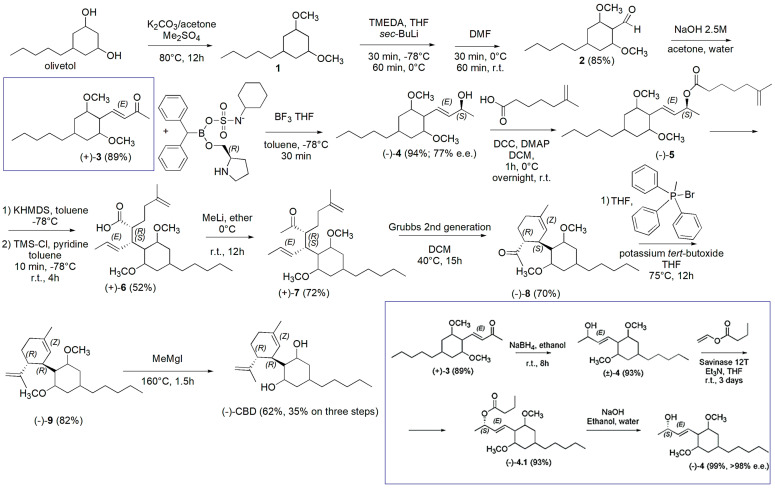
Scheme 20
Scheme 20
Synthesis of (−)-CBD [127]. In the blue square the alternative route described in the main text starting from 3 has been reported.
Scheme 21
Scheme 21
Synthesis of (−)-CBD [128].
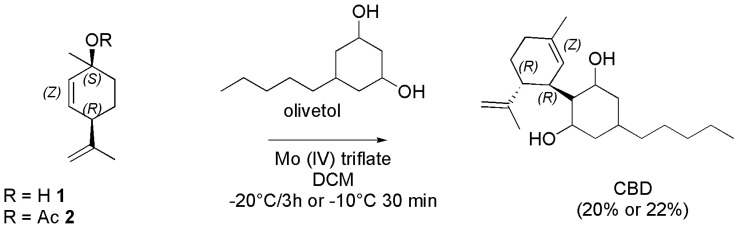
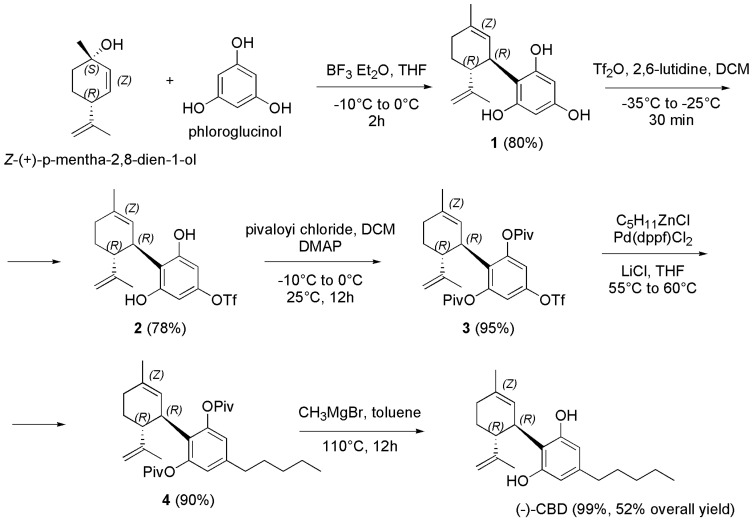
Scheme 22
Scheme 22
Synthesis of (−)-CBD [129].
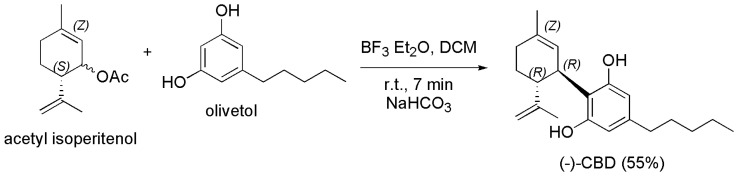
Scheme 23
Scheme 23
Synthesis of (−)-CBD [76].
Scheme 24
Scheme 24
Synthesis of (−)-CBD [130].
Scheme 25
Scheme 25
Synthesis of (−)-CBD [131].
Scheme 26
Scheme 26
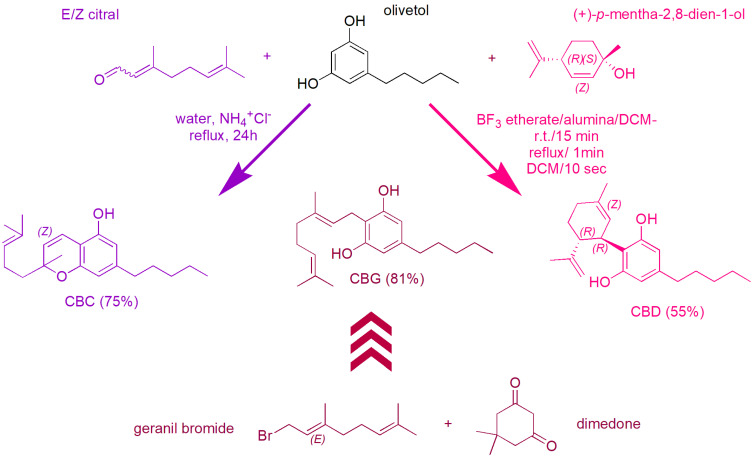
Overview scheme showing the synthetic procedures selected by us as the most convenient in terms of yields to obtain CBC (purple route), CBD (pink route) and CBG (amaranth route). In the route to CBG, each arrow represents a reaction step.
References

    1. Vivas R., Barbosa A.A.T., Dolabela S.S., Jain S. Multidrug-Resistant Bacteria and Alternative Methods to Control Them: An Overview. Microb. Drug Resist. 2019;25:890–908. doi: 10.1089/mdr.2018.0319. - DOI - PubMed
    1. Mancuso G., Midiri A., Gerace E., Biondo C. Bacterial Antibiotic Resistance: The Most Critical Pathogens. Pathogens. 2021;10:1310. doi: 10.3390/pathogens10101310. - DOI - PMC - PubMed
    1. WHO Antimicrobial Resistance. [(accessed on 3 May 2023)]. Available online: https://www.who.int/news-room/fact-sheets/detail/antimicrobial-resistance.
    1. Stojković D., Petrović J., Carević T., Soković M., Liaras K. Synthetic and Semisynthetic Compounds as Antibacterials Targeting Virulence Traits in Resistant Strains: A Narrative Updated Review. Antibiotics. 2023;12:963. doi: 10.3390/antibiotics12060963. - DOI - PMC - PubMed
    1. Chancey S.T., Zahner D., Stephens D.S. Acquired inducible antimicrobial resistance in Gram-positive bacteria. Future Microbiol. 2012;7:959–978. doi: 10.2217/fmb.12.63. - DOI - PMC - PubMed