


The Triple Crown: NO, CO, and H2S in cancer cell biology
- PMID: 37517510
- PMCID: PMC10529678
- DOI: 10.1016/j.pharmthera.2023.108502
The Triple Crown: NO, CO, and H2S in cancer cell biology
Abstract
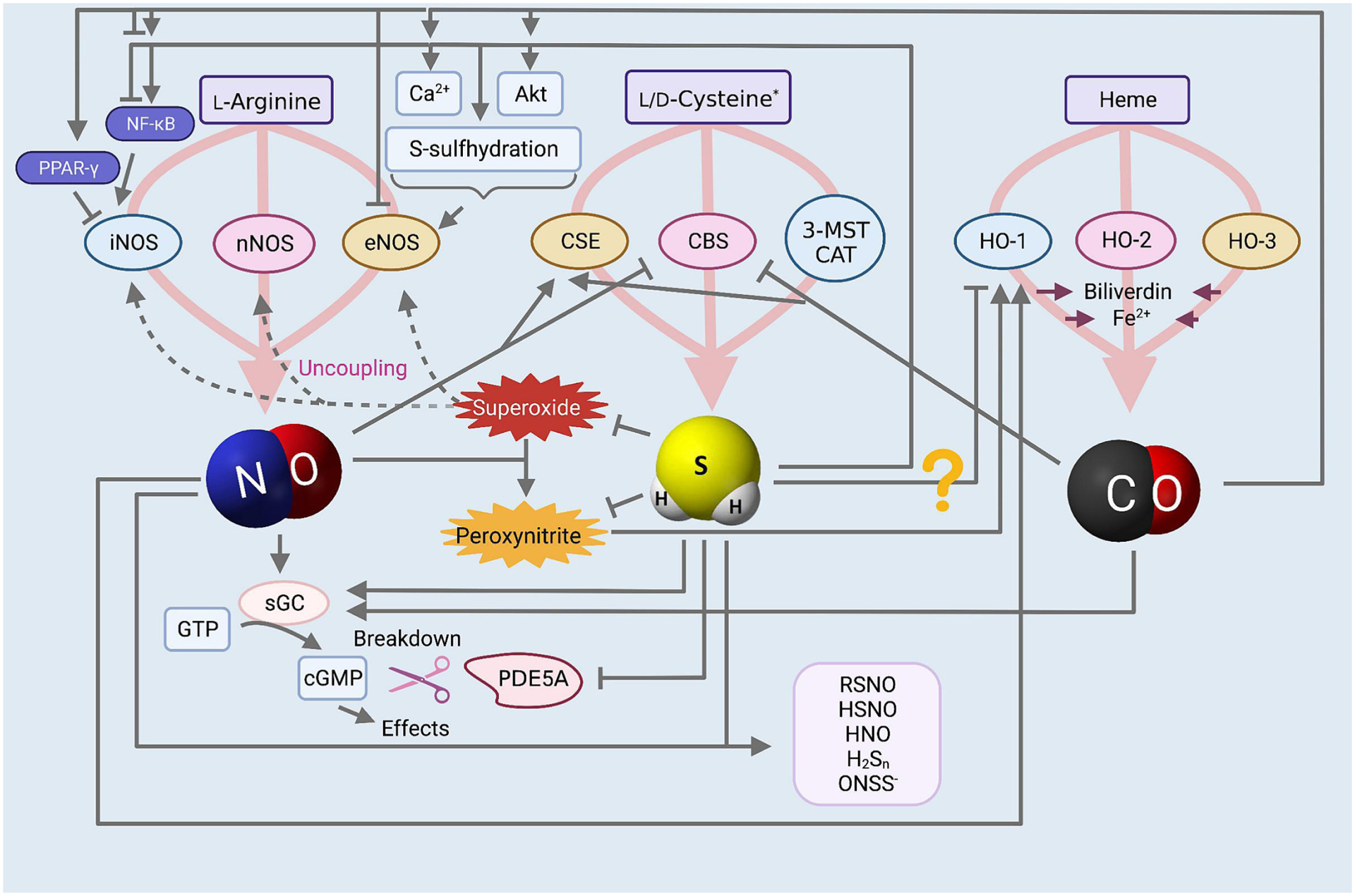
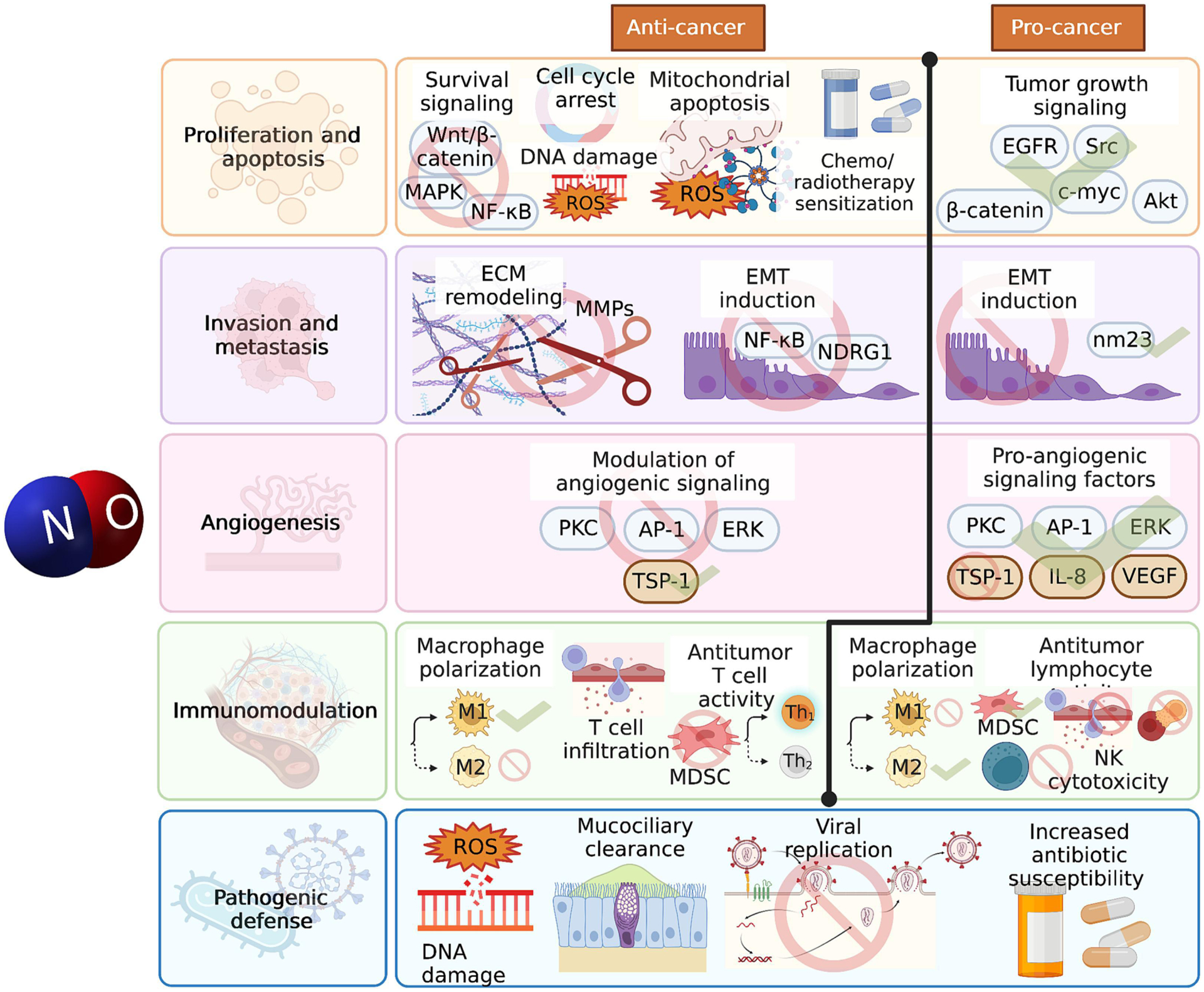
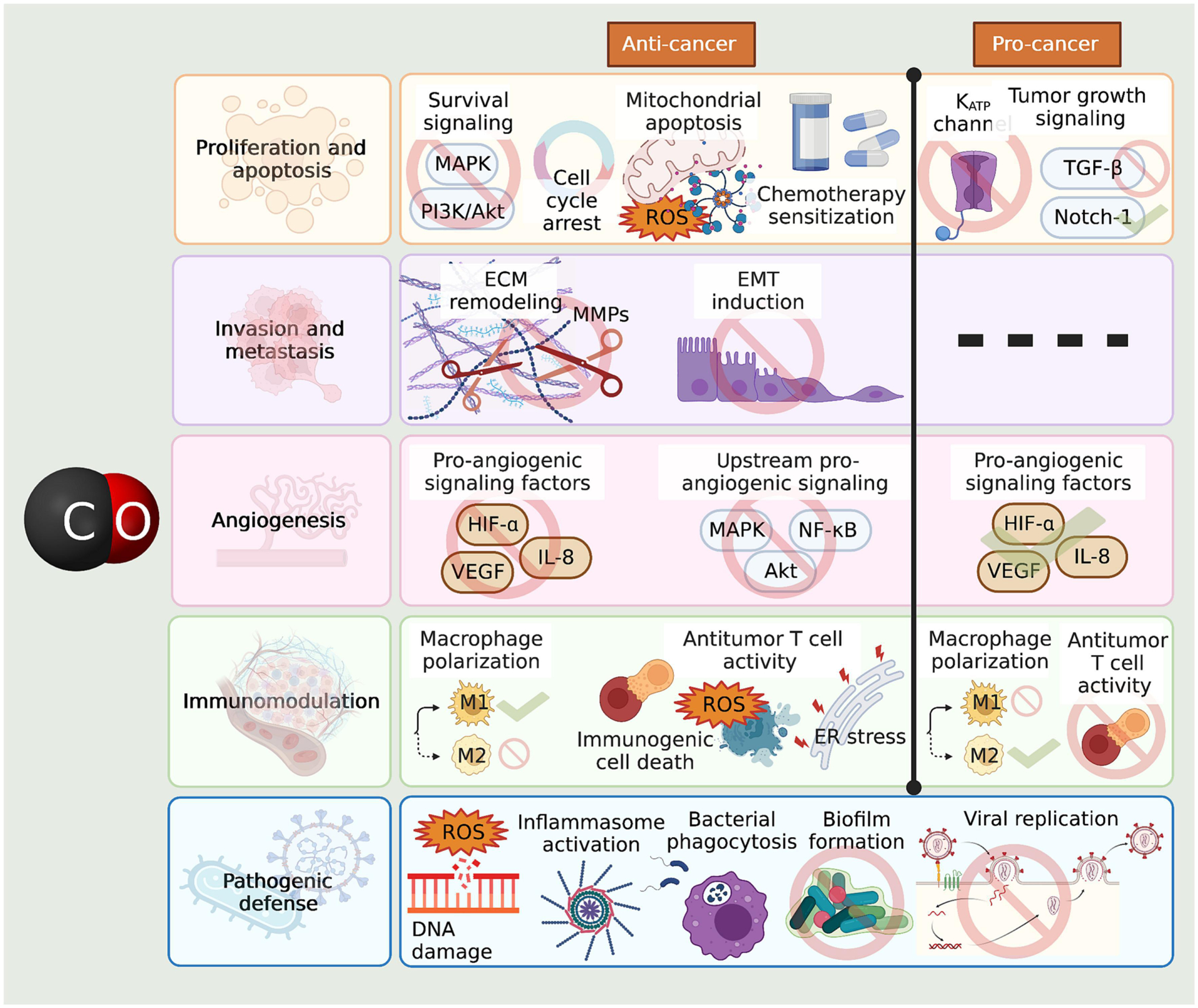
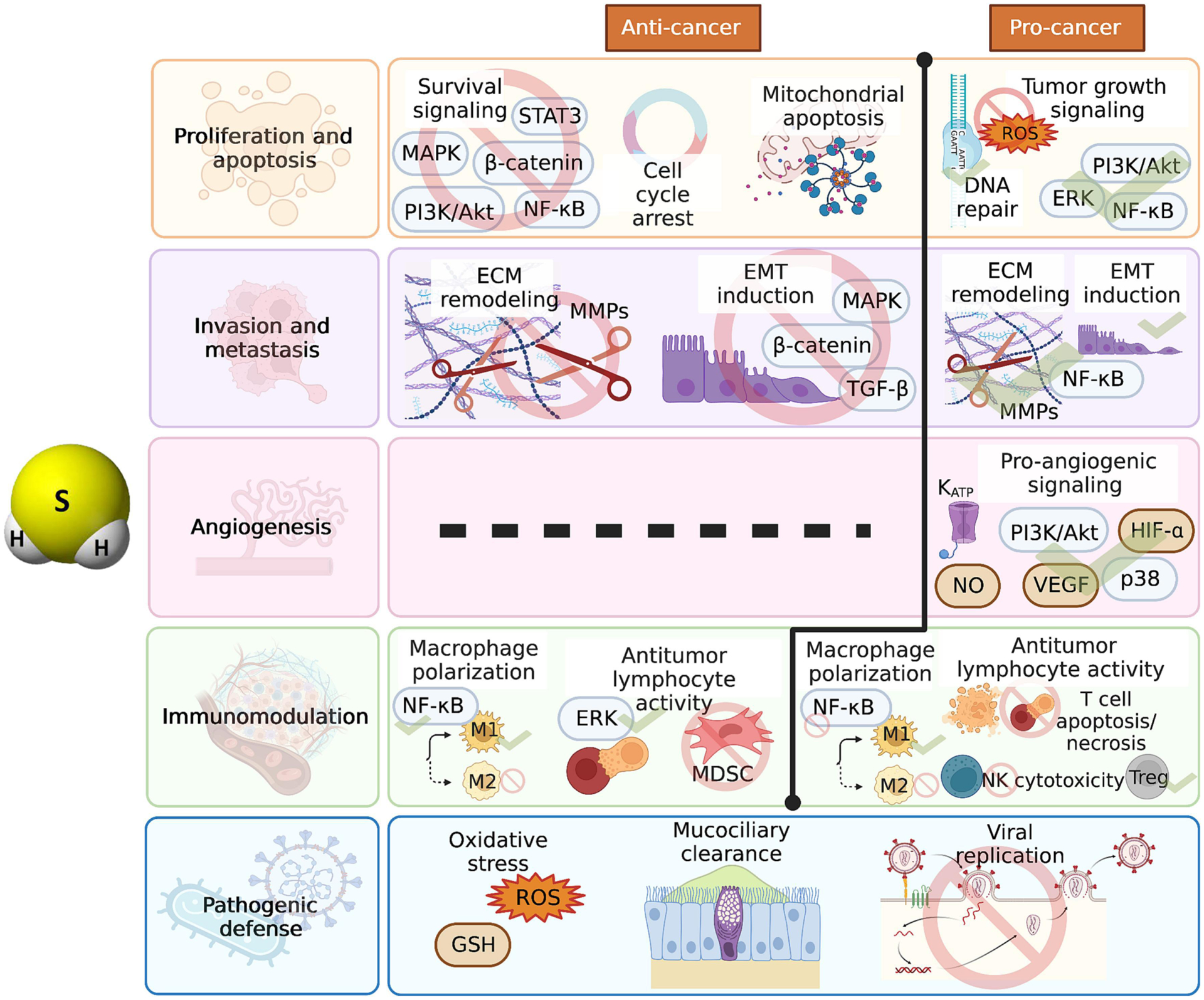
Nitric oxide (NO), carbon monoxide (CO), and hydrogen sulfide (H2S) are three endogenously produced gases with important functions in the vasculature, immune defense, and inflammation. It is increasingly apparent that, far from working in isolation, these three exert many effects by modulating each other's activity. Each gas is produced by three enzymes, which have some tissue specificities and can also be non-enzymatically produced by redox reactions of various substrates. Both NO and CO share similar properties, such as activating soluble guanylate cyclase (sGC) to increase cyclic guanosine monophosphate (cGMP) levels. At the same time, H2S both inhibits phosphodiesterase 5A (PDE5A), an enzyme that metabolizes sGC and exerts redox regulation on sGC. The role of NO, CO, and H2S in the setting of cancer has been quite perplexing, as there is evidence for both tumor-promoting and pro-inflammatory effects and anti-tumor and anti-inflammatory activities. Each gasotransmitter has been found to have dual effects on different aspects of cancer biology, including cancer cell proliferation and apoptosis, invasion and metastasis, angiogenesis, and immunomodulation. These seemingly contradictory actions may relate to each gas having a dual effect dependent on its local flux. In this review, we discuss the major roles of NO, CO, and H2S in the context of cancer, with an effort to highlight the dual nature of each gas in different events occurring during cancer progression.
Keywords: CBS; CSE; Cancer; Carbon monoxide; Cell signaling; Crosstalk; HO-1; Hydrogen sulfide; Nitric oxide; Reactive oxygen species; iNOS.
Copyright © 2023 Elsevier Inc. All rights reserved.
Conflict of interest statement
Declaration of Competing Interest The authors declare no conflict of interest.
Figures
References
-
- Abou Dagher G, El Khuri C, Chehadeh AA-H, Chami A, Bachir R, Zebian D and Bou Chebl R (2017). “Are patients with cancer with sepsis and bacteraemia at a higher risk of mortality? A retrospective chart review of patients presenting to a tertiary care centre in Lebanon.” BMJ Open 7(3): e013502. - PMC - PubMed
-
- Adams C, McCarthy HO, Coulter JA, Worthington J, Murphy C, Robson T and Hirst DG (2009). “Nitric oxide synthase gene therapy enhances the toxicity of cisplatin in cancer cells.” The Journal of Gene Medicine 11(2): 160–168. - PubMed
-
- Agné AM, Baldin J-P, Benjamin AR, Orogo-Wenn MC, Wichmann L, Olson KR, Walters DV and Althaus M (2015). “Hydrogen sulfide decreases β-adrenergic agonist-stimulated lung liquid clearance by inhibiting ENaC-mediated transepithelial sodium absorption.” American Journal of Physiology-Regulatory, Integrative and Comparative Physiology 308(7): R636–R649. - PMC - PubMed
Publication types
MeSH terms
Substances
Grants and funding
LinkOut - more resources
Full Text Sources
Medical
