


Perceptions and attitudes of pediatricians and families with regard to pediatric medication errors at home
- PMID: 37525101
- PMCID: PMC10391897
- DOI: 10.1186/s12887-023-04106-x
Perceptions and attitudes of pediatricians and families with regard to pediatric medication errors at home
Abstract
Purpose: This study aimed to identify the perceptions and attitudes of pediatricians and parents/caregivers regarding medication errors at home, and to compare the findings from the two populations.
Methods: This was a cross-sectional survey study. We designed a survey for working pediatricians and another one for parents or caregivers of children aged 14 years and younger. The survey's questions were designed to assess provider and parental opinions about the difficulty faced by parents providing medical treatment, specific questions on medication errors, and on a possible intervention program aimed at preventing pediatric medication errors. Pediatrician and parent responses to matching questions in both surveys were compared.
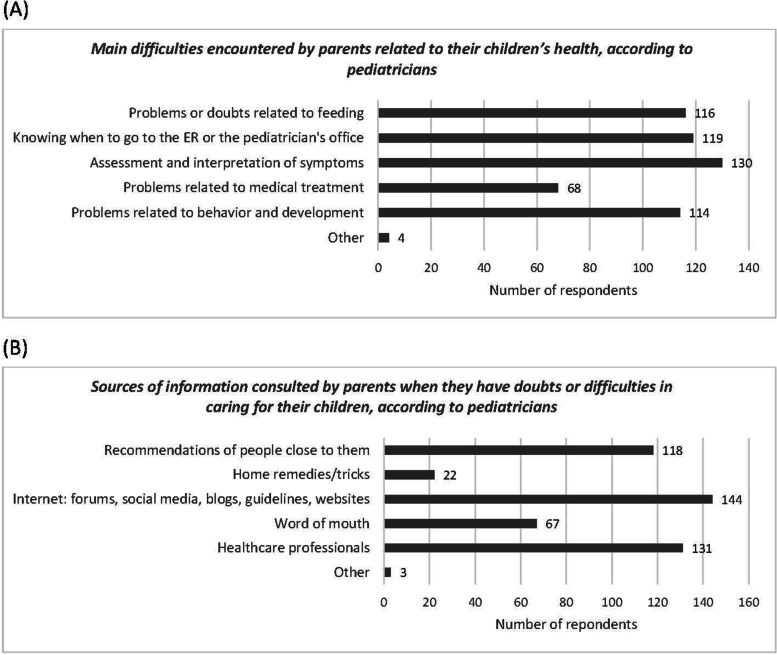
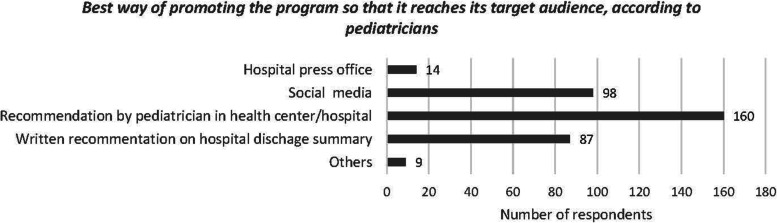
Results: The surveys were administered in Spain from 2019 to 2021. In total, 182 pediatricians and 194 families took part. Most pediatricians (62.6%) and families (79.3%) considered that managing medical treatment was not among the main difficulties faced by parents in caring for their children. While 79.1% of pediatricians thought that parents consulted the internet to resolve doubts regarding the health of their children, most families (81.1%) said they consulted healthcare professionals. Lack of knowledge among parents and caregivers was one of the causes of medication errors most frequently mentioned by both pediatricians and parents. Most pediatricians (95.1%) said they would recommend a program designed to prevent errors at home.
Conclusions: Pediatricians and families think that medical treatment is not among the main difficulties faced by parents in caring for their children. Most pediatricians said they would recommend a medication error reporting and learning system designed for families of their patients to prevent medication errors that might occur in the home environment.
Keywords: Caregivers; Child; Medication errors; Parents; Pediatricians.
© 2023. The Author(s).
Conflict of interest statement
The authors declare no competing interests.
Figures



References
-
- Miller MR, Robinson KA, Lubomski LH, Rinke ML, Pronovost PJ. Medication errors in paediatric care: a systematic review of epidemiology and an evaluation of evidence supporting reduction strategy recommendations. Qual Saf Health Care. 2007;16(2):116–126. doi: 10.1136/qshc.2006.019950. - DOI - PMC - PubMed
-
- Glick AF, Farkas JS, Mendelsohn AL, Fierman AH, Tomopoulos S, Rosenberg RE, Dreyer BP, Melgar J, Varriano J, Yin HS. Discharge instruction comprehension and adherence errors: Interrelationship between Plan complexity and parent health literacy. J Pediatr. 2019;214:193–200e3. doi: 10.1016/j.jpeds.2019.04.052. - DOI - PMC - PubMed
Publication types
MeSH terms
LinkOut - more resources
Full Text Sources
