


An evaluation of the efficacy and the safety of home blood pressure monitoring in the control of hypertensive disorders of pregnancy in both pre and postpartum periods: a systematic review and meta-analysis
- PMID: 37528352
- PMCID: PMC10392017
- DOI: 10.1186/s12884-023-05663-w
An evaluation of the efficacy and the safety of home blood pressure monitoring in the control of hypertensive disorders of pregnancy in both pre and postpartum periods: a systematic review and meta-analysis
Abstract
Background: Hypertensive disorders of pregnancy (HDP) can significantly impact maternal, neonatal, and fetal health. For controlling these disorders, frequent blood pressure measurements are required. Home blood pressure monitoring (HBPM) is a suggested alternative to conventional office monitoring that requires frequent visits. This systematic review was conducted to evaluate the efficacy and safety of HBPM in the control of HDP.
Methods: We systematically conducted databases search for relevant studies in June 2022. The relevant studies were identified, and qualitative synthesis was performed. An inverse variance quantitative synthesis was conducted using RevMan software. Continuous outcome data were pooled as means differences, whereas dichotomous ones were summarized as risk ratios. The 95% confidence interval was the measure of variance.
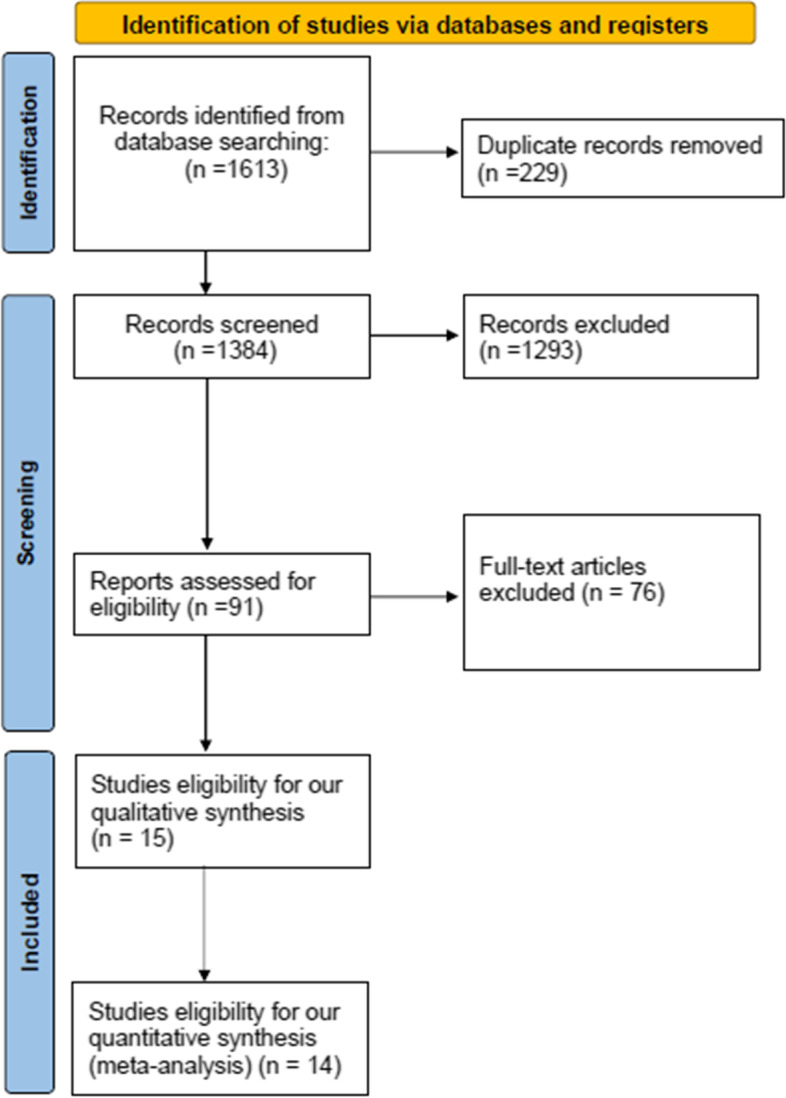
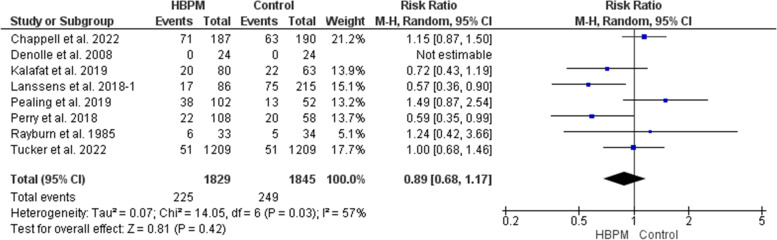
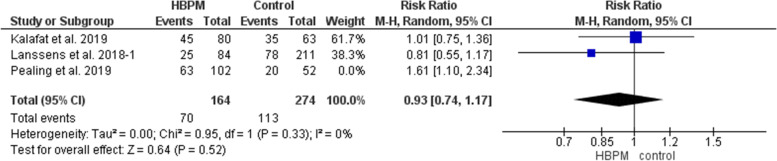
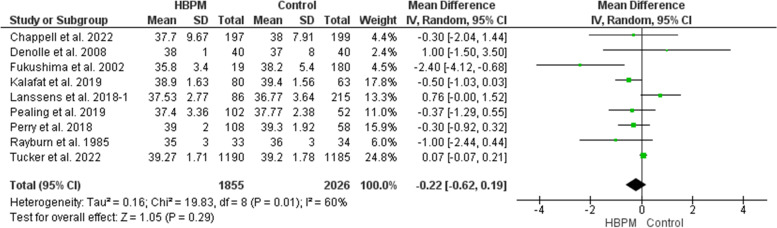
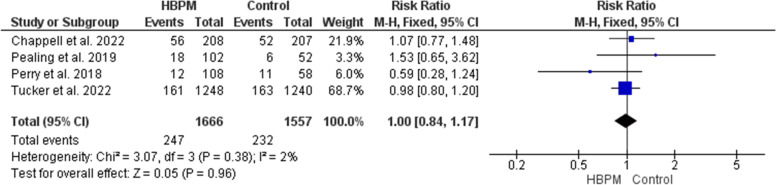
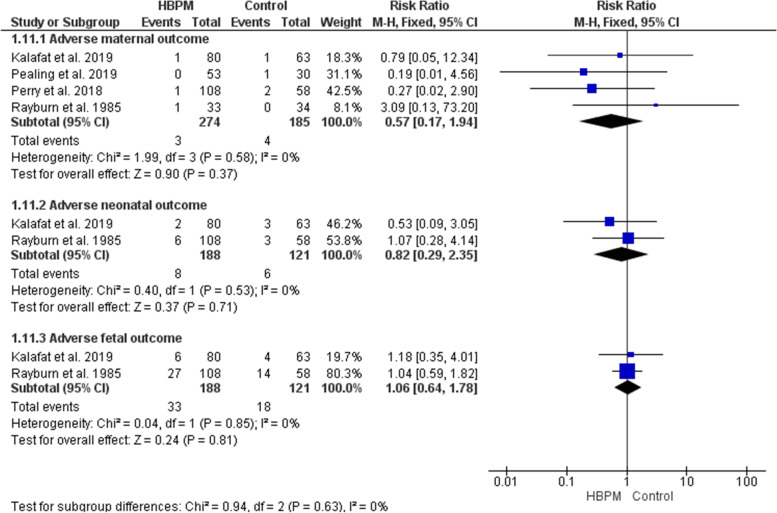
Results: Fifteen studies were included in our review (n = 5335). Our analysis revealed a superiority of HBPM in reducing the risk of induction of labor, and postpartum readmission (P = 0.02, and 0.01 respectively). Moreover, the comparison of birth weights showed a significant variation in favor of HBPM (P = 0.02). In the analysis of other outcomes, HBPM was equally effective as office monitoring. Furthermore, HBPM did not result in an elevated risk of maternal, neonatal, and fetal adverse outcomes.
Conclusion: Home monitoring of blood pressure showed superiority over office monitoring in some outcomes and equal efficacy in other outcomes.
Keywords: Home blood pressure monitoring; Hypertensive disorders of pregnancy; Meta-analysis; Systematic review.
© 2023. The Author(s).
Conflict of interest statement
Authors declare that they have no competing interests.
Figures





References
-
- National High Blood Pressure Education Program Working Group Report on High Blood Pressure in Pregnancy. Am J Obstet Gynecol. 1990;163(5 Pt 1):1691–712. 10.1016/0002-9378(90)90653-o - PubMed
-
- Muri J, Crawford N, Connors J. American Hospital Association. Reducing avoidable obstetrical and neonatal readmissions.
Publication types
MeSH terms
LinkOut - more resources
Full Text Sources
Medical
