


Simulation-based training programme and preparedness testing for COVID-19 using system integration methodology
- PMID: 37534698
- PMCID: PMC7316112
- DOI: 10.1136/bmjstel-2020-000626
Simulation-based training programme and preparedness testing for COVID-19 using system integration methodology
Abstract
Background: COVID-19 pandemic is presenting serious challenges to the world's healthcare systems. The high communicability of the COVID-19 necessitates robust medical preparedness and vigilance.
Objective: To report on the simulation-based training and test preparedness activities to prepare healthcare workers (HCWs) for effective and safe handling of patients with COVID-19.
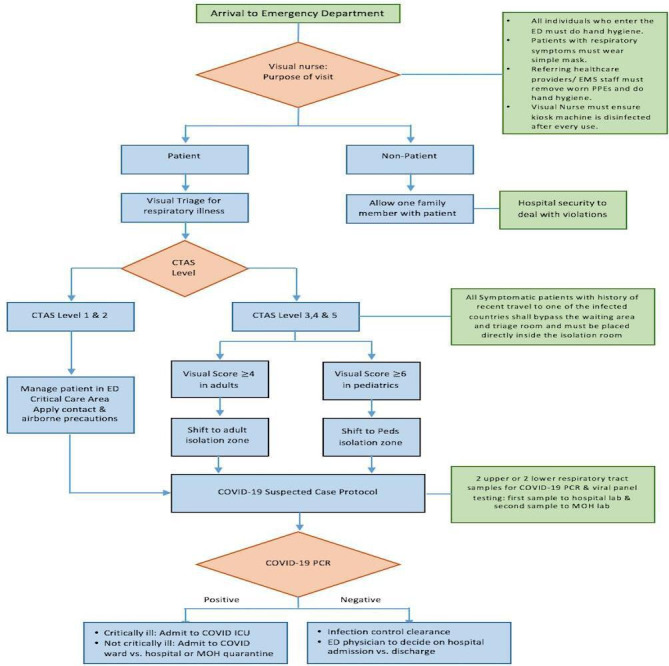
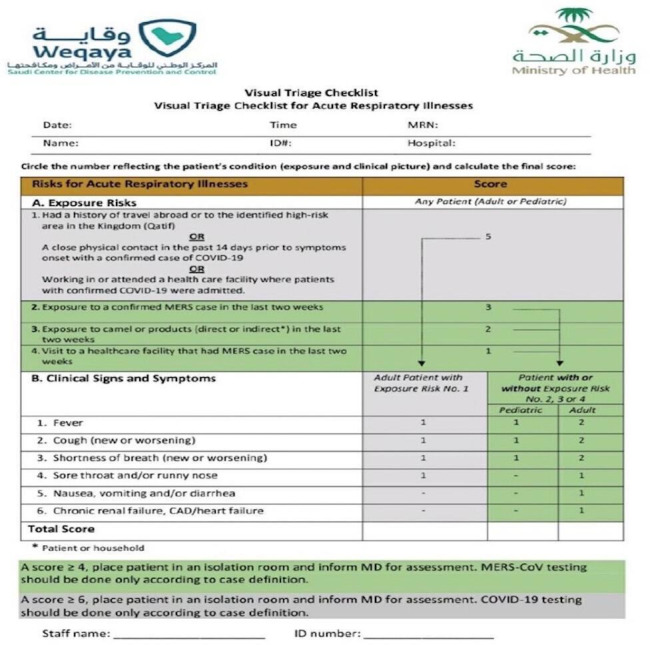
Methodology: Two activities were conducted: simulation-based training to all HCWs and a full-scale unannounced simulation-based disaster exercise at King Fahad Medical City (KFMC). The online module was designed to enhance the knowledge on COVID-19. This module was available to all KFMC staff. The five hands-on practical part of the course was available to frontliner HCWs. The unannounced undercover simulated patients' full-scale COVID-19 simulation-based disaster exercise took place in the emergency department over 3 hours. Six scenarios were executed to test the existing plan in providing care of suspected COVID-19 cases.
Results: 2620 HCWs took the online module, 17 courses were conducted and 337 frontliner HCWs were trained. 94% of learners were satisfied and recommended the activity to others. The overall compliance rate of the full-scale COVID-19 disaster drill with infection control guidelines was 90%. Post-drill debriefing sessions recommended reinforcing PPE training, ensuring availability of different sizes of PPEs and developing an algorithm to transfer patients to designated quarantine areas.
Conclusion: Simulation-based training and preparedness testing activities are vital in identifying gaps to apply corrective actions immediately. In the presence of a highly hazardous contagious disease like COVID-19, such exercises are a necessity to any healthcare institution.
Keywords: COVID-19; disaster simulation; emergency department; quality improvement; simulation based Education.
© Author(s) (or their employer(s)) 2021. No commercial re-use. See rights and permissions. Published by BMJ.
Conflict of interest statement
Competing interests: None declared.
Figures
References
-
- Lababidi H, Shehadeh F, Almozainy S, et al. Pressure ulcer prevention in the intensive care unit: applying CRESENT system integration model. Proceedings of the Saudi Health Simulation Conference 2018 Adv Simul 2018;3:6.
-
- AlMoziny S, AlMarshad A, Azizalrahman A, et al. Simulation-Based system integration in commissioning new emergency department. Proceedings of the Saudi Health Simulation Conference 2018 Adv Simul 2018;3:6.
LinkOut - more resources
Full Text Sources