


Effectiveness of acupuncture as auxiliary combined with Western medicine for epilepsy: a systematic review and meta-analysis
- PMID: 37547148
- PMCID: PMC10397512
- DOI: 10.3389/fnins.2023.1203231
Effectiveness of acupuncture as auxiliary combined with Western medicine for epilepsy: a systematic review and meta-analysis
Abstract
Background: Although more and more clinical studies have shown that acupuncture as an auxiliary combined with Western medicine is effective in the treatment of patients with epilepsy, no systematic reviews of acupuncture as a treatment for epilepsy have been published. Hence, we conducted this meta-analysis to evaluate the effect of acupuncture treatment on patients with epilepsy.
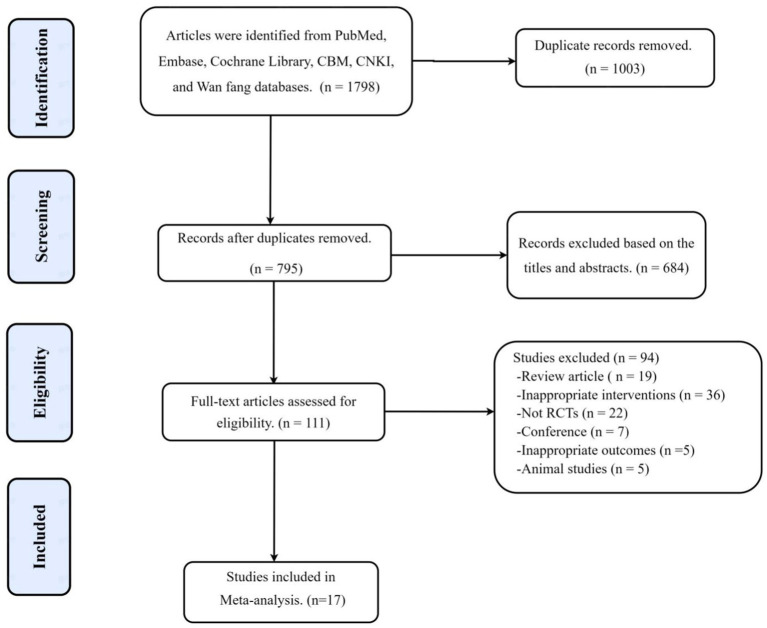
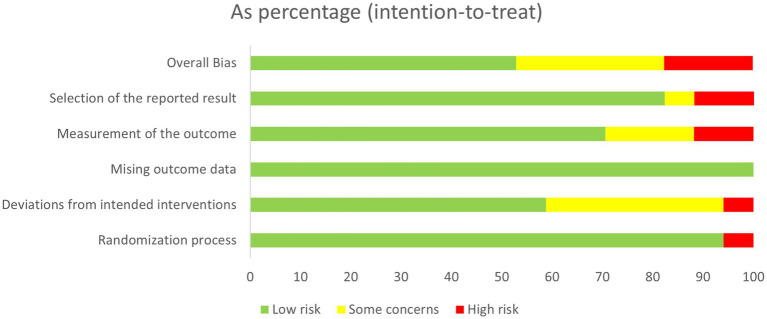
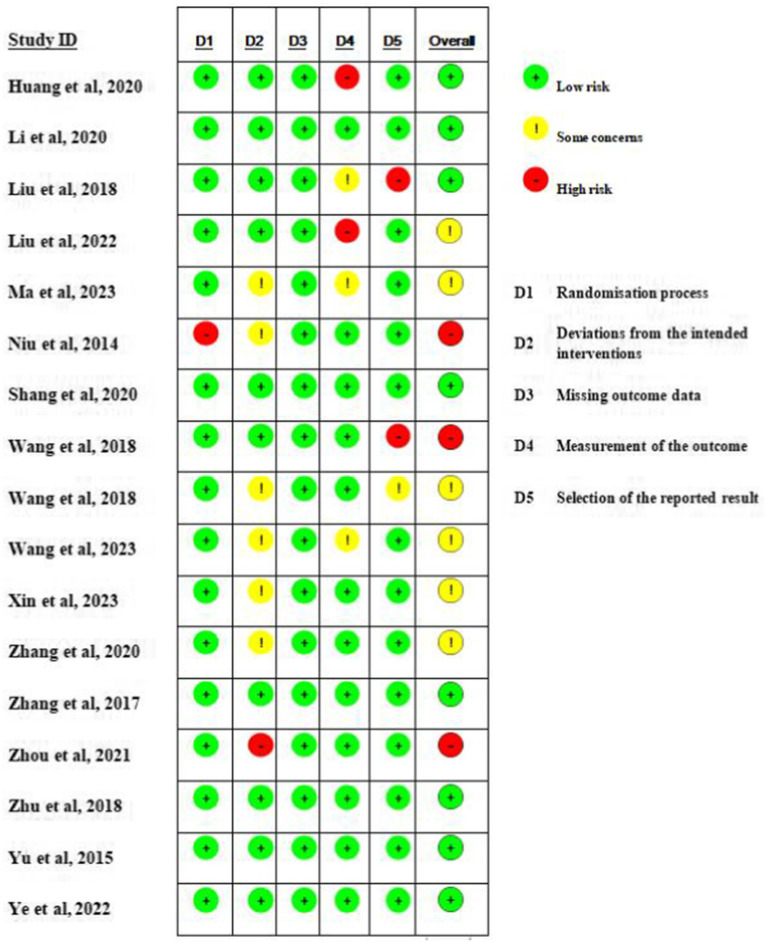
Methods: This study retrieved randomized controlled trials (RCTs) of acupuncture treatment for epilepsy from various electronic databases including PubMed, Embase, Cochrane Library, China National Knowledge Infrastructure, Chinese BioMedical Literature Database, and Wangfang database. These studies evaluated the effectiveness of acupuncture as an auxiliary treatment combined with Western medicine for patients with epilepsy. The methodological quality of the studies was assessed using the Cochrane Handbook for Systematic Reviews of Interventions.
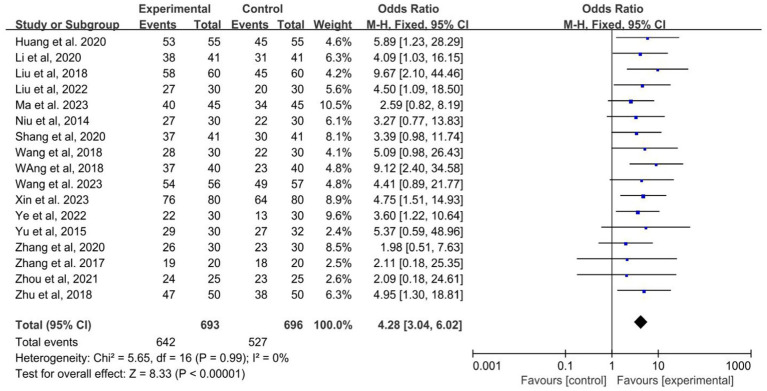
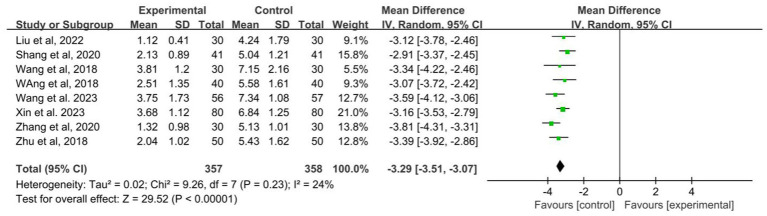
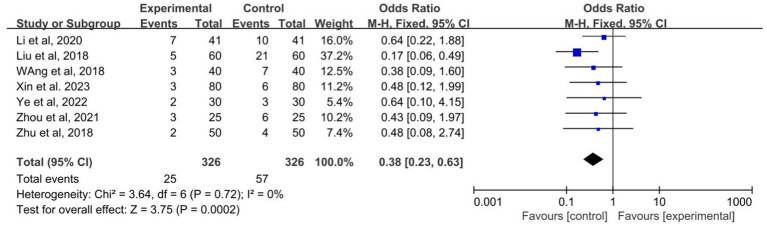
Results: A total of 17 RCTs involving a total of 1,389 participants were included. The results showed that acupuncture combined with Western medicine improved the effective rates of treatment (OR: 4.28; 95% CI: 3.04-6.02; p < 0.001), and reduced the seizure frequency of patients (SMD: -3.29; 95% CI: -3.51 to -3.07; p < 0.001) and the EEG discharge frequency (SMD: -5.58; 95% CI: -7.02 to -4.14; p < 0.001). Regarding the quality of life and adverse events, the acupuncture group was superior to the control group in improving the overall quality of life of patients with epilepsy (SMD: 14.41; 95% CI: 12.51-16.32; p < 0.001) and decreased adverse events (OR: 0.38; 95% CI: 0.23-0.63, p < 0.001).
Conclusion: The results of the analysis suggested that acupuncture combined with Western medicine is probably helpful in patients with epilepsy, but strong supportive data are not yet available. Given that this study is based on a low to moderate evidence-based analysis, the conclusions should be viewed with caution.
Systematic review registration: PROSPERO, identifier no. CRD42023409923.
Keywords: acupuncture; epilepsy; meta-analysis; randomized controlled trials; systematic review.
Copyright © 2023 Xue, Zeng, He, Xu and Ren.
Conflict of interest statement
The authors declare that the research was conducted in the absence of any commercial or financial relationships that could be construed as a potential conflict of interest.
Figures


References
-
- Huang L. F., Liu X. L. (2020). Clinical observation of Chaigui Wendan Dingzhi decoction combined with acupuncture in the treatment of epilepsy. Bright Chin. Med. 3, 384–386.
-
- Kanner A. M., Ashman E., Gloss D., Harden C., Bourgeois B., Bautista J. F., et al. . (2018). Practice guideline update summary: efficacy and tolerability of the new antiepileptic drugs I: treatment of new-onset epilepsy: report of the guideline development, dissemination, and implementation Subcommittee of the American Academy of neurology and the American Epilepsy Society. Neurology 91, 74–81. doi: 10.1212/wnl.0000000000005755, PMID: - DOI - PubMed
-
- Li F. (2020). Efficacy and safety evaluation of acupuncture combined with sodium valproate in the treatment of early epilepsy. Chin. Convalesc. Med. 29, 140–142. doi: 10.13517/j.cnki.ccm.2020.02.011 - DOI
Publication types
LinkOut - more resources
Full Text Sources
