


AI and machine learning in resuscitation: Ongoing research, new concepts, and key challenges
- PMID: 37547540
- PMCID: PMC10400904
- DOI: 10.1016/j.resplu.2023.100435
AI and machine learning in resuscitation: Ongoing research, new concepts, and key challenges
Abstract
Aim: Artificial intelligence (AI) and machine learning (ML) are important areas of computer science that have recently attracted attention for their application to medicine. However, as techniques continue to advance and become more complex, it is increasingly challenging for clinicians to stay abreast of the latest research. This overview aims to translate research concepts and potential concerns to healthcare professionals interested in applying AI and ML to resuscitation research but who are not experts in the field.
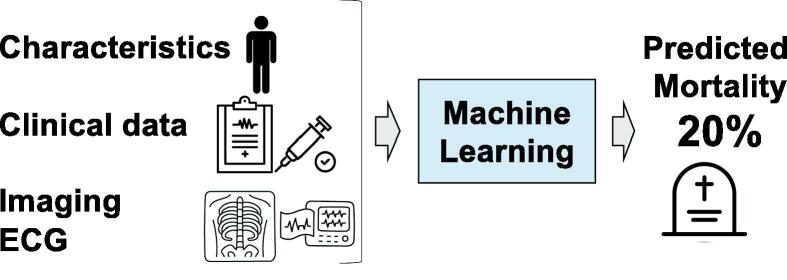
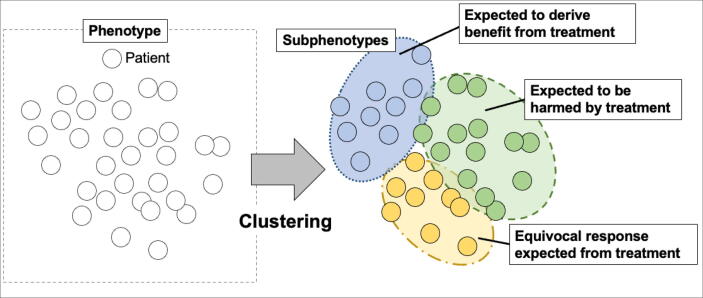
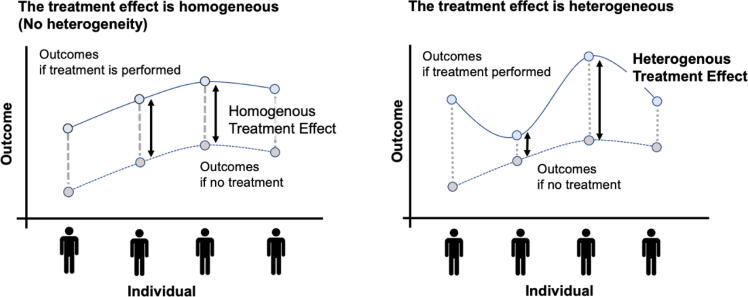
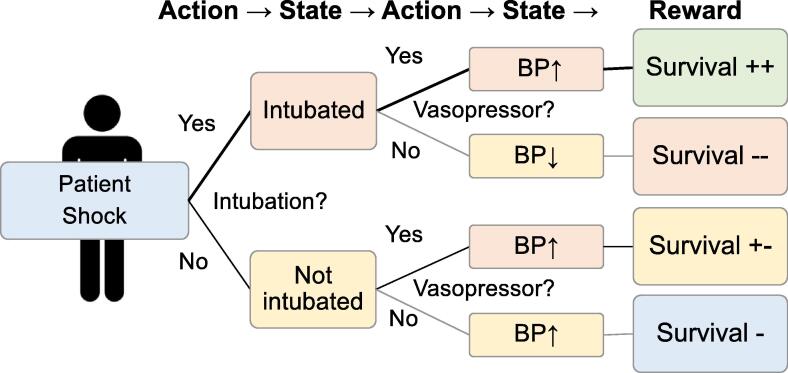
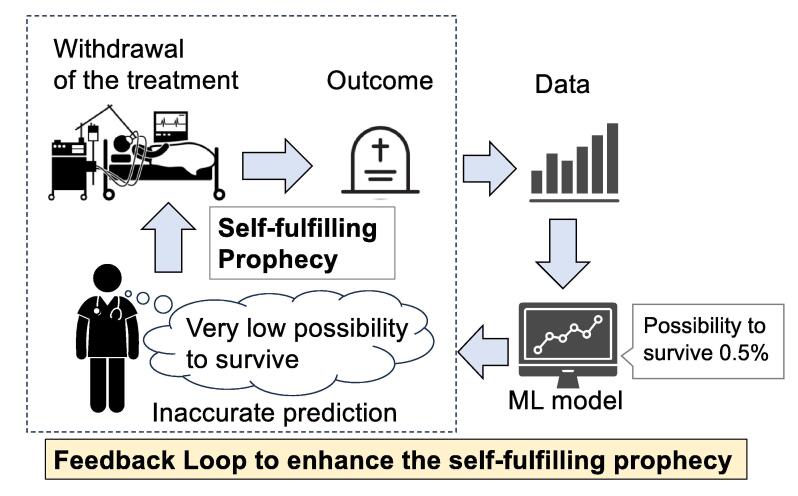
Main text: We present various research including prediction models using structured and unstructured data, exploring treatment heterogeneity, reinforcement learning, language processing, and large-scale language models. These studies potentially offer valuable insights for optimizing treatment strategies and clinical workflows. However, implementing AI and ML in clinical settings presents its own set of challenges. The availability of high-quality and reliable data is crucial for developing accurate ML models. A rigorous validation process and the integration of ML into clinical practice is essential for practical implementation. We furthermore highlight the potential risks associated with self-fulfilling prophecies and feedback loops, emphasizing the importance of transparency, interpretability, and trustworthiness in AI and ML models. These issues need to be addressed in order to establish reliable and trustworthy AI and ML models.
Conclusion: In this article, we overview concepts and examples of AI and ML research in the resuscitation field. Moving forward, appropriate understanding of ML and collaboration with relevant experts will be essential for researchers and clinicians to overcome the challenges and harness the full potential of AI and ML in resuscitation.
Keywords: Emergency medicine; Feedback loop; Heterogeneity; Large language model; Natural language processing; Prediction model; Self-fulfilling prophecy.
© 2023 The Author(s).
Conflict of interest statement
YO has received a research grant from the ZOLL Foundation and overseas scholarships from the Japan Society for Promotion of Science, the FUKUDA Foundation for medical technology, and the International medical research foundation. These organizations have no role in conducting this research. MEHO reports grants from the Laerdal Foundation, Laerdal Medical, and Ramsey Social Justice Foundation for funding of the Pan-Asian Resuscitation Outcomes Study an advisory relationship with Global Healthcare SG, a commercial entity that manufactures cooling devices; and funding from Laerdal Medical on an observation program to their Community CPR Training Centre Research Program in Norway. MEHO is a Scientific Advisor to TIIM Healthcare SG and Global Healthcare SG.
Figures
References
-
- Kühl N., Schemmer M., Goutier M., Satzger G. Artificial intelligence and machine learning. Electronic Markets. 2022;32:2235–2244. doi: 10.1007/s12525-022-00598-0. - DOI
