


A membrane-associated MHC-I inhibitory axis for cancer immune evasion
- PMID: 37557169
- PMCID: PMC10961051
- DOI: 10.1016/j.cell.2023.07.016
A membrane-associated MHC-I inhibitory axis for cancer immune evasion
Abstract
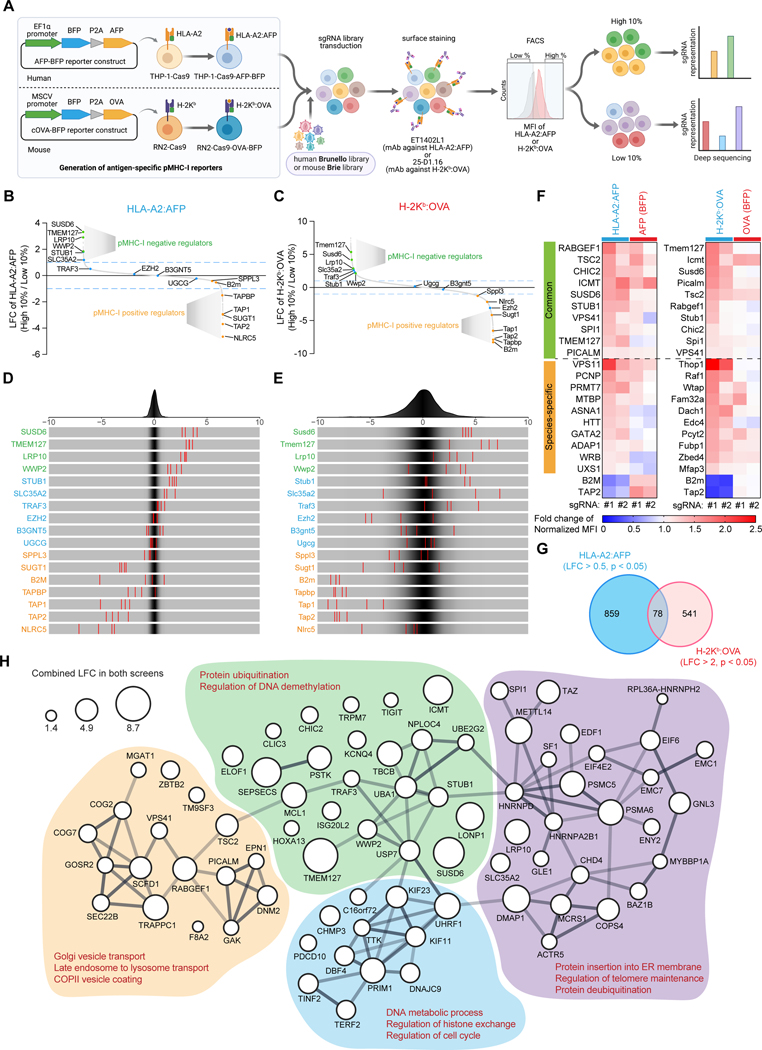
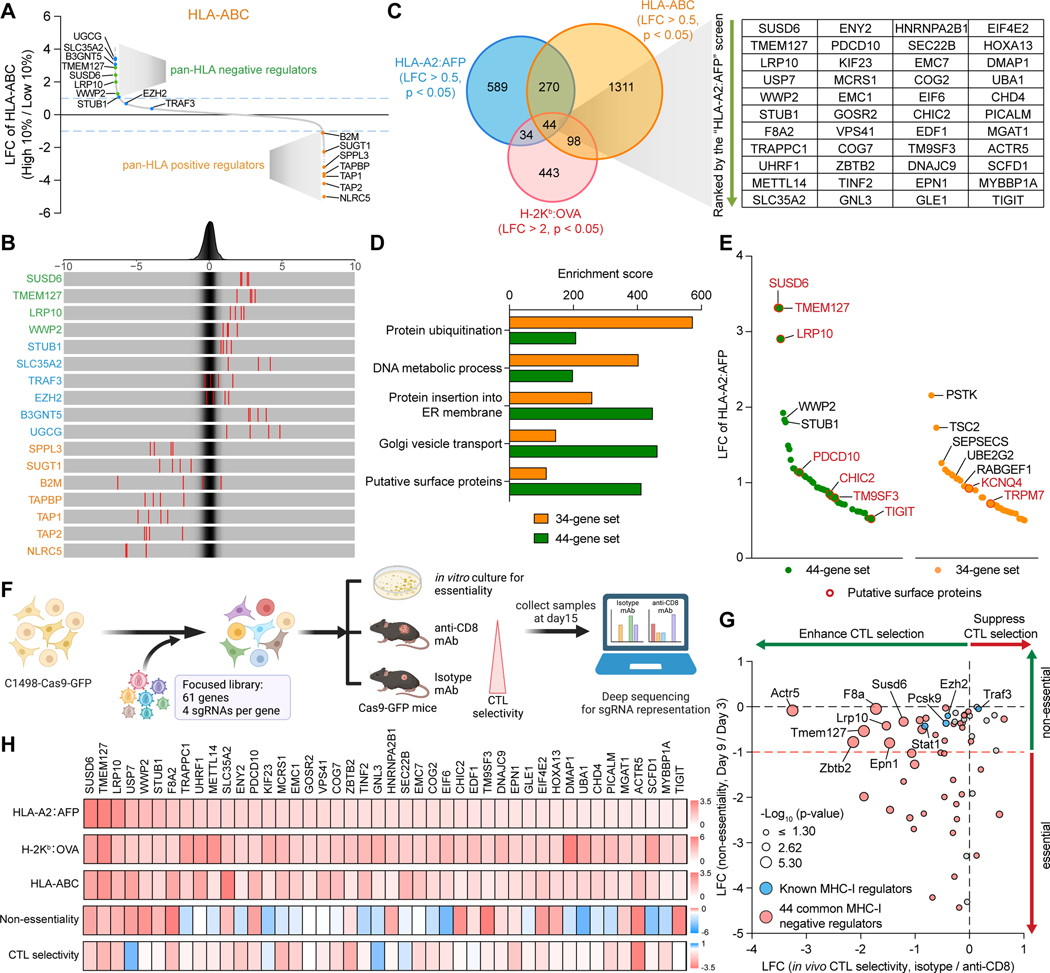
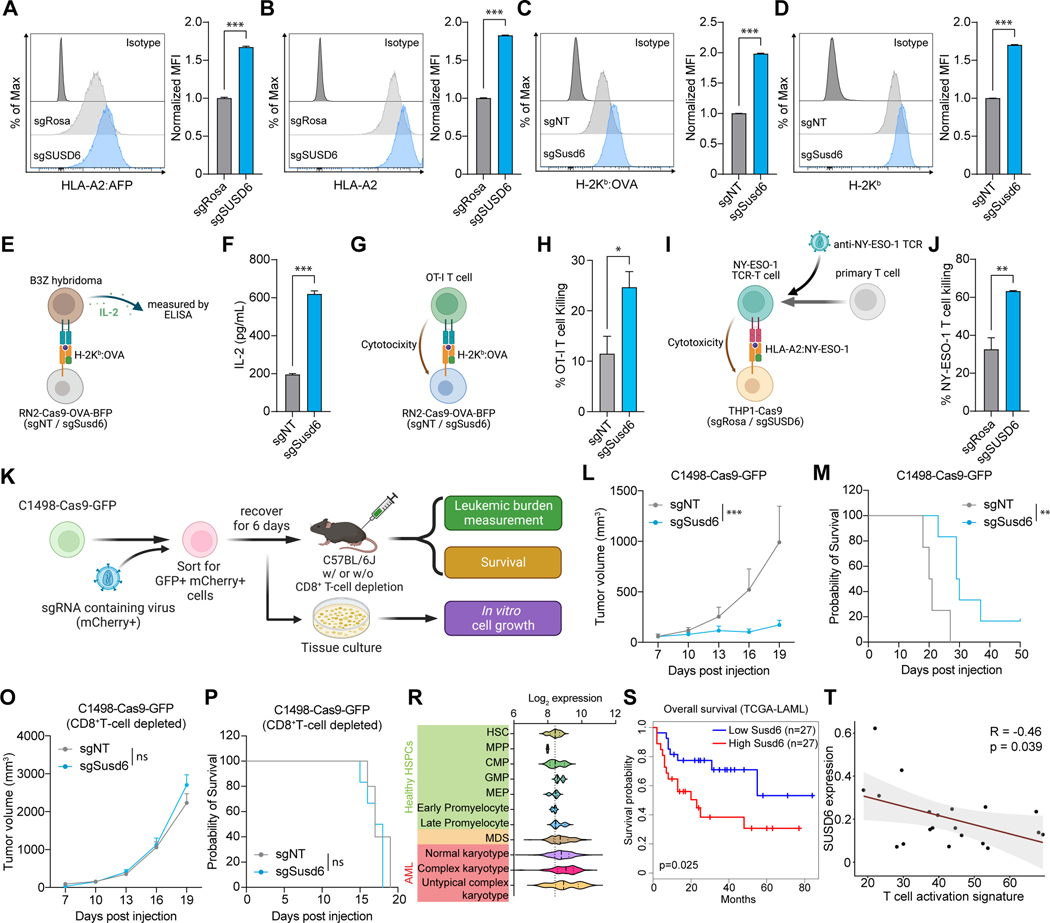
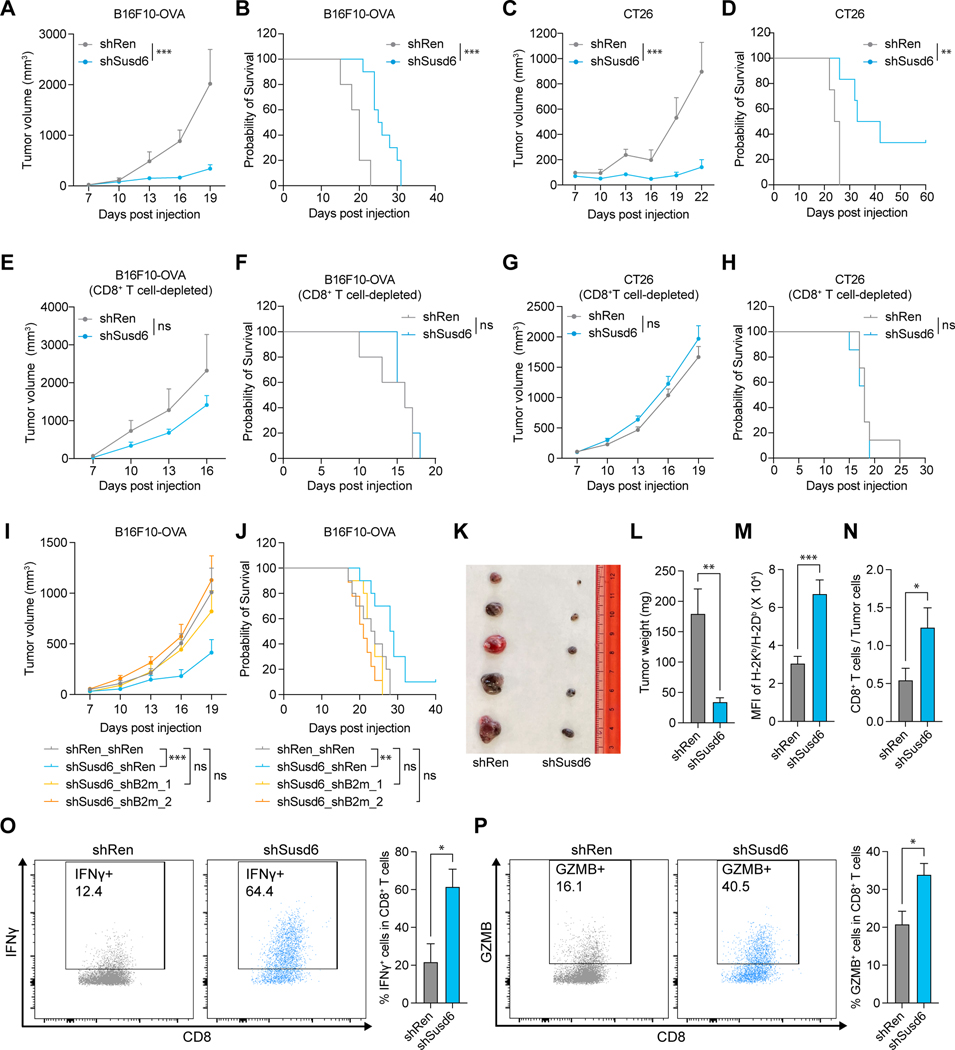
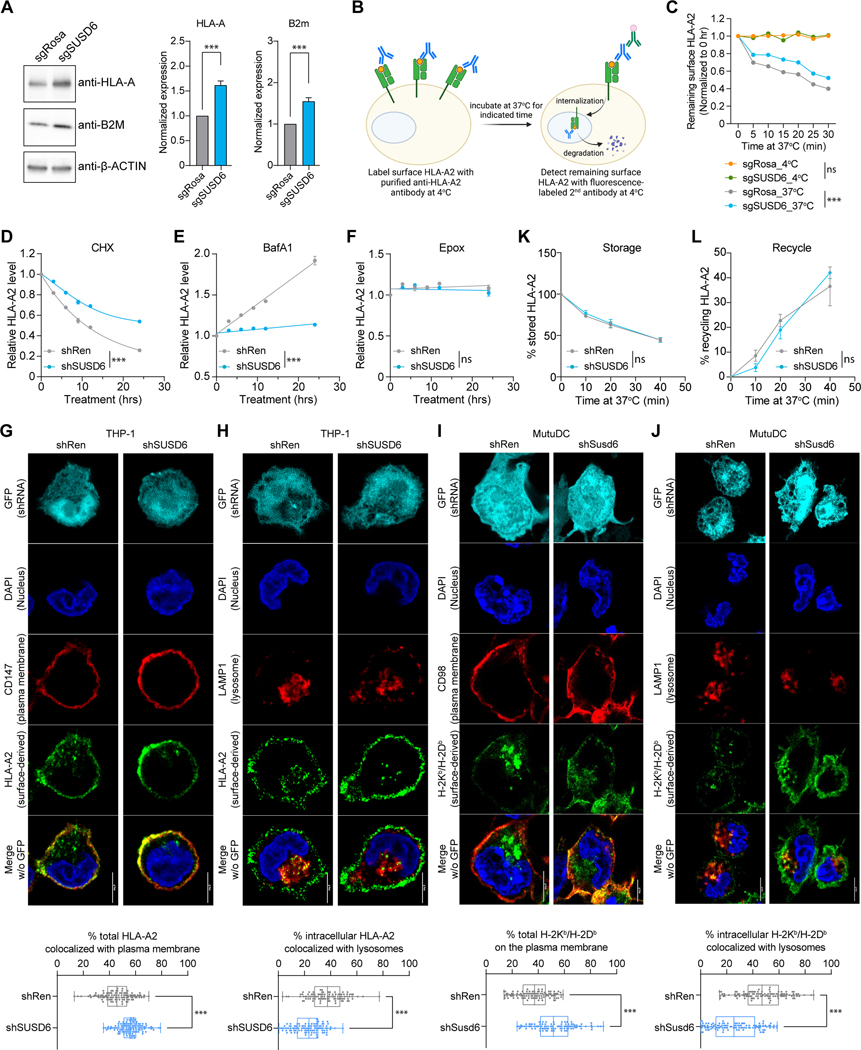
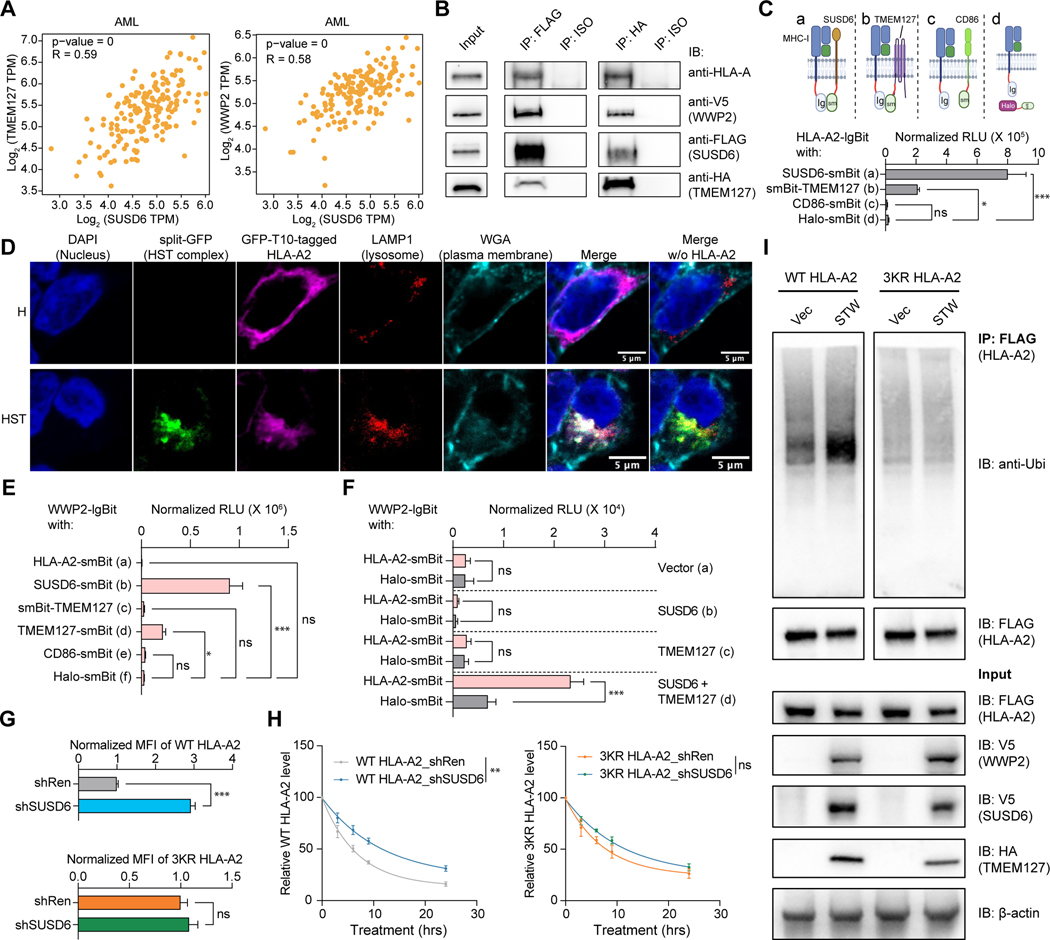
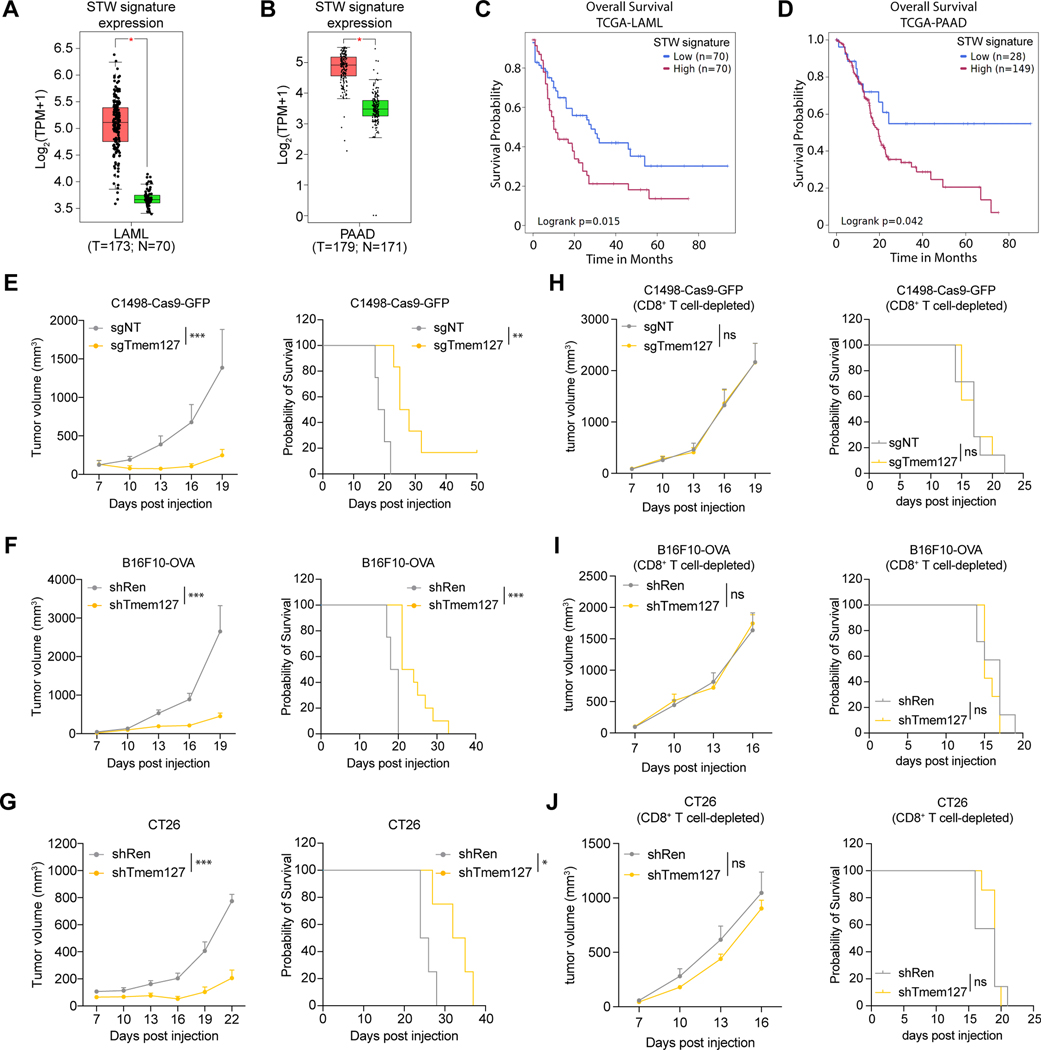
Immune-checkpoint blockade has revolutionized cancer treatment, but some cancers, such as acute myeloid leukemia (AML), do not respond or develop resistance. A potential mode of resistance is immune evasion of T cell immunity involving aberrant major histocompatibility complex class I (MHC-I) antigen presentation (AP). To map such mechanisms of resistance, we identified key MHC-I regulators using specific peptide-MHC-I-guided CRISPR-Cas9 screens in AML. The top-ranked negative regulators were surface protein sushi domain containing 6 (SUSD6), transmembrane protein 127 (TMEM127), and the E3 ubiquitin ligase WWP2. SUSD6 is abundantly expressed in AML and multiple solid cancers, and its ablation enhanced MHC-I AP and reduced tumor growth in a CD8+ T cell-dependent manner. Mechanistically, SUSD6 forms a trimolecular complex with TMEM127 and MHC-I, which recruits WWP2 for MHC-I ubiquitination and lysosomal degradation. Together with the SUSD6/TMEM127/WWP2 gene signature, which negatively correlates with cancer survival, our findings define a membrane-associated MHC-I inhibitory axis as a potential therapeutic target for both leukemia and solid cancers.
Keywords: MHC-I; SUSD6; T cell; TMEM127; WWP2; antigen presentation; cancer; immune evasion; lysosomal degradation; ubiquitination.
Copyright © 2023 Elsevier Inc. All rights reserved.
Conflict of interest statement
Declaration of interests J.W., I.A., X.C., and Q.L. are named inventors on a patent application related to this study. J.W. is on the Scientific Advisory Board of RootPath Inc. and is a consultant for Bristol Myers Squibb (Relatlimab Advisory Council). D.S. is currently an employee at Rubius Therapeutics.
Figures
Comment in
-
SUS(d6)pending MHC class I peptide presentation for cancer immunoevasion.Cell Res. 2024 Feb;34(2):97-98. doi: 10.1038/s41422-023-00882-4. Cell Res. 2024. PMID: 37833358 Free PMC article. No abstract available.
References
Publication types
MeSH terms
Substances
Grants and funding
- R01 CA173636/CA/NCI NIH HHS/United States
- UM1 TR004538/TR/NCATS NIH HHS/United States
- UL1 RR025767/RR/NCRR NIH HHS/United States
- R01 CA266212/CA/NCI NIH HHS/United States
- R01 CA216421/CA/NCI NIH HHS/United States
- R01 HL159175/HL/NHLBI NIH HHS/United States
- R01 CA242020/CA/NCI NIH HHS/United States
- R01 CA269898/CA/NCI NIH HHS/United States
- R01 CA264248/CA/NCI NIH HHS/United States
- P30 CA016087/CA/NCI NIH HHS/United States
- R21 AI163924/AI/NIAID NIH HHS/United States
- R35 GM136250/GM/NIGMS NIH HHS/United States
- R01 GM114102/GM/NIGMS NIH HHS/United States
- HHMI/Howard Hughes Medical Institute/United States
- R01 CA228135/CA/NCI NIH HHS/United States
- R37 CA273333/CA/NCI NIH HHS/United States
- R01 CA283574/CA/NCI NIH HHS/United States
LinkOut - more resources
Full Text Sources
Medical
Molecular Biology Databases
Research Materials
