


Exploring the landscape of Babesia bovis vaccines: progress, challenges, and opportunities
- PMID: 37563668
- PMCID: PMC10413621
- DOI: 10.1186/s13071-023-05885-z
Exploring the landscape of Babesia bovis vaccines: progress, challenges, and opportunities
Abstract
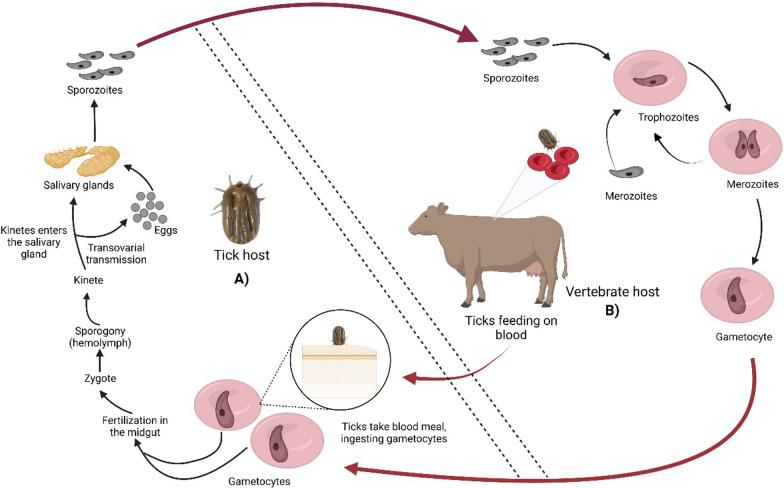
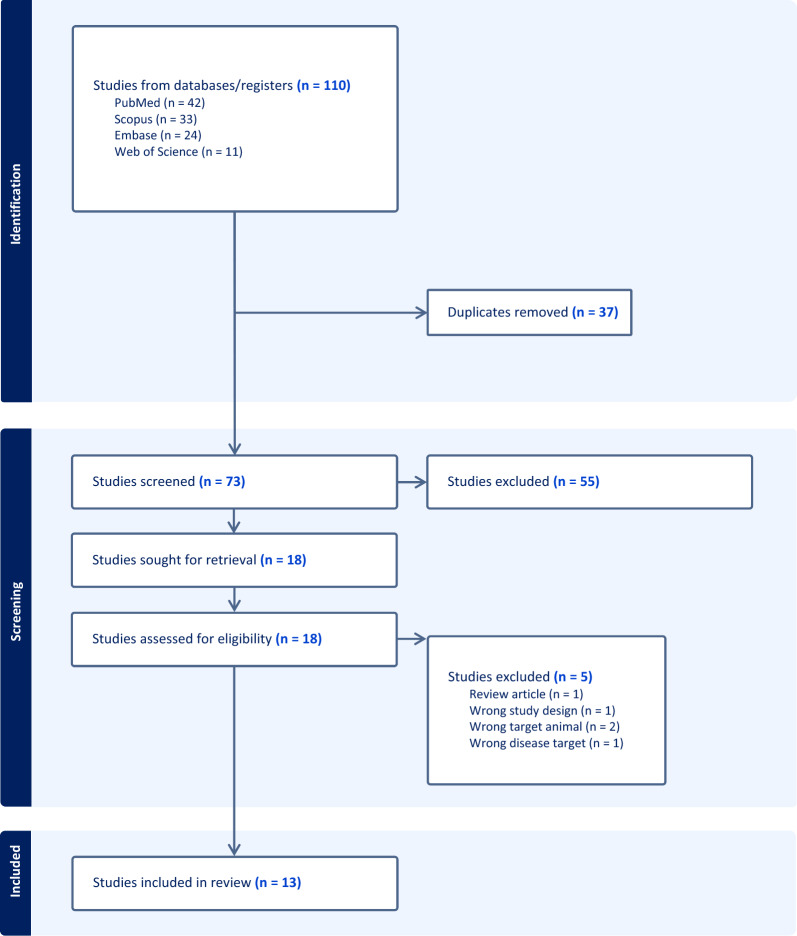
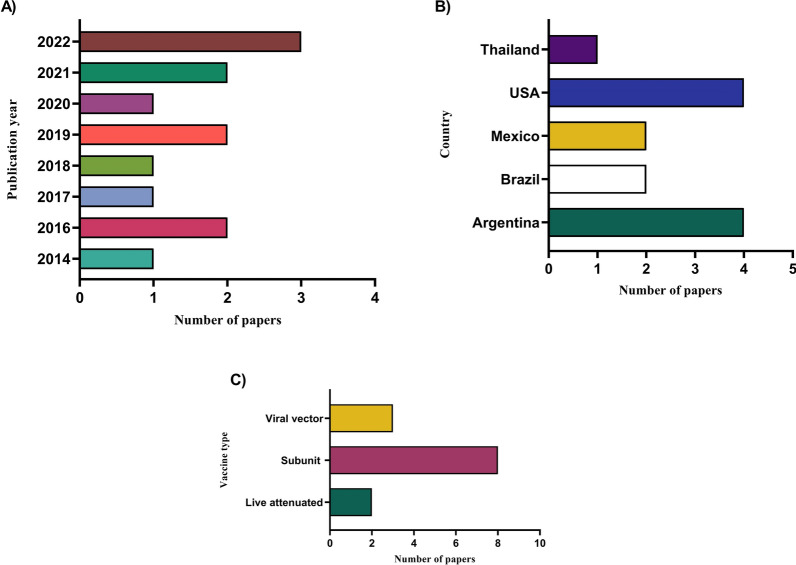
Bovine babesiosis, caused by different Babesia spp. such as B. bovis, B. bigemina, B. divergens, and B. major, is a global disease that poses a serious threat to livestock production. Babesia bovis infections are associated with severe disease and increased mortality in adult cattle, making it the most virulent agent of bovine babesiosis. Babesia bovis parasites undergo asexual reproduction within bovine red blood cells, followed by sexual reproduction within their tick vectors, which transmit the parasite transovarially. Current control methods, including therapeutic drugs (i.e., imidocarb) have been found to lead to drug resistance. Moreover, changing environmental factors add complexity to efficient parasite control. Understanding the fundamental biology, host immune responses, and host-parasite interactions of Babesia parasites is critical for developing next-generation vaccines to control acute disease and parasite transmission. This systematic review analyzed available research papers on vaccine development and the associated immune responses to B. bovis. We compiled and consolidated the reported vaccine strategies, considering the study design and rationale of each study, to provide a systematic review of knowledge and insights for further research. Thirteen studies published since 2014 (inclusive) represented various vaccine strategies developed against B. bovis such as subunit, live attenuated, and viral vector vaccines. Such strategies incorporated B. bovis proteins or whole live parasites with the latter providing the most effective prophylaxis against bovine babesiosis. Incorporating novel research approaches, such as "omics" will enhance our understanding of parasite vulnerabilities.
Keywords: Babesia bovis; Bovine babesiosis; Immune response; Vaccine development.
© 2023. BioMed Central Ltd., part of Springer Nature.
Conflict of interest statement
The authors declare that they have no competing interests.
Figures
References
-
- Kirupananthan R, Kamaral LCJ, Galhena GH, Perera KLN, Magamage MPS. Address the public health and food security concerns of babesiosis through molecular detection of Babesia bovis in suspected carrier cattle of selected localities in Sri Lanka. Procedia Food Sci. 2016;6:213–219. doi: 10.1016/j.profoo.2016.02.053. - DOI
Publication types
MeSH terms
Substances
LinkOut - more resources
Full Text Sources
Medical
Miscellaneous
