


Interventions for bullous pemphigoid
- PMID: 37572360
- PMCID: PMC10421473
- DOI: 10.1002/14651858.CD002292.pub4
Interventions for bullous pemphigoid
Abstract
Background: Bullous pemphigoid (BP) is the most common autoimmune blistering disease. Oral steroids are the standard treatment. We have updated this review, which was first published in 2002, because several new treatments have since been tried.
Objectives: To assess the effects of treatments for bullous pemphigoid.
Search methods: We updated searches of the following databases to November 2021: Cochrane Skin Specialised Register, CENTRAL, MEDLINE, and Embase. We searched five trial databases to January 2022, and checked the reference lists of included studies for further references to relevant randomised controlled trials (RCTs).
Selection criteria: RCTs of treatments for immunofluorescence-confirmed bullous pemphigoid.
Data collection and analysis: At least two review authors, working independently, evaluated the studies against the review's inclusion criteria and extracted data from included studies. Using GRADE methodology, we assessed the certainty of the evidence for each outcome in each comparison. Our primary outcomes were healing of skin lesions and mortality.
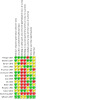
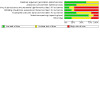
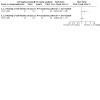
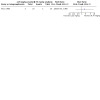
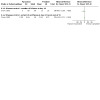
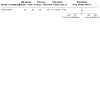
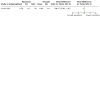
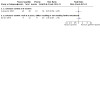
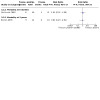
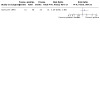
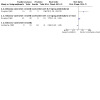
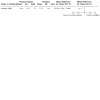
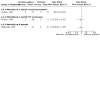
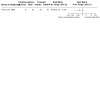
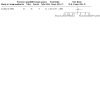
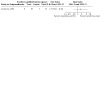
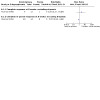
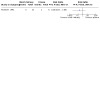
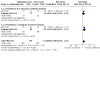
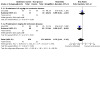
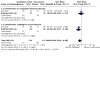
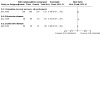
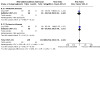
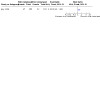
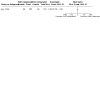
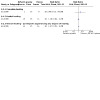
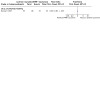
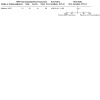
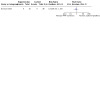
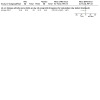
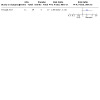
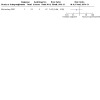
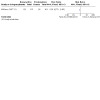
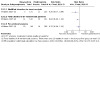
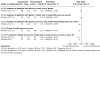
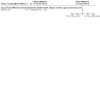
Main results: We identified 14 RCTs (1442 participants). The main treatment modalities assessed were oral steroids, topical steroids, and the oral anti-inflammatory antibiotic doxycycline. Most studies reported mortality but adverse events and quality of life were not well reported. We decided to look at the primary outcomes 'disease control' and 'mortality'. Almost all studies investigated different comparisons; two studies were placebo-controlled. The results are therefore based on a single study for each comparison except azathioprine. Most studies involved only small numbers of participants. We assessed the risk of bias for all key outcomes as having 'some concerns' or high risk, due to missing data, inappropriate analysis, or insufficient information. Clobetasol propionate cream versus oral prednisone Compared to oral prednisone, clobetasol propionate cream applied over the whole body probably increases skin healing at day 21 (risk ratio (RR 1.08, 95% confidence interval (CI) 1.03 to 1.13; 1 study, 341 participants; moderate-certainty evidence). Skin healing at 21 days was seen in 99.8% of participants assigned to clobetasol and 92.4% of participants assigned to prednisone. Clobetasol propionate cream applied over the whole body compared to oral prednisone may reduce mortality at one year (RR 0.73, 95% CI 0.53 to 1.01; 1 study, 341 participants; low-certainty evidence). Death occurred in 26.5% (45/170) of participants assigned to clobetasol and 36.3% (62/171) of participants assigned to oral prednisone. This study did not measure quality of life. Clobetasol propionate cream may reduce risk of severe complications by day 21 compared with oral prednisone (RR 0.65, 95% CI 0.50 to 0.86; 1 study, 341 participants; low-certainty evidence). Mild clobetasol propionate cream regimen (10 to 30 g/day) versus standard clobetasol propionate cream regimen (40 g/day) A mild regimen of topical clobetasol propionate applied over the whole body compared to the standard regimen probably does not change skin healing at day 21 (RR 1.00, 95% CI 0.97 to 1.03; 1 study, 312 participants; moderate-certainty evidence). Both groups showed complete healing of lesions at day 21 in 98% participants. A mild regimen of topical clobetasol propionate applied over the whole body compared to the standard regimen may not change mortality at one year (RR 1.00, 95% CI 0.75 to 1.32; 1 study, 312 participants; low-certainty evidence), which occurred in 118/312 (37.9%) participants. This study did not measure quality of life. A mild regimen of topical clobetasol propionate applied over the whole body compared to the standard regimen may not change adverse events at one year (RR 0.94, 95% CI 0.78 to 1.14; 1 study, 309 participants; low-certainty evidence). Doxycycline versus prednisolone Compared to prednisolone (0.5 mg/kg/day), doxycycline (200 mg/day) induces less skin healing at six weeks (RR 0.81, 95% CI 0.72 to 0.92; 1 study, 213 participants; high-certainty evidence). Complete skin healing was reported in 73.8% of participants assigned to doxycycline and 91.1% assigned to prednisolone. Doxycycline compared to prednisolone probably decreases mortality at one year (RR 0.25, 95% CI 0.07 to 0.89; number needed to treat for an additional beneficial outcome (NNTB) = 14; 1 study, 234 participants; moderate-certainty evidence). Mortality occurred in 2.4% (3/132) of participants with doxycycline and 9.7% (11/121) with prednisolone. Compared to prednisolone, doxycycline improved quality of life at one year (mean difference 1.8 points lower, which is more favourable on the Dermatology Life Quality Index, 95% CI 1.02 to 2.58 lower; 1 study, 234 participants; high-certainty evidence). Doxycycline compared to prednisolone probably reduces severe or life-threatening treatment-related adverse events at one year (RR 0.59, 95% CI 0.35 to 0.99; 1 study, 234 participants; moderate-certainty evidence). Prednisone plus azathioprine versus prednisone It is unclear whether azathioprine plus prednisone compared to prednisone alone affects skin healing or mortality because there was only very low-certainty evidence from two trials (98 participants). These studies did not measure quality of life. Adverse events were reported in a total of 20/48 (42%) participants assigned to azathioprine plus prednisone and 15/44 (34%) participants assigned to prednisone. Nicotinamide plus tetracycline versus prednisone It is unclear whether nicotinamide plus tetracycline compared to prednisone affects skin healing or mortality because there was only very low-certainty evidence from one trial (18 participants). This study did not measure quality of life. Fewer adverse events were reported in the nicotinamide group. Methylprednisolone plus azathioprine versus methylprednisolone plus dapsone It is unclear whether azathioprine plus methylprednisolone compared to dapsone plus methylprednisolone affects skin healing or mortality because there was only very low-certainty evidence from one trial (54 participants). This study did not measure quality of life. A total of 18 adverse events were reported in the azathioprine group and 13 in the dapsone group.
Authors' conclusions: Clobetasol propionate cream applied over the whole body is probably similarly effective as, and may cause less mortality than, oral prednisone for treating bullous pemphigoid. Lower-dose clobetasol propionate cream applied over the whole body is probably similarly effective as standard-dose clobetasol propionate cream and has similar mortality. Doxycycline is less effective but causes less mortality than prednisolone for treating bullous pemphigoid. Other treatments need further investigation.
Copyright © 2023 The Cochrane Collaboration. Published by John Wiley & Sons, Ltd.
Conflict of interest statement
Sanjay Singh: none to declare
Gudula Kirtschig was a co‐investigator of the BLISTER study but was not involved in data extraction or analysis for this study.
Vinayak N Anchan: none to declare
Ching‐Chi Chi: none to declare
Kathy Taghipour: none to declare
Robert Boyle: none to declare
Dedee Murrell declares the following interests: ArgenX ‐ Consultant for Efgartigimod trials in Pemphigus and Bullous Pemphigoid AstraZeneca ‐ Investigator PRINCIPIA BIOPHARMA INC. ‐ Chief consultant for trial designs from phase 1, 2 to 3 End; Principal investigator in clinical trials SANOFI PASTEUR BIOLOGICS LLC ‐ Chief Investigator and advisor for Phase 3 PEGASUS trial of rilzabrutinib to treat pemphigus SANOFI PASTEUR BIOLOGICS LLC ‐ Principle investigator and advisor for design of trials for bullous pemphigoid with dupilumab Premier Specialists ‐ Employment, private practice. In my private practice, I treat patients with blistering diseases. I was an advisor and trial site investigator for the design of the Roche trial of rituximab for pemphigus but did not recruit any patients for that trial.
Robert Boyle and Ching‐Chi Chi are Editors for Cochrane Skin but were not involved in the editorial process.
Figures




Update of
-
Interventions for bullous pemphigoid.Cochrane Database Syst Rev. 2010 Oct 6;2010(10):CD002292. doi: 10.1002/14651858.CD002292.pub3. Cochrane Database Syst Rev. 2010. Update in: Cochrane Database Syst Rev. 2023 Aug 11;8:CD002292. doi: 10.1002/14651858.CD002292.pub4. PMID: 20927731 Free PMC article. Updated.
References
References to studies included in this review
Amagai 2017 {published data only}01408550
-
- Amagai M, Ikeda S, Hashimoto T, Mizuashi M, Fujisawa A, Ihn H, et al. A randomized double-blind trial of intravenous immunoglobulin for bullous pemphigoid. Journal of Dermatological Science 2017;85(2):77-84. [CENTRAL: CN-01298892] [PMID: ] - PubMed
Beissert 2007 {published data only}
-
- Beissert S, Werfel T, Frieling U, Böhm M, Sticherling M, Stadler R, et al. A comparison of oral methylprednisolone plus azathioprine or mycophenolate mofetil for the treatment of bullous pemphigoid. Archives of Dermatology 2007;143(12):1536-42. - PubMed
Burton 1978 {published data only}
Dreno 1993 {published data only}
-
- Dreno B, Sassolas B, Lacour P, Montpoint S, Lota I, Giordano F, et al. Methylprednisolone versus prednisolone methylsulfobenzoate in pemphigoid: A comparative multicenter study. Annales de Dermatologie et de Vénéréologie 1993;120:518-21. - PubMed
Fivenson 1994 {published data only}
-
- Fivenson DP, Breneman DL, Rosen GB, Hersh CS, Cardone S, Mutasim D. Nicotinamide and tetracycline therapy of bullous pemphigoid. Archives of Dermatology 1994;130(6):753-8. - PubMed
Guillaume 1993 {published data only}
-
- Guillaume JC, Vaillant L, Bernard P, Picard C, Prost C, Labeille B, et al. Controlled trial of azathioprine and plasma exchange in addition to prednisolone in the treatment of bullous pemphigoid. Archives of Dermatology 1993;129(1):49-53. - PubMed
Joly 2002 {published data only}
-
- Joly P, Benichou J, Lok C, Hellot MF, Saiag P, Trancrede-Bohin E, et al. Prediction of survival for patients with bullous pemphigoid. A prospective study. Archives of Dermatology 2005;141:691-98. - PubMed
-
- Joly P, Roujeau JC, Benichou J, Picard C, Dreno B, Delaporte E, et al. A comparison of oral and topical corticosteroids in patients with bullous pemphigoid. New England Journal of Medicine 2002;346(5):321-7. - PubMed
-
- Joly P. A comparison of oral and topical corticosteroids in patients with bullous pemphigoid. Annales de Dermatologie et de Vénéréologie 2002;129 Suppl 1 Pt 1:1S235.
Joly 2009 {published data only}
-
- Joly P, Roujeau JC, Benichou J, Delaporte E, D'Incan M, Dreno B, et al. A comparison of two regimens of topical corticosteroids in the treatment of patients with bullous pemphigoid: A multicenter randomized study. Journal of Investigative Dermatology 2009;129(7):1681-7. - PubMed
-
- Joly P. Personal communication. Email communication clarifying the published report. 30 January 2010.
Liu 2006 {published data only}
-
- Liu BG, Li ZY, Du M. Effects of Jingui Shenqi Pill combined prednisone on expression of glucocorticoid receptor and its clinical effect in treating bullous pemphigoid patients. Chinese Journal of Integrated Traditional and Western Medicine 2006;26(10):881-4. - PubMed
Morel 1984 {published data only}
-
- Morel P, Guillaume JC. Treatment of bullous pemphigoid with prednisolone only: 0.75 mg/kg/day versus 1.25 mg/kg/day. A multicenter randomized study. Annales de Dermatologie et de Vénéréologie 1984;111(10):925-8. - PubMed
Roujeau 1984 {published data only}
-
- Roujeau JC, Guillaume JC, Morel P, Crickx B, Dalle E, Doutre MS, et al. Plasma exchange in bullous pemphigoid. Lancet 1984;2(8401):486-8. - PubMed
Simon 2020 {published data only}01705795
-
- Simon D, Yousefi S, Cazzaniga S, Bürgler C, Radonjic S, Houriet C, et al. Mepolizumab failed to affect bullous pemphigoid: a randomized, placebo-controlled, double-blind phase 2 pilot study. Allergy 2020;75(3):669-672. [PMID: ] - PubMed
Sticherling 2017 {published data only}
-
- Sticherling M, Franke A, Aberer E, Gläser R, Hertl M, Pfeiffer C, et al. An open, multicenter, randomized clinical study in patients with bullous pemphigoid comparing methylprednisolone and azathioprine with methylprednisolone and dapsone. British Journal of Dermatology 2017;177(5):1299-1305. [PMID: ] - PubMed
Williams 2017 {published data only}13704604
-
- Chalmers JR, Wojnarowska F, Kirtschig G, Mason J, Childs M, Whitham D, et al. A randomised controlled trial to compare the safety, effectiveness and cost-effectiveness of doxycycline (200 mg/day) with that of oral prednisolone (0.5 mg/kg/day) for initial treatment of bullous pemphigoid: the Bullous Pemphigoid Steroids and Tetracyclines (BLISTER) trial. Health Technology Assessment 2017;21(10):1-90. [PMID: ] - PMC - PubMed
-
- Chalmers JR, Wojnarowska F, Kirtschig G, Nunn AJ, Bratton DJ, Mason J, et al. A randomized controlled trial to compare the safety and effectiveness of doxycycline (200 mg daily) with oral prednisolone (0.5 mg kg(-1) daily) for initial treatment of bullous pemphigoid: a protocol for the Bullous Pemphigoid Steroids and Tetracyclines (BLISTER) Trial. British Journal of Dermatology 2015;173(1):227-34. [PMID: ] - PubMed
-
- Williams HC, Wojnarowska F, Kirtschig G, Mason J, Godec T, Schmidt E, et al. Doxycycline vs. prednisolone for initial treatment of bullous pemphigoid: A pragmatic noninferiority randomized controlled trial. British Journal of Dermatology 2016;175(S1):11.
References to studies excluded from this review
Derhaschnig 2016 {published data only}
-
- Bratko J, Schoergenhofer C, Schwameis M, Firbas C, Beliveau M, Chang C, et al. A randomized, first-in-human, healthy volunteer trial of sutimlimab, a humanized antibody for the specific inhibition of the classical complement pathway. Clinical Pharmacology & Therapeutics 2018;104(4):655-63. [PMID: ] - PMC - PubMed
EUCTR2011‐004361‐32‐DE {published and unpublished data}
-
- EUCTR2011-004361-32-DE. Effect of simvastatin in combination with a superpotent topical corticosteroid in bullous pemphigoid. apps.who.int/trialsearch/Trial2.aspx?TrialID=EUCTR2011-004361-32-DE (first received 22 May 2012).
EudraCT2008‐005266‐31 {published and unpublished data}
-
- Joly P. First-line rituximab combined with short-term prednisone versus prednisone alone for the treatment of pemphigus (Ritux 3): a prospective, multicentre, parallel-group, open-label randomised trial. Lancet 2017;20(389 (10083)):2031-40. - PubMed
Kannan 2018 {published data only}
-
- Kannan R, Vijayananth J, Chandrasekar M. A comparative study on the efficacy of i.V. cyclophosphamide pulse versus oral cyclophosphamide in bullous pemphigoid. Journal of Clinical and Diagnostic Research 2018;12(10):WC01-WC03. [DOI: 10.7860/JCDR/2018/37164/12270] - DOI
NCT00472030 {published and unpublished data}
-
- NCT00472030. Efficacy and safety of omalizumab in bullous pemphigoid. clinicaltrials.gov/ct2/show/NCT00472030 (first received 10 May 2007).
NCT01688882 {published and unpublished data}
-
- NCT01688882. Safety, efficacy and PK/PD of QGE031 vs. placebo in patients with active bullous pemphigoid despite oral steroid treatment. clinicaltrials.gov/ct2/show/NCT01688882 (first received 20 September 2012).
NCT03286582 {published and unpublished data}
-
- NCT03286582. A proof-of-concept study of topical AC-203 in patients with bullous pemphigoid. clinicaltrials.gov/ct2/show/NCT03286582 (first received 18 September 2017).
NCT05061771 {published and unpublished data}
-
- NCT05061771. Nomacopan Therapy in Adult Patients With Bullous Pemphigoid Receiving Adjunct Oral Corticosteroid Therapy (ARREST-BP). clinicaltrials.gov/ct2/show/NCT05061771 (first received 30 September 2021).
References to studies awaiting assessment
ChiCTR‐IOR‐15007146 {published and unpublished data}
-
- ChiCTR-IOR-15007146. Combined treatment with low dose systemic steroids and topical steroids in bullous pemphigoid and factors of treatment-refractory bullous pemphigoid. apps.who.int/trialsearch/Trial2.aspx?TrialID=ChiCTR-IOR-15007146 (first received 17 September 2015).
ChiCTR‐TRC‐12003592 {published and unpublished data}
-
- ChiCTR-TRC-12003592. Use of tripterygium glycosides and nicotinamide plus minocycline for the treatment of bullous pemphigoid: A multicenter, randomized and controlled clinincal trial. apps.who.int/trialsearch/Trial2.aspx?TrialID=ChiCTR-TRC-12003592 (first received 30 December 2012).
ChiCTR‐TRC‐12003593 {published and unpublished data}
-
- ChiCTR-TRC-12003593. Use of oral methotrexate plus glucocorticoid for the treatment of bullous pemphigoid: a multicenter, randomized and controlled clinical trial. apps.who.int/trialsearch/Trial2.aspx?TrialID=ChiCTR-TRC-12003593 (first received 30 December 2012).
EudraCT 2019‐001059‐37‐DE {published and unpublished data}
-
- EudraCT 2019-001059-37-DE. Double-blind, randomized, placebo-controlled trial of AKST4290 for adjunctive treatment of mild to moderate bullous pemphigoid. www.clinicaltrialsregister.eu/ctr-search/search?query=2019-001059-37 (accessed 24 May 2022).
NCT02313870 {published and unpublished data}
-
- NCT02313870. Topical steroids alone or associated with methotrexate in bullous pemphigoid (BP/MTX). clinicaltrials.gov/ct2/show/NCT02313870 (first received 10 December 2014).
References to ongoing studies
ChiCTR‐2000028707 {published and unpublished data}
-
- ChiCTR2000028707. Randomized, controlled clinical trial for low-dose interleukin-2 in the treatment of moderate to severe bullous pemphigoid. apps.who.int/trialsearch/Trial2.aspx?TrialID=ChiCTR2000028707 (first received 31 December 2019).
ChiCTR‐TRC‐12003538 {published and unpublished data}
-
- ChiCTR-TRC-12003538. Use of inravenous methotrexate plus glucocorticoid for the treatment of bullous pemphigoid: A multicenter, randomized and controlled clinincal trial. apps.who.int/trialsearch/Trial2.aspx?TrialID=ChiCTR-TRC-12003538 (first received 27 December 2012).
EudraCT 2020‐002912‐34 {published and unpublished data}
-
- EudraCT 2020-002912-34. Treatment of bullous pemphigoid with avdoralimab (IPH5401), an anti-C5aR1 monoclonal antibody. www.clinicaltrialsregister.eu/ctr-search/trial/2020-002912-34/FR (first received 22 June 2020).
-
- NCT04563923. Treatment of bullous pemphigoid with avdoralimab (IPH5401), an anti-C5aR1 monoclonal antibody. clinicaltrials.gov/ct2/show/NCT04563923 (first received 25 September 2020).
NCT02365675 {published and unpublished data}
-
- NCT02365675. Wound dressings for pemphigus and pemphigoid. clinicaltrials.gov/ct2/show/NCT02365675 (first received 19 February 2015).
NCT04206553 {published and unpublished data}
-
- NCT04206553. A study to evaluate the efficacy and safety of dupilumab in adult patients with bullous pemphigoid (LIBERTY-BP). clinicaltrials.gov/ct2/show/NCT04206553 (first received 20 December 2019).
NCT04612790 {published and unpublished data}
-
- NCT04612790. A multinational, randomized, double-blind, parallel-group, placebo-controlled study to investigate the use of benralizumab as a treatment option for patients with bullous pemphigoid (FJORD). clinicaltrials.gov/ct2/show/NCT04612790 (first received 3 November 2020).
Additional references
Adam 1992
-
- Adam BA. Bullous diseases in Malaysia: Epidemiological and natural history. International Journal of Dermatology 1992;31(1):42-5. - PubMed
Ahluwalia 1998
Ahmed 1977
-
- Ahmed AR, Maize JC, Provost TT. Bullous pemphigoid: Clinical and immunologic follow-up after successful treatment. Archives of Dermatology 1977;113(8):1043-6. - PubMed
Alexandre 2022
-
- Alexandre M, Bohelay G, Gille T, Le Roux-Villet C, Soued I, Morin F, et al. Rapid disease control in first-line therapy-resistant mucous membrane pemphigoid and bullous pemphigoid with omalizumab as add-on therapy: a case series of 13 patients. Frontiers of Immunology 2022;13:874108. doi: 10.3389/fimmu.2022.874108. PMID: 35514989; PMCID: PMC9065717. - PMC - PubMed
Allison 2000
-
- Allison AC, Eugui EM. Mycophenolate mofetil and its mechanisms of action. Immunopharmacology 2000;47:85-118. - PubMed
Amagai 2009
-
- Amagai M, Ikeda S, Shimizu H, Iizuka H, Hanada K, Aiba S, et al. A randomized double-blind trial of intravenous immunoglobulin for pemphigus. Journal of the American Academy of Dermatology 2009;60:595–603. - PubMed
Bastuji‐Garin 2011
-
- Bastuji-Garin S, Joly P, Lemordant P, Sparsa A, Bedane C, Delaporte E, et al. Risk factors for bullous pemphigoid in the elderly: a prospective case-control study. Journal of Investigative Dermatology 2011;131(3):637–43. - PubMed
Bernard 1995
-
- Bernard P, Vaillant L, Labeille B, Bedane C, Arbeille B, Denoeux JP, et al. Incidence and distribution of subepidermal autoimmune bullous skin diseases in three French regions. Bullous Diseases French Study Group. Archives of Dermatology 1995;131(1):48-52. - PubMed
Brick 2014
Cao 2022
Chalmers 2009
-
- Chalmers I, Glasziou P. Avoidable waste in the production and reporting of research evidence. Lancet 2009;374(9683):86–9. [PMID: ] - PubMed
Chen 2000
-
- Chen M, Ona VO, Li M, Ferrante RJ, Fink KB, Zhu S, et al. Minocycline inhibits caspase-1 and caspase-3 expression and delays mortality in a transgenic mouse model of Huntington disease. Nature Medicine 2000;6(7):797-801. - PubMed
Cochrane Skin Specialised Register 2022
-
- Cochrane Skin. More about the Cochrane Skin Specialised Register. skin.cochrane.org/search-methods (accessed 24 May 2022).
Colbert 2004
-
- Colbert RL, Allen DM, Eastwood D, Fairley JA. Mortality rate of bullous pemphigoid in a US medical centre. Journal of Investigative Dermatology 2004;122(5):1091-5. - PubMed
D'Agostino 2003
-
- D'Agostino RB Sr, Massaro JM, Sullivan LM. Non-inferiority trials: design concepts and issues –the encounters of academic consultants in statistics. Statistics in Medicine 2003;22(2):169–86. [PMID: ] - PubMed
Garg 1994
-
- Garg V, Jusko WJ. Bioavailability and reversible metabolism of prednisone and prednisolone in man. Biopharmaceutics and Drug Disposition 1994;15(2):163-72. - PubMed
Gehring 2021
Giudice 1994
-
- Giudice GJ, Wilske KC, Anhalt GJ, Fairley JA, Taylor AF, Emery DJ, et al. Development of an ELISA to detect anti-BP180 autoantibodies in bullous pemphigoid and herpes gestationis. Journal of Investigative Dermatology 1994;102:878-81. - PubMed
Gudi 2005
-
- Gudi VS, White MI, Cruickshank N, Herriot R, Edwards SL, Nimmo F, et al. Annual incidence and mortality of bullous pemphigoid in the Grampian Region of North-east Scotland. British Journal of Dermatology 2005;153(2):424-7. - PubMed
Hadi 1988
-
- Hadi SM, Barnetson RS, Gawkrodger DJ, Saxena U, Bird P, Merrett TG. Clinical, histological and immunological studies in 50 patients with bullous pemphigoid. Dermatologica 1988;176(1):6-17. - PubMed
Hall 2013
-
- Hall RP, Streilein RD, Hannah DL, McNair PD, Fairley JA, Ronaghy A, et al. Association of serum B-cell activating factor level and proportion of memory and transitional B cells with clinical response after rituximab treatment of bullous pemphigoid patients. Journal of Investigative Dermatology 2013;133(12):2786-8. [NCT00286325] - PubMed
Hertl 2008
-
- Hertl M, Zillikens D, Borradori L, Bruckner-Tuderman L, Burckhard H, Eming R, et al. Recommendations for the use of rituximab (anti-CD20 antibody) in the treatment of autoimmune bullous skin diseases. Journal der Deutschen Dermatologischen Gesellschaft [Journal of the German Society of Dermatology] 2008;6(5):366-73. [DOI: DOI: 10.1111/j.1610-0387.2007.06602.x] - PubMed
Higgins 2008
-
- Higgins JPT, Green S (editors). Cochrane Handbook for Systematic Reviews of Interventions Version 5.0.1 [updated September 2008]. Available from www.cochrane-handbook.org.
Higgins 2022
-
- Higgins JP, Eldridge S, Li T (editors). Chapter 23: Including variants on randomized trials. In: Higgins JP, Thomas J, Chandler J, Cumpston M, Li T, Page MJ, Welch VA (editors). Cochrane Handbook for Systematic Reviews of Interventions version 6.3 (updated February 2022). Cochrane, 2022. Available from www.training.cochrane.org/handbook.
Ishiura 2008
-
- Ishiura N, Fujimoto M, Watanabe R, Nakashima H, Kuwano Y, Yazawa N, et al. Serum levels of IgE anti-BP180 and anti-BP230 autoantibodies in patients with bullous pemphigoid. Journal of Dermatological Science 2008;49(2):153-61. DOI: 10.1016/j.jdermsci.2007.08.008. Epub 2007 Oct 24. [PMID: ] - PubMed
Jadad 1996
-
- Jadad AR, Moore RA, Carroll D, Jenkinson C, Reynolds DJ, Gavaghan DJ, et al. Assessing the quality of reports of randomized clinical trials: Is blinding necessary? Controlled Clinical Trials 1996;17(1):1-12. - PubMed
Jin 1993
-
- Jin P, Shao C, Ye G. Chronic bullous dermatoses in China. International Journal of Dermatology 1993;32(2):89-92. - PubMed
Jolles 1998
-
- Jolles S, Hughes J, Whittaker S. Dermatological uses of high-dose intravenous immunoglobulin. Archives of Dermatology 1998;134:80-6. - PubMed
Joly 2010 [pers comm]
-
- Personal communication. Email to P Joly clarifying the published report 30 January 2010.
Joly 2012
-
- Joly P, Baricault S, Sparsa A, Bernard P, Bédane C, Duvert-Lehembre S, et al. Incidence and mortality of bullous pemphigoid in France. Journal of Investigative Dermatology 2012;132:1998-2004. - PubMed
Kirtschig 1994
-
- Kirtschig G, Wojnarowska F, Marsden RA, Edwards S, Bhogal B, Black MM. Acquired bullous disease of childhood: Re-evaluation of diagnosis by indirect immunofluorescence examination on 1 M NaCl split skin and immunoblotting. British Journal of Dermatology 1994;130(5):610-6. - PubMed
Kremer 2019
-
- Kremer N, Snast I, Cohen ES, Hodak E, Mimouni D, Lapidoth M, et al. Rituximab and omalizumab for the treatment of bullous pemphigoid: a systematic review of the literature. American Journal of Clinical Dermatology 2019;20(2):209-21. - PubMed
Kubin 2017
-
- Kubin ME, Hellberg L, Palatsi R. Glucocorticoids: The mode of action in bullous pemphigoid. Experimental Dermatology 2017;26(12):1253-60. - PubMed
Langan 2008
Lebrun‐Vignes 1999
-
- Lebrun-Vignes B, Roujeau JC, Bernard P, Delaporte E, Joly P, Prost C, et al. Prednisone is more effective than prednisolone metasulfobenzoate in the treatment of bullous pemphigoid. Archives of Dermatology 1999;135(1):89-90. - PubMed
Lever 1953
-
- Lever WF. Pemphigus. Medicine 1953;32(1):1-123. - PubMed
Liang 2023
-
- Liang J, Abulikemu K, Maolidan, Hu F, Zhao J, Qiu Y, et al. Nine cases of refractory bullous pemphigoid treated with dupilumab and literature review. International Immunopharmacology 2023;116:109788. DOI: 10.1016/j.intimp.2023.109788. Epub 2023 Feb 1. [PMID: ] - PubMed
Lloyd‐Lavery 2013
-
- Lloyd-Lavery A, Chi CC, Wojnarowska F, Taghipour K. The associations between bullous pemphigoid and drug use: a UK case-control study. JAMA Dermatology 2013;149:58–62. - PubMed
Logan 1987
-
- Logan RA, Bhogal B, Das AK, McKee PM, Black MM. Localization of bullous pemphigoid antibody - An indirect immunofluorescence study of 228 cases using a split-skin technique. British Journal of Dermatology 1987;117(4):471-8. - PubMed
Mason 2017
-
- Mason JM, Chalmers JR, Godec T, Nunn AJ, Kirtschig G, Wojnarowska F, et al. Doxycycline compared to prednisolone therapy for patients with bullous pemphigoid: cost-effectiveness analysis of the BLISTER trial. British Journal of Dermatology 2017;178(2):415-23. [DOI: 10.1111/bjd.16006] [PMID: ] - DOI - PMC - PubMed
Miyamoto 2019
Mohammadi 2022
-
- Mohammadi O, Kassim TA. Azathioprine. www.statpearls.com/ArticleLibrary/viewarticle/18065 (Updated 8 May 2022). [PMID: ]
Morrison 1990
-
- Morrison LH, Diaz L, Anhalt GJ. Bullous pemphigoid. In: Wojnarowska F, Briggaman RN (Editors), editors(s). Management of Blistering Diseases. London, UK: Chapman and Hall Medical, 1990:63-82.
Murrell 2012
Nemeth 1991
-
- Nemeth AJ, Klein AO, Gould EW, Schachner LA. Childhood bullous pemphigoid. Clinical and immunologic features, treatment, and prognosis. Archives of Dermatology 1991;127(3):378-86. - PubMed
Ogino 2022
-
- Ogino MH, Tadi P. Cyclophosphamide. www.statpearls.com/ArticleLibrary/viewarticle/20199 (Updated 30 April 2022). [PMID: ]
Orange 1989
-
- Orange AP, Joost T. Pemphigoid in children. Pediatric Dermatology 1989;6(4):267-74. - PubMed
Parker 2008
-
- Parker SR, Dyson S, Brisman S, Pennie M, Swerlick RA, Khan R, et al. Mortality of bullous pemphigoid: An evaluation of 223 patients and comparison with the mortality in the general population in the United States. Journal of the American Academy of Dermatology 2008;59(4):582-8. - PubMed
Person 1977
-
- Person JR, Rogers RS. Bullous and cicatricial pemphigoid: Clinical, pathological, and immunologic collerations. Mayo Clinic Proceedings 1977;52:54-66. - PubMed
Persson 2021
-
- Persson MS, Harman KE, Vinogradova Y, Langan SM, Hippisley-Cox J, Thomas KS, et al. Incidence, prevalence and mortality of bullous pemphigoid in England 1998-2017: a population-based cohort study. British Journal of Dermatology 2021;184(1):68-77. - PubMed
Pfütze 2007
-
- Pfütze M, Niedermeier A, Hertl M, Eming R. Introducing a novel Autoimmune Bullous Skin Disorder Intensity Score (ABSIS) in pemphigus. European Journal of Dermatology 2007;17:4–11. - PubMed
Prinsen 2016
Pudar Hozo 2005
Reguiaï 2009
-
- Reguiaï Z, Tchen T, Perceau G, Bernard P. Efficacy of rituximab in a case of refractory bullous pemphigoid [Efficacite du rituximab dans une pemphigoide bulleuse en echec therapeutique.]. Annales de Dermatologie et de Venereologie 2009;136(5):431-4. [PMID: ] - PubMed
Review Manager 2014 [Computer program]
-
- Review Manager 5 (RevMan 5). Version 5.3. Copenhagen: Nordic Cochrane Centre, The Cochrane Collaboration, 2014.
Rollin 1993
-
- Rollin C, Chosidow O, Diquet B, Dutreuil C, Herson S, Revuz J, et al. Comparative study of availability of prednisolone after intestinal infusion of prednisolone metasulfobenzoate and prednisone. European Journal of Clinical Pharmacology 1993;44(4):395-9. - PubMed
Roujeau 1998
-
- Roujeau JC, Lok C, Bastuji-Garin S, Mhalla S, Enginger V, Bernard P. High risk of death in elderly patients with extensive bullous pemphigoid. Archives of Dermatology 1998;134(4):465-9. - PubMed
Russo 2020
Savin 1979
-
- Savin JA. The events leading to the death of patients with pemphigus and pemphigoid. British Journal of Dermatology 1979;101(5):521-34. - PubMed
Savin 1987
-
- Savin JA. Death in bullous pemphigoid. Clinics in Dermatology 1987;5(1):52-9. - PubMed
Schulze 2015
-
- Schulze F, Neumann K, Recke A, Zillikens D, Linder R, Schmidt E. Malignancies in pemphigus and pemphigoid diseases. Journal of Investigative Dermatology 2015;135(5):1445-7. - PubMed
Schünemann 2013
-
- Schünemann H, Brożek J, Guyatt G, Oxman A (editors). Handbook for grading the quality of evidence and the strength of recommendations using the GRADE approach (updated October 2013). GRADE Working Group, 2013. Available from gdt.guidelinedevelopment.org/app/handbook/handbook.htm.
Seyed Jafari 2021
Stendahl 1977
Taghipour 2010
-
- Taghipour K, Chi CC, Vincent A, Groves RW, Venning V, Wojnarowska F. The association of bullous pemphigoid with cerebrovascular disease and dementia: a case-control study. Archives of Dermatology 2010;146:1251–54. - PubMed
Tapia 2021
-
- Tapia C, Nessel TA, Zito PM. Cyclosporine. www.statpearls.com/ArticleLibrary/viewarticle/20202 (Updated 11 November 2021). [PMID: ]
Tham 1998
-
- Tham SN, Thirumoorthy T, Rajan VS. Bullous pemphigoid: Clinico-epidemiological study of patients seen at a Singapore skin hospital. Australasian Journal of Dermatology 1998;25(2):68-72. - PubMed
Thomas 2017
-
- Thomas KS, Brindle R, Chalmers JR, Gamble B, Francis NA, Hardy D, et al. Identifying priority areas for research into the diagnosis, treatment and prevention of cellulitis (erysipelas): results of a James Lind Alliance Priority Setting Partnership. British Journal of Dermatology 2017;177:541-3. - PubMed
Van Beek 2017
-
- Van Beek N, Lüttmann N, Huebner F, Recke A, Karl I, Schulze FS, et al. Correlation of serum levels of IgE autoantibodies against BP180 with bullous pemphigoid disease activity. JAMA Dermatology 2017;153(1):30-38. Erratum in: JAMA Dermatology 2017; 153(7):729. [DOI: 10.1001/jamadermatol.2016.3357] [PMID: ] - DOI - PubMed
Venning 1992
-
- Venning VA, Wojnarowska F. Lack of predictive factors for the clinical course of bullous pemphigoid. Journal of the American Academy of Dermatology 1992;26(4):585-9. - PubMed
Wijayanti 2017
-
- Wijayanti A, Zhao CY, Boettiger D, Chiang YZ, Ishii N, Hashimoto T, et al. The reliability, validity and responsiveness of two disease scores (BPDAI and ABSIS) for bullous pemphigoid: Which one to use? Acta Dermato-venereologica 2017;97:24-31. - PubMed
Williams 2015
-
- Williams HC, Burden-Teh E, Nunn AJ. What Is a pragmatic clinical trial? Journal of Investigative Dermatology 2015;135:e33. - PubMed
Wojnarowska 1998
-
- Wojnarowska F, Eady RA, Burge SM. Bullous pemphigoid. In: Champion RH, Burton JL, Burns DA, Breathnach SM, editors(s). Textbook of Dermatology. 6th edition. Vol. 3. Oxford, UK: Blackwell Science Ltd, 1998:1866-73.
Wojnarowska 2002
-
- Wojnarowska F, Kirtschig G, Highet AS, Venning VA, Khumalo NP. Guidelines for the management of bullous pemphigoid. British Journal of Dermatology 2002;147(2):214-21. - PubMed
Wozel 1997
-
- Wozel G, Blasum C, Winter C, Gerlac B. Dapsone hydroxylamine inhibits the LTB4-induced chemotaxis of polymorphonuclear leukocytes into human skin: Results of a pilot study. Inflammation Research 1997;46:420. - PubMed
Yrjanheikki 1999
-
- Yrjanheikki J, Tikka T, Keinanen R, Goldsteins G, Chan PH, Koistinaho J. A tetracycline derivative, minocycline, reduces inflammation and protects against focal cerebral ischemia with a wide therapeutic window. Proceedings of the National Academy of Sciences of the United States of America 1999;96(23):13496-500. - PMC - PubMed
Zhang 2021
Zillikens 1995
-
- Zillikens D, Wever S, Roth A, Weidenthaler-Barth B, Hashimoto T, Bröcker EB. Incidence of autoimmune subepidermal blistering dermatoses in a region of central Germany (Comment). Archives of Dermatology 1995;131(1):48-52. - PubMed
Zimmermann 1999
-
- Zimmermann R, Faure M, Claudy A. Prospective study of treatment of bullous pemphigoid by a class I topical corticosteroid. Annales de Dermatologie et de Vénéréologie 1999;126(1):13-6. - PubMed
References to other published versions of this review
Khumalo 2002
-
- Khumalo NP, Murrell DF, Wojnarowska F, Kirtschig G. A systematic review of treatments for bullous pemphigoid. Archives of Dermatology 2002;138(3):385-9. - PubMed
Khumalo 2005
Publication types
MeSH terms
Substances
LinkOut - more resources
Full Text Sources
Medical
