


The evolving therapeutic landscape of diabetic retinopathy
- PMID: 37578843
- PMCID: PMC10592121
- DOI: 10.1080/14712598.2023.2247987
The evolving therapeutic landscape of diabetic retinopathy
Abstract
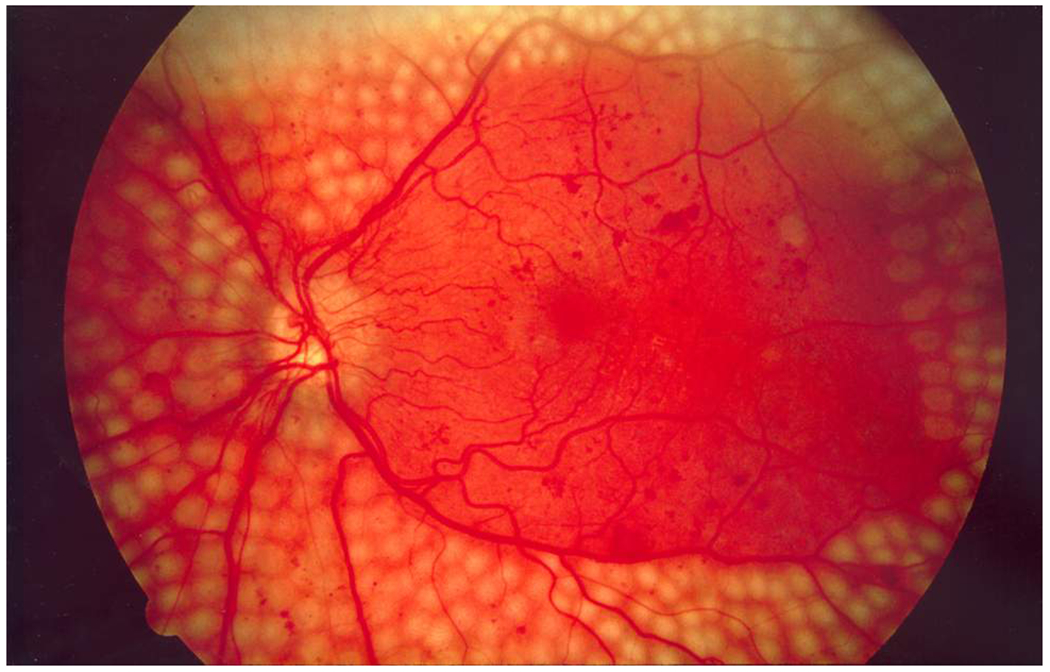
Introduction: Diabetic retinopathy (DR) is a leading cause of blindness worldwide. Recent decades have seen rapid progress in the management of diabetic eye disease, evolving from pituitary ablation to photocoagulation and intravitreal pharmacotherapy. The advent of effective intravitreal drugs inhibiting vascular endothelial growth factor (VEGF) marked a new era in DR therapy. Sustained innovation has since produced several promising biologics targeting angiogenesis, inflammation, oxidative stress, and neurodegeneration.
Areas covered: This review surveys traditional, contemporary, and emerging therapeutics for DR, with an emphasis on anti-VEGF therapies, receptor tyrosine kinase inhibitors, angiopoietin-Tie2 pathway inhibitors, integrin pathway inhibitors, gene therapy 'biofactory' approaches, and novel systemic therapies. Some of these investigational therapies are being delivered intravitreally via sustained release technologies for extended durability. Other investigational agents are being delivered non-invasively via topical and systemic routes. These strategies hold promise for early and long-lasting treatment of DR.
Expert opinion: The evolving therapeutic landscape of DR is rapidly expanding our toolkit for the effective and durable treatment of blinding eye disease. However, further research is required to validate the efficacy of novel therapeutics and characterize real world outcomes.
Keywords: APX3330; Diabetic macular edema; EYP-1901; OTT166; OTX-TKI; RGX-314; VEGF; aflibercept; bevacizumab; diabetic retinopathy; faricimab; ranibizumab; vascular endothelial growth factor.
Conflict of interest statement
Declaration of interest
T Ciulla reports employment by, and holds equity in, Clearside Biomedical. A Bhatwadekar is an ad hoc pharmacist at CVS Health/Aetna and the manuscript contents do not reflect that of CVS Health/Aetna. The authors have no other relevant affiliations or financial involvement with any organization or entity with a financial interest in or financial conflict with the subject matter or materials discussed in the manuscript apart from those disclosed.
Figures


References
-
- International Diabetes Federation. IDF Diabetes Atlas, 10th ed [Internet]. Brussels, Belgium; 2021. [cited 2022 Oct 19]. Available from: https://diabetesatlas.org.
-
- Fong DS, Aiello L, Gardner TW, et al. Retinopathy in diabetes. Diabetes Care. 2004;27 Suppl 1:S84–87. - PubMed
-
- Moshfeghi AA, Lanitis T, Kropat G, et al. Social Cost of Blindness Due to AMD and Diabetic Retinopathy in the United States in 2020. Ophthalmic Surgery, Lasers and Imaging Retina. 2020;51:S6–S14. - PubMed
Publication types
MeSH terms
Substances
Grants and funding
LinkOut - more resources
Full Text Sources
Medical
Miscellaneous
