


Metabolite signature in acute ischemic stroke thrombi: a systematic review
- PMID: 37580625
- PMCID: PMC11178128
- DOI: 10.1007/s11239-023-02869-9
Metabolite signature in acute ischemic stroke thrombi: a systematic review
Abstract
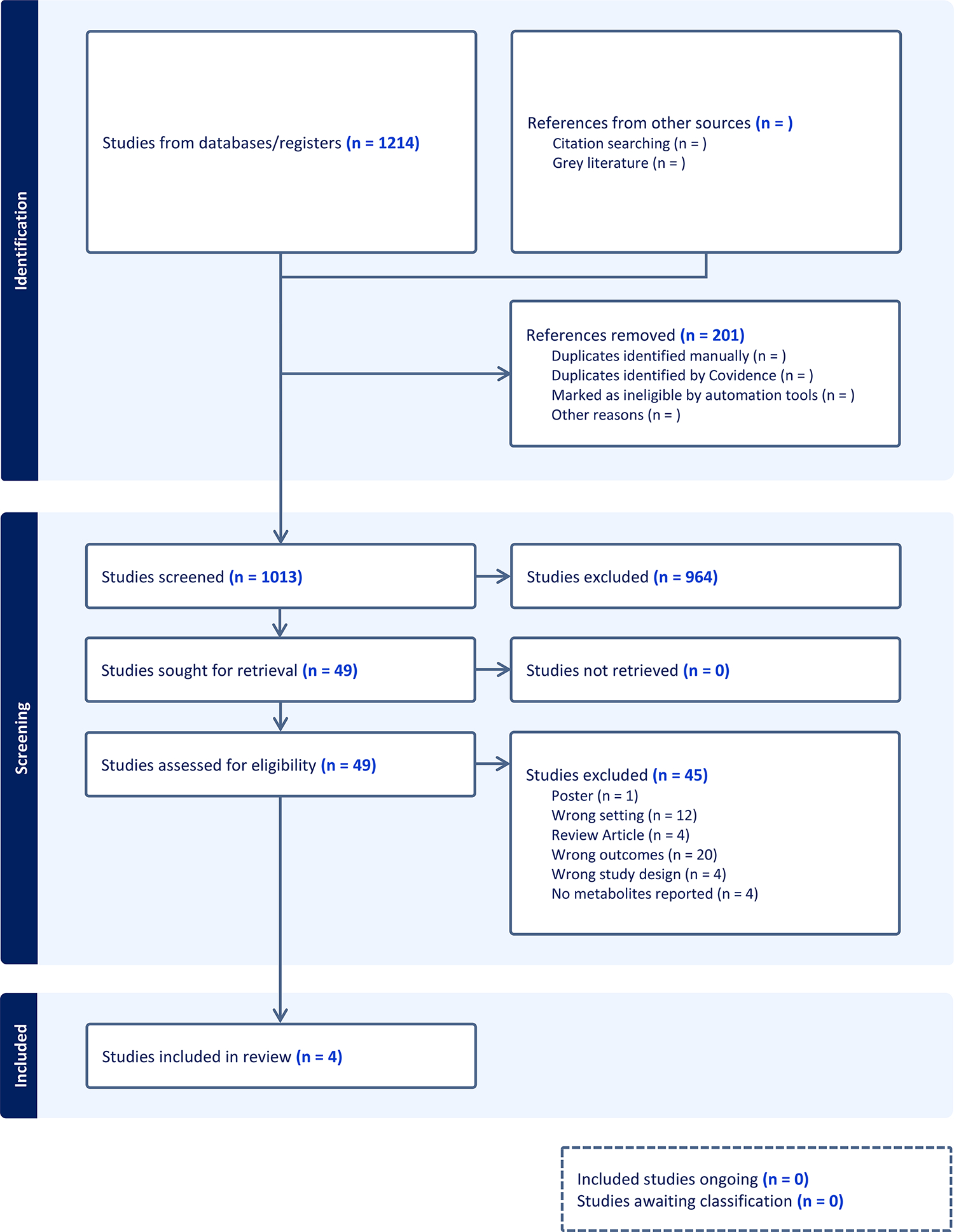
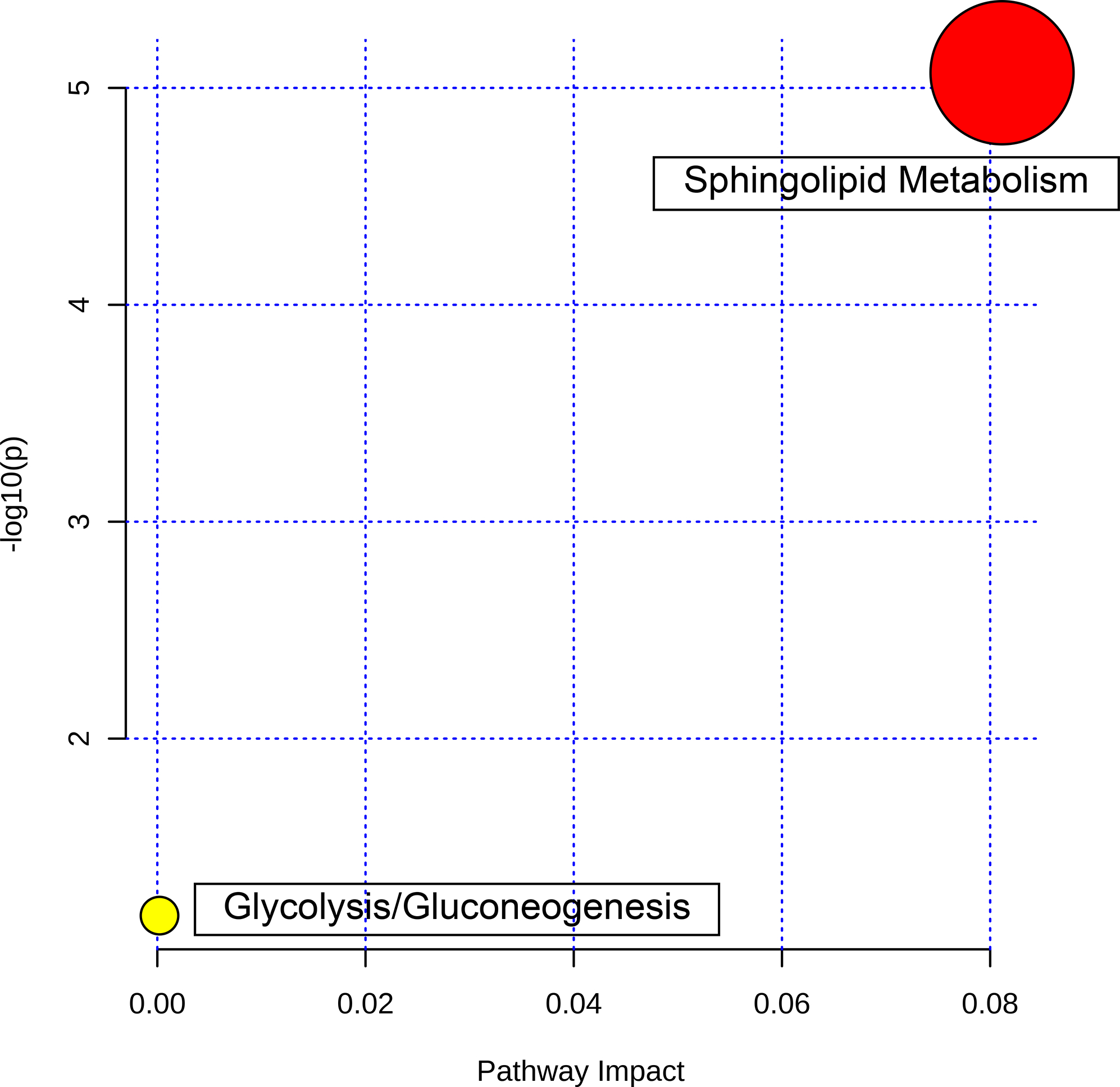
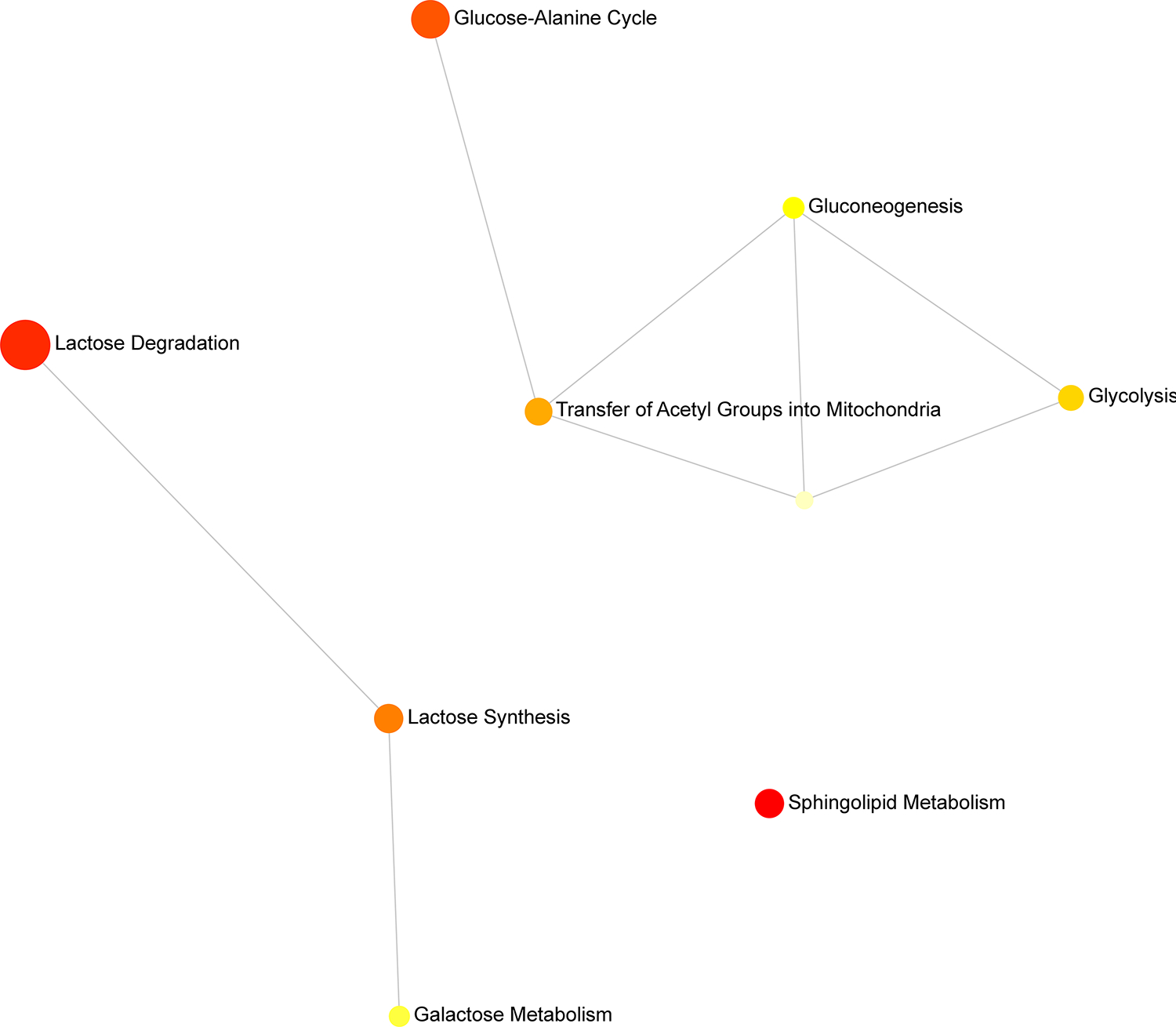
Metabolites are reliable biomarkers for many diseases. However, their role in acute ischemic stroke (AIS) pathogenesis is not well understood. In this systematic review we aim to evaluate the current literature on the presence of metabolites in thrombi retrieved by mechanical thrombectomy from AIS patients. Following the Preferred Reporting Items for Systematic Reviews and Meta-analyses (PRISMA) 2020 guidelines, we searched OVID Medline, PubMed, OVID Embase, Scopus, and Web of Science until July 13, 2022. Metabolites lists were extracted, and pathway analysis was performed in MetaboAnalyst database. Four articles listing metabolites were included in this systematic review. D-Glucose, diacylglycerol, phytosphingosine, galabiosylceramide, glucosylceramide and 4-hydroxynonenal were reported to be associated with clots. Metabolomics data analysis showed that glycolysis, lactose, and sphingolipid metabolism pathways were enriched. In conclusion, results of the present study show that the thrombi niche has a glycolytic phenotype. Future studies should work to better understand the metabolic properties of AIS thrombi.
Keywords: Metabolite; Signature; Stroke; Systematic review.
© 2023. The Author(s), under exclusive licence to Springer Science+Business Media, LLC, part of Springer Nature.
Conflict of interest statement
Conflict of interests
The authors declare no conflict of interest.
Figures

References
-
- Deng W, Beecher C, Burant C, De Jong F, Lopez M, Wickham T, Elia M, Feeney K, McMullin D, Buonanno F, Lo E, Ning M. Metabolomic analysis reveals novel small molecule plasma markers of hyperacute ischemic stroke (S30.001). 2015; 84: S30.001.
-
- Maekawa K, Sugita C, Yamashita A, Moriguchi-Goto S, Furukoji E, Sakae T, Gi T, Hirai T, Asada Y. Higher lactate and purine metabolite levels in erythrocyte-rich fresh venous thrombus: Potential markers for early deep vein thrombosis. Thrombosis research. 2019; 177: 136–44. 10.1016/j.thromres.2019.03.011. - DOI - PubMed
-
- Wei L, Xuesong B, Jiheng H, Xin X, Feng L, Qunlong J, Chunguang D, Gaolei D, Fangda P, Meng Z, Yao F, Jiyue W, Xianyang C, Teng X, Xiaofan G, Zhaolin F, Wen-huo C, Liyong Z, Chaodong W, Liqun J. Thrombosis origin identification of cardioembolism and large artery atherosclerosis by distinct metabolites. Journal of NeuroInterventional Surgery. 2022: neurintsurg-2022–019047. 10.1136/neurintsurg-2022-019047. - DOI - PubMed
Publication types
MeSH terms
Substances
Grants and funding
LinkOut - more resources
Full Text Sources
Medical
