


Genetic variation among elite inbred lines suggests potential to breed for BNI-capacity in maize
- PMID: 37591891
- PMCID: PMC10435450
- DOI: 10.1038/s41598-023-39720-3
Genetic variation among elite inbred lines suggests potential to breed for BNI-capacity in maize
Abstract
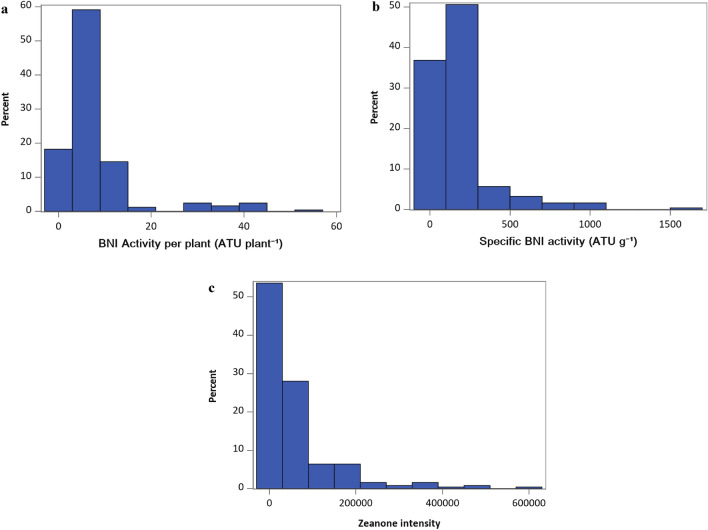
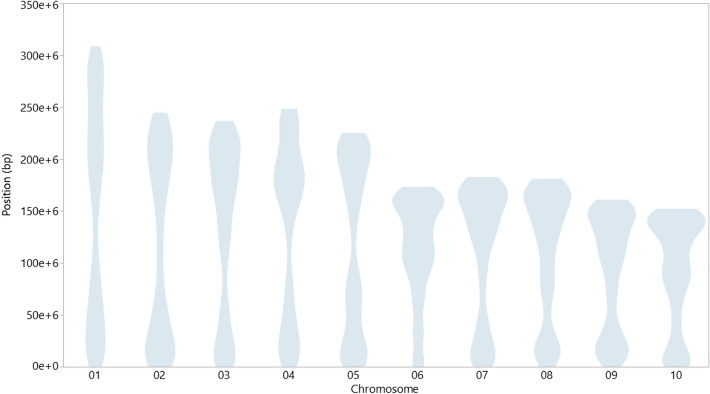
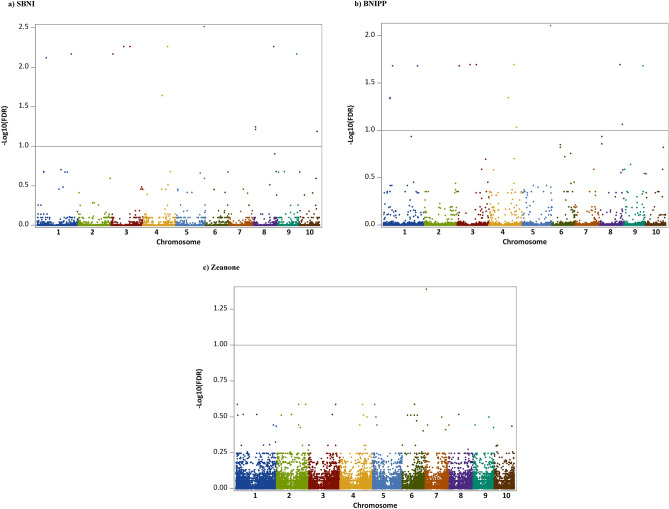
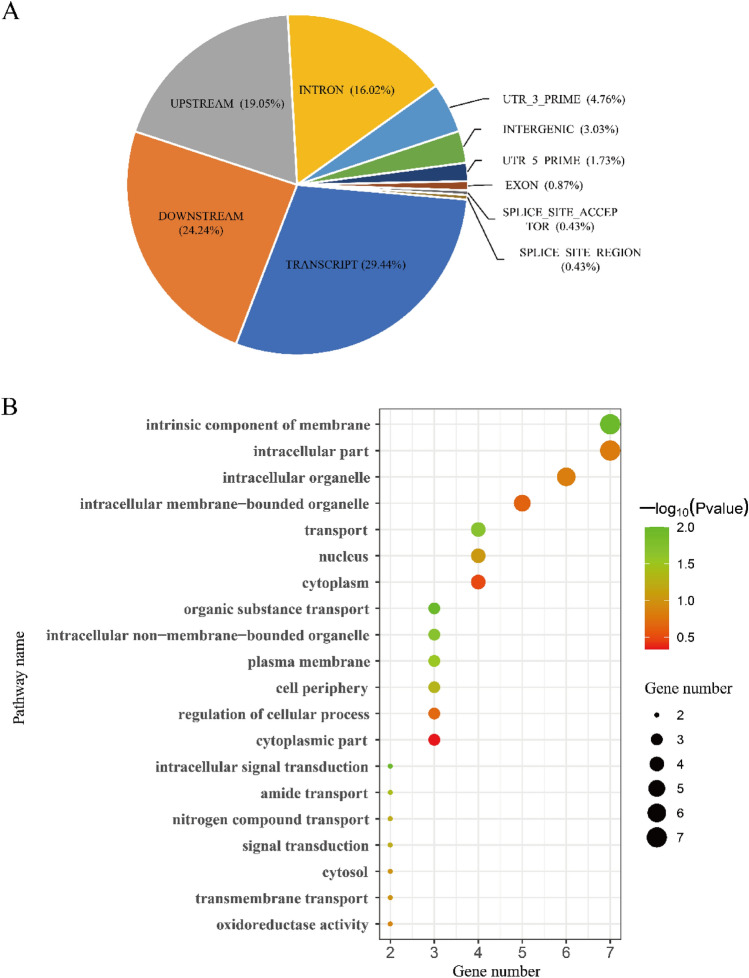
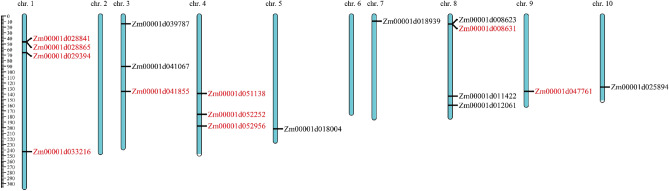
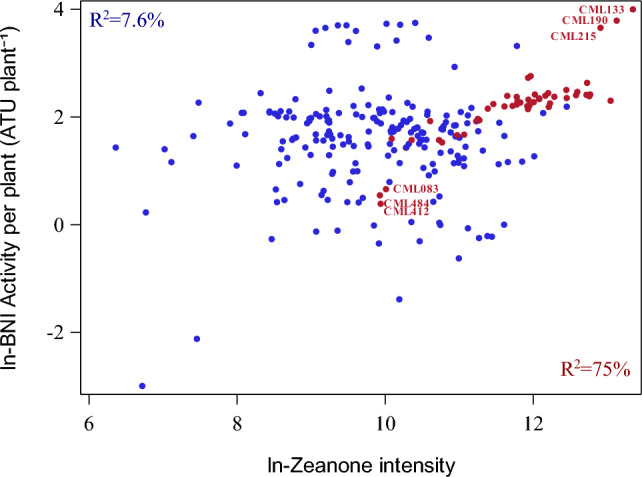
Biological nitrification inhibition (BNI) is a plant function where root systems release antibiotic compounds (BNIs) specifically aimed at suppressing nitrifiers to limit soil-nitrate formation in the root zone. Little is known about BNI-activity in maize (Zea mays L.), the most important food, feed, and energy crop. Two categories of BNIs are released from maize roots; hydrophobic and hydrophilic BNIs, that determine BNI-capacity in root systems. Zeanone is a recently discovered hydrophobic compound with BNI-activity, released from maize roots. The objectives of this study were to understand/quantify the relationship between zeanone activity and hydrophobic BNI-capacity. We assessed genetic variability among 250 CIMMYT maize lines (CMLs) characterized for hydrophobic BNI-capacity and zeanone activity, towards developing genetic markers linked to this trait in maize. CMLs with high BNI-capacity and ability to release zeanone from roots were identified. GWAS was performed using 27,085 SNPs (with unique positions on the B73v.4 reference genome, and false discovery rate = 10), and phenotypic information for BNI-capacity and zeanone production from root systems. Eighteen significant markers were identified; three associated with specific BNI-activity (SBNI), four with BNI-activity per plant (BNIPP), another ten were common between SBNI and BNIPP, and one with zeanone release. Further, 30 annotated genes were associated with the significant SNPs; most of these genes are involved in pathways of "biological process", and one (AMT5) in ammonium regulation in maize roots. Although the inbred lines in this study were not developed for BNI-traits, the identification of markers associated with BNI-capacity suggests the possibility of using these genomic tools in marker-assisted selection to improve hydrophobic BNI-capacity in maize.
© 2023. Springer Nature Limited.
Conflict of interest statement
The authors declare no competing interests.
Figures
References
-
- Pimentel D, et al. Food production and the energy crisis. Science (1979) 1973;182:443–449. - PubMed
-
- Stuart D, Schewe RL, McDermott M. Reducing nitrogen fertilizer application as a climate change mitigation strategy: Understanding farmer decision-making and potential barriers to change in the US. Land Use Policy. 2014;36:210–218.
-
- Subbarao G, et al. Scope and strategies for regulation of nitrification in agricultural systems—Challenges and opportunities. CRC Crit. Rev. Plant Sci. 2006;25:303–335.
Publication types
MeSH terms
Substances
LinkOut - more resources
Full Text Sources
