


ApoE Mimetic Peptides as Therapy for Traumatic Brain Injury
- PMID: 37592168
- PMCID: PMC10684461
- DOI: 10.1007/s13311-023-01413-0
ApoE Mimetic Peptides as Therapy for Traumatic Brain Injury
Abstract
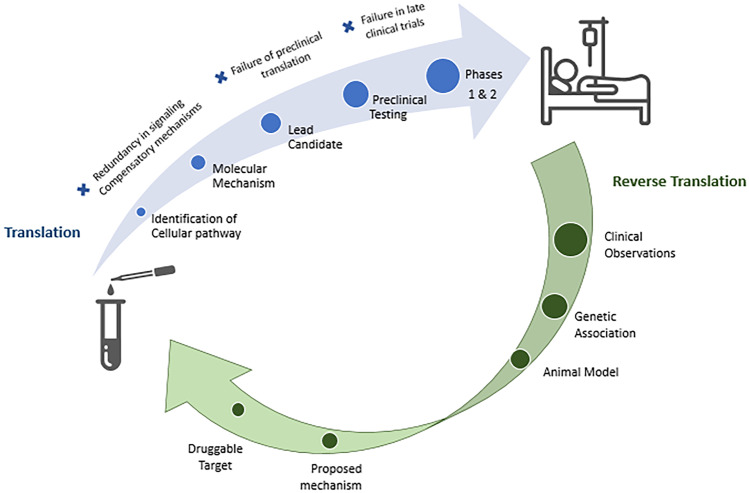
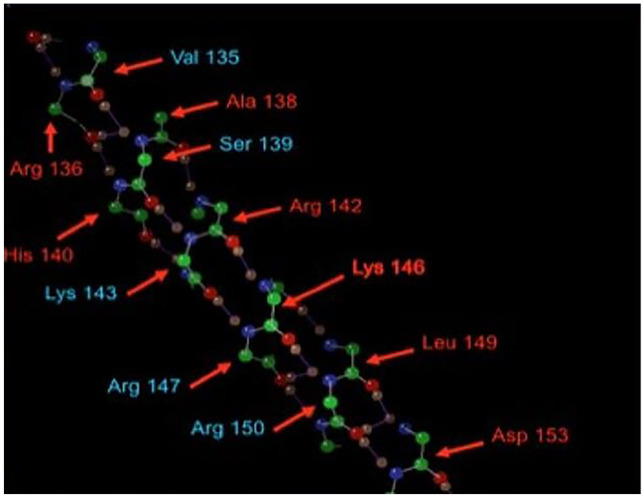
The lack of targeted therapies for traumatic brain injury (TBI) remains a compelling clinical unmet need. Although knowledge of the pathophysiologic cascades involved in TBI has expanded rapidly, the development of novel pharmacological therapies has remained largely stagnant. Difficulties in creating animal models that recapitulate the different facets of clinical TBI pathology and flaws in the design of clinical trials have contributed to the ongoing failures in neuroprotective drug development. Furthermore, multiple pathophysiological mechanisms initiated early after TBI that progress in the subacute and chronic setting may limit the potential of traditional approaches that target a specific cellular pathway for acute therapeutic intervention. We describe a reverse translational approach that focuses on translating endogenous mechanisms known to influence outcomes after TBI to develop druggable targets. In particular, numerous clinical observations have demonstrated an association between apolipoprotein E (apoE) polymorphism and functional recovery after brain injury. ApoE has been shown to mitigate the response to acute brain injury by exerting immunomodulatory properties that reduce secondary tissue injury as well as protecting neurons from excitotoxicity. CN-105 represents an apoE mimetic peptide that can effectively penetrate the CNS compartment and retains the neuroprotective properties of the intact protein.
Keywords: Drug development; Neurodegeneration; Neuroinflammation; Neuroprotection; Traumatic brain injury.
© 2023. The American Society for Experimental Neurotherapeutics, Inc.
Conflict of interest statement
None.
Figures
References
-
- Capizzi A, Woo J, Verduzco-Gutierrez M. Traumatic brain injury: an overview of epidemiology, pathophysiology, and medical management. Med Clin North Am. 2020;104(2):213–238. - PubMed
-
- Dewan MC, Rattani A, Gupta S, et al. Estimating the global incidence of traumatic brain injury. J Neurosurg. 2018;2018(1):1–18. - PubMed
-
- Janak JC, Pugh MJ, Ormal L. Epidemiology of TBI in: traumatic brain injury rehabilitation medicine. D.X. Cifu and B.C. Eapen (eds.). Elsevier: Philadelphia, PA. 2015:6–35.
-
- Ponsford J. Factors contributing to outcome following traumatic brain injury. Neuro Rehabilitation. 2013;32(4):803–815. - PubMed
-
- Pierpoint LA, Collins C. Epidemiology of sports-related concussion. Clin Sports Med. 2021;40(1):1–18. - PubMed
Publication types
MeSH terms
Substances
LinkOut - more resources
Full Text Sources
Medical
Miscellaneous
