Review
. 2023 Aug 18;13(35):24731-24754.
doi: 10.1039/d3ra03472k. eCollection 2023 Aug 11.

Significance of biopolymer-based hydrogels and their applications in agriculture: a review in perspective of synthesis and their degree of swelling for water holding

Affiliations
Review

Significance of biopolymer-based hydrogels and their applications in agriculture: a review in perspective of synthesis and their degree of swelling for water holding

Zaryab Tariq et al. RSC Adv. .

Abstract

Hydrogels are three-dimensional polymer networks that are hydrophilic and capable of retaining a large amount of water. Hydrogels also can act as vehicles for the controlled delivery of active compounds. Bio-polymers are polymers that are derived from natural sources. Hydrogels prepared from biopolymers are considered non-toxic, biocompatible, biodegradable, and cost-effective. Therefore, bio-polymeric hydrogels are being extensively synthesized and used all over the world. Hydrogels based on biopolymers finds important applications in the agricultural field where they are used as soil conditioning agents as they can increase the water retention ability of soil and can act as a carrier of nutrients and other agrochemicals. Hydrogels are also used for the controlled delivery of fertilizer to plants. In this review, bio-polymeric hydrogels based on starch, chitosan, guar gum, gelatin, lignin, and alginate polymer have been discussed in terms of their synthesis method, swelling behavior, and possible agricultural application. The urgency to address water scarcity and the need for sustainable water management in agriculture necessitate the exploration and implementation of innovative solutions. By understanding the synthesis techniques and factors influencing the swelling behavior of these hydrogels, we can unlock their full potential in fostering sustainable agriculture and mitigating the challenges posed by an ever-changing environment.


Conflict of interest statement

The authors declare no conflict of interest.

Figures
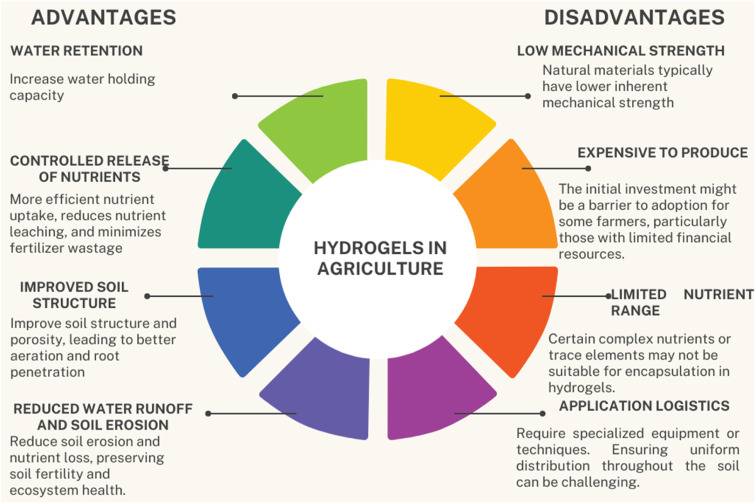
Fig. 1
Fig. 1. Advantages and disadvantages of biopolymeric hydrogels in agriculture.
Fig. 2
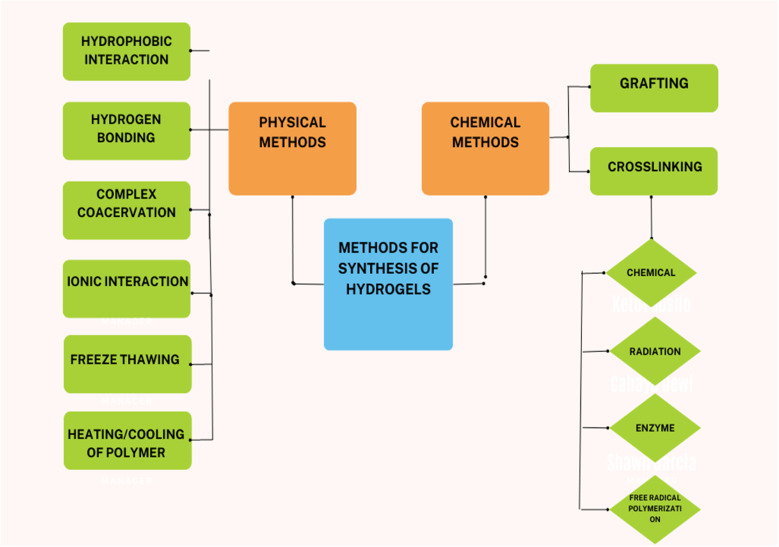
Fig. 2. Methods for the preparation of hydrogels.
Fig. 3
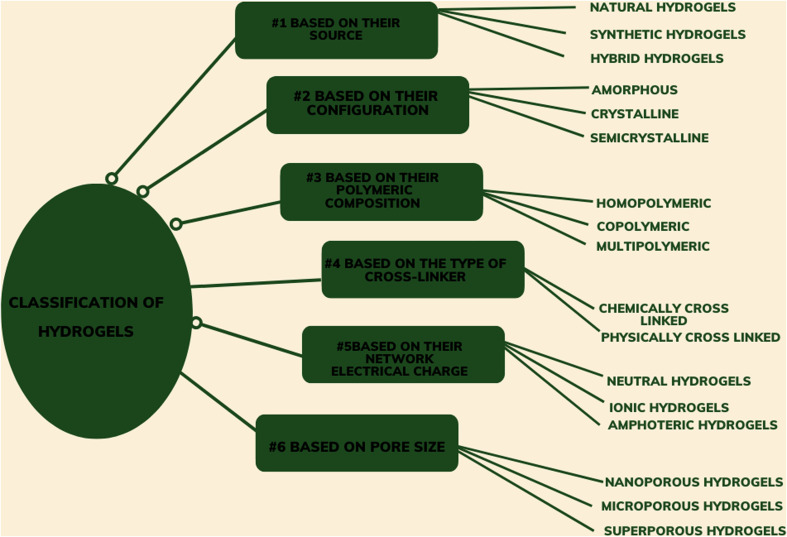
Fig. 3. Classification of hydrogels.
Fig. 4
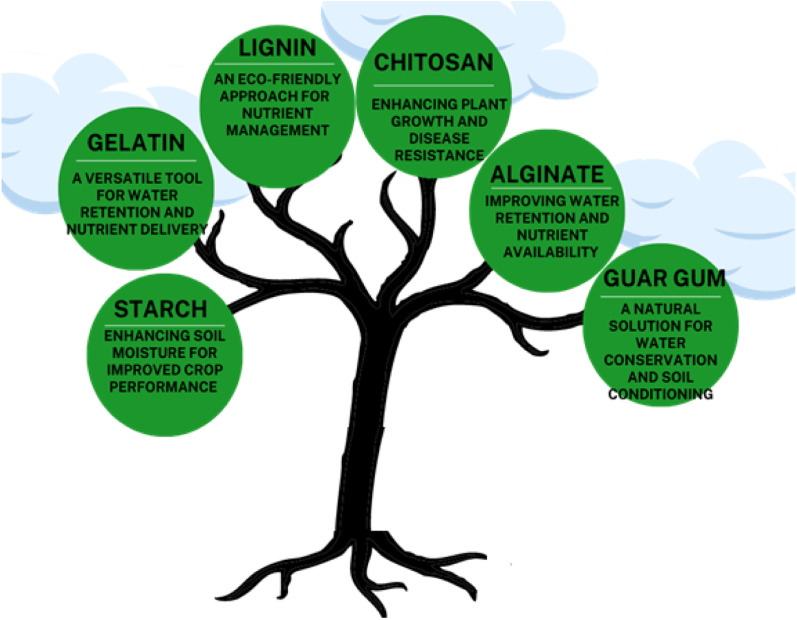
Fig. 4. Common bio-polymeric hydrogels.
Fig. 5
Fig. 5. Schematic presentation of amylose/amylopectin synergistic regulation of gel microstructure, reproduced from ref. , under the terms of the Creative Commons CC BY license, 2021.
Fig. 6
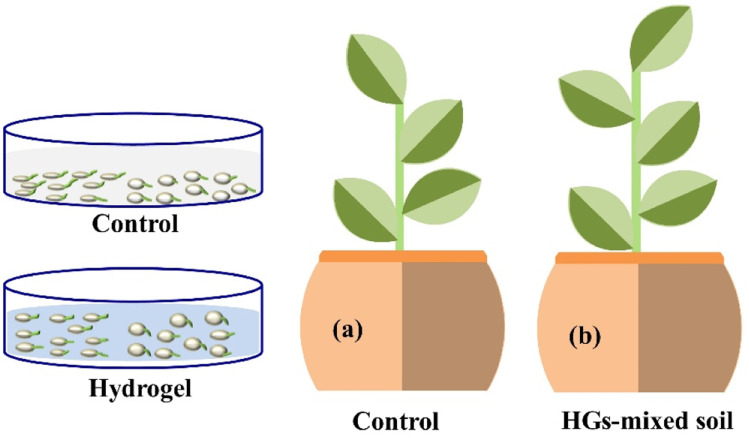
Fig. 6. Illustration of the plant (Capsicum frutescens) growth in both (a) control and (b) hydrogel (HGs)-mediated soils for 30 days, reproduced with permission from ref. copyright, Elsevier, 2022.
Fig. 7
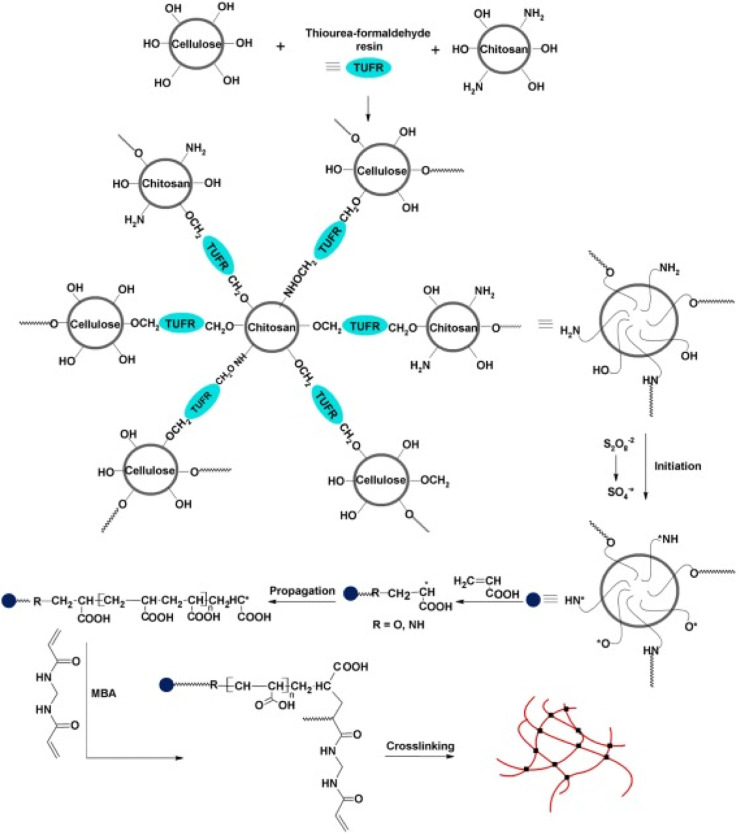
Fig. 7. Illustration of the steps involved in the coupling of cellulose and chitosan into the crosslinked backbone and successive graft polymerization of acrylic acid from this backbone, reproduced with permission from ref. copyright, Elsevier, 2016.
Fig. 8
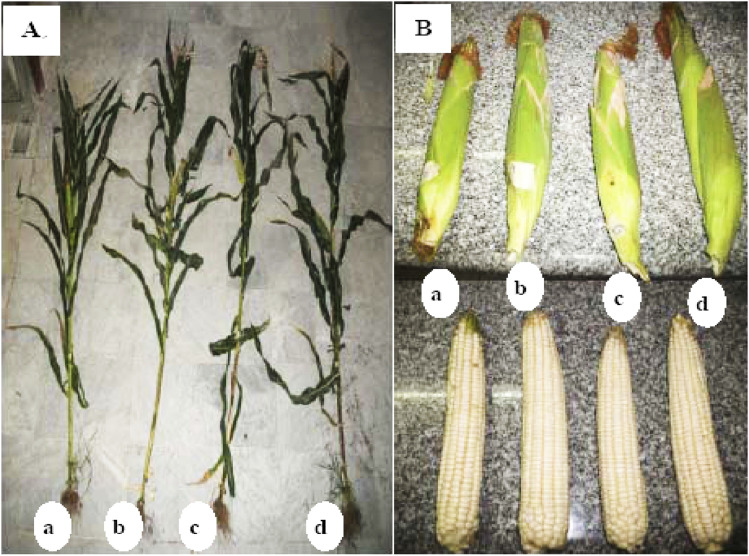
Fig. 8. Effect of swollen hydrogels on the growth of maize plants (B) growth of maize cob yield size. (a) Untreated soil (control), (b) soil treated with PAAm/Alg, (c) soil treated with PAAm/CS, and (d) soil treated with PAAm/Alg/CS, reproduced with permission from ref. , copyright, Elsevier, 2017.
Fig. 9
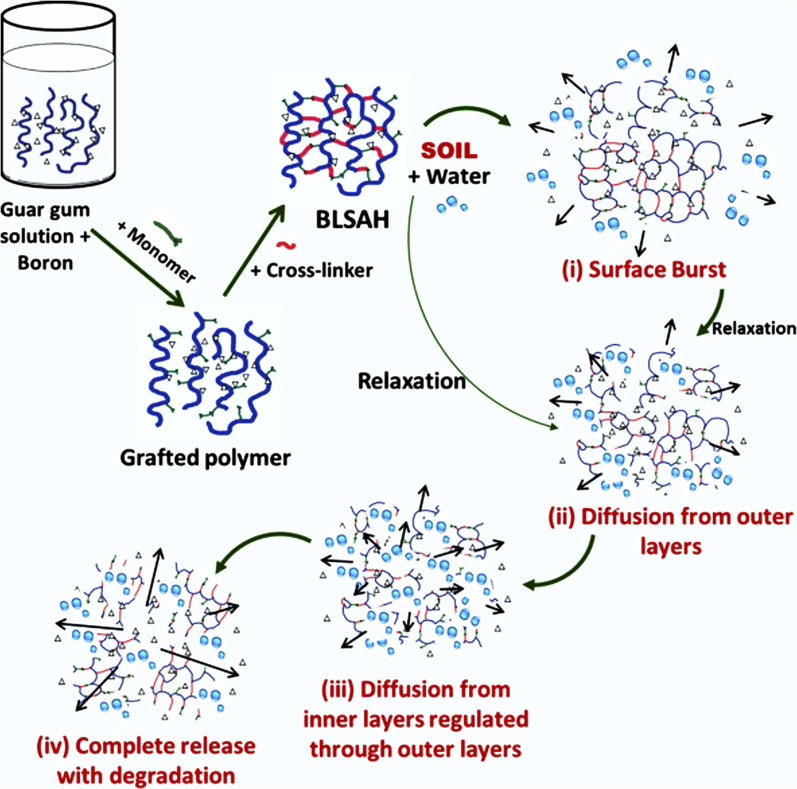
Fig. 9. Illustration of synthesis of boron-loaded guar gum hydrogel and boron release mechanism, reproduced with permission from ref. copyright, John Wiley and Sons, 2022.
Fig. 10
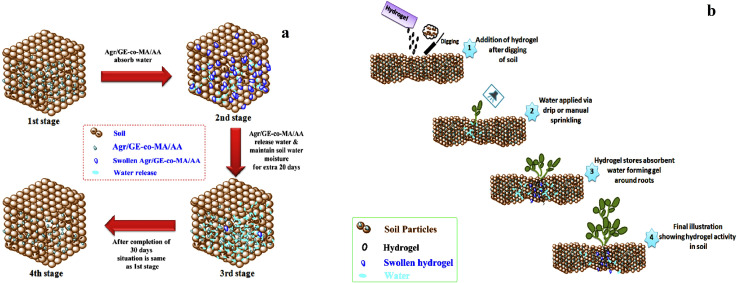
Fig. 10. (a) Schematic presentation of water retention in the soil through agar agar/gelatin/methyl acrylate/acrylic acid (Agr/GE-co-MA/AA hydrogel) (b) demonstrates hydrogel used in the agriculture field for the function of plant water assimilation, reproduced from ref. under the terms of the Creative Commons CC BY license, 2020.
Fig. 11
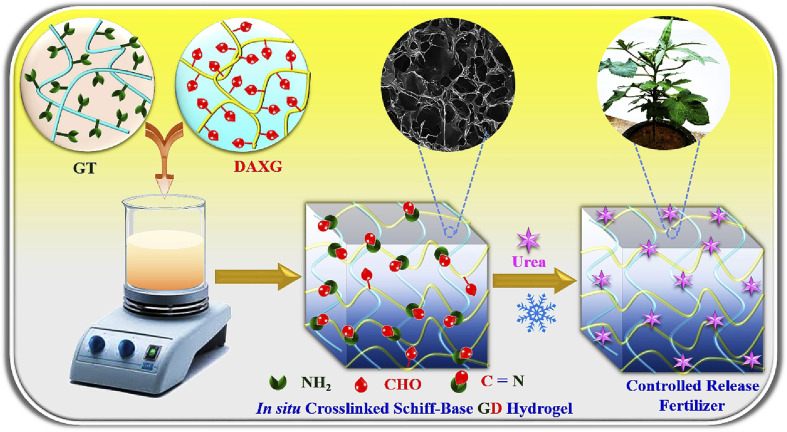
Fig. 11. Schematic representation of the synthesis of gelatin (GT)-dialdehyde xanthan gum (DAXG) Schiff-base hydrogels (GD) as urea-controlled release fertilizers (CRFs) in agriculture, reproduced with permission from ref. copyright, Elsevier, 2023.
Fig. 12
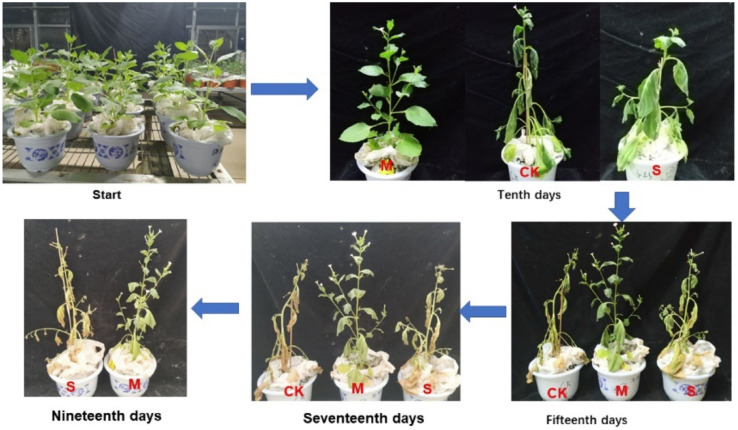
Fig. 12. Illustration of different treatments of tobacco growth after stopping water supply. M: L/KJ/Alg hydrogel treatment; S: acrylamide hydrogel, CK: untreated soil, reproduced with permission from ref. copyright, Elsevier, 2019.
Fig. 13
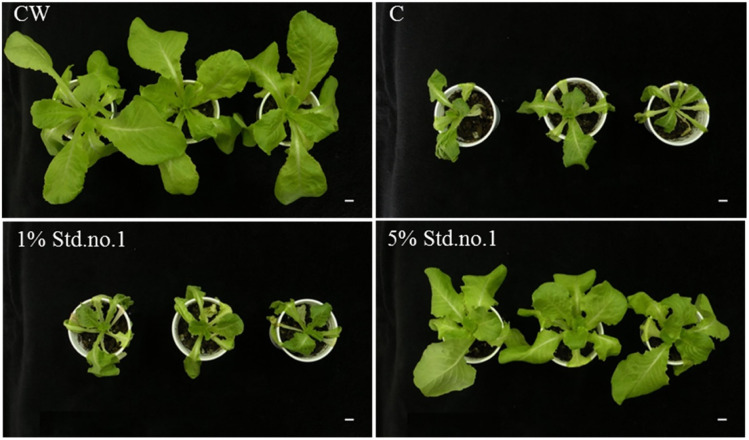
Fig. 13. Illustration of effect of hydrogel substrate supplementation on lettuce plants subjected to drought for 7 days; C: substrate without hydrogel supplementation, 1% w/w or 5% w/w-supplemented substrates. CW: set of plants grown without hydrogel were continually watered along the experiment, reproduced with permission from ref. copyright, Elsevier, 2020.
Fig. 14
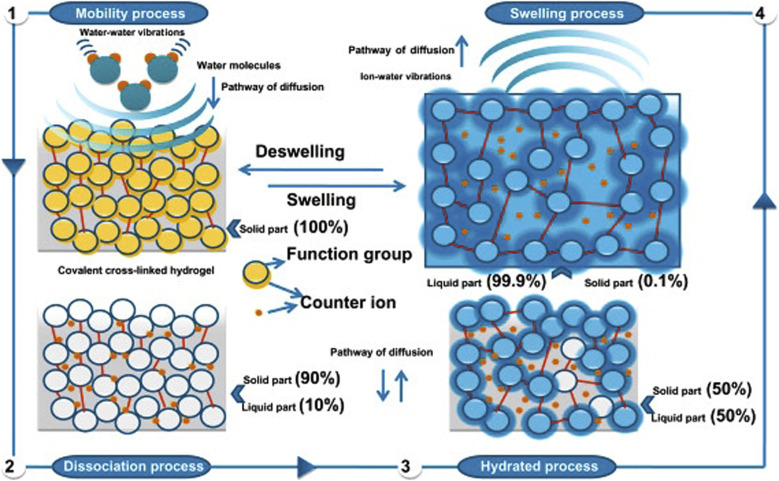
Fig. 14. The swelling mechanism of hydrogels, reproduced from ref. , copyright, Elsevier, 2020.
Fig. 15
Fig. 15. Aspects to choose the ideal hydrogel for use as a soil conditioner, reproduced from ref. , copyright, Elsevier, 2020.
Fig. 16
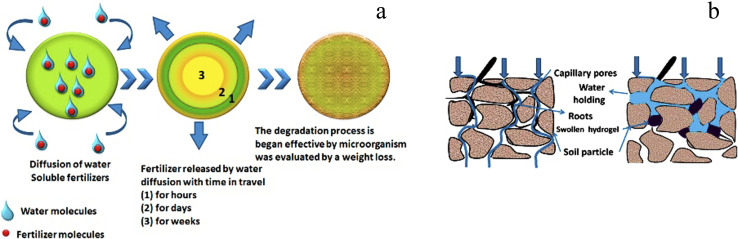
Fig. 16. (a) An illustration of the complete fertilizer release procedure from hydrogel (b) the impact of polysaccharide hydrogel on the soil texture for plant growth, reproduced from ref. , copyright, Elsevier, 2020.
Fig. 17
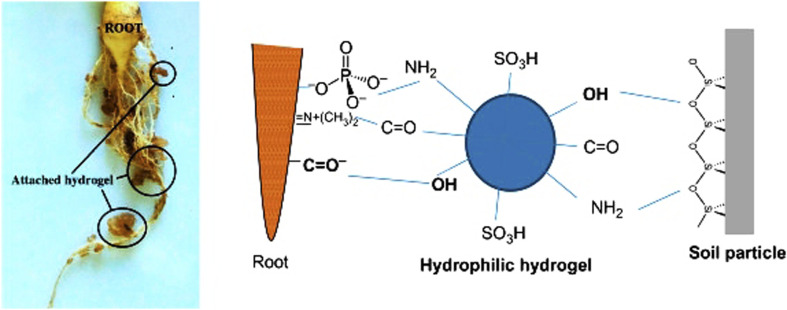
Fig. 17. The hydrogel adheres to the roots tightly and improves soil-root contact, reproduced from ref. , copyright, Elsevier, 2020.
None
Dure Najaf Iqbal
None
Mahmood Ahmed

References

    1. Ghobashy M. M., in Hydrogels based on natural polymers, Elsevier, 2020, pp. 329–356
    1. Li S. Hernandez S. Salazar N. Sustainability. 2023;15:848.
    1. Patra S. K. Poddar R. Brestic M. Acharjee P. U. Bhattacharya P. Sengupta S. Pal P. Bam N. Biswas B. Barek V. Int. J. Polym. Sci. 2022;2022:4914836.
    1. Pradeep M. Senthilkumar S. Kumar A. R. Manivannan S. Water Energy Int. 2023;66:15–18.
    1. Peppas N. A. and Hoffman A. S., in Biomaterials science, Elsevier, 2020, pp. 153–166