


Effects of bovine respiratory disease on the plasma metabolome of beef steers during the receiving period
- PMID: 37601765
- PMCID: PMC10436613
- DOI: 10.3389/fvets.2023.1239651
Effects of bovine respiratory disease on the plasma metabolome of beef steers during the receiving period
Abstract
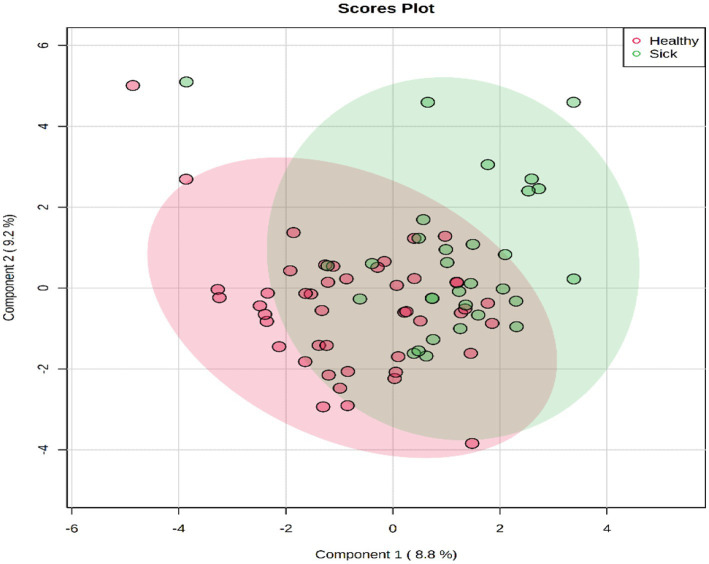
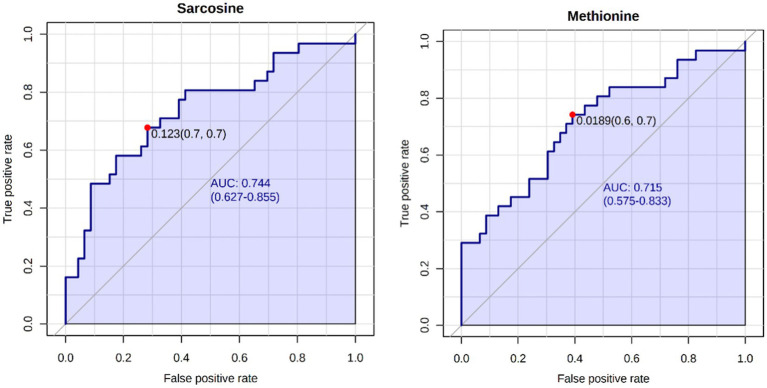
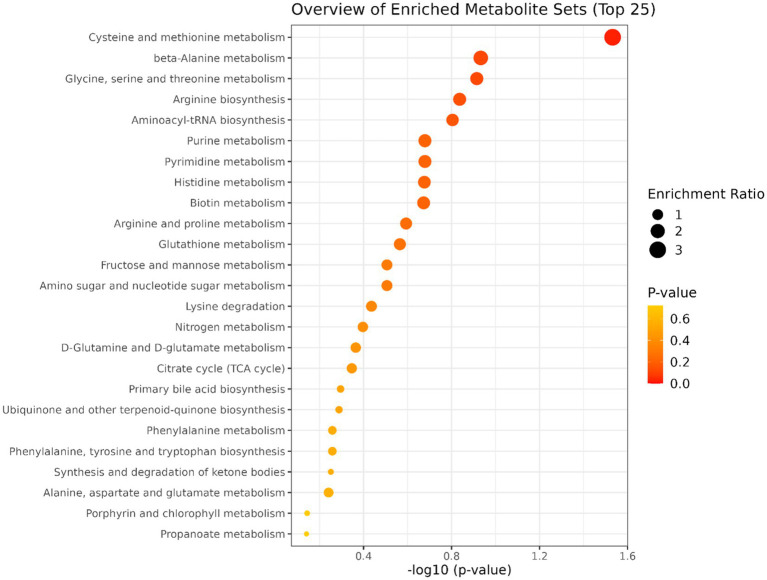
The study aimed to investigate the impact of Bovine Respiratory Disease (BRD) on the metabolism of beef steers during a 35-d receiving period using plasma metabolomics. In this study, 77 newly weaned crossbred (Angus × Hereford) beef steers (BW = 206 ± 12 kg and age = 180 ± 17 days) were categorized into two groups: Healthy and Sick groups. The Sick group comprised beef steers diagnosed with BRD at any time during the 35-day period (n = 31), while the Healthy group did not show any signs of BRD (n = 46). Blood samples were collected from the coccygeal vessels on day 35, and plasma samples were subjected to targeted metabolomics analysis using Nuclear Magnetic Resonance spectroscopy. Data and statistical analyses, including biomarker and pathway enrichment analyses, were performed using Metaboanalyst 5.0. Results of the growth performance showed that sick steers had lower (p ≤ 0.05) ADG (1.44 vs. 1.64 kg/d) and higher (p = 0.01) feed:gain ratio (3.57 vs. 3.13) compared to healthy steers. A total of 50 metabolites were quantified. The partial least squares discriminant scores plot showed a slight separation between the two groups of steers, indicating some metabolic differences. Furthermore, the plasma concentrations of four metabolites (sarcosine, methionine, dimethyl sulfone, and L-histidine) were greater (p ≤ 0.05) in healthy steers compared to sick steers. Among these metabolites, sarcosine and methionine qualified as candidate biomarkers associated with BRD infection based on an area under the curve >0.70. Additionally, quantitative enrichment analysis revealed that cysteine and methionine metabolism was enriched in healthy steers compared to sick steers. This suggests that these metabolic pathways may play a role in the response to BRD infection. The findings of this study highlight the altered plasma metabolome in steers with BRD during the receiving period. Understanding these metabolic changes can contribute to the development of effective management strategies and nutritional interventions to mitigate the negative impact of BRD on beef cattle health and immune function.
Keywords: amino acids; beef cattle; bovine respiratory disease; metabolome; receiving period.
Copyright © 2023 Eichie, Taiwo, Idowu, Sidney, Treon, Ologunagba, Leal and Ogunade.
Conflict of interest statement
The authors declare that the research was conducted in the absence of any commercial or financial relationships that could be construed as a potential conflict of interest.
Figures
References
-
- Lynch E, McGee M, Earley B. Weaning management of beef calves with implications for animal health and welfare. J Appl Anim Res. (2019) 47:167–75. doi: 10.1080/09712119.2019.1594825, PMID: - DOI
LinkOut - more resources
Full Text Sources
