


Diagnosis and management of tandem occlusion in acute ischemic stroke
- PMID: 37609048
- PMCID: PMC10440394
- DOI: 10.1016/j.ejro.2023.100513
Diagnosis and management of tandem occlusion in acute ischemic stroke
Abstract
Approximately 20-30% of patients with acute ischemic stroke, caused by large intracranial vessel occlusion, have a tandem lesion, defined as simultaneous presence of high-grade stenosis or occlusion of the cervical internal carotid artery and thromboembolic occlusion of the intracranial terminal internal carotid artery or its branches, usually the middle cerebral artery. Patients with tandem lesions have usually worse outcomes than patients with single intracranial occlusions, and intravenous thrombolysis is less effective in these patients. Although endovascular thrombectomy is currently a cornerstone therapy in the management of acute ischemic stroke due to large vessel occlusion, the optimal management of extracranial carotid lesions in tandem occlusion remains controversial. Acute placement of a stent in the cervical carotid artery lesion is the most used therapeutic strategy compared with stented balloon angioplasty and thrombectomy alone without carotid artery revascularization; however, treatment strategies in these patients are often more complex than with single occlusion, so treatment decisions can change based on clinical and technical considerations. The aim of this review is to analyze the results of different studies and trials, investigating the periprocedural neurointerventional management of patients with tandem lesions and the safety, efficacy of the different technical strategies available as well as their impact on the clinical outcome in these patients, to strengthen current recommendations and thus optimize patient care.
Keywords: Acute Ischemic Stroke; Endovascular Thrombectomy; Stenting; Tandem Occlusion; Tandem lesion.
© 2023 The Authors.
Conflict of interest statement
There are no conflicts of interest in this review.
Figures
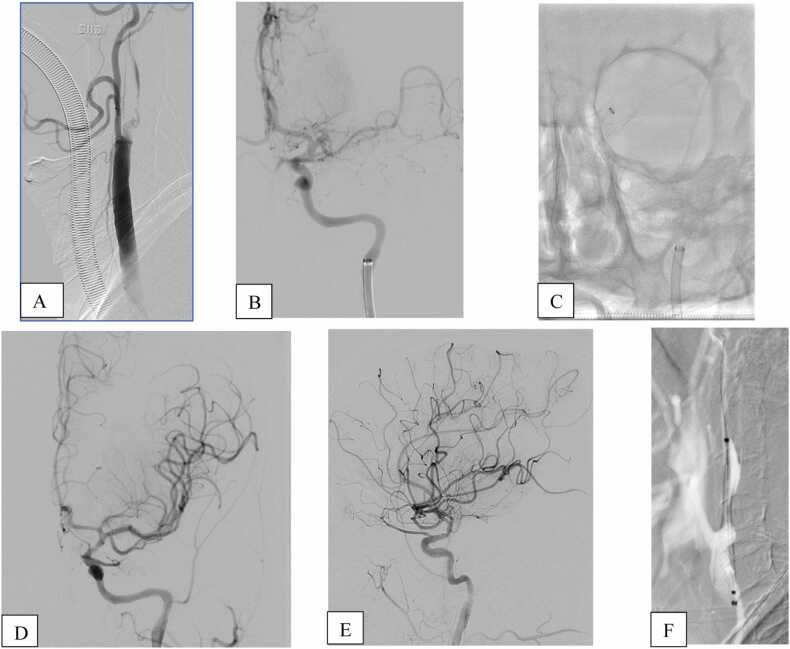
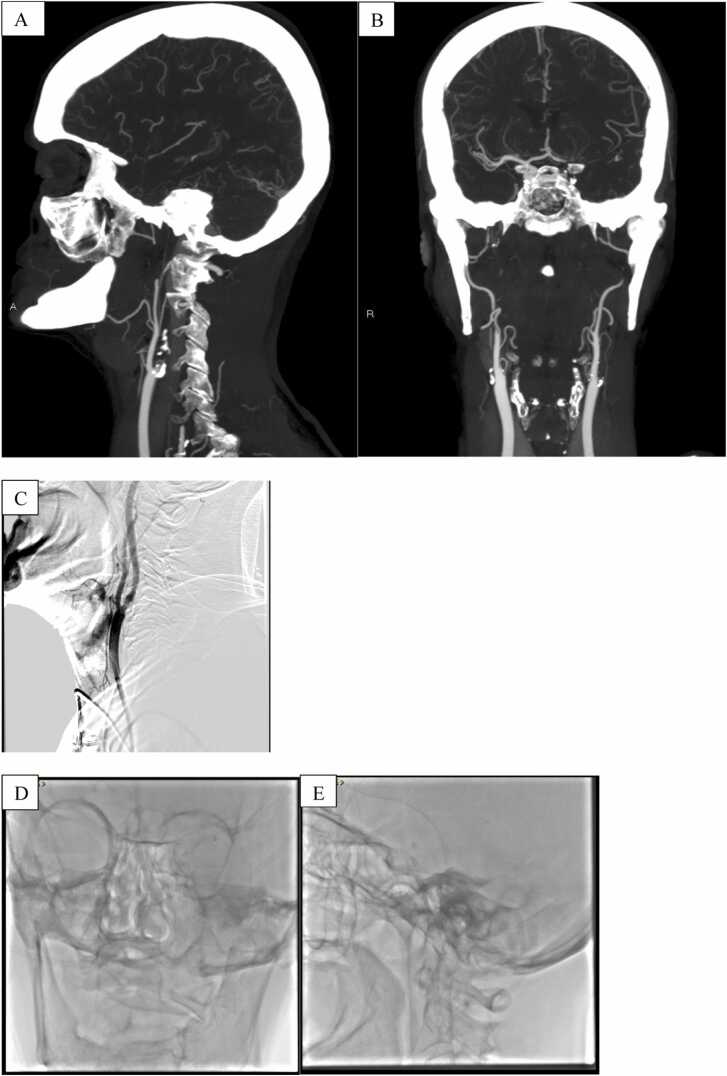
References
-
- Jadhav A.P., Zaidat O.O., Liebeskind D.S., et al. Emergent management of tandem lesions in acute ischemic stroke. Stroke. 2019;50:428–433. - PubMed
-
- Goyal M., Menon B.K., van Zwam W.H., et al. HERMES collaborators Endovascular thrombectomy after large-vessel ischaemic stroke: a meta-analysis of individual patient data from fiverandomised trials. Lancet. 2016;387:1723–1731. - PubMed
-
- Assis Z., Menon B.K., Goyal M., et al. ESCAPE Trialists Acute ischemic stroke with tandem lesions: technical endovascular management and clinical outcomes from the ESCAPE trial. J. Neurointerv. Surg. 2018;10:429–433. - PubMed
-
- Rubiera M., Ribo M., Delgado-Mederos R., et al. Tandem internal carotid artery/middle cerebral artery occlusion: an independent predictor of poor outcome after systemic thrombolysis. Stroke. 2006;37(09):2301–2305. - PubMed
-
- Kim Y.S., Garami Z., Mikulik R., et al. Early recanalization rates and clinical outcomes in patients with tandem internal carotid artery/ middle cerebral artery occlusion and isolated middle cerebral artery occlusion. - PubMed
LinkOut - more resources
Full Text Sources
