


The Secretory IgA Response in Human Milk Against the SARS-CoV-2 Spike Is Highly Durable and Neutralizing for At Least 1 Year of Lactation Postinfection
- PMID: 37615565
- PMCID: PMC10460685
- DOI: 10.1089/bfm.2023.0117
The Secretory IgA Response in Human Milk Against the SARS-CoV-2 Spike Is Highly Durable and Neutralizing for At Least 1 Year of Lactation Postinfection
Abstract
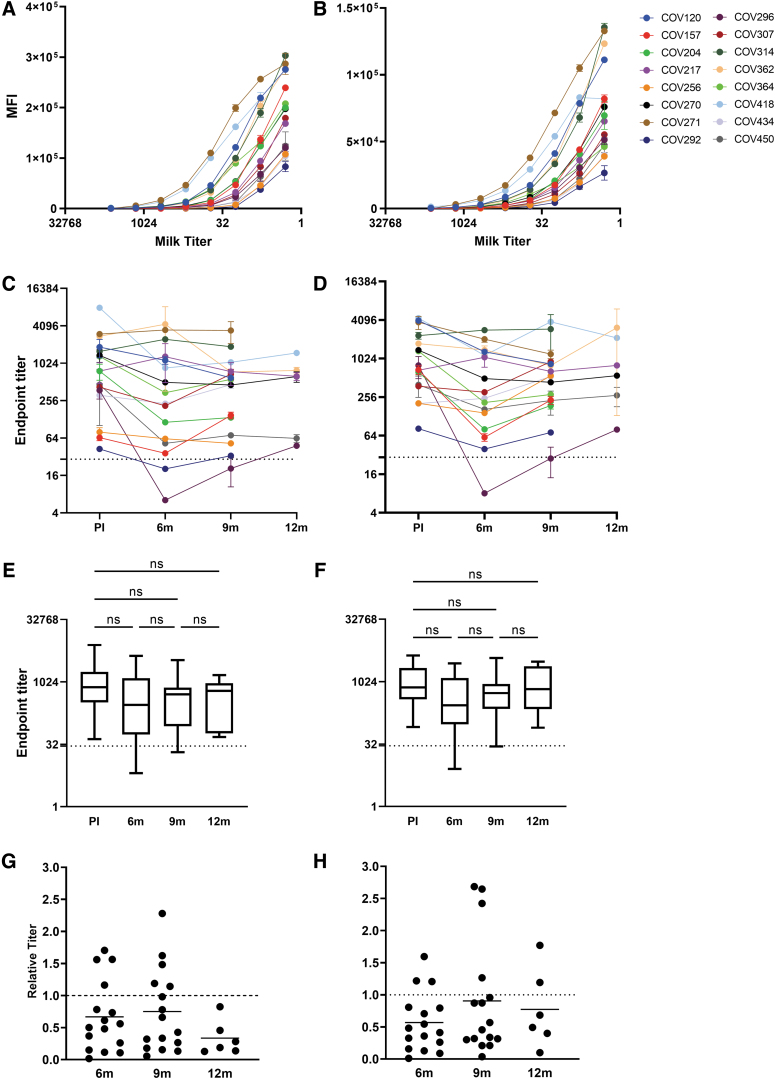
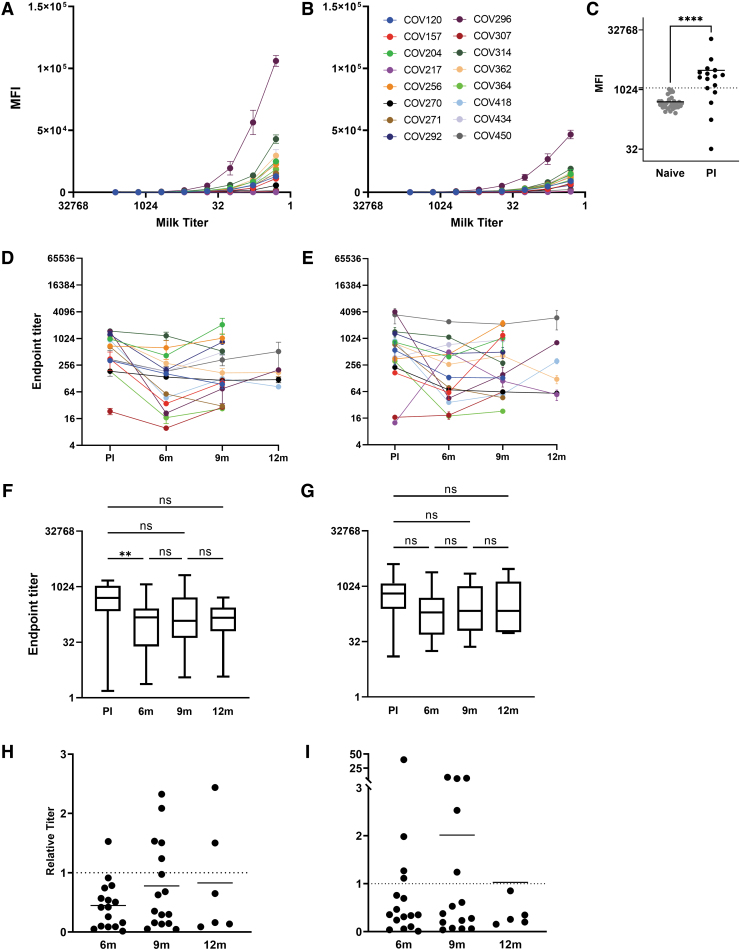
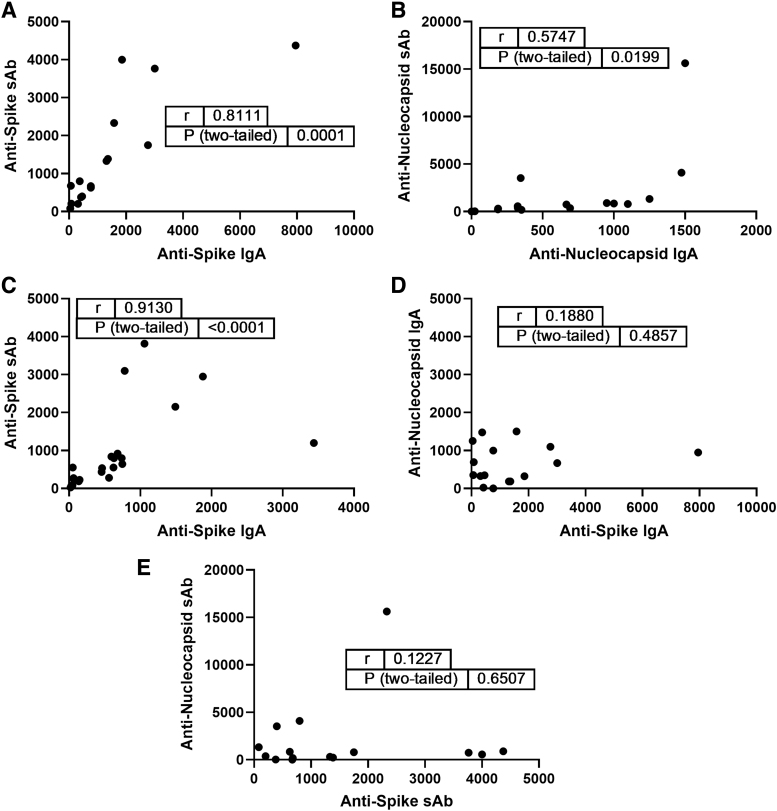
Background: Although in the early pandemic period COVID-19 pathology among young children and infants was typically less severe compared with that observed among adults, this has not remained entirely consistent as severe acute respiratory syndrome coronavirus 2 (SARS-CoV-2) variants have emerged. There is an enormous body of evidence demonstrating the benefits of human milk antibodies (Abs) in protecting infants against a wide range of enteric and respiratory infections. It is highly plausible that the same holds true for protection against SARS-CoV-2 as this virus infects cells of the gastrointestinal and respiratory mucosae. Understanding the durability of a human milk Ab response over time after infection is critical. Objective: Previously, we examined the Abs present in milk of those recently infected with SARS-CoV-2 and concluded that the response was secretory immunoglobulin A (sIgA) dominant and that these titers were highly correlated with neutralization potency. The present study aimed to monitor the durability of the SARS-CoV-2 IgA and secretory Ab (sAb) response in milk from COVID-19-recovered lactating individuals over 12 months in the absence of vaccination or reinfection. Results: This analysis revealed a robust and durable spike-specific milk sIgA response, and at 9-12 months after infection, 88% of the samples exhibited titers above the positive cutoff for IgA and 94% were above the cutoff for sAb. Fifty percent of participants exhibited less than twofold reduction of spike-specific IgA through 12 months. A strong, significant positive correlation between IgA and sAb against spike persisted throughout the study period. Nucleocapsid-specific Abs were also assessed, which revealed significant background or cross-reactivity of milk IgA against this immunogen, as well as limited/inconsistent durability compared with Spike titers. Conclusion: These data suggest that lactating individuals are likely to continue producing spike-specific Abs in their milk for 1 year or more, which may provide critical passive immunity to infants against SARS-CoV-2 throughout the lactation period.
Keywords: COVID-19; SARS-CoV-2; antibodies; human milk; lactation; secretory IgA.
Conflict of interest statement
The authors declare that the research was conducted in the absence of any commercial or financial relationships that could be construed as potential conflicts of interest.
Figures
Update of
-
The secretory IgA (sIgA) response in human milk against the SARS-CoV-2 Spike is highly durable and neutralizing for at least 1 year of lactation post-infection.medRxiv [Preprint]. 2023 May 26:2023.05.19.23290192. doi: 10.1101/2023.05.19.23290192. medRxiv. 2023. Update in: Breastfeed Med. 2023 Aug;18(8):602-611. doi: 10.1089/bfm.2023.0117. PMID: 37293109 Free PMC article. Updated. Preprint.
References
-
- Centers for Disease Control and Prevention. COVID Data Tracker. April 18 ed. US Department of Health and Human Services, CDC: Atlanta, GA, USA; 2023.
Publication types
MeSH terms
Substances
Grants and funding
LinkOut - more resources
Full Text Sources
Medical
Miscellaneous
