


Formalizing psychological interventions through network control theory
- PMID: 37620407
- PMCID: PMC10449779
- DOI: 10.1038/s41598-023-40648-x
Formalizing psychological interventions through network control theory
Abstract
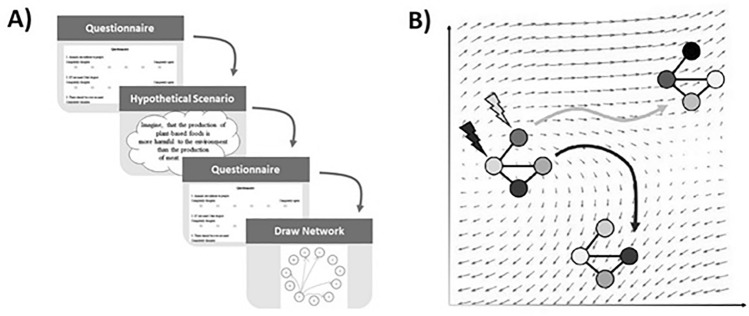
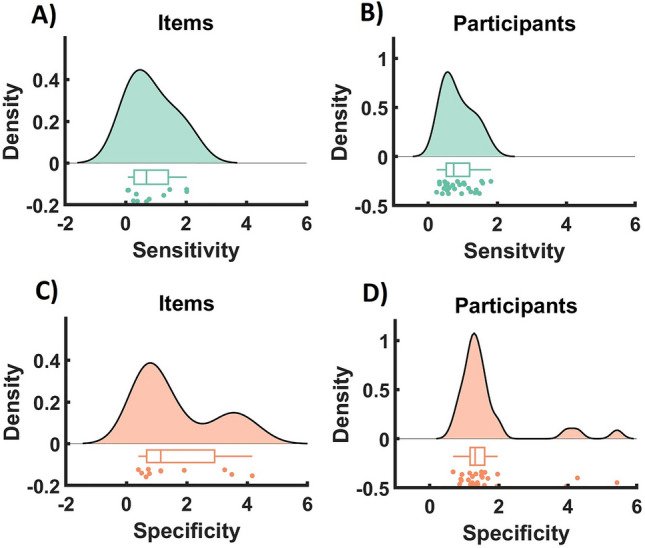
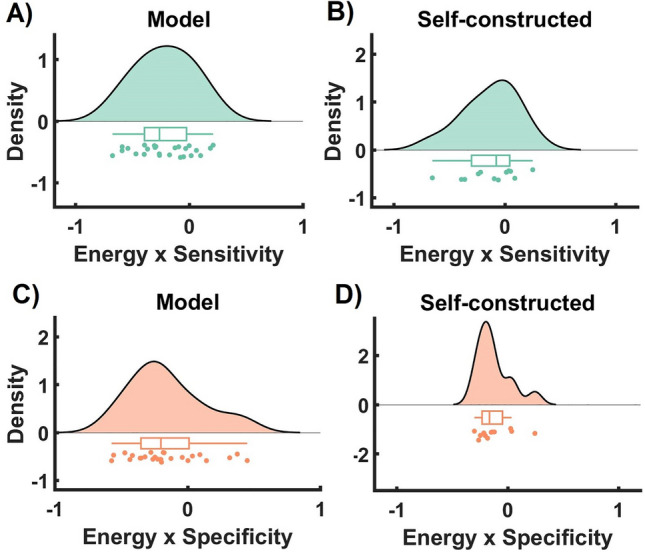
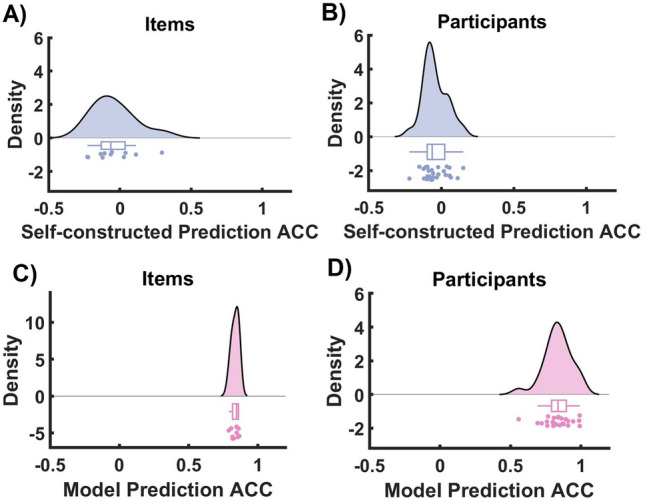
Despite the growing deployment of network representation to comprehend psychological phenomena, the question of whether and how networks can effectively describe the effects of psychological interventions remains elusive. Network control theory, the engineering study of networked interventions, has recently emerged as a viable methodology to characterize and guide interventions. However, there is a scarcity of empirical studies testing the extent to which it can be useful within a psychological context. In this paper, we investigate a representative psychological intervention experiment, use network control theory to model the intervention and predict its effect. Using this data, we showed that: (1) the observed psychological effect, in terms of sensitivity and specificity, relates to the regional network control theoretic metrics (average and modal controllability), (2) the size of change following intervention negatively correlates with a whole-network topology that quantifies the "ease" of change as described by control theory (control energy), and (3) responses after intervention can be predicted based on formal results from control theory. These insights assert that network control theory has significant potential as a tool for investigating psychological interventions. Drawing on this specific example and the overarching framework of network control theory, we further elaborate on the conceptualization of psychological interventions, methodological considerations, and future directions in this burgeoning field.
© 2023. Springer Nature Limited.
Conflict of interest statement
Dr. Hofmann receives financial support by the Alexander von Humboldt Foundation (as part of the Alexander von Humboldt Professur), the Hessische Ministerium für Wissenschaft und Kunst (as part of the LOEWE Spitzenprofessur), NIH/NIMH R01MH128377, NIH/NIMHU01MH108168, Broderick Foundation/MIT, and the James S. McDonnell Foundation 21st Century Science Initiative in Understanding Human Cognition – Special Initiative. He receives compensation for his work as editor from SpringerNature. He also receives royalties and payments for his work from various publishers. The other authors declare no competing interests.
Figures
References
-
- Van Der Maas HLJ, et al. A dynamical model of general intelligence: The positive manifold of intelligence by mutualism. Psychol. Rev. 2006;113:842–861. - PubMed
-
- Borsboom D, et al. Network analysis of multivariate data in psychological science. Nat. Rev. Methods Primer. 2021;1:58.
-
- Dalege J, et al. Toward a formalized account of attitudes: The Causal Attitude Network (CAN) model. Psychol. Rev. 2016;123:2. - PubMed
-
- Heshmati S, et al. Pathways to wellbeing are developmentally and culturally specific: Adaptive processes in the context of COVID-19. Sciecne. 2020;5:69.
Publication types
MeSH terms
Grants and funding
LinkOut - more resources
Full Text Sources
