


Hyperoside protects against oxidative stress-mediated photoreceptor degeneration: therapeutic potentials for photoreceptor degenerative diseases
- PMID: 37620913
- PMCID: PMC10463396
- DOI: 10.1186/s12967-023-04459-y
Hyperoside protects against oxidative stress-mediated photoreceptor degeneration: therapeutic potentials for photoreceptor degenerative diseases
Abstract
Background: Photoreceptor degeneration underpinned by oxidative stress-mediated mitochondrial dysfunction and cell death leads to progressive and irreversible vision impairment. Drug treatments that protect against photoreceptor degeneration are currently available in the clinical settings. It has been shown that hyperoside, a flavonol glycoside, protects against neuronal loss in part by suppressing oxidative stress and maintaining the functional integrity of mitochondria. However, whether hyperoside protects against photoreceptor degeneration remains unknown.
Methods: To address the pharmacological potentials of hyperoside against oxidative stress-mediated photoreceptor degeneration on molecular, cellular, structural and functional levels, multiple in vitro and in vivo methodologies were employed in the current study, including live-cell imaging, optical coherence tomography, electroretinography, histological/immunohistochemical examinations, transmission electron microscopy, RNA-sequencing and real-time qPCR.
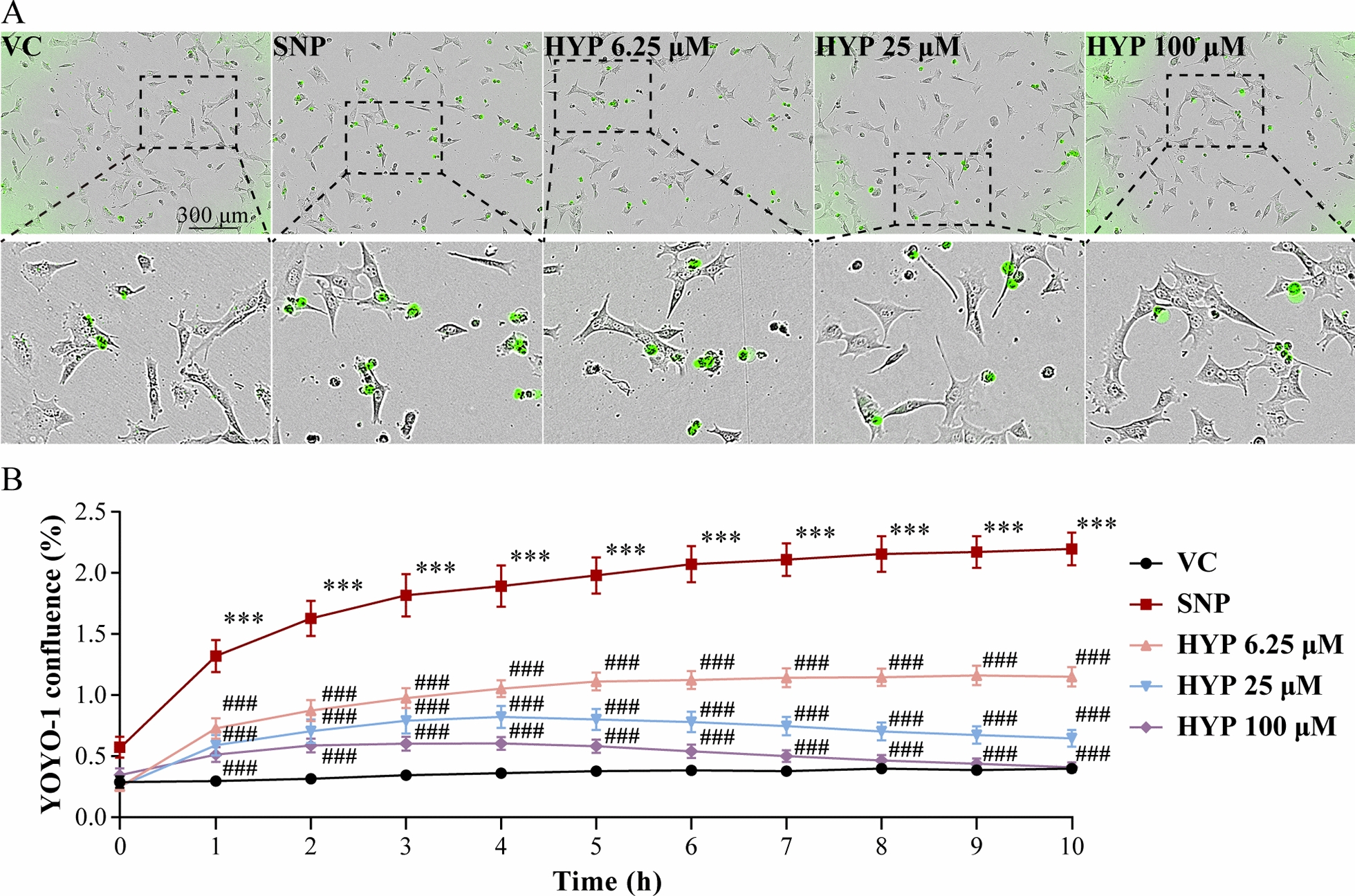
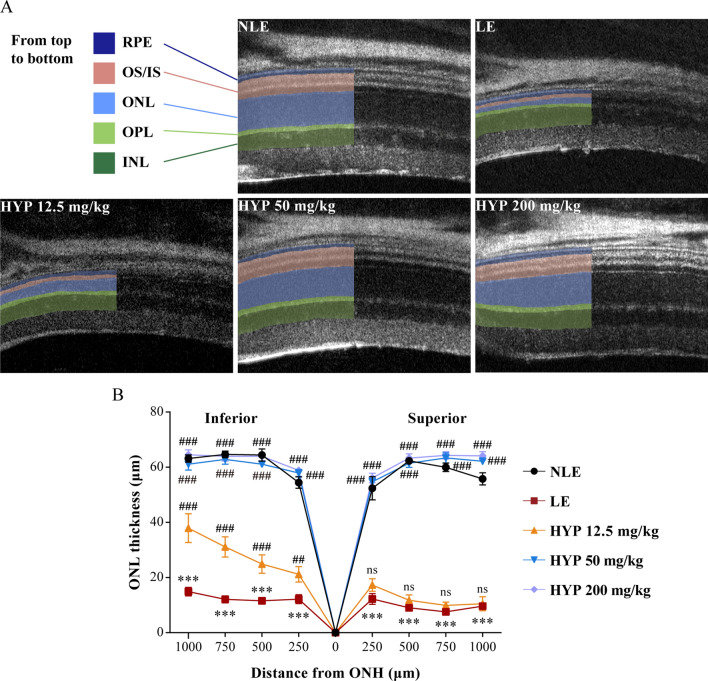
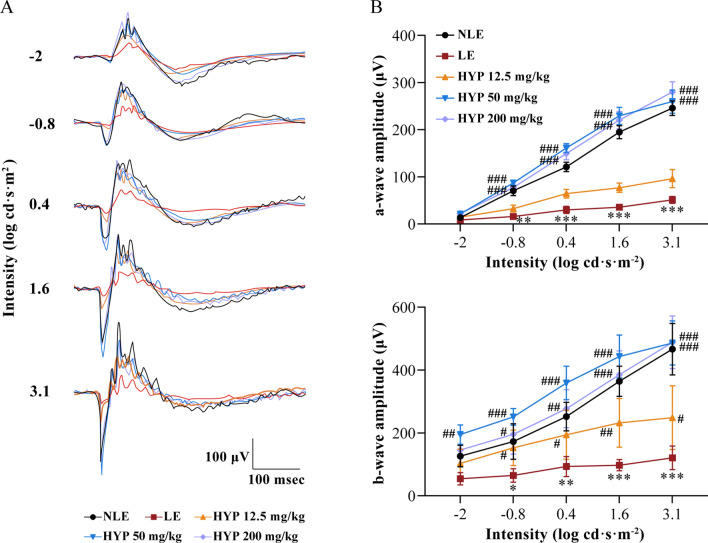
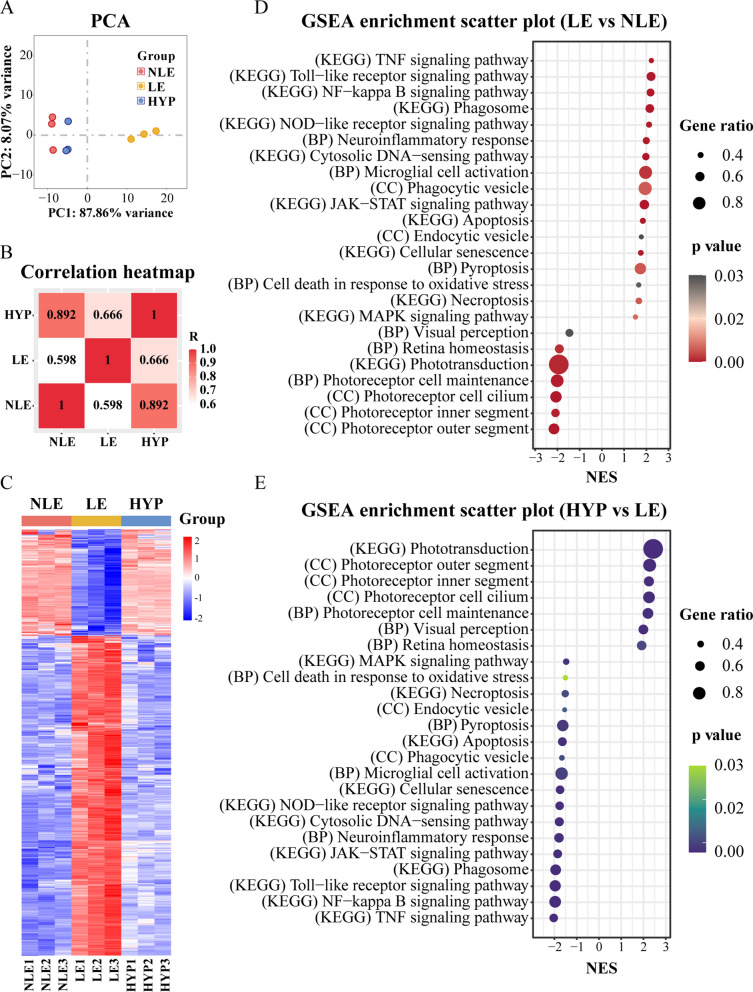
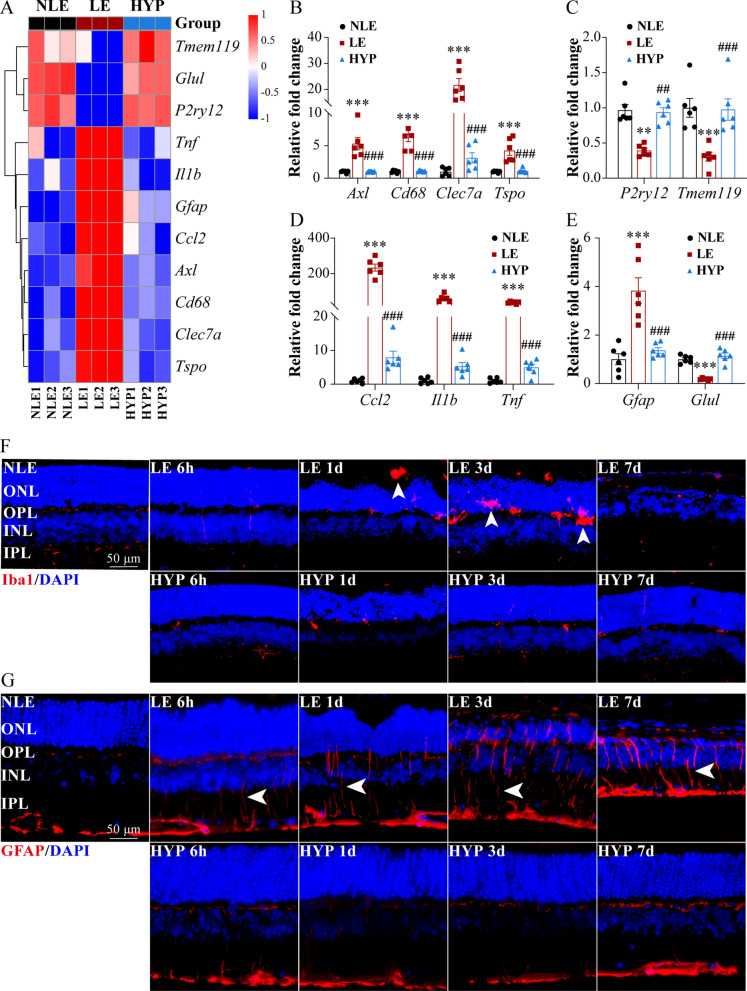
Results: The in vitro results demonstrate that hyperoside suppresses oxidative stress-mediated photoreceptor cell death in part by mitigating mitochondrial dysfunction. The in vivo results reveal that hyperoside protects against photooxidative stress-induced photoreceptor morphological, functional and ultrastructural degeneration. Meanwhile, hyperoside treatment offsets the deleterious impact of photooxidative stress on multiple molecular pathways implicated in the pathogenesis of photoreceptor degeneration. Lastly, hyperoside attenuates photoreceptor degeneration-associated microglial inflammatory activation and reactive Müller cell gliosis.
Conclusions: All things considered, the present study demonstrates for the first time that hyperoside attenuates oxidative stress-induced photoreceptor mitochondrial dysfunction and cell death. The photoreceptor-intrinsic protective effects of hyperoside are corroborated by hyperoside-conferred protection against photooxidative stress-mediated photoreceptor degeneration and perturbation in retinal homeostasis, warranting further evaluation of hyperoside as a photoreceptor protective agent for the treatment of related photoreceptor degenerative diseases.
Keywords: Cell death; Hyperoside; Oxidative stress; Photoreceptor degeneration; Retinal homeostasis.
© 2023. BioMed Central Ltd., part of Springer Nature.
Conflict of interest statement
The authors declare no competing interests.
Figures





References
-
- Moos WH, Faller DV, Glavas IP, Harpp DN, Kamperi N, Kanara I, Kodukula K, Mavrakis AN, Pernokas J, Pernokas M, et al. Treatment and prevention of pathological mitochondrial dysfunction in retinal degeneration and in photoreceptor injury. Biochem Pharmacol. 2022;203:115168. doi: 10.1016/j.bcp.2022.115168. - DOI - PubMed
-
- Vlachantoni D, Bramall AN, Murphy MP, Taylor RW, Shu X, Tulloch B, Van Veen T, Turnbull DM, McInnes RR, Wright AF. Evidence of severe mitochondrial oxidative stress and a protective effect of low oxygen in mouse models of inherited photoreceptor degeneration. Hum Mol Genet. 2011;20:322–335. doi: 10.1093/hmg/ddq467. - DOI - PubMed
Publication types
MeSH terms
Substances
LinkOut - more resources
Full Text Sources
