


Label-Free DNA Biosensor Based on Reduced Graphene Oxide and Gold Nanoparticles
- PMID: 37622883
- PMCID: PMC10452912
- DOI: 10.3390/bios13080797
Label-Free DNA Biosensor Based on Reduced Graphene Oxide and Gold Nanoparticles
Abstract
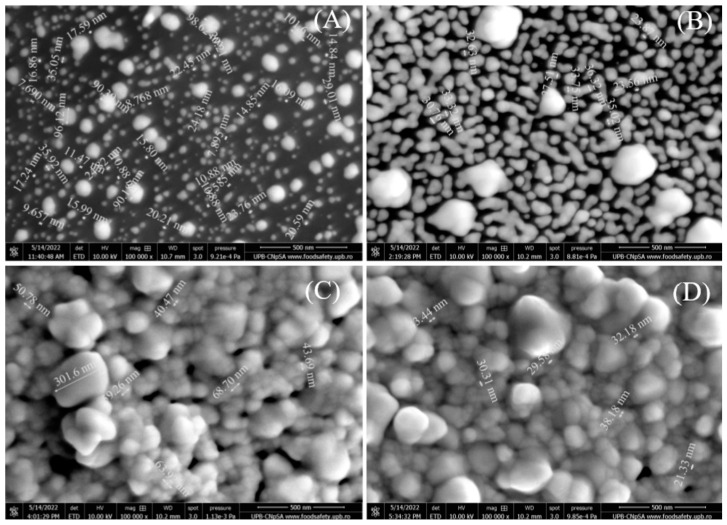
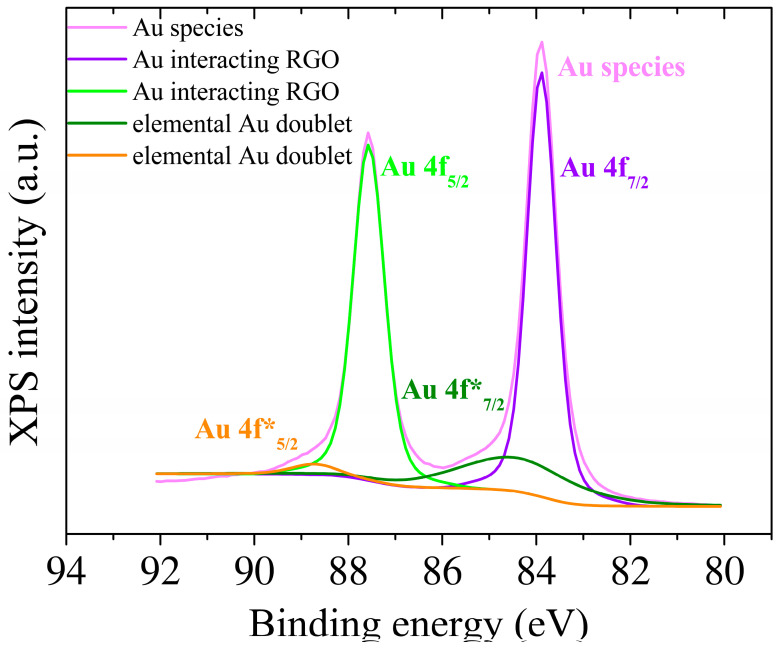
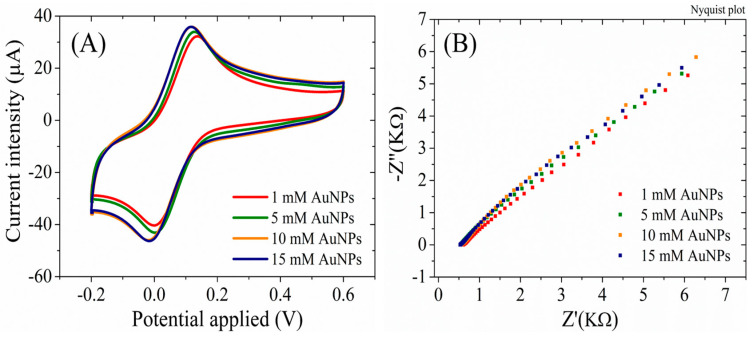
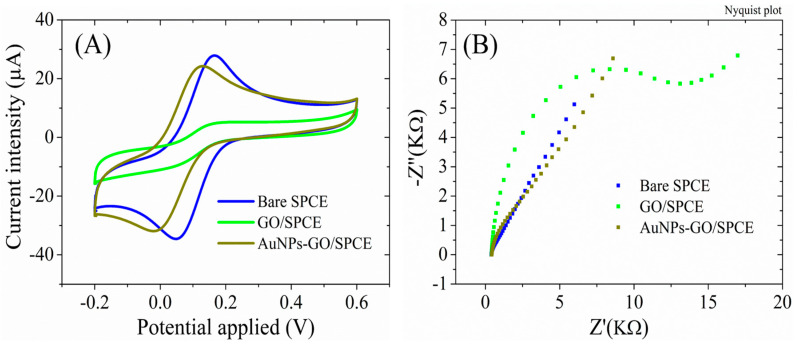
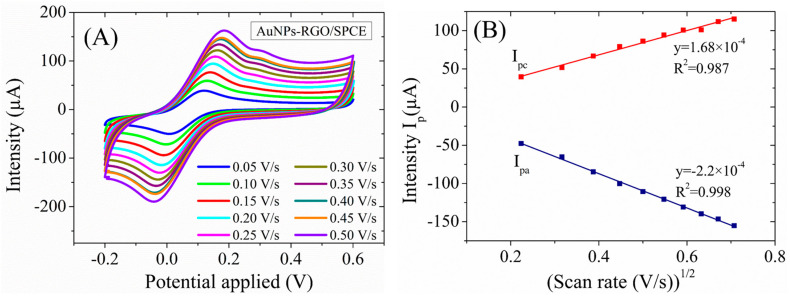
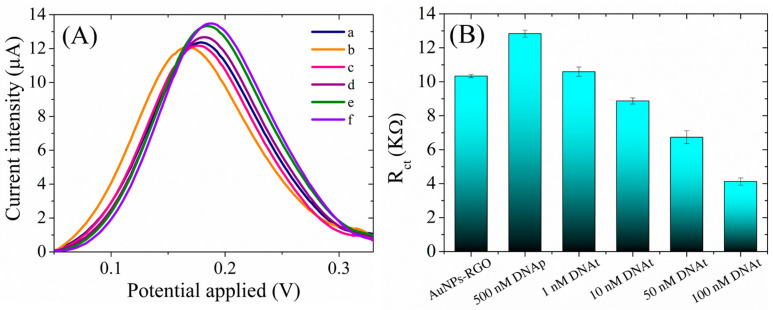
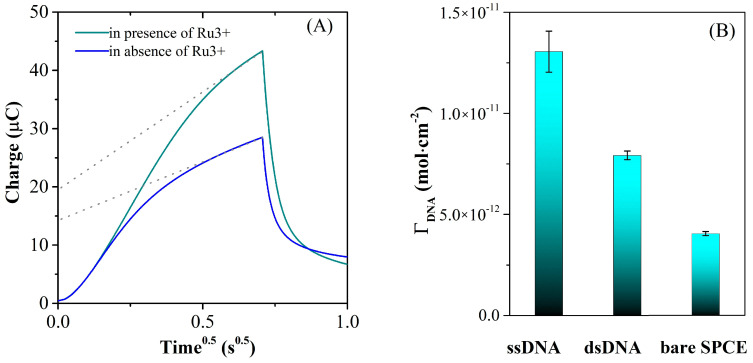
Currently available DNA detection techniques frequently require compromises between simplicity, speed, accuracy, and cost. Here, we propose a simple, label-free, and cost-effective DNA detection platform developed at screen-printed carbon electrodes (SPCEs) modified with reduced graphene oxide (RGO) and gold nanoparticles (AuNPs). The preparation of the detection platform involved a two-step electrochemical procedure based on GO reduction onto SPCEs followed by the electrochemical reduction of HAuCl4 to facilitate the post-grafting reaction with AuNPs. The final sensor was fabricated by the simple physical adsorption of a single-stranded DNA (ssDNA) probe onto a AuNPs-RGO/SPCE electrode. Each preparation step was confirmed by morphological and structural characterization using scanning electron microscopy (SEM) and X-ray photoelectron spectroscopy, respectively. Furthermore, the electrochemical properties of the modified electrodes have been investigated by cyclic voltammetry (CV) and electrochemical impedance spectroscopy (EIS). The results demonstrated that the introduction of AuNPs onto RGO/SPCEs led to an enhancement in surface conductivity, a characteristic that favored an increased sensitivity in detection. The detection process relied on the change in the electrochemical signal induced by the binding of target DNA to the bioreceptor and was particularly monitored by the change in the charge transfer resistance of a [Fe(CN)6]4-/3- redox couple added in the test solution.
Keywords: DNA detection; biosensor; electrochemistry; gold nanoparticles; graphene.
Conflict of interest statement
The authors declare no conflict of interest. The funders had no role in the design of the study; in the collection, analyses, or interpretation of data; in the writing of the manuscript; or in the decision to publish the results.
Figures



References
-
- Roy L., Buragohain P., Borse V. Strategies for sensitivity enhancement of point-of-care devices. Biosens. Bioelectron. X. 2022;10:100098. doi: 10.1016/j.biosx.2021.100098. - DOI
-
- Stranieri A., Venkatraman S., Minicz J., Zarnegar A., Firmin S., Balasubramanian V., Jelinek H.F. Emerging point of care devices and artificial intelligence: Prospects and challenges for public health. Smart Health. 2022;24:100279. doi: 10.1016/j.smhl.2022.100279. - DOI
-
- Lopes L.C., Santos A., Bueno P.R. An outlook on electrochemical approaches for molecular diagnostics assays and discussions on the limitations of miniaturized technologies for point-of-care devices. Sens. Actuators Rep. 2022;4:100087. doi: 10.1016/j.snr.2022.100087. - DOI
-
- Mahshid S.S. Electrochemical Immuno-Biosensors on Nanostructured Electrodes for Rapid Sensitive Detection of Disease Biomarkers; Proceedings of the Electrochemical Society Meeting Abstracts 239; Online. 30 May–3 June 2021; - DOI
MeSH terms
Substances
Grants and funding
- PCE 103/2022/Ministry of Research, Innovation and Digitization, Executive Agency for Higher Education, Research, Development and Innovation, project number PCE 103/2022
- 154/25.11.2016, P_37_221/2015/Ministry of Research and Innovation, Operational Program Competitiveness Axis 1 - Section E, Program co-financed from European Regional Development Fund "Investments for your future"
- 13530/16.06.2022/Ministerul Cercetării și Inovării
LinkOut - more resources
Full Text Sources
