


The Role of Hydrogen Sulfide (H2S) in Epigenetic Regulation of Neurodegenerative Diseases: A Systematic Review
- PMID: 37628735
- PMCID: PMC10454626
- DOI: 10.3390/ijms241612555
The Role of Hydrogen Sulfide (H2S) in Epigenetic Regulation of Neurodegenerative Diseases: A Systematic Review
Abstract
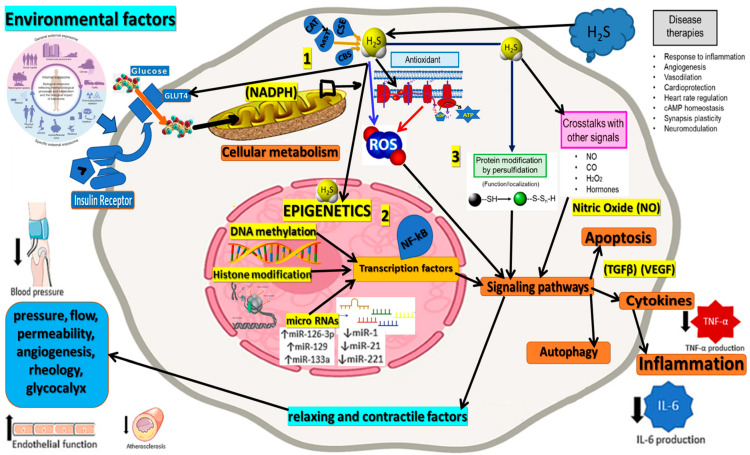
This review explores the emerging role of hydrogen sulfide (H2S) in modulating epigenetic mechanisms involved in neurodegenerative diseases. Accumulating evidence has begun to elucidate the multifaceted ways in which H2S influences the epigenetic landscape and, subsequently, the progression of various neurodegenerative disorders, including Alzheimer's, Parkinson's, and Huntington's disease. H2S can modulate key components of the epigenetic machinery, such as DNA methylation, histone modifications, and non-coding RNAs, impacting gene expression and cellular functions relevant to neuronal survival, inflammation, and synaptic plasticity. We synthesize recent research that positions H2S as an essential player within this intricate network, with the potential to open new therapeutic avenues for these currently incurable conditions. Despite significant progress, there remains a considerable gap in our understanding of the precise molecular mechanisms and the potential therapeutic implications of modulating H2S levels or its downstream targets. We conclude by identifying future directions for research aimed at exploiting the therapeutic potential of H2S in neurodegenerative diseases.
Keywords: Alzheimer’s disease; DNA methylation; Huntington’s disease; Parkinson’s disease; epigenetic regulation; histone modifications; hydrogen sulfide; neurodegenerative diseases; non-coding RNAs.
Conflict of interest statement
The authors declare no conflict of interest.
Figures
References
Publication types
MeSH terms
Substances
LinkOut - more resources
Full Text Sources
Medical
Miscellaneous
