


Treatment of Vulvovaginal Candidiasis-An Overview of Guidelines and the Latest Treatment Methods
- PMID: 37629418
- PMCID: PMC10455317
- DOI: 10.3390/jcm12165376
Treatment of Vulvovaginal Candidiasis-An Overview of Guidelines and the Latest Treatment Methods
Abstract
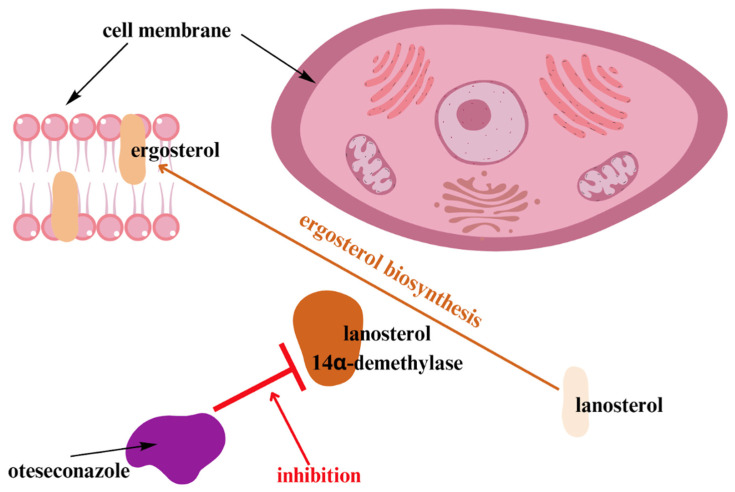
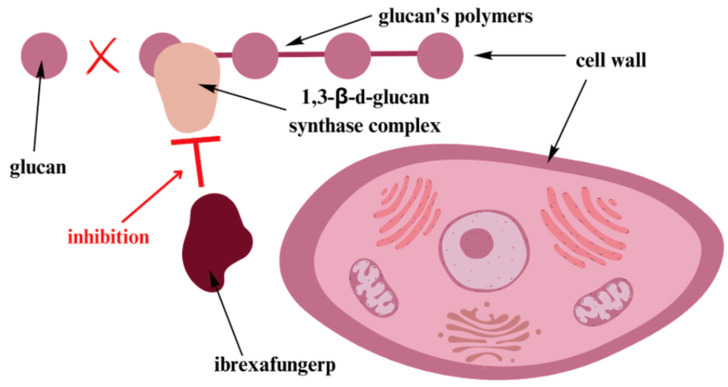
Vulvovaginal candidiasis (VVC) is a common condition associated with discomfort in affected women. Due to the presence of different forms of the disease, diverse treatment regimens are developed; the newest ones include oteseconazole and ibrexafungerp. Here, we focus on the most up-to-date recommendations regarding VVC treatment, as well as novel treatment options. Topical and oral azoles are the drugs of choice in uncomplicated mycosis. The efficacy of probiotics and substances such as TOL-463 and chlorhexidine is indicated as satisfactory; however, there are no relevant guidelines. Although the majority of researchers agree that the treatment of non-albicans VVC should be long-lasting, the recommendations are inconsistent. Another clinical problem is the treatment of VVC with azole intolerance or resistance, for which literature proposes the use of several drugs including oteseconazole, ibrexafungerp, and voriconazole. The treatment schedules for recurrent VVC include mainly fluconazole; however, alternative options such as immunotherapeutic vaccine (NDV-3A) or designed antimicrobial peptides (dAMPs) were also described. We also focused on VVC affecting pregnant women, which is a substantial challenge in clinical practice, also due to the heterogeneous relevant guidelines. Thus far, few precise recommendations are available in the literature. Future studies should focus on atypical VVC forms to elucidate the inconsistent findings.
Keywords: azoles; ibrexafungerp; immunotherapy; oteseconazole; recurrent vulvovaginal candidiasis; vagina; vulvovaginal candidiasis.
Conflict of interest statement
The authors declare no conflict of interest.
Figures
References
-
- Nyirjesy P., Brookhart C., Lazenby G., Schwebke J., Sobel J.D. Vulvovaginal Candidiasis: A Review of the Evidence for the 2021 Centers for Disease Control and Prevention of Sexually Transmitted Infections Treatment Guidelines. Clin. Infect. Dis. 2022;74:S162–S168. doi: 10.1093/cid/ciab1057. - DOI - PubMed
Publication types
LinkOut - more resources
Full Text Sources
